


Wedding To Do List: Simple Plan to Stay On Track
Planning a wedding feels exciting. It can also feel messy. A clear wedding to do list keeps you calm and focused. It helps you know what to do each week. No guessing. No last-minute stress.
This guide walks you through 13 smart steps. Each one is simple. Each one saves time. If you want structure, this works like a living system. You can even pair it with a full planning checklist or a detailed timeline guide to stay even more organized.
Let’s break it down.
1. Map Weekly Task Boards


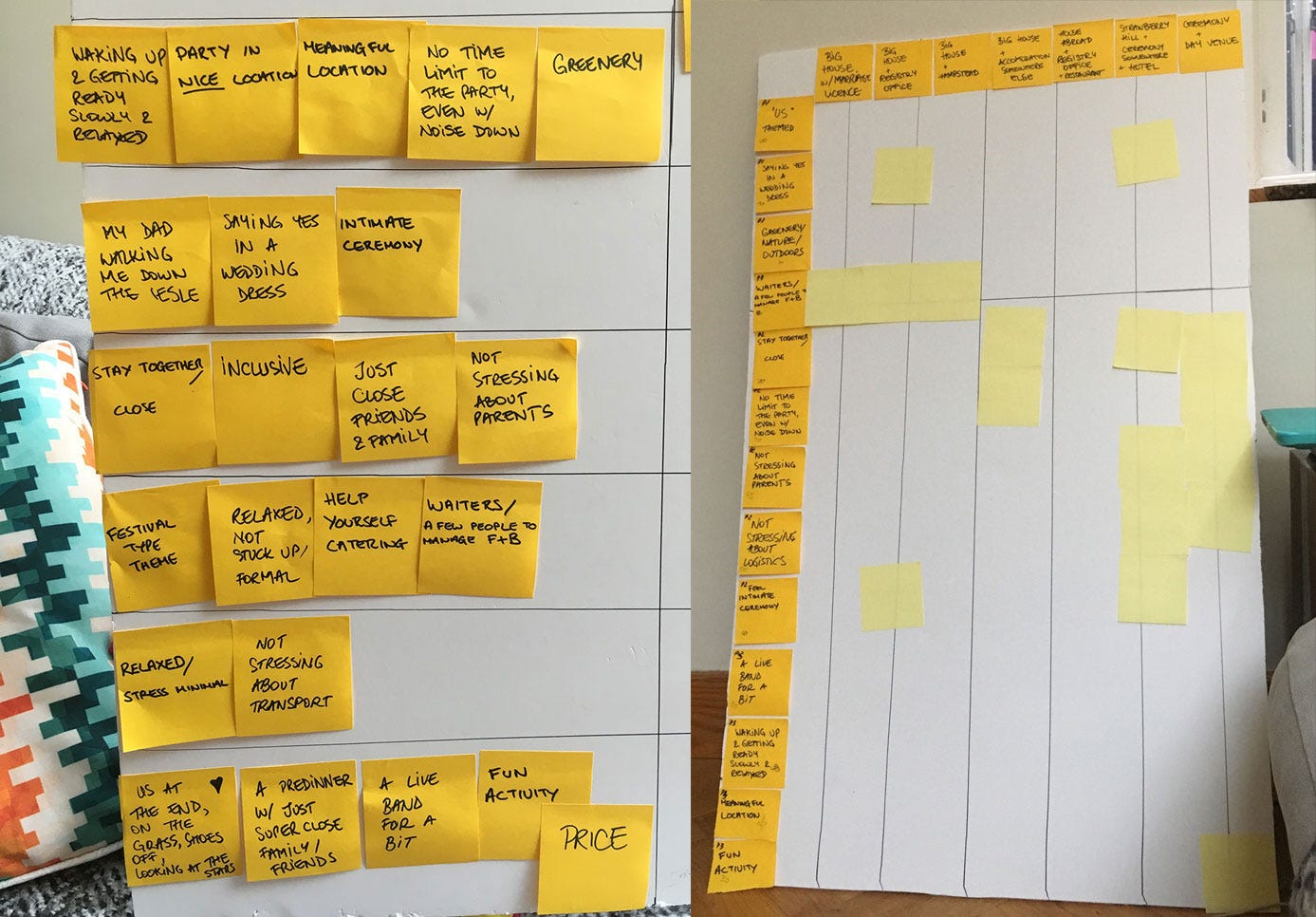

Start with weekly planning. Not monthly. Not daily chaos. Weekly focus keeps things clear. Use a board, notebook, or wall planner. Divide tasks into “This Week,” “Waiting,” and “Done.” Move items across as you finish them. It feels satisfying. It also keeps your mind calm.
- Write only 5–7 tasks per week
- Keep vendor follow-ups separate
- Highlight urgent deadlines
- Review every Sunday evening
- Remove finished tasks
Pro tip: Take a photo of your board weekly.
Why it works: You see real progress instead of feeling overwhelmed.
2. Track Vendor Call Lists


Vendors reply at different speeds. Some forget. Some delay. Keep a simple call tracker. List the vendor name, phone, last contact date, and next action. This saves you from double-calling or missing follow-ups.
- Keep all contacts in one place
- Set reminders for follow-ups
- Write notes after each call
- Confirm prices in writing
- Save contracts in a folder
Pro tip: Create a shared Google Sheet for you and your partner.
Why it works: Everyone stays informed without confusion.
3. Schedule Dress Fittings




Dress fittings need time. Don’t leave them late. Most gowns need 2–3 fittings. Plan them at least 2–3 months before the wedding. Bring your shoes. Bring your undergarments. That way alterations fit perfectly.
- Book first fitting early
- Wear wedding shoes to check hem
- Practice walking and sitting
- Bring trusted feedback only
- Confirm final pickup date
Pro tip: Take short videos during fitting.
Why it works: You spot movement issues early.
4. Plan Decor DIY Days
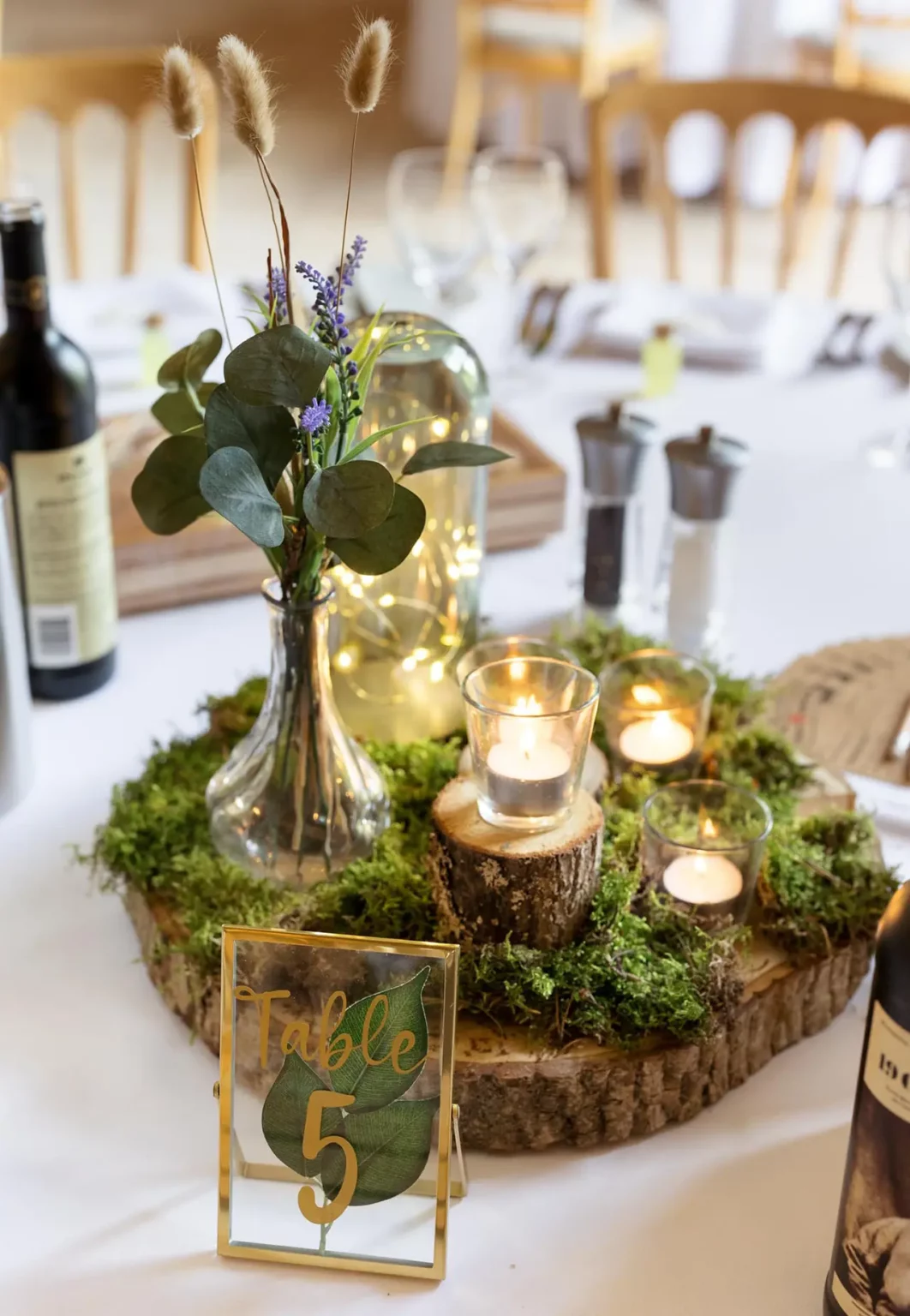


DIY decor saves money. But only if you plan it well. Set fixed crafting days. Invite friends. Play music. Keep it organized. Make a checklist for each project. If you need ideas, explore wedding reception decor ideas for inspiration.
- Pre-buy all materials
- Label finished items
- Test one sample first
- Set time limits
- Store safely in boxes
Pro tip: Create assembly-line tasks for helpers.
Why it works: Work moves faster and feels fun.
5. Taste Catering Menu Options


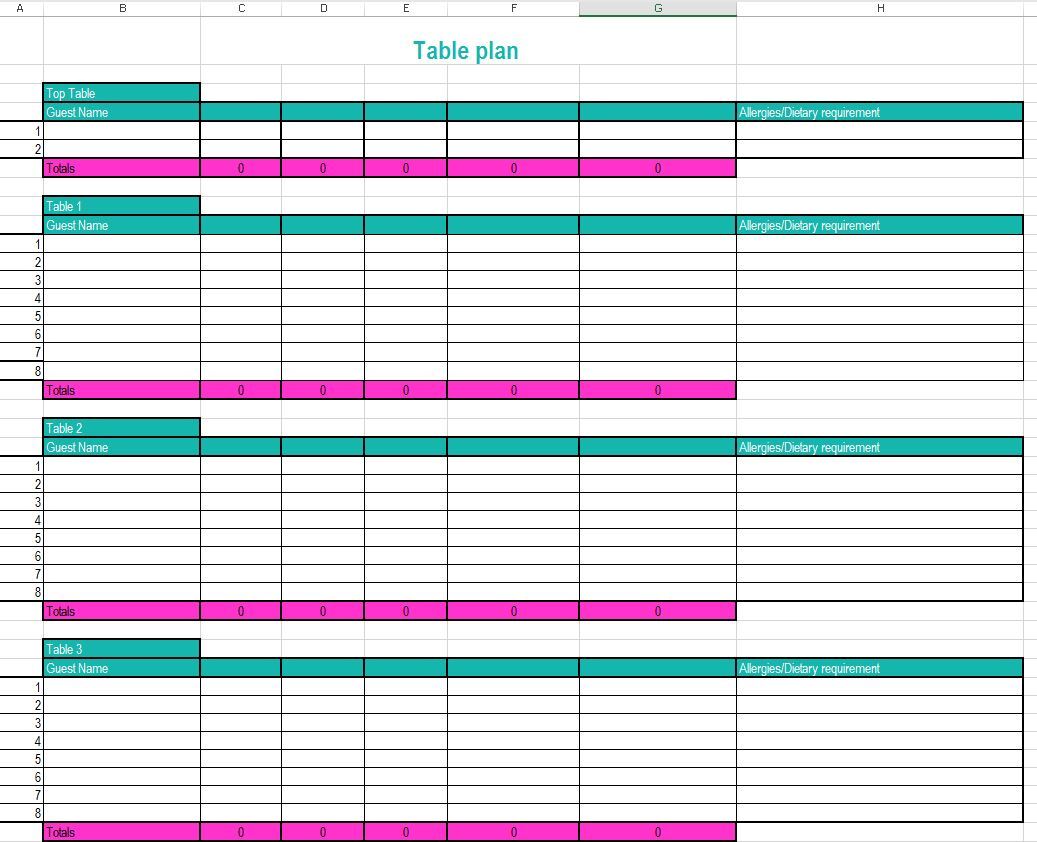
Food matters. Guests remember meals. Schedule tastings early. Take notes after each bite. Think about variety. Add one safe option. Add one exciting dish. Check portion size too.
- Ask about dietary options
- Confirm serving style (buffet or plated)
- Test drink pairings
- Ask about presentation
- Clarify service staff count
Pro tip: Eat light before tasting.
Why it works: You judge flavors clearly.
6. Confirm Final Cake Design


Your cake should match your theme. Share inspiration photos. Confirm flavors and fillings. Ask about delivery time. Double-check size based on guest count.
- Approve final sketch
- Confirm cake topper details
- Ask about storage
- Check backup plan for heat
- Confirm payment balance
Pro tip: Taste seasonal flavors.
Why it works: Fresh flavors impress guests.
7. Mail Invitations on Time


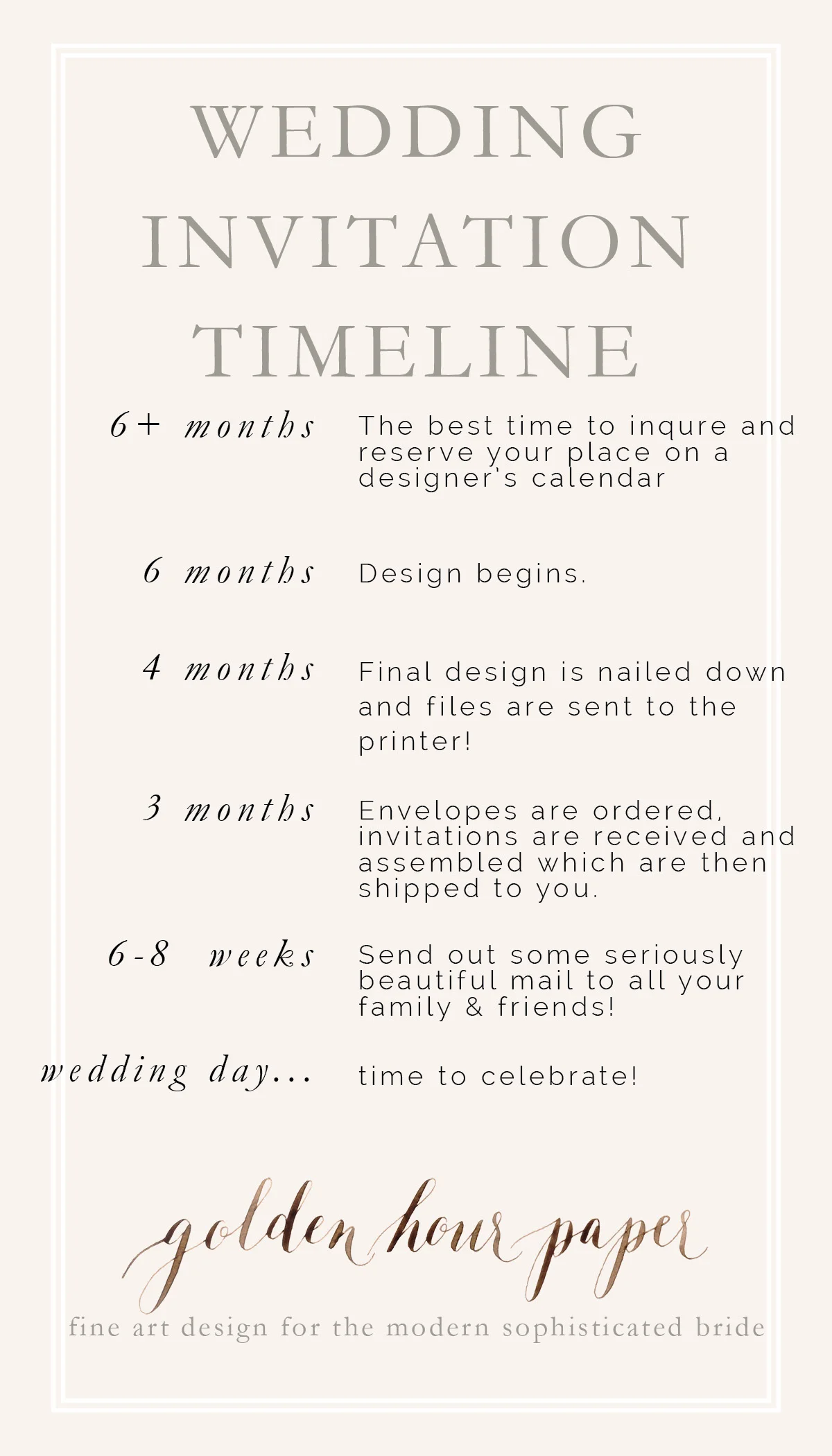

Send invitations 6–8 weeks before the wedding. Earlier for destination events. Double-check spellings. Count inserts carefully.
- Print extra copies
- Add RSVP deadline clearly
- Weigh envelopes at post office
- Keep a guest mailing tracker
- Send digital reminder later
Pro tip: Take a photo of each envelope batch.
Why it works: You avoid missed names.
8. Create Playlist Mood




Music controls energy. Divide songs into moments: entry, dinner, dance. Mix classics with modern hits. Share must-play and do-not-play lists with your DJ.
- Pick first dance early
- Choose parent dance songs
- Add cultural favorites
- Plan last song moment
- Confirm sound check time
Pro tip: Test songs while cooking dinner together.
Why it works: You feel real emotion in normal life settings.
9. Plan Rehearsal Dinner



Rehearsal dinner sets the tone. Keep it relaxed. Invite close family and bridal party. Confirm speeches ahead of time.
- Choose simple menu
- Arrange seating thoughtfully
- Plan short toast order
- Confirm venue timing
- Assign someone to host
Pro tip: Keep it under two hours.
Why it works: Everyone stays fresh for wedding day.
10. Track Payment Deadlines
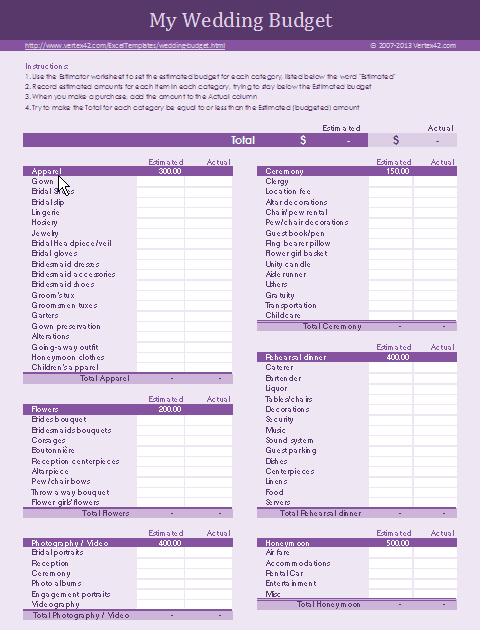
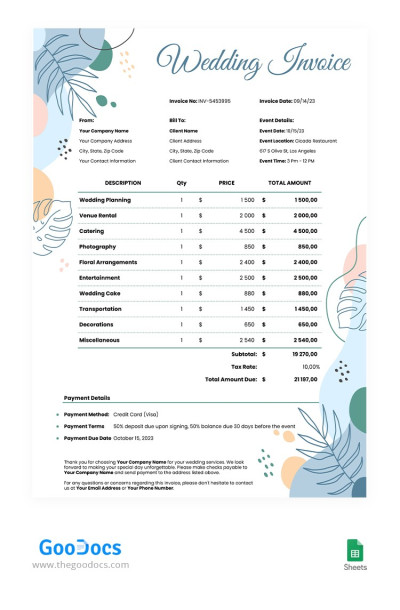

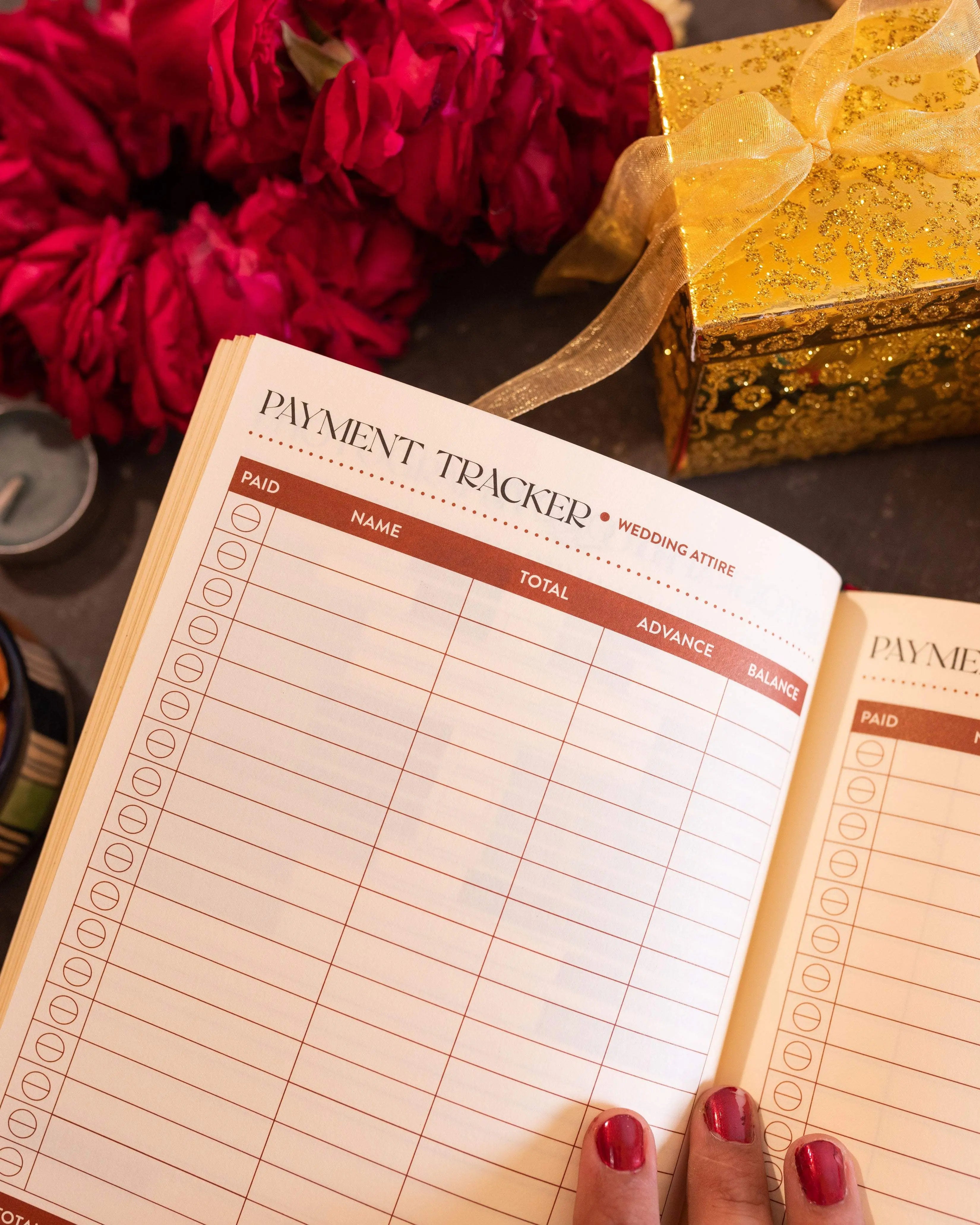
Money tracking avoids panic. List every vendor. Add deposit paid, balance due, and due date. Use reminders one week before deadlines.
- Keep digital copies of receipts
- Set calendar alerts
- Track tips separately
- Confirm payment method
- Review totals monthly
Pro tip: Use one dedicated wedding account.
Why it works: Spending stays clear and controlled.
11. Collect Guest RSVPs


RSVP tracking helps with seating and catering numbers. Update your list weekly. Follow up gently after deadline passes.
- Mark confirmed guests
- Track meal choices
- Note plus-ones
- Send reminder messages
- Share numbers with caterer
Pro tip: Close RSVP 3–4 weeks early.
Why it works: You avoid last-minute chaos.
12. Send Final Confirmations


One week before the wedding, confirm everything. Call vendors. Confirm arrival times. Share timeline again.
- Confirm setup times
- Recheck addresses
- Share contact person
- Review weather backup
- Send final headcount
Pro tip: Create one master timeline PDF.
Why it works: Everyone works from one clear plan.
13. Confirm Remaining Tasks
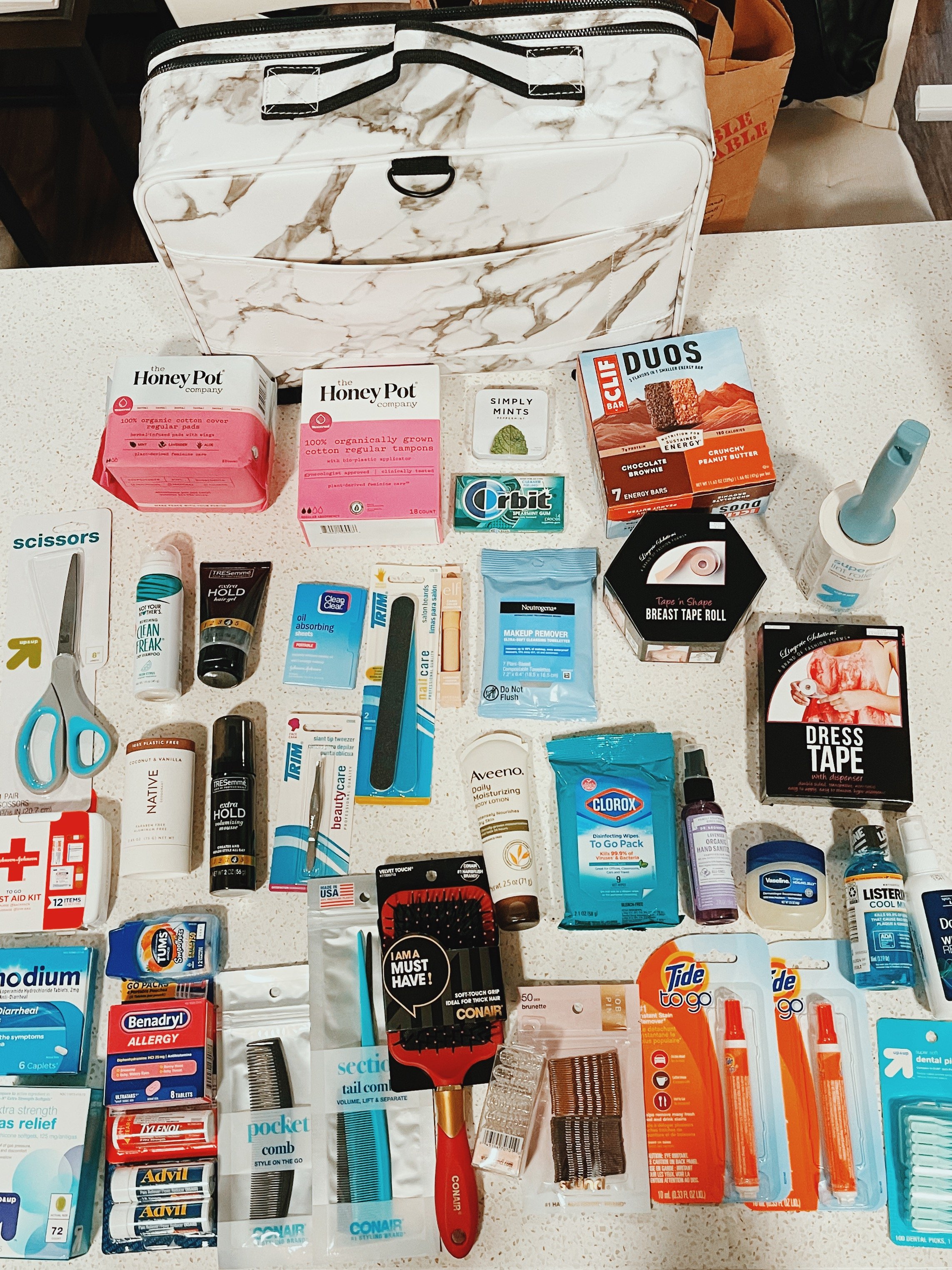


Two days before the wedding, review everything. Pack emergency kits. Lay out outfits. Charge phones.
- Pack rings safely
- Prepare vendor envelopes
- Print seating chart
- Confirm transport
- Get good sleep
Pro tip: Delegate small tasks.
Why it works: You stay calm and present.
Small Planning Errors to Avoid
- Leaving payments until last week
- Skipping written confirmations
- Overloading one weekend with tasks
- Forgetting buffer time
- Ignoring weather backup
FAQs
What should go on a wedding to do list?
Vendor booking, payments, fittings, guest tracking, decor prep, menu tasting, music planning, and final confirmations. Keep it practical.
How to track daily tasks?
Use a weekly board. Move tasks daily. Review every evening for 5 minutes.
Weekly planning routine tips?
Pick one planning day. Review progress. Set 5 key tasks only.
Payment tracking tips?
Use a spreadsheet. Set reminders. Keep receipts digital.
How to stay on schedule?
Work backward from your date. Add buffer time. Use a timeline from trusted sources like The Knot or Brides for reference structure.
Final Thoughts
A wedding to do list is not just a checklist. It’s peace of mind. It keeps your day joyful instead of stressful. Stay organized. Stay calm. Focus on moments, not panic.
If you want more structured help, explore our full wedding planning guide to keep everything aligned.
You’ve got this. 💛