


Wedding Day Timeline: A Simple Hour-by-Hour Plan
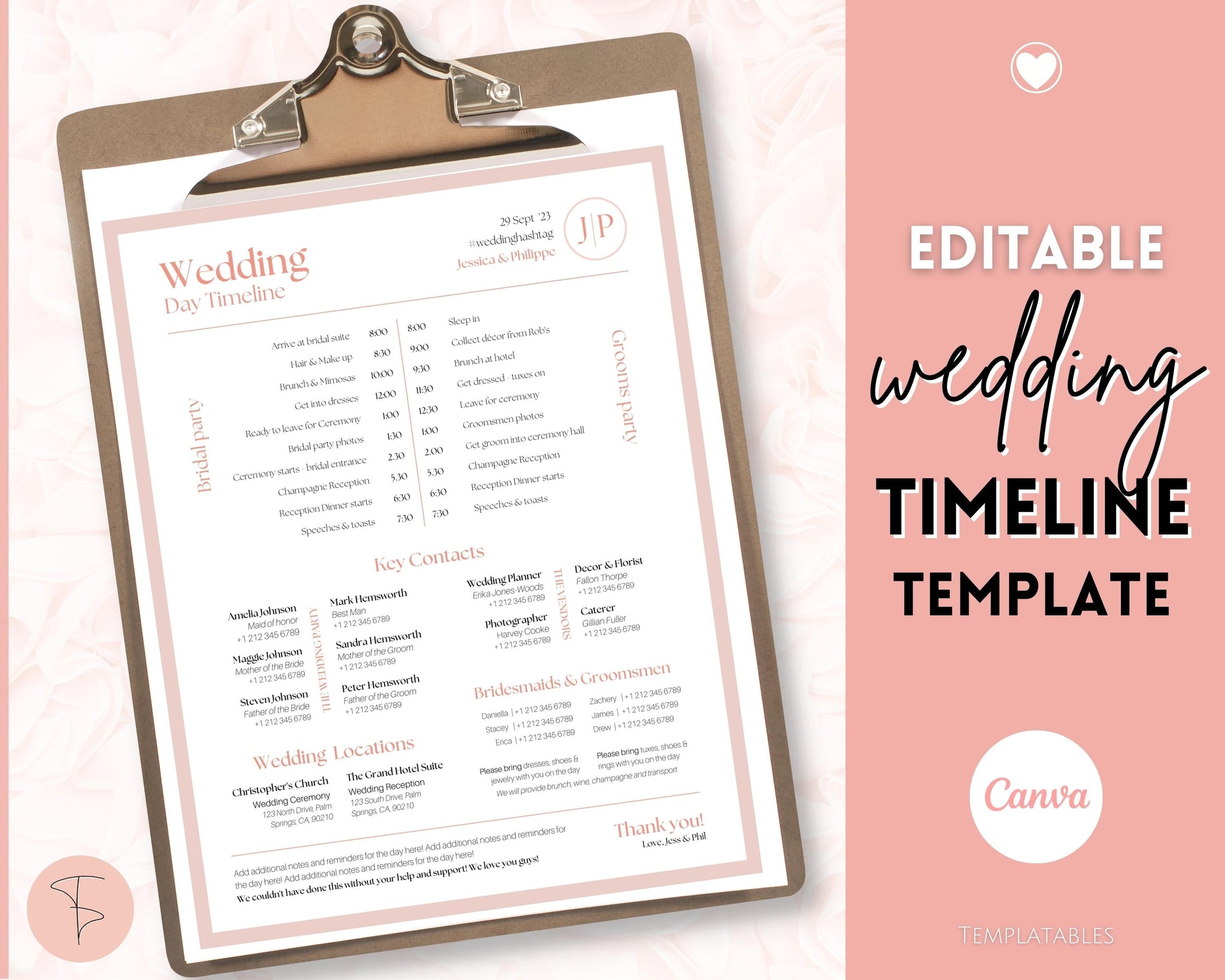
Your wedding day moves fast. Too fast. A clear wedding day timeline keeps you calm and on track. It helps vendors know where to be. It keeps photos smooth. It protects your energy.
If you’re wondering how to build a wedding day schedule, how long each part should last, or when photos should begin, this guide walks you through it step by step — like a friend who has done this before.
1. Plan Sunrise Hair Prep

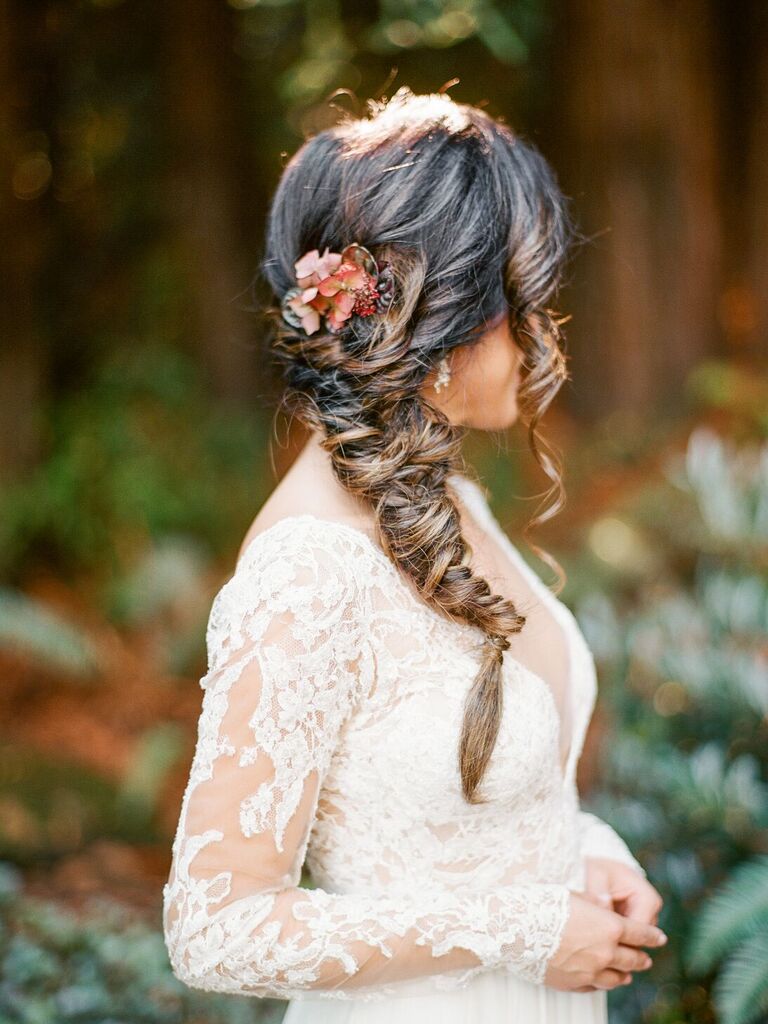


Start early. Hair takes longer than you think. Build your wedding day timeline from this first appointment. If your ceremony is at 4 PM, hair should begin around 8–9 AM. Add 45–60 minutes per person. Include buffer time for touch-ups. Calm mornings create better photos and fewer delays.
- Confirm stylist arrival time one week before
- Create a hair order list
- Finish bride’s hair 1 hour before makeup
- Keep robes wrinkle-free for photos
- Allow 20 minutes extra for delays
Pro tip: Keep one mirror near natural light for better makeup blending.
Why it works: Early prep prevents rushing later in the day.
2. Prep Morning Coffee Bar


A simple coffee and snack station keeps everyone energized. No one thinks clearly on an empty stomach. Include fruit, pastries, water, and protein snacks. This small detail supports your timeline because happy people move faster and cooperate better.
- Set up drinks before vendors arrive
- Include water bottles for hydration
- Add light snacks that won’t stain dresses
- Keep trash hidden
- Assign one person to restock
Pro tip: Use neutral trays for pretty detail shots.
Why it works: Stable energy keeps the schedule smooth.
3. Capture Getting Ready Photos


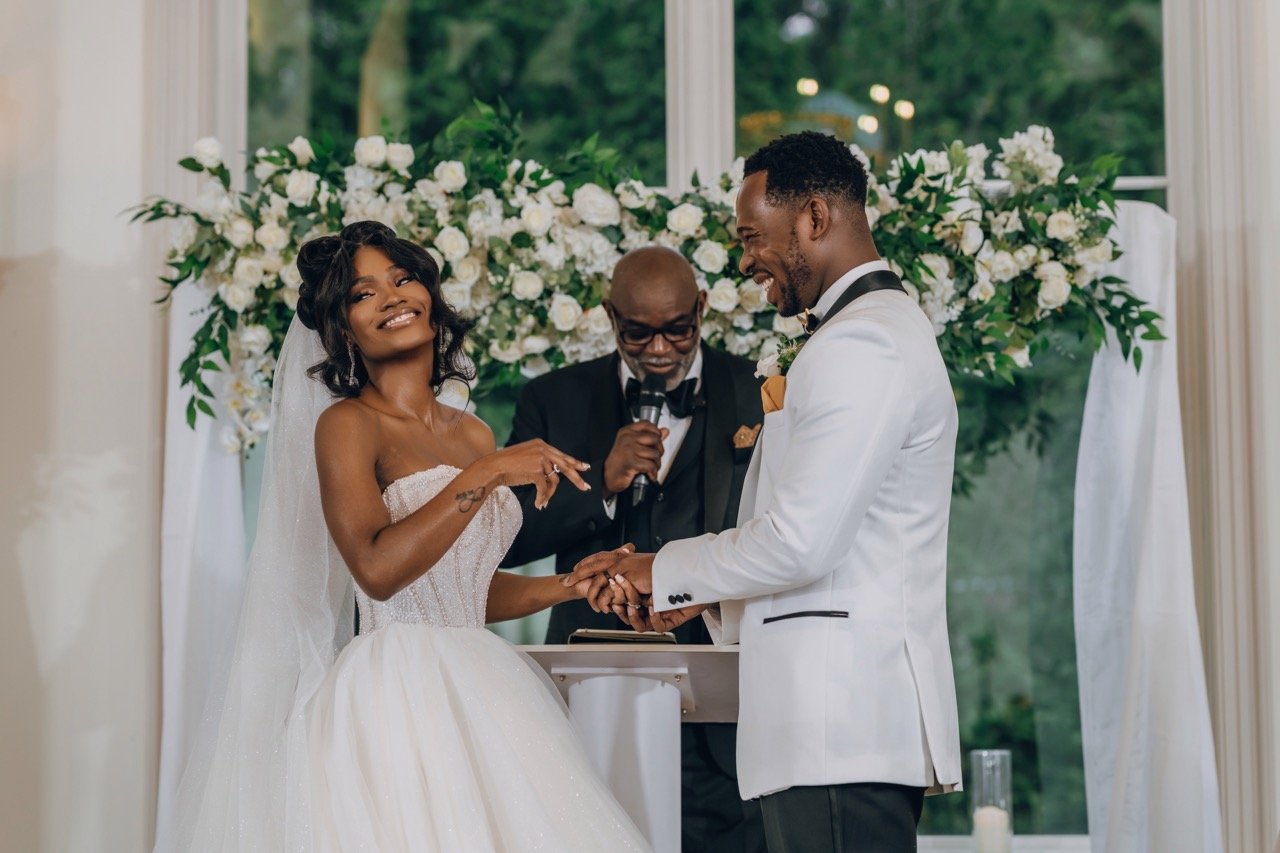
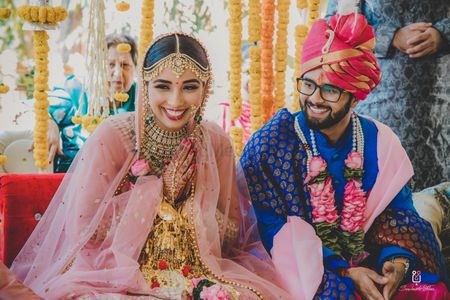
Plan for at least 60–90 minutes of getting ready photos. This is when emotions feel real and soft. Photographers often arrive 3–4 hours before the ceremony. Ask when they prefer to begin. Natural light rooms create clean, timeless images.
- Clear clutter from background
- Hang dress near window
- Steam veil the night before
- Keep phone out of main shots
- Schedule final touches before photos
Pro tip: Finish hair and makeup before dress photos start.
Why it works: Clean spaces make images look polished.
4. Style Detail Flat Lays


Flat lays need 30–45 minutes. Gather rings, invitation suite, perfume, shoes, vow books, and heirlooms in one box. This saves time. These details tell your story and help your wedding day timeline feel complete from start to finish.
- Give details to photographer early
- Bring extra ribbon or flowers
- Clean rings before photos
- Include meaningful items
- Use neutral fabric background
Pro tip: Ask florist for a few loose blooms.
Why it works: Organized details prevent last-minute searching.
If you’re still finalizing your setup, check your ceremony checklist to confirm nothing is missing.
5. Stage First Look Corner


A first look saves time later. Schedule it 2 hours before ceremony. Choose a quiet, shaded area. This allows portraits before guests arrive. Your timeline becomes relaxed instead of rushed.
- Pick private location
- Keep guests away
- Allow 20 minutes for reactions
- Move straight into couple portraits
- Keep tissues nearby
Pro tip: Practice standing positions for smooth photos.
Why it works: Pre-ceremony portraits reduce stress later.
6. Line Ceremony Aisle


Ceremony setup should finish 1 hour before guest arrival. Walk the aisle once. Check spacing, flowers, and chair alignment. If you need décor inspiration, explore these beautiful wedding ceremony decor ideas for layout flow.
- Confirm aisle width
- Check sound system
- Place programs on seats
- Test mic volume
- Assign coordinator for lineup
Pro tip: Keep water nearby before walking down.
Why it works: Final checks prevent visible mistakes.
7. Cue Ceremony Music



Music sets timing. Confirm exact cue points with DJ or musicians. The processional usually lasts 3–5 minutes. Build this into your wedding day schedule carefully.
- Share song list in advance
- Confirm fade-in timing
- Assign someone to signal start
- Test speakers early
- Have backup playlist ready
Pro tip: Walk slowly. Count steps.
Why it works: Smooth music timing keeps emotions steady.
8. Capture Family Portraits


Family photos take 30–45 minutes. Prepare a printed list. Call names loudly and clearly. Do these right after ceremony when everyone is present.
- Limit combinations
- Assign helper to gather people
- Keep elderly seated
- Move quickly between groups
- Start with largest group first
Pro tip: Keep bouquet nearby for balance.
Why it works: Structure saves time and keeps light consistent.
9. Flow Cocktail Hour


Cocktail hour lasts 60 minutes. This gives time for remaining portraits. Keep drinks ready immediately after ceremony. For timing help, review a clear reception schedule outline before finalizing.
- Offer 2 signature drinks
- Keep appetizers moving
- Open seating early
- Play soft background music
- Place signage for directions
Pro tip: Sneak away for 5 private minutes together.
Why it works: Guests stay entertained while photos finish.
10. Announce Grand Entrance

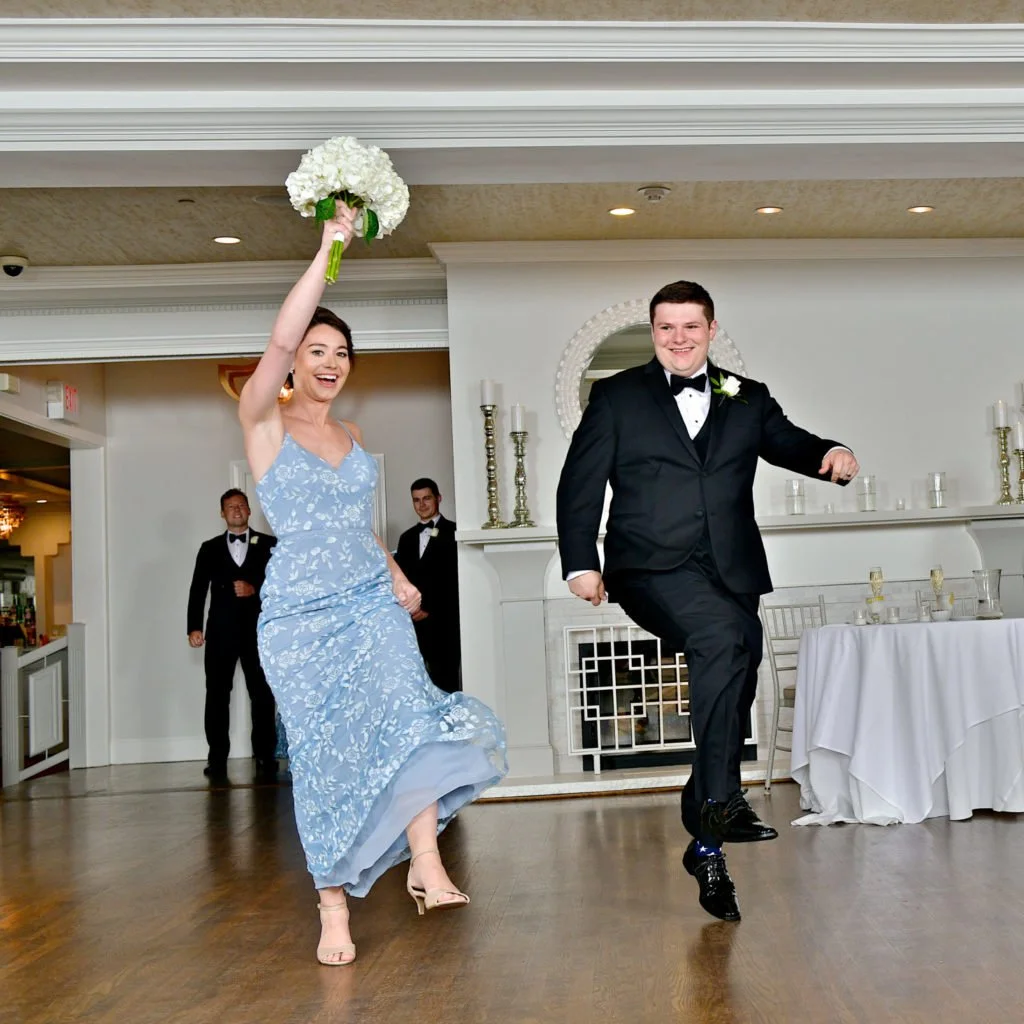
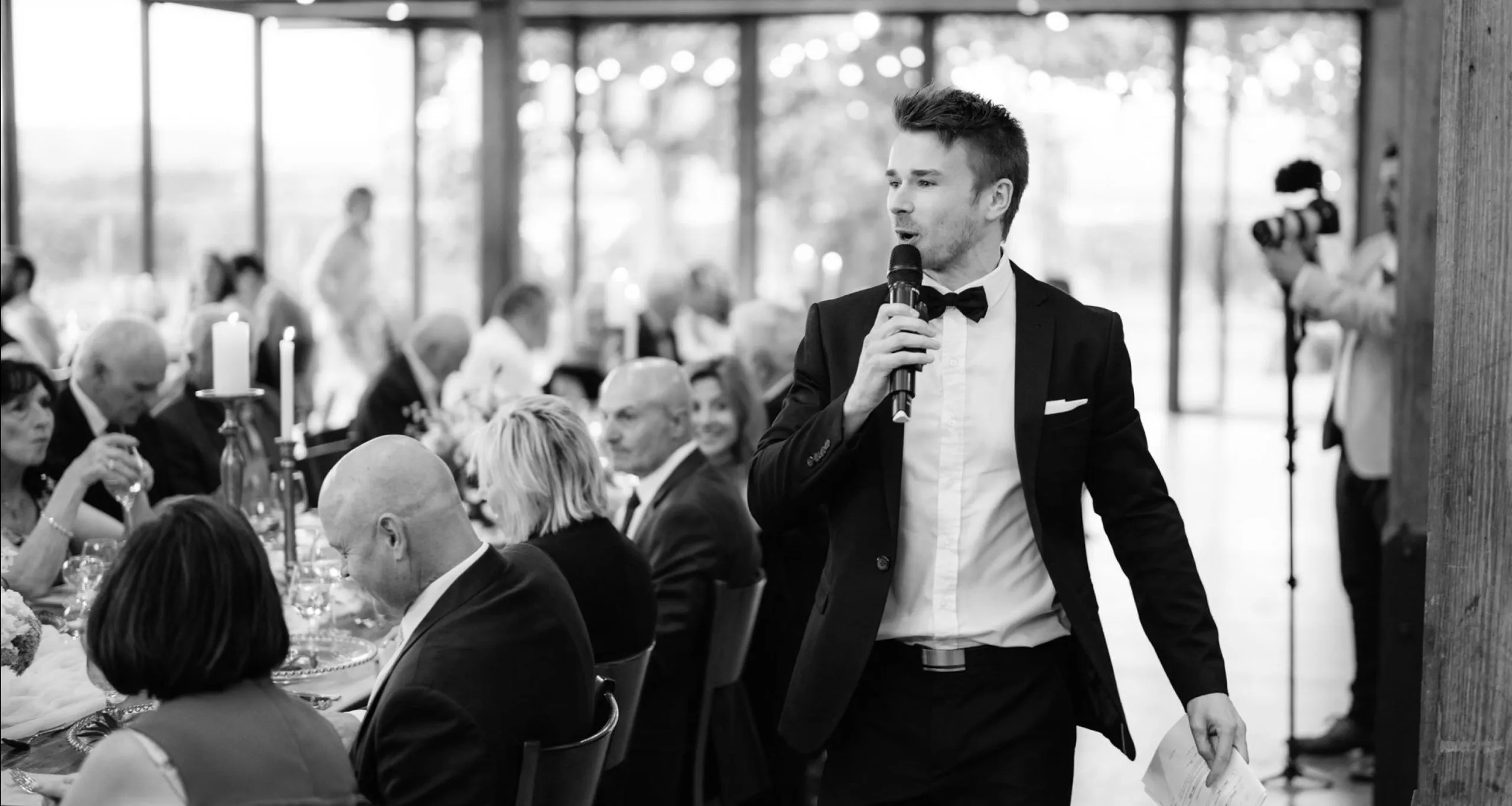

Grand entrance should happen right when guests are seated. Energy peaks here. Keep it under 10 minutes total.
- Line up bridal party
- Confirm name pronunciation
- Choose upbeat song
- Plan first dance transition
- Keep timing tight
Pro tip: Practice your walk once.
Why it works: Strong openings set the tone.
11. Serve Dinner Courses



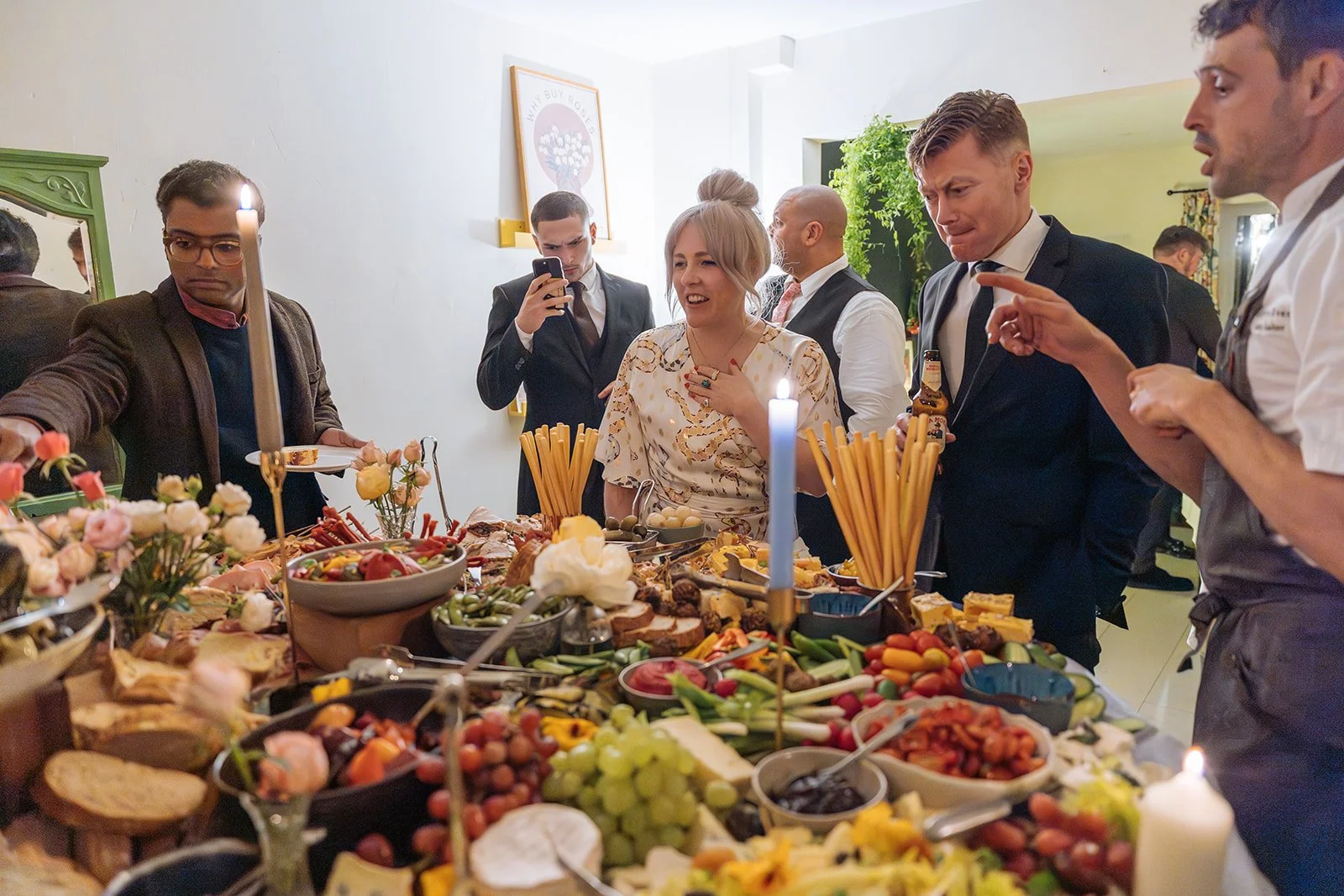
Dinner usually takes 60–90 minutes. Coordinate with caterer. Schedule speeches between courses to avoid cold food.
- Confirm plate count
- Stagger table service
- Keep water glasses filled
- Announce menu briefly
- Track timing with planner
Pro tip: Eat. Even if it’s quick.
Why it works: Balanced pacing keeps guests satisfied.
12. Cut Cake on Cue


Cake cutting works best before dancing peaks. This keeps guests present. It takes 10–15 minutes total.
- Pre-slice cake in kitchen
- Have plates ready
- Cue photographer first
- Wipe knife clean
- Smile before feeding
Pro tip: Keep napkins nearby.
Why it works: Clean transitions keep flow smooth.
13. Open Dance Floor

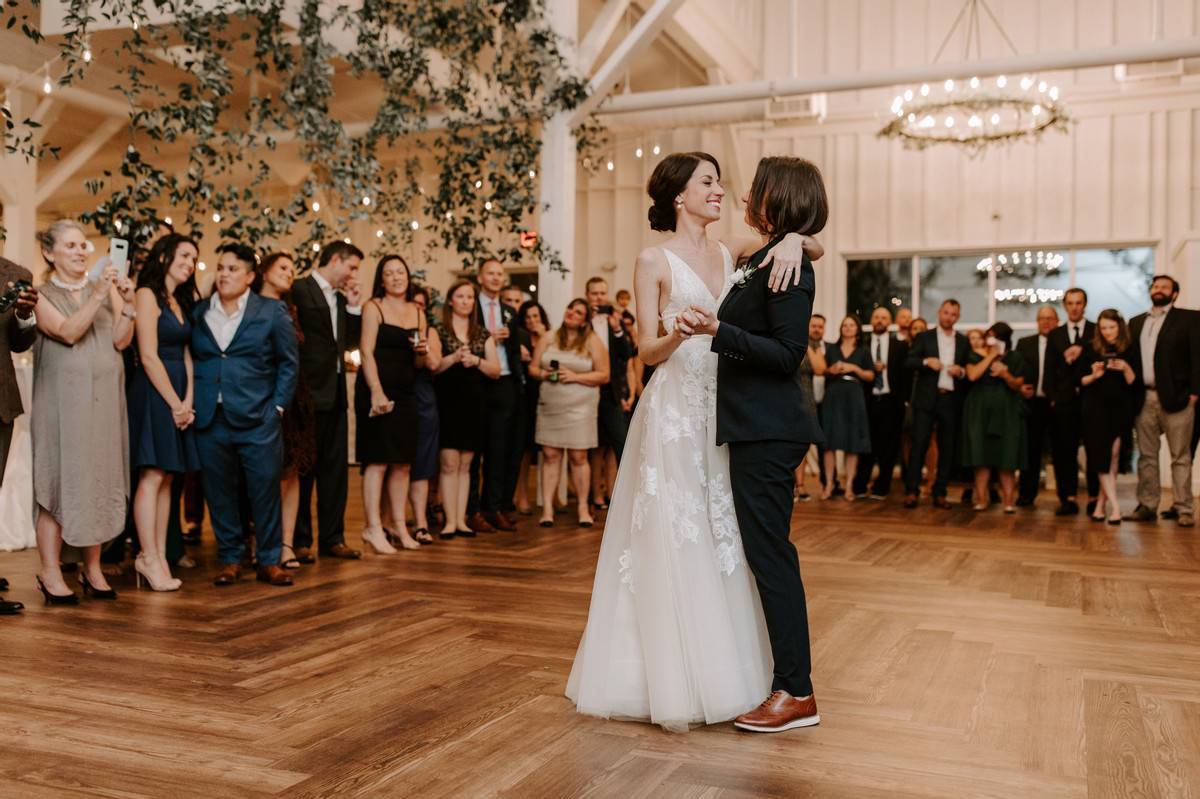

Dance floor opens after first dance. Keep high energy songs early. This builds momentum.
- Invite guests clearly
- Play crowd favorites
- Keep lighting warm
- Avoid long song gaps
- Monitor energy levels
Pro tip: Start with a group song.
Why it works: Packed floors look amazing in photos.
14. Take Sunset Portraits

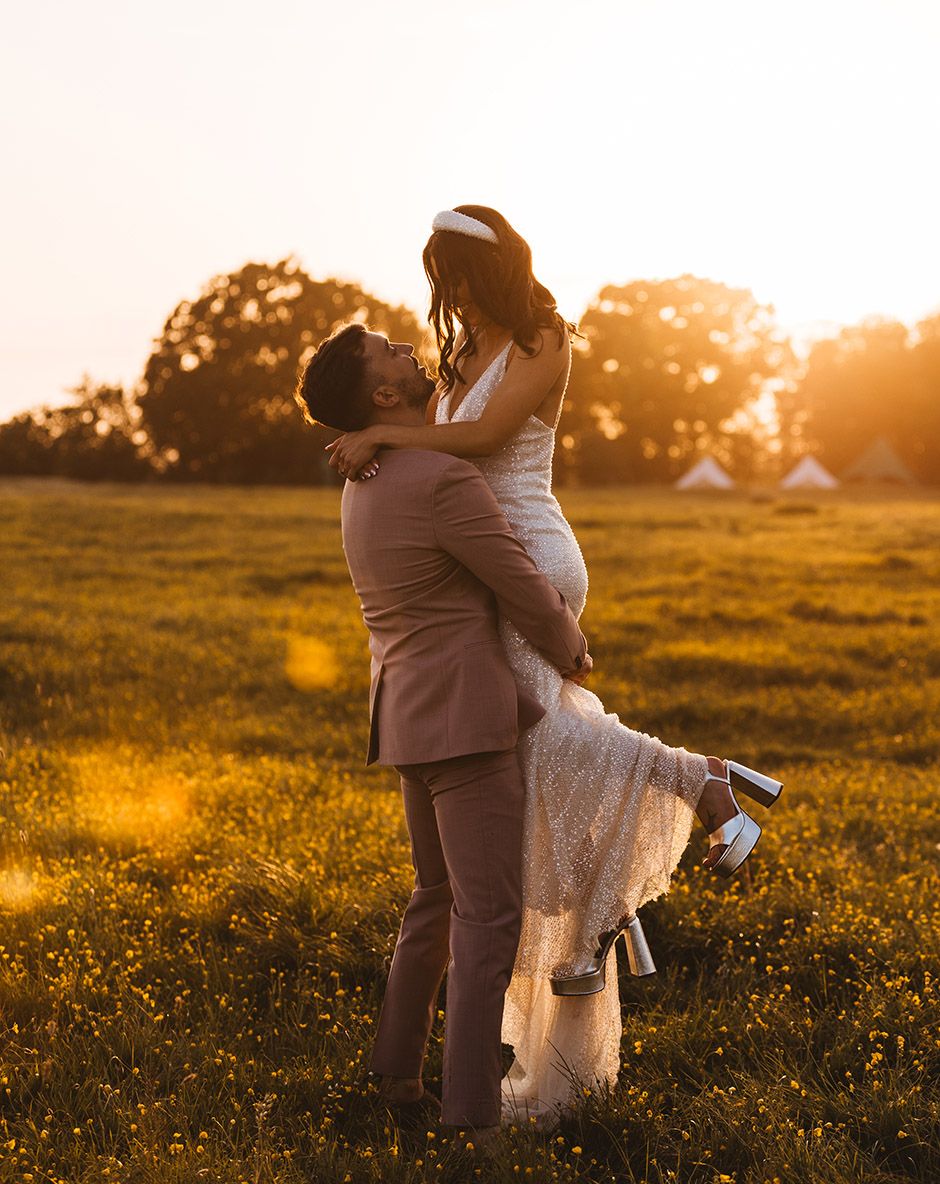


Golden hour lasts 15–20 minutes. Check sunset time on timeanddate.com. Slip away quietly. These are often the most loved photos of the day.
- Alert photographer 30 minutes before
- Bring bouquet
- Walk slowly
- Keep veil secure
- Relax shoulders
Pro tip: Don’t overpose. Just walk.
Why it works: Natural light creates magic.
15. Schedule Speech Order

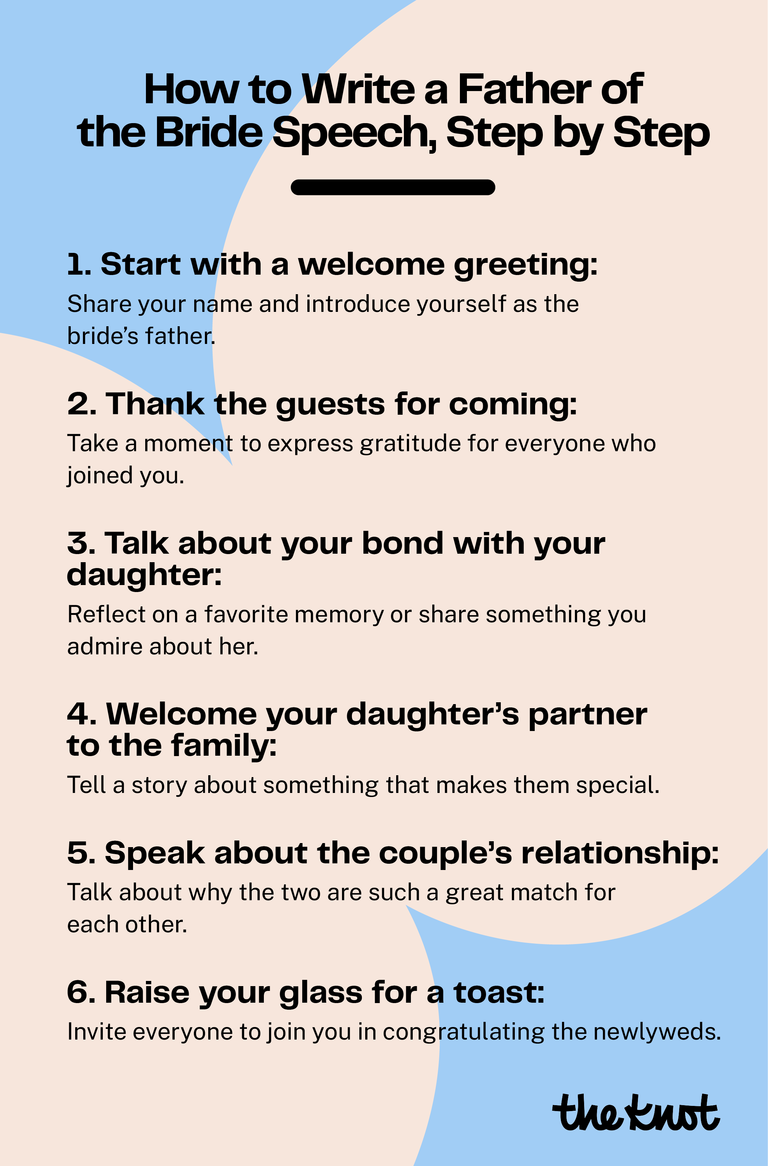
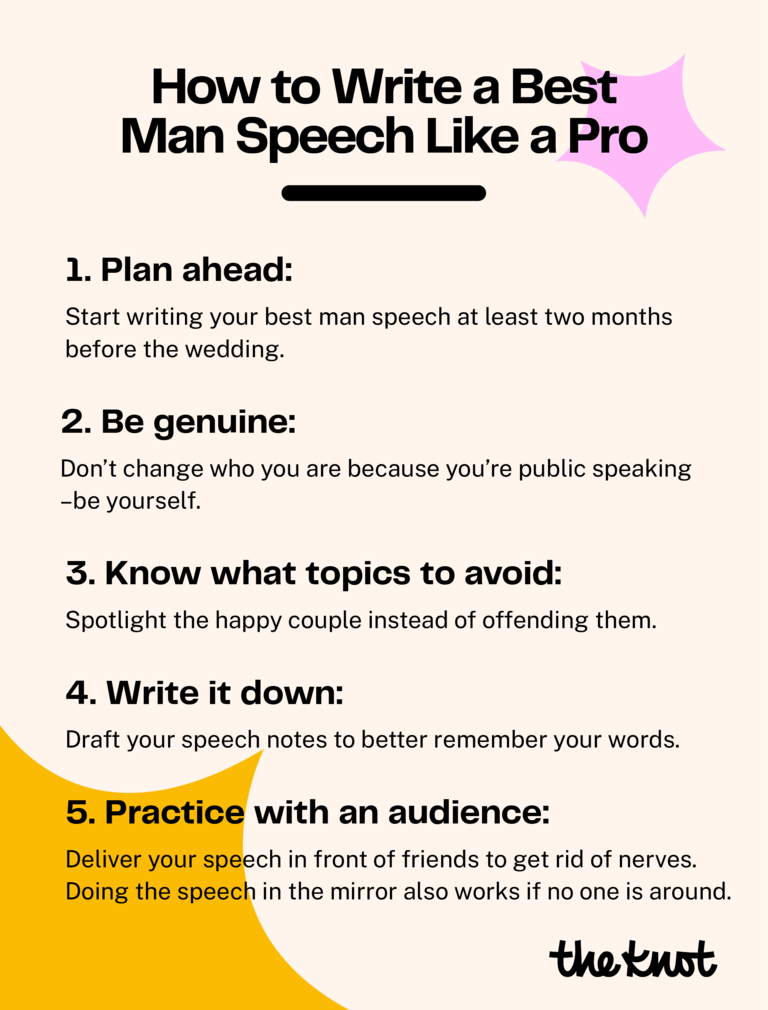
Speeches should last 2–5 minutes each. Too long drains energy. Decide order early.
- Start with welcome
- Keep mic volume steady
- Limit total speakers
- Pause dinner service
- Cue applause
Pro tip: Ask speakers to rehearse.
Why it works: Short speeches hold attention.
16. Plan Sparkler Send Off


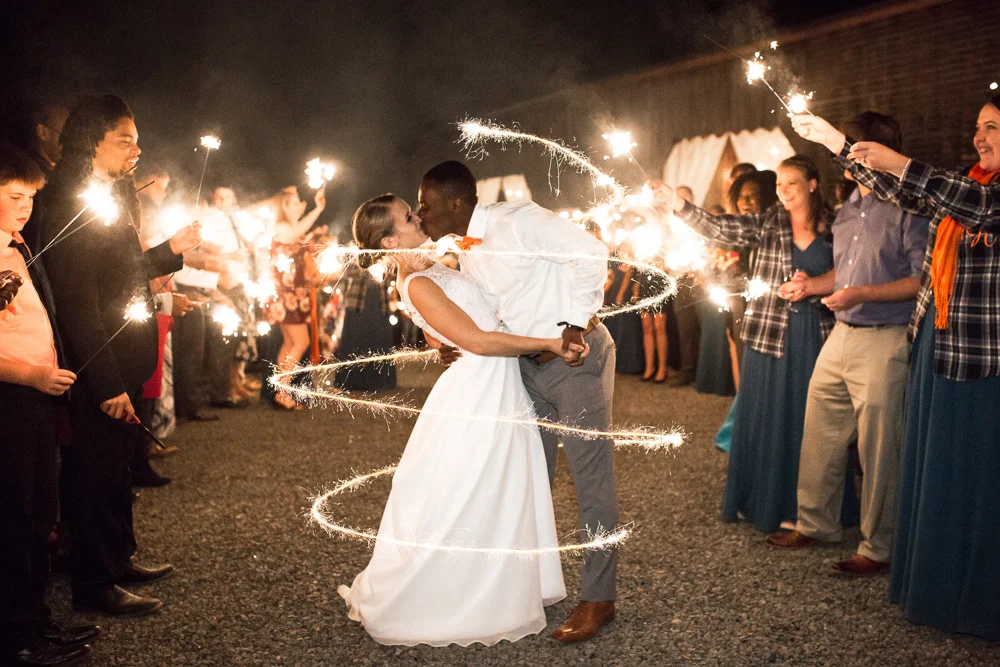

Schedule send off 15 minutes before venue end time. This allows cleanup and hugs.
- Hand out sparklers early
- Assign lighting helpers
- Keep fire safety bucket nearby
- Walk slowly
- Kiss halfway
Pro tip: Use longer sparklers for better photos.
Why it works: Bright exits end the night beautifully.
17. Wrap Vendor Payments


Handle final payments before reception ends. Assign someone you trust. Keep envelopes labeled.
- Prepare tips in advance
- Confirm balances one week before
- Assign trusted person
- Collect personal items
- Double-check venue checkout time
Pro tip: Store receipts in one folder.
Why it works: Closing tasks calmly avoids next-day stress.
Easy Errors to Avoid
- Starting hair too late
- Overloading speech time
- Skipping buffer gaps
- Forgetting vendor meals
- Ending reception too early
FAQs
How do you build a wedding day schedule?
Start with ceremony time. Work backward for prep. Work forward for reception. Add buffer between big events.
How long should each event last?
Ceremony: 20–40 min.
Cocktail hour: 60 min.
Dinner: 60–90 min.
Dancing: 2–3 hours.
Sample hourly wedding timeline?
9 AM prep
1 PM first look
4 PM ceremony
5 PM cocktail
6 PM dinner
8 PM dancing
10:30 PM exit
When should photos start?
3–4 hours before ceremony for full coverage.
How late should reception end?
Most end between 10 PM and 12 AM depending on venue rules.
Final Thoughts
A well-built wedding day timeline protects your joy. It gives space to breathe. It keeps vendors aligned. Most of all, it lets you stay present.
If you’re still planning details, explore more wedding planning help here: /wedding-planning.
Plan smart. Leave room for emotion. And let the day unfold beautifully.