


Wedding Ceremony Checklist (Complete Guide)
Planning a wedding ceremony feels exciting — and a little overwhelming. This checklist keeps everything calm, organized, and beautiful. Think of it as your step-by-step guide to make sure nothing important gets missed. Each part below helps you stay relaxed, avoid last-minute stress, and create a smooth ceremony your guests will remember for years.
1. Confirm Ceremony Venue Details


Before anything else, confirm every detail with your venue. Check timing, access hours, decorations allowed, and backup plans for weather. Couples often assume these things are included, but small misunderstandings can cause stress later. A quick final call or email keeps everything clear and avoids surprises on the wedding day.
- Confirm ceremony start and end time
- Ask about setup and cleanup rules
- Check power outlets for music and sound
- Confirm changing or waiting areas
- Ask about rain or indoor backup plan
Pro tip: Get everything in writing to avoid confusion.
Why it works: Clear expectations mean fewer last-minute problems.
2. Book Licensed Officiant
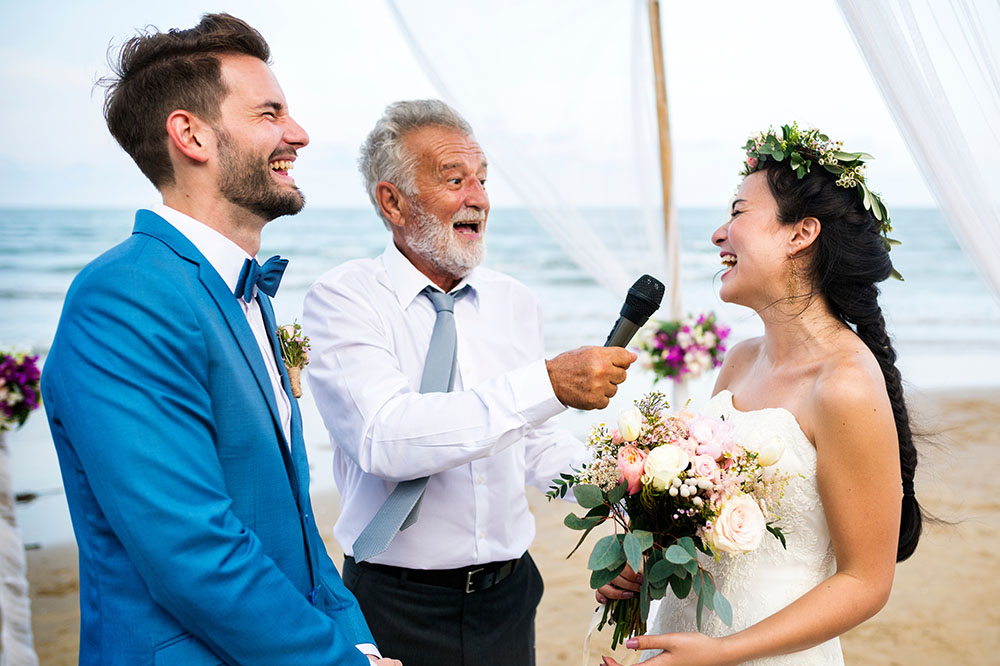

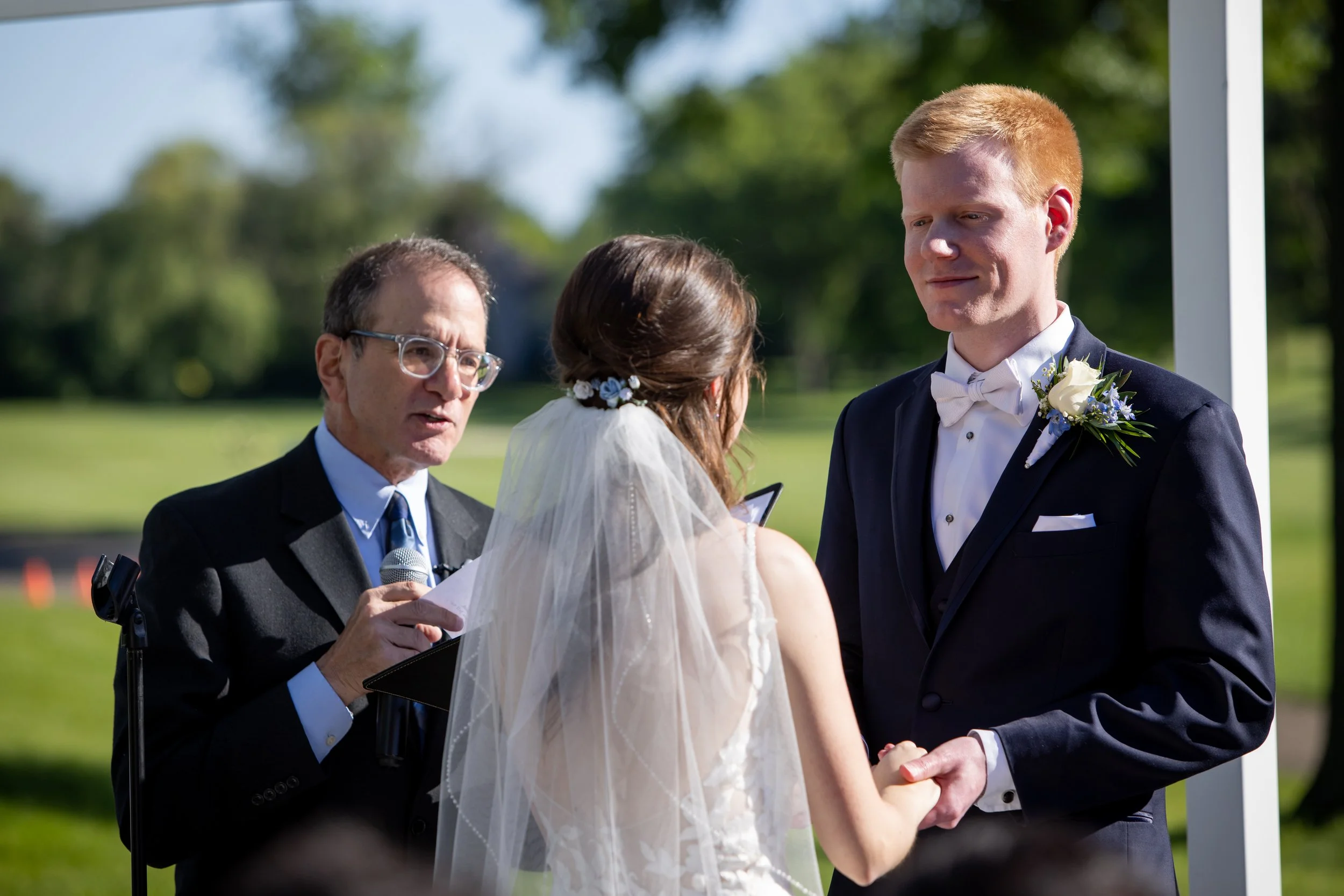

Your officiant sets the tone of the ceremony. Choose someone whose style matches your personality — warm, formal, spiritual, or relaxed. Meet early so they understand your story and preferences. Booking early also helps you secure someone experienced instead of rushing close to the date.
- Verify legal license requirements
- Discuss ceremony style and length
- Share your love story or background
- Ask about customization options
- Confirm arrival time and fee
Pro tip: Schedule one relaxed conversation beyond formal planning.
Why it works: Personal connection makes the ceremony feel natural.
3. Outline Ceremony Order Script


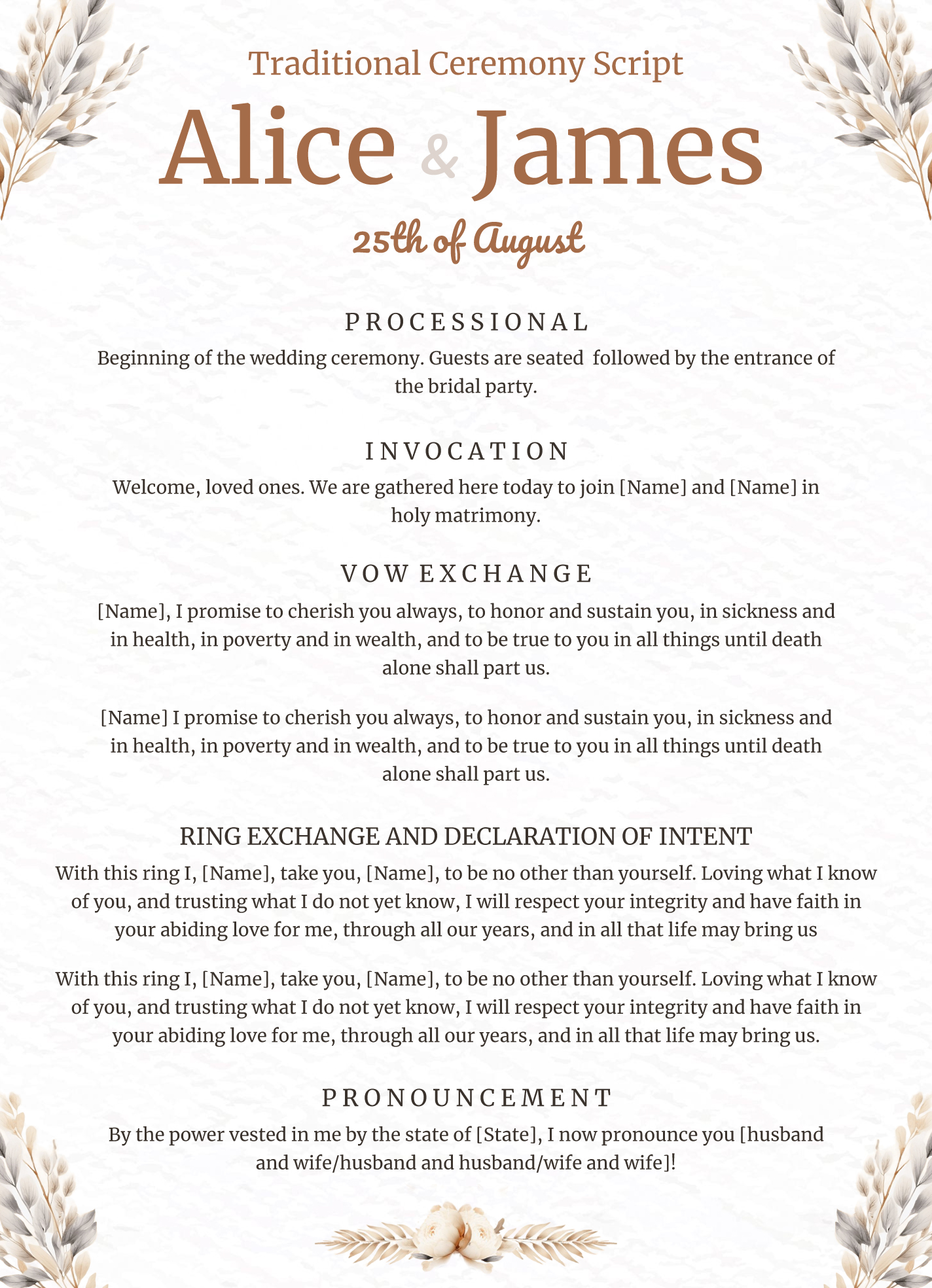
A clear ceremony script keeps everything flowing smoothly. The script should include welcome words, readings, vows, ring exchange, and pronouncement. Even simple ceremonies benefit from structure. When everyone knows the sequence, transitions look calm and professional instead of awkward.
- List each ceremony moment in order
- Decide who speaks and when
- Add readings or personal touches
- Confirm timing for each section
- Share script with officiant and planner
Pro tip: Keep wording simple and meaningful.
Why it works: Simple scripts feel emotional, not forced.
4. Plan Processional Lineup

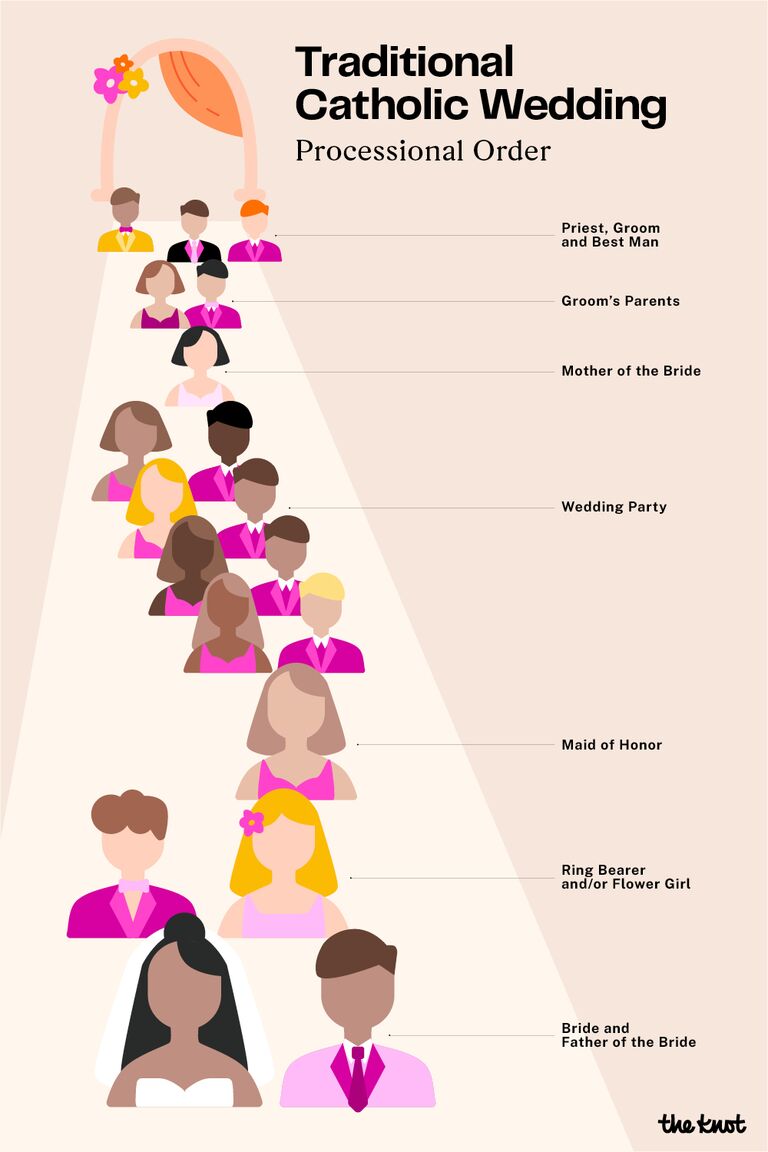


The processional creates the first emotional moment. Decide who walks first, who walks together, and where each person stands. Practice spacing so photos look balanced. A planned lineup avoids confusion, especially when families or wedding parties are large.
- Decide order for family and wedding party
- Pair bridesmaids and groomsmen if needed
- Choose walking pace and music timing
- Confirm where everyone stands
- Explain plan clearly to participants
Pro tip: Keep the lineup easy to remember.
Why it works: Less confusion means smoother entrances.
5. Write Personal Vow Drafts


Personal vows make ceremonies unforgettable. Start early so you can revise without pressure. Focus on promises and real moments instead of trying to sound perfect. Short, honest vows often feel more powerful than long speeches. If writing feels hard, begin with why you chose your partner.
- Write first draft without editing
- Keep vows under two minutes each
- Include one memory and one promise
- Practice reading aloud slowly
- Print or write neatly for the ceremony
Pro tip: Keep a backup copy with your planner.
Why it works: Emotional moments stay calm when you feel prepared.
6. Schedule Rehearsal Walkthrough


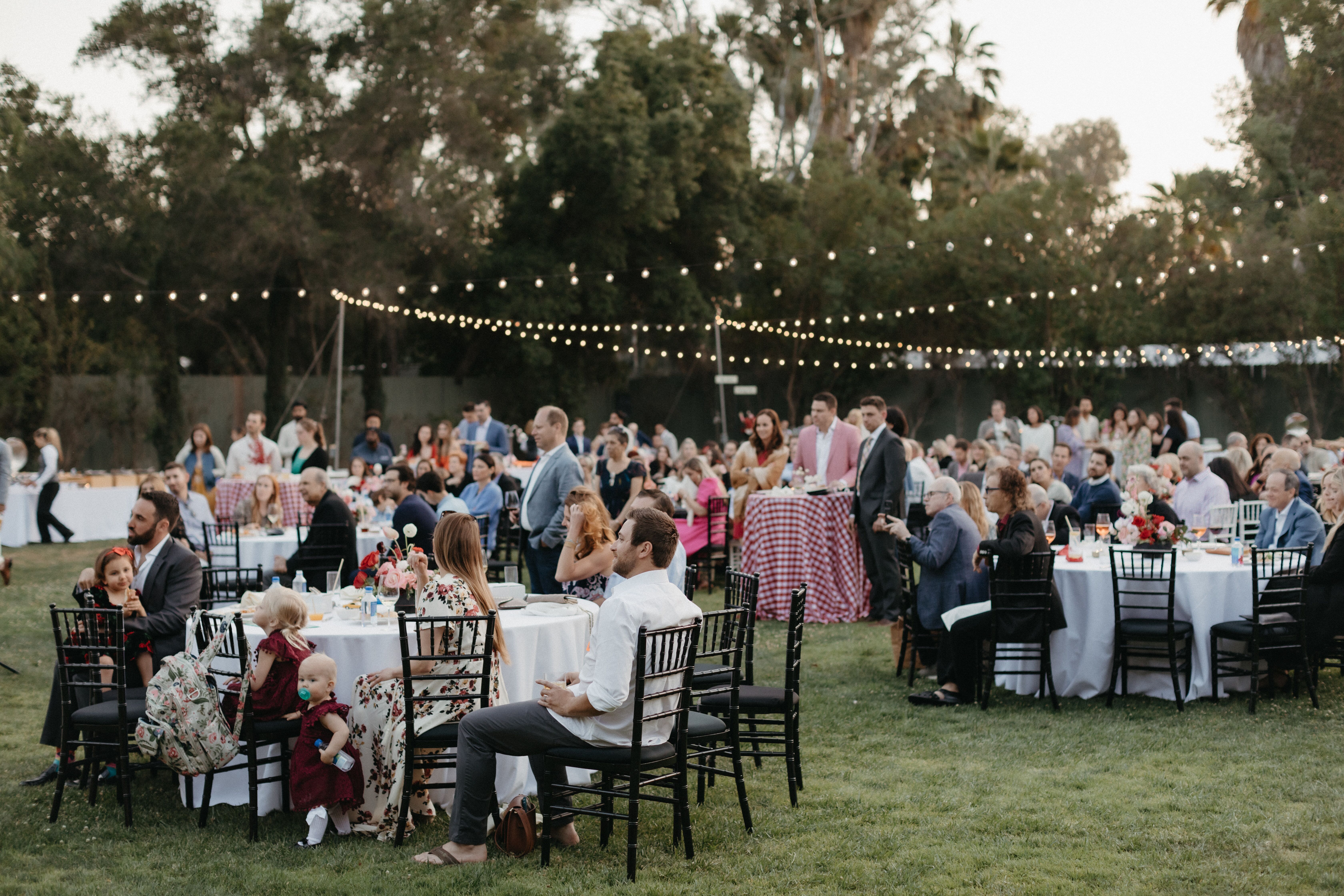

A rehearsal removes stress from ceremony day. Walk through entrances, standing positions, and exits. Even a simple 30-minute practice helps everyone feel comfortable. This is also the perfect moment to align timing with your day timeline so everything flows naturally.
- Schedule rehearsal 1–2 days before
- Include officiant and key family members
- Practice walking speed and spacing
- Confirm music cues briefly
- Review where guests will sit
Pro tip: Keep rehearsal relaxed and light.
Why it works: A calm practice builds confidence for everyone.
7. Finalize Music Cue List
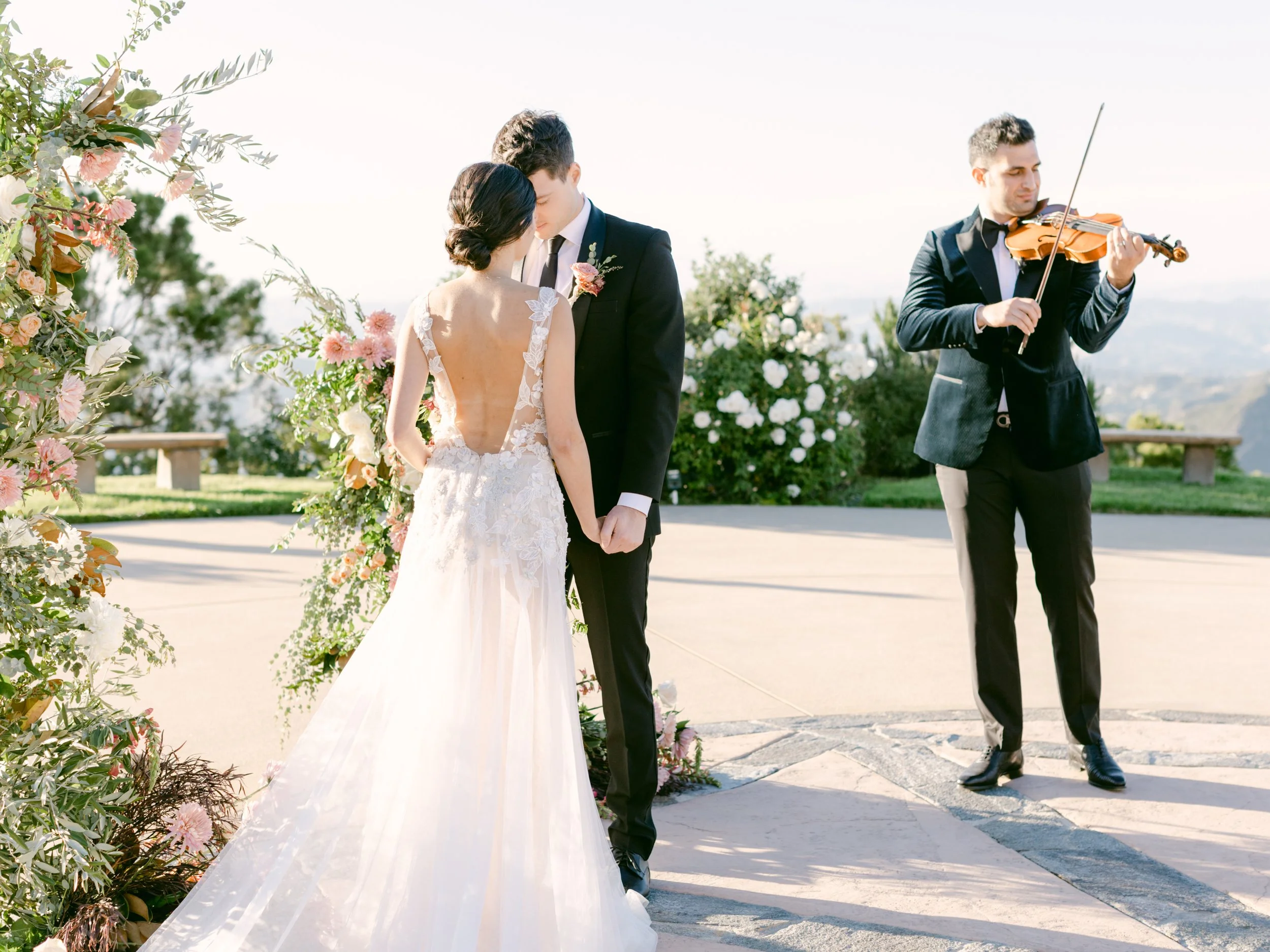



Music controls emotion and pacing. Create clear cues for entrances, vows, signing, and recessional. Share this list with your DJ or musicians early. Label every song clearly so there’s no hesitation during the ceremony.
- Choose songs for each key moment
- Provide exact start points if needed
- Confirm speaker or live setup
- Test sound levels at venue
- Keep one backup playlist ready
Pro tip: Avoid songs that are too long for walking.
Why it works: Correct timing keeps energy flowing beautifully.
8. Confirm Seating Arrangement Flow


Guest seating affects both comfort and photos. Decide who sits in front rows and how ushers guide guests. Symmetrical seating often looks best in pictures. Clear planning also prevents awkward moments where guests are unsure where to sit.
- Reserve front seats for close family
- Plan aisle width for comfortable walking
- Assign ushers or helpers
- Add clear reserved signs
- Leave space for late arrivals
Pro tip: Consider sun direction for outdoor ceremonies.
Why it works: Comfortable guests stay focused on the moment.
9. Prepare Unity Ceremony Elements


If you’re adding a unity ritual, prepare everything ahead of time. Candles, sand, or symbolic items need stable placement and easy access. This small detail adds deep meaning when done smoothly. It also creates beautiful visual moments guests love.
- Choose meaningful unity ritual
- Test setup for stability
- Place items at easy reach
- Assign someone to prepare table
- Confirm timing within script
Pro tip: Keep the setup simple and uncluttered.
Why it works: Clean visuals feel more elegant and emotional.
10. Print Ceremony Program Cards


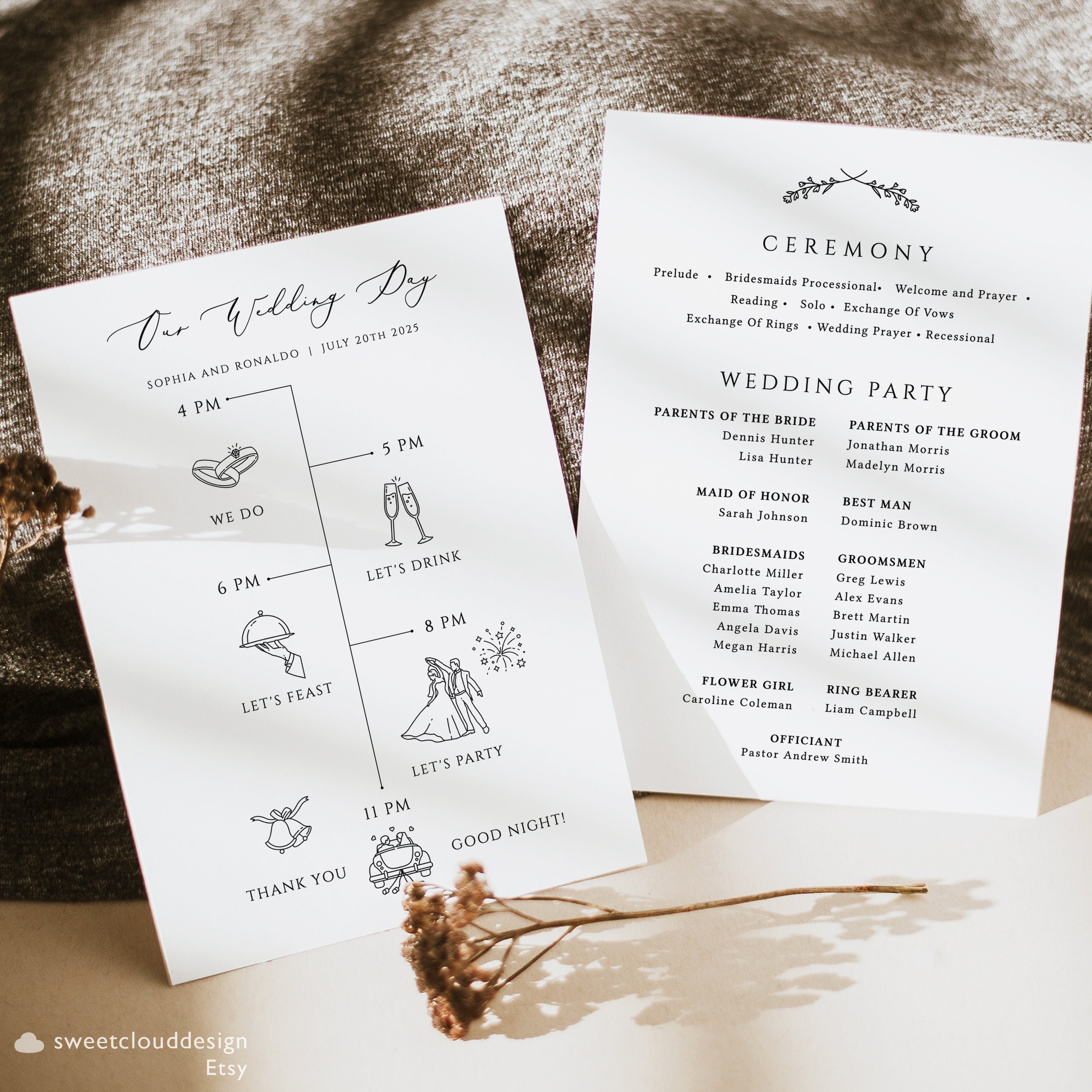
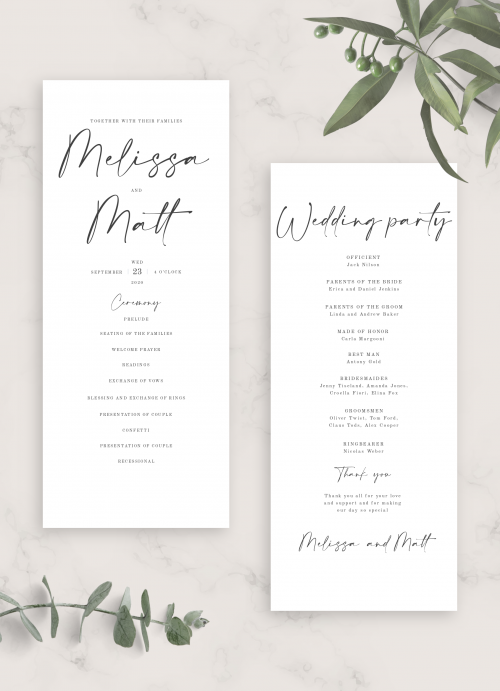
Program cards help guests follow along and add a polished touch. Include order of events, names, and any special notes. Keep design readable and aligned with your wedding aesthetic. This is also a good chance to match your ceremony style with wedding ceremony decor ideas.
- Include short ceremony timeline
- Add names and roles
- Mention readings or songs
- Keep font easy to read
- Print extras for safety
Pro tip: Use thicker paper for a premium feel.
Why it works: Guests feel more connected when they understand the flow.
11. Arrange Aisle Runner Placement
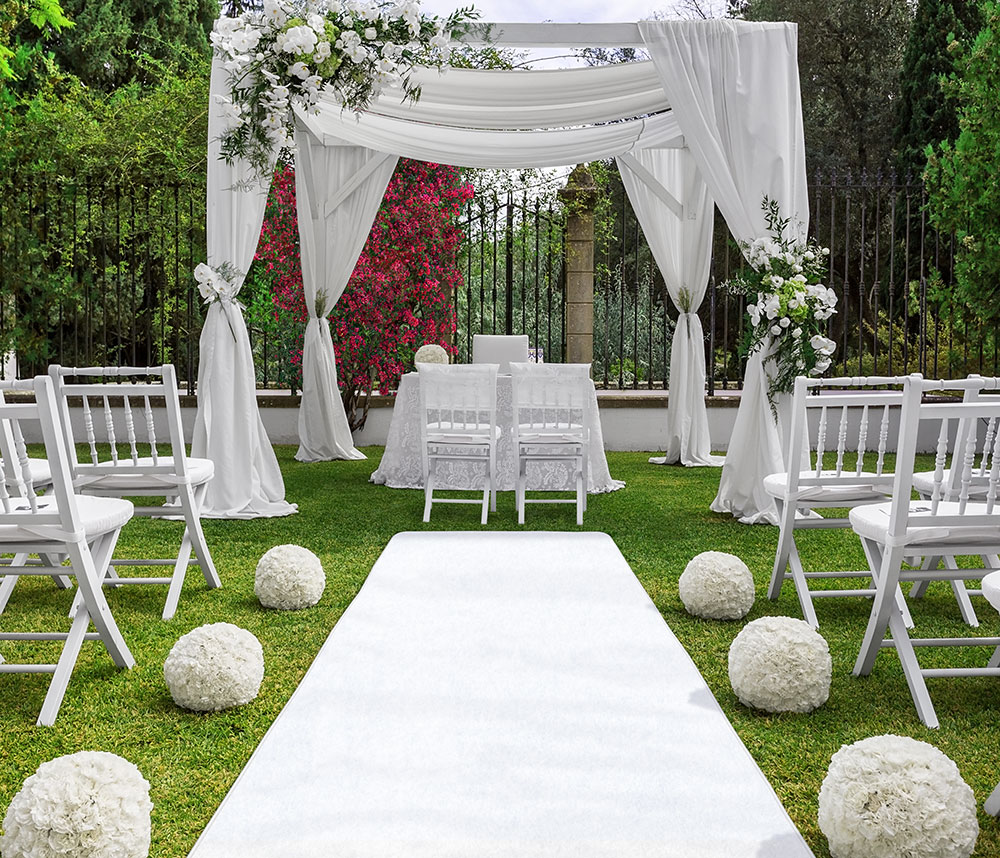


An aisle runner or floral path transforms the ceremony visually. Make sure it lies flat and secure to prevent slipping. If outdoors, check wind and surface conditions. The aisle becomes the focus of photos, so neat placement matters more than expensive materials.
- Measure aisle length correctly
- Secure corners with tape or weights
- Add petals or greenery lightly
- Test walking once before guests arrive
- Confirm cleanup rules with venue
Pro tip: Avoid overly long runners that bunch up.
Why it works: Smooth walking creates graceful movement.
12. Confirm Microphone and Sound Setup


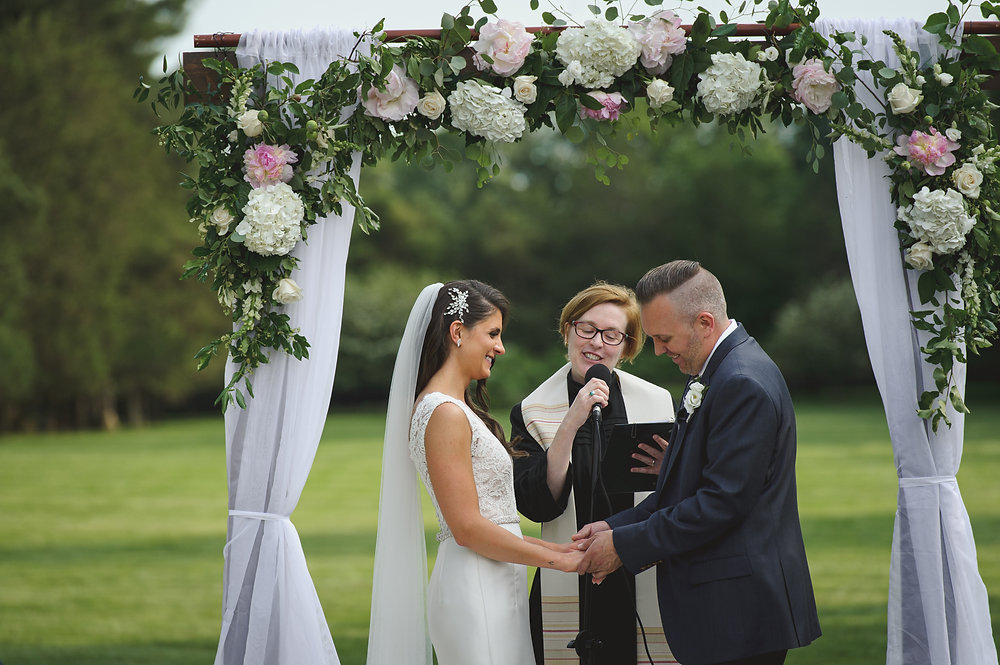

Guests should hear every word clearly. Test microphones before guests arrive and decide who needs one — usually officiant and couple. Outdoor weddings especially require good sound planning. Check with professionals or use trusted guides like The Knot or Brides for sound setup advice.
- Test microphones with actual speaking voice
- Keep spare batteries ready
- Confirm speaker positioning
- Reduce background noise sources
- Assign someone to monitor sound
Pro tip: Use wireless mics to allow natural movement.
Why it works: Clear audio keeps everyone emotionally involved.
13. Assign Ceremony Day Helpers

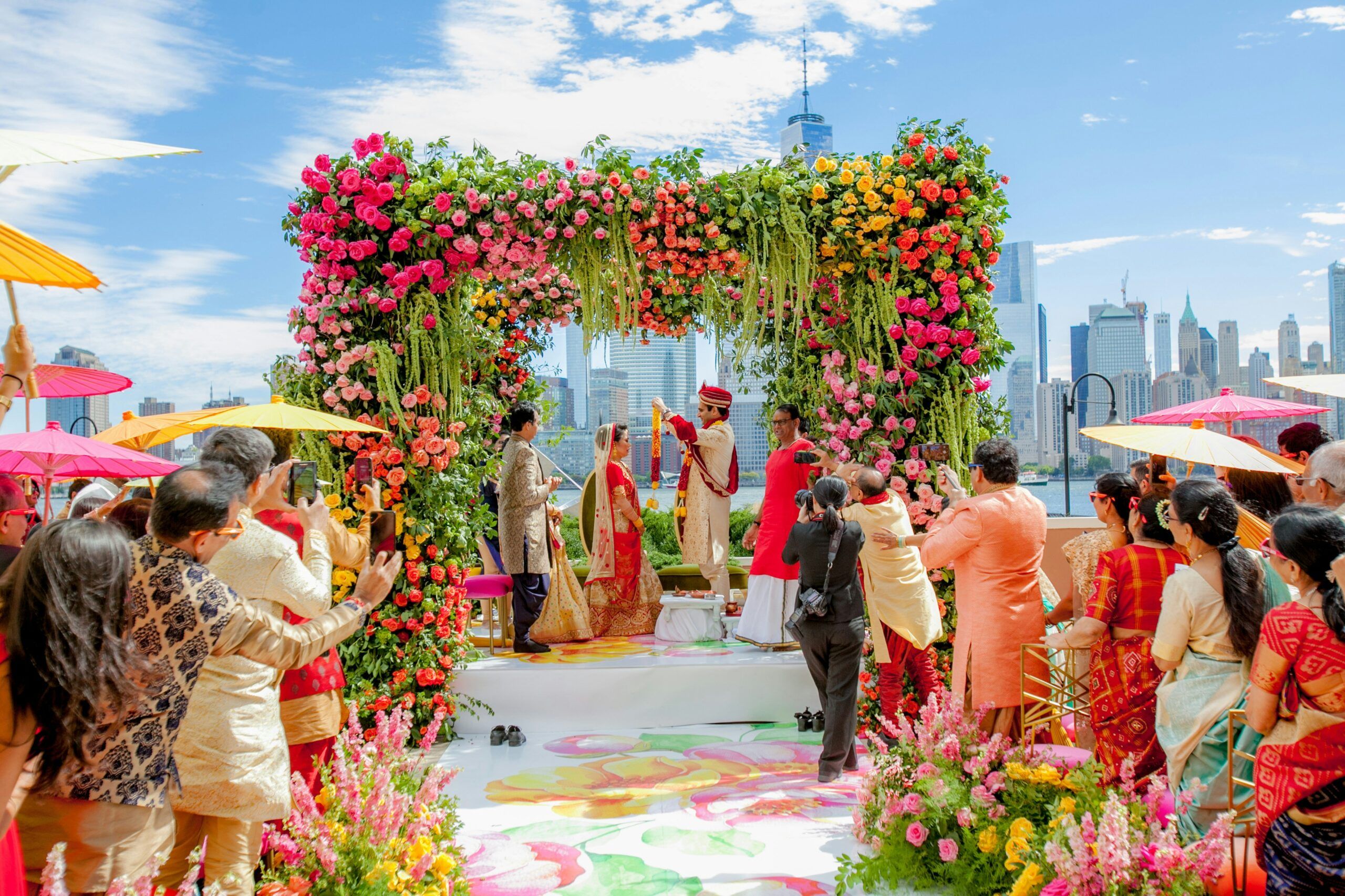


Small tasks add up quickly on ceremony day. Assign trusted people for specific duties like holding bouquets or guiding guests. When responsibilities are clear, you can stay fully present. For officiant coordination, review your officiant guide beforehand.
- Assign one person for guest questions
- Choose someone to cue music
- Ask a friend to hold rings safely
- Assign emergency contact person
- Share schedule with helpers
Pro tip: Pick calm, organized people for helper roles.
Why it works: Supportive helpers reduce your mental load.
14. Double Check Legal Documents
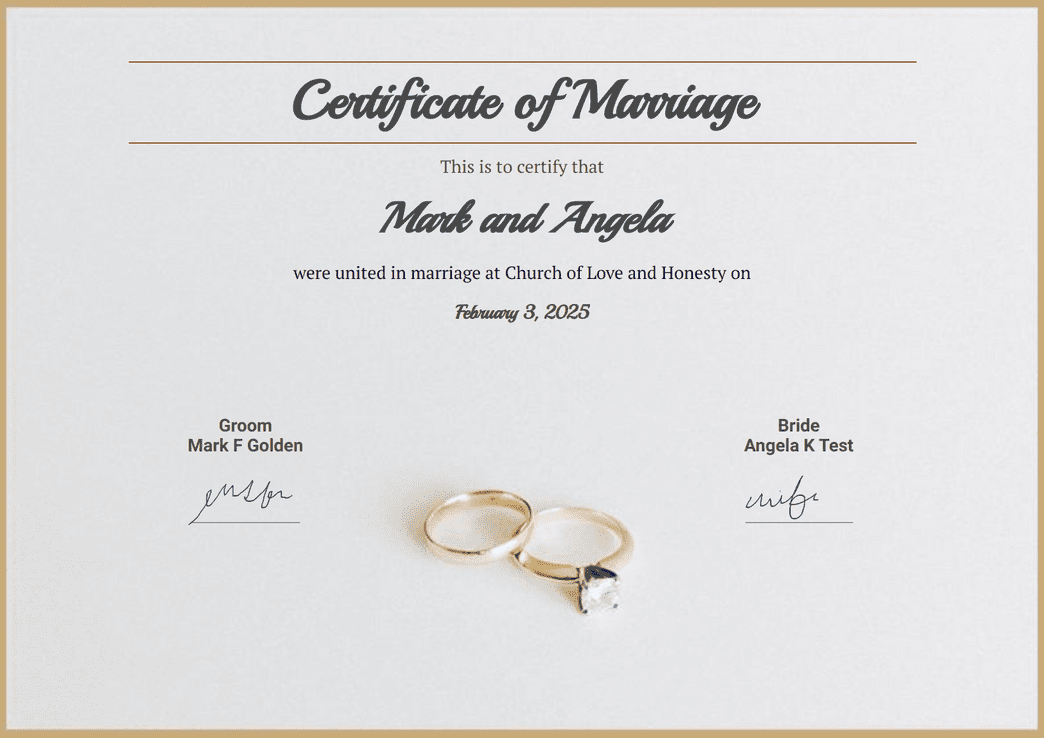

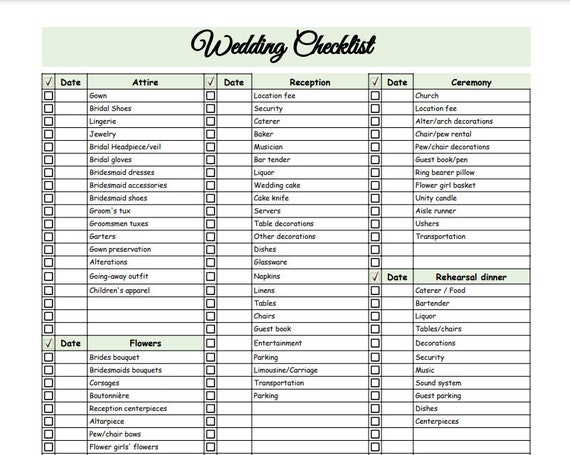
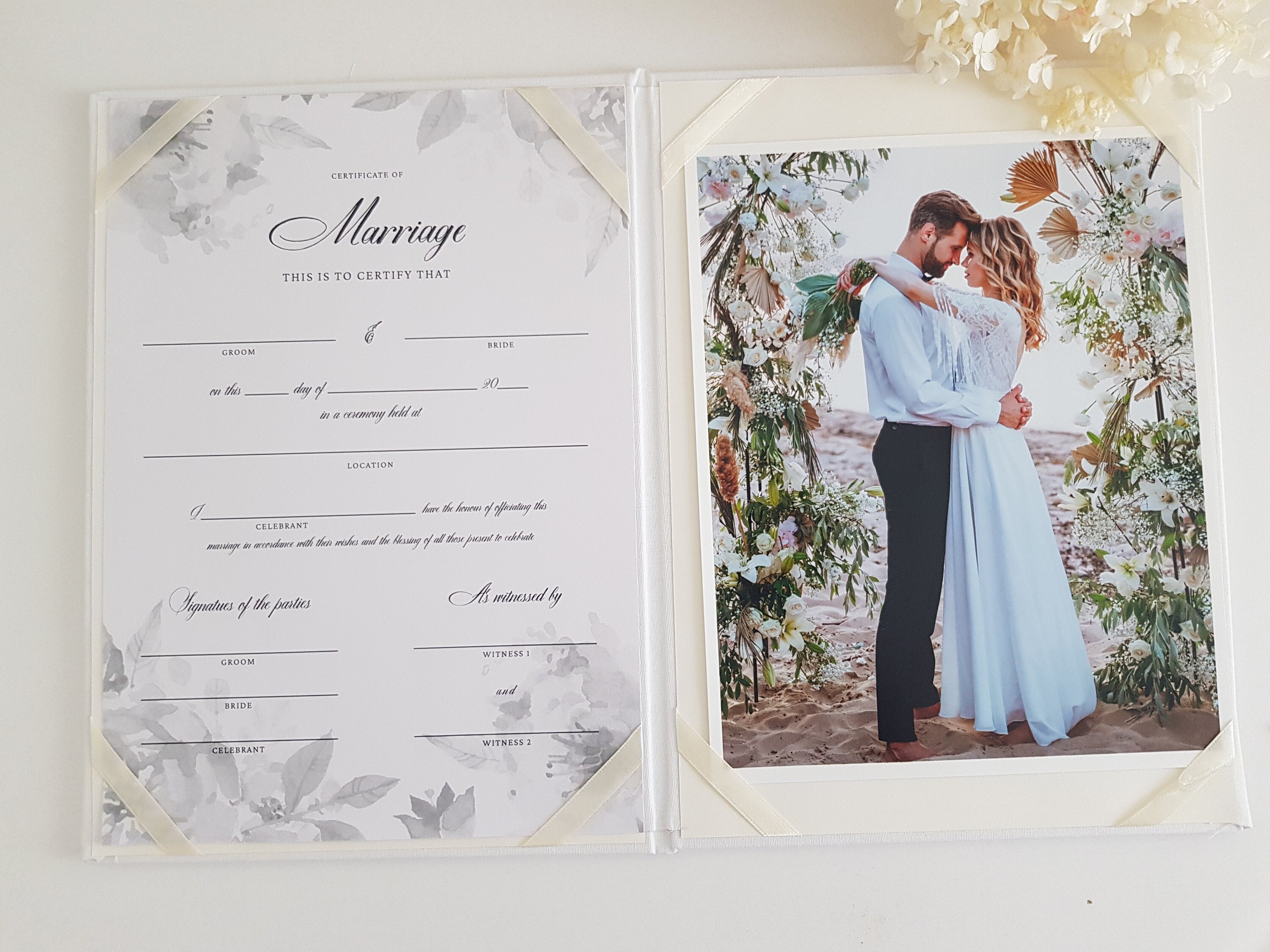
Without legal documents, the ceremony may not be official. Confirm requirements for your location early and bring everything needed. Double-checking prevents stressful mistakes that are hard to fix later. Use trusted sources like government marriage license pages for local rules.
- Bring marriage license and IDs
- Confirm witness requirements
- Check expiration dates
- Decide who carries documents
- Verify signing process with officiant
Pro tip: Keep documents in a labeled folder.
Why it works: Organization removes last-minute panic.
Small Things Couples Often Overlook
- Forgetting to test microphones before guests arrive
- No backup plan for weather or timing changes
- Making vows too long and rushed
- Not assigning someone for guest guidance
- Waiting too late to confirm legal paperwork
FAQs
What should be included in a ceremony checklist?
A strong checklist covers venue details, officiant, script, processional order, vows, music, seating, sound setup, décor elements, helpers, and legal documents. It keeps both emotional and practical details organized.
When should ceremony rehearsal happen?
Usually 1–2 days before the wedding. This gives enough time to fix issues but still keeps everything fresh in everyone’s mind.
Who handles ceremony logistics?
Typically a planner, coordinator, or trusted helper manages logistics. Clear task assignments prevent confusion on the day.
How long should a ceremony last?
Most ceremonies last 20–30 minutes. Shorter ceremonies feel more focused and keep guests engaged.
What documents are needed for ceremony?
You usually need a marriage license, identification, and sometimes witnesses. Always check local legal requirements early.
Conclusion
Your ceremony is the heart of the wedding day — the moment everything becomes real. A simple, organized checklist helps you stay calm and fully enjoy it. Use this guide while planning, adjust it to fit your style, and keep things meaningful instead of complicated. For bigger planning support, explore your full wedding planning guide and build a day that feels truly yours.