


Wedding Flowers Cost Guide: Real Tips to Save Money Without Losing Style
Planning wedding flowers can feel exciting… until you see the prices. Most couples want beautiful blooms but don’t want their budget to disappear on just one day. This guide breaks everything down in a simple, friendly way so you can plan smarter, spend wisely, and still get that dreamy wedding look. You’ll learn pricing tricks, florist insights, and small decisions that save big money — all explained like advice from a friend.
1. Compare Flower Price Ranges


Flower prices vary more than most couples expect. One flower type can cost 5x more than another that looks almost the same in photos. Before choosing designs, compare price ranges by flower category. This keeps expectations realistic and helps you build a flexible plan instead of falling in love with something outside your budget.
- Ask florists for low, mid, and premium flower examples
- Research average flower costs in your area
- Pick colors first, not flower names
- Keep alternatives ready for each bloom
- Compare stem prices instead of bouquet prices
Smart move: Ask for “similar look, lower price” options when discussing inspiration photos.
Reason it helps: You stay focused on the style, not expensive names.
2. Choose In-Season Blooms Wisely


Flowers that naturally grow during your wedding season are cheaper, fresher, and easier to source. Imported or off-season blooms need shipping and special storage, which increases costs fast. Seasonal flowers also look more natural in your photos and match the atmosphere effortlessly.
- Ask your florist for a seasonal flower list
- Choose color themes instead of exact blooms
- Replace off-season flowers with local alternatives
- Mix greenery with seasonal flowers
- Stay open to florist recommendations
Helpful idea: Let your florist design around availability rather than strict requests.
Reason it helps: Seasonal flowers reduce stress and save money automatically.
3. Mix Premium and Filler Flowers


Not every flower in your arrangement needs to be expensive. A simple trick professionals use is mixing premium blooms with filler flowers and greenery. Guests notice the overall look, not each stem. This method creates full, lush designs without premium pricing.
- Use 1–2 statement flowers only
- Add fillers like baby’s breath or carnations
- Include eucalyptus or leafy greens
- Choose volume over rare blooms
- Keep focal flowers in visible spots
Small upgrade: Place premium flowers at the front for photos.
Reason it helps: You get luxury visuals at half the cost.
4. Select Local Flower Suppliers


Local suppliers usually offer fresher flowers and lower delivery costs. Imported flowers include shipping fees and risk of damage. Ask your florist where their flowers come from and whether they work with nearby farms. Local blooms also last longer during outdoor ceremonies and look more vibrant.
- Ask if flowers are locally sourced
- Visit flower markets if possible
- Compare supplier quotes
- Pick hardy local blooms
- Ask about delivery savings
Extra suggestion: Explore ideas from [floral decor ideas] for budget-friendly styling.
Reason it helps: Less transport means lower prices and fresher results.
5. Bundle Bouquet and Centerpiece Orders


Ordering items separately can increase labor and setup charges. Florists often give better pricing when you bundle bouquets, centerpieces, and ceremony flowers together. Bundles also create visual harmony across your wedding styling.
- Ask for full-package pricing
- Match designs across arrangements
- Reuse ceremony flowers at reception
- Keep vase styles consistent
- Combine delivery times
Extra idea: Use ceremony aisle flowers again at the sweetheart table.
Reason it helps: One design plan saves both time and labor costs.
6. Negotiate Bulk Flower Discounts
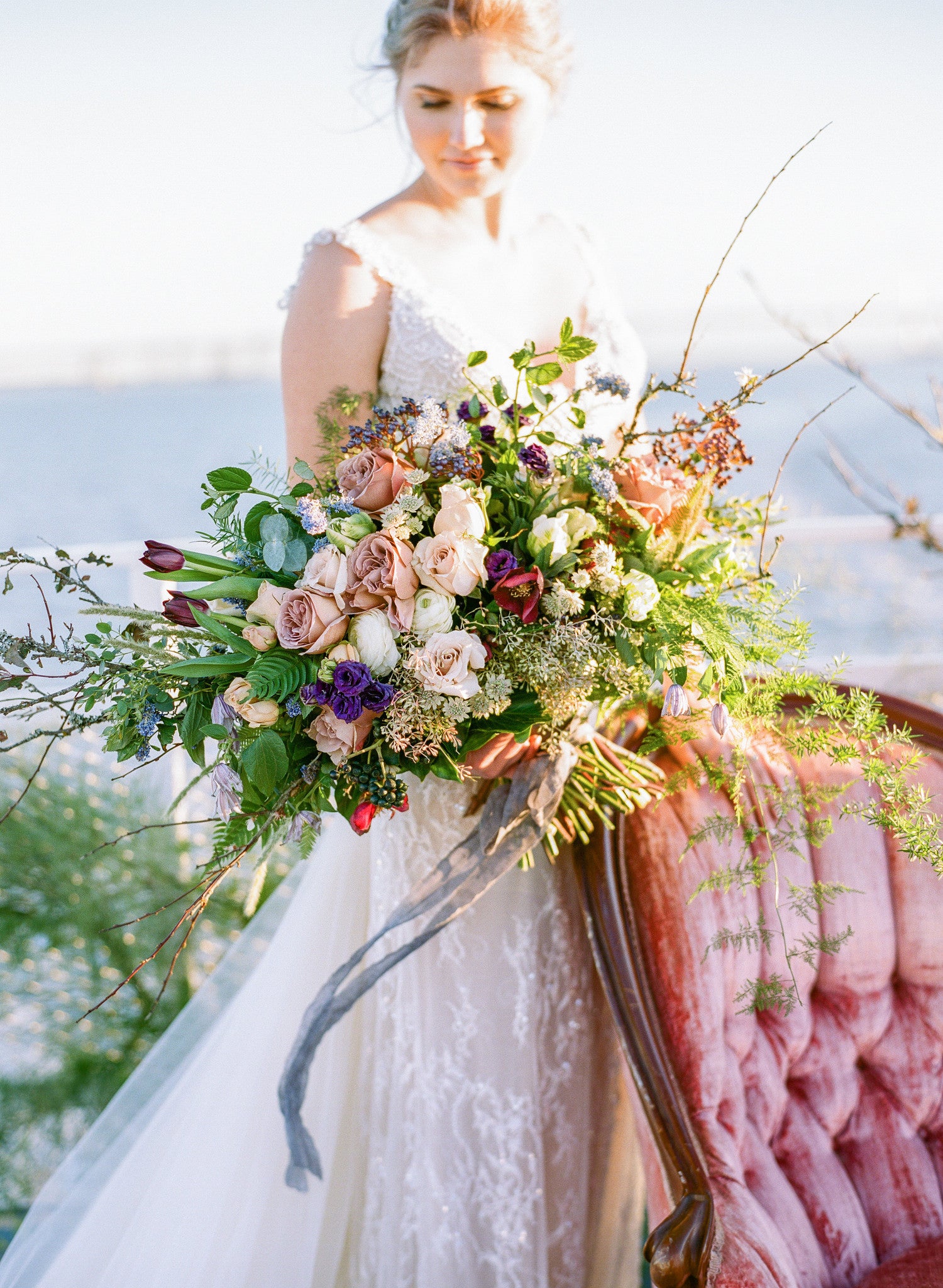


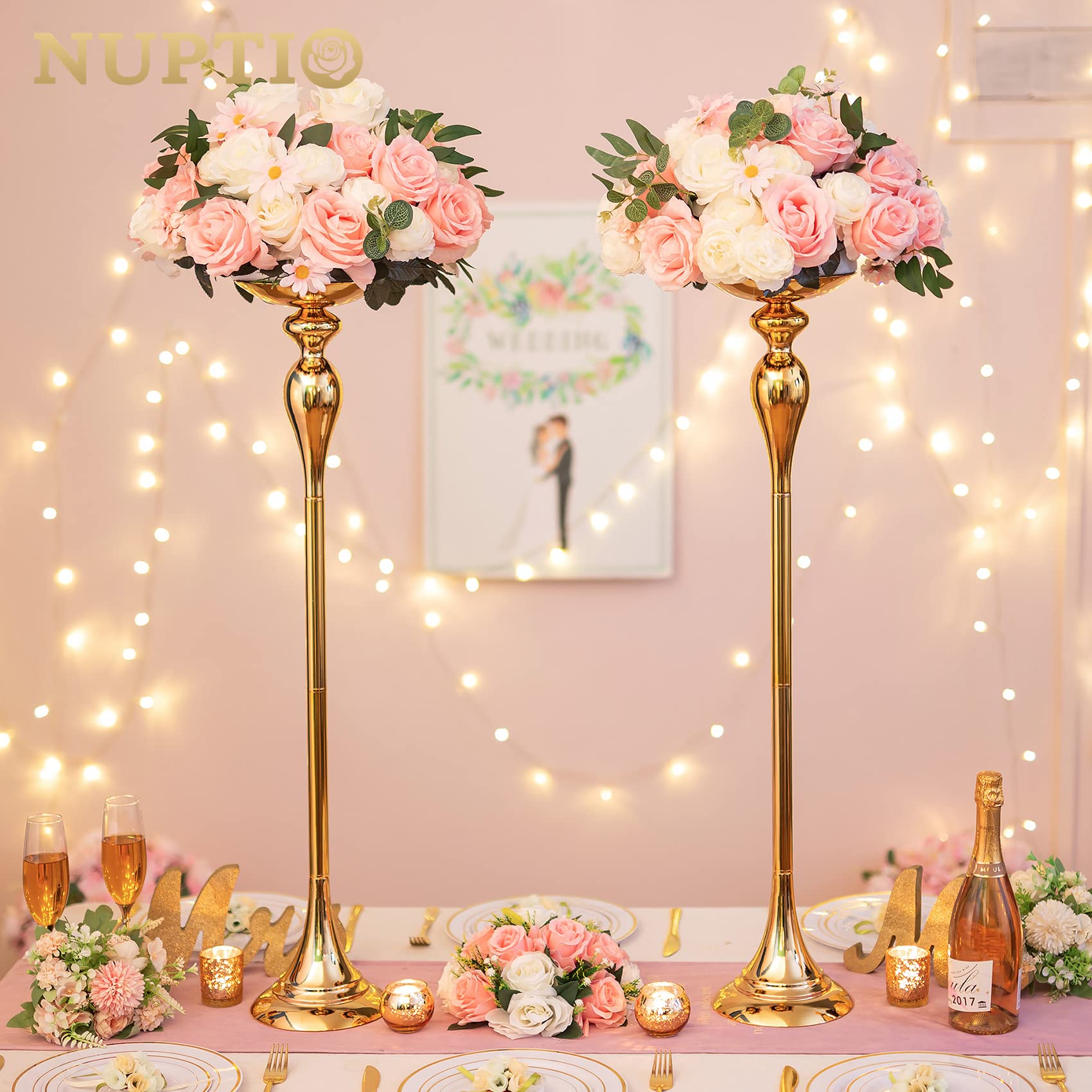
Many couples feel shy about negotiation, but florists expect it. If you are ordering many centerpieces or large floral installations, ask about bulk discounts. The key is being polite and flexible with flower types.
- Ask for volume pricing
- Be open to substitutions
- Reduce stem variety
- Combine similar arrangements
- Confirm discount terms in writing
Small hint: Ask “What can we adjust to lower cost?” instead of asking for discounts directly.
Reason it helps: Collaboration feels easier than bargaining.
7. Replace Imports with Local Blooms


Imported flowers sound romantic but often eat up the budget. Many local flowers give the same soft, romantic style for less. Focus on texture and color instead of brand-name blooms.
- Ask florist for local alternatives
- Choose garden-style arrangements
- Add seasonal wildflowers
- Use greenery for fullness
- Keep color palette simple
Quick suggestion: Look at [ceremony decor] ideas that use natural flowers beautifully.
Reason it helps: Local flowers stretch your budget while keeping style high.
8. Price Bridal Bouquet Separately


Your bridal bouquet is usually the most photographed floral piece. It makes sense to budget for it separately instead of merging it into total costs. This helps you prioritize where detail truly matters.
- Set a separate bouquet budget
- Decide bouquet size early
- Use premium flowers here only
- Keep bridesmaid bouquets simpler
- Reuse bouquet for portraits later
Friendly idea: Spend more on one bouquet, save on the rest.
Reason it helps: Photos look premium without raising total spend.
9. Calculate Centerpiece Stem Counts


Centerpieces can quietly become the biggest expense because you need many of them. Instead of judging by photos, ask your florist how many stems each design uses. Even reducing a few stems per table makes a huge difference.
- Ask for stem count per centerpiece
- Mix tall and low arrangements
- Alternate flower-heavy and greenery tables
- Use candles to fill space
- Choose smaller vases
Smart adjustment: Alternate full centerpieces with minimal ones.
Reason it helps: Guests still see a cohesive design while you cut cost.
10. Compare Silk vs Fresh Flowers


Silk flowers can be a good option for certain parts of your wedding. Fresh flowers look and smell amazing, but silk flowers can be reused or sold later. Many couples mix both without guests even noticing.
- Use silk for arches or backdrops
- Keep fresh flowers for bouquets
- Compare rental vs purchase
- Check quality before buying
- Avoid cheap-looking materials
Nice trick: Blend real greenery with silk flowers for realism.
Reason it helps: You lower costs while keeping a natural look.
11. Estimate Delivery Setup Fees


Delivery and setup charges surprise many couples. Large installations require extra staff and time. Always ask what setup includes so you avoid hidden costs later.
- Confirm delivery distance fees
- Ask about setup labor hours
- Check breakdown or pickup costs
- Combine deliveries when possible
- Clarify timing charges
Extra note: Evening setups often cost more — ask for daytime options.
Reason it helps: Clear planning prevents last-minute surprises.
12. Schedule Floral Mockup Session


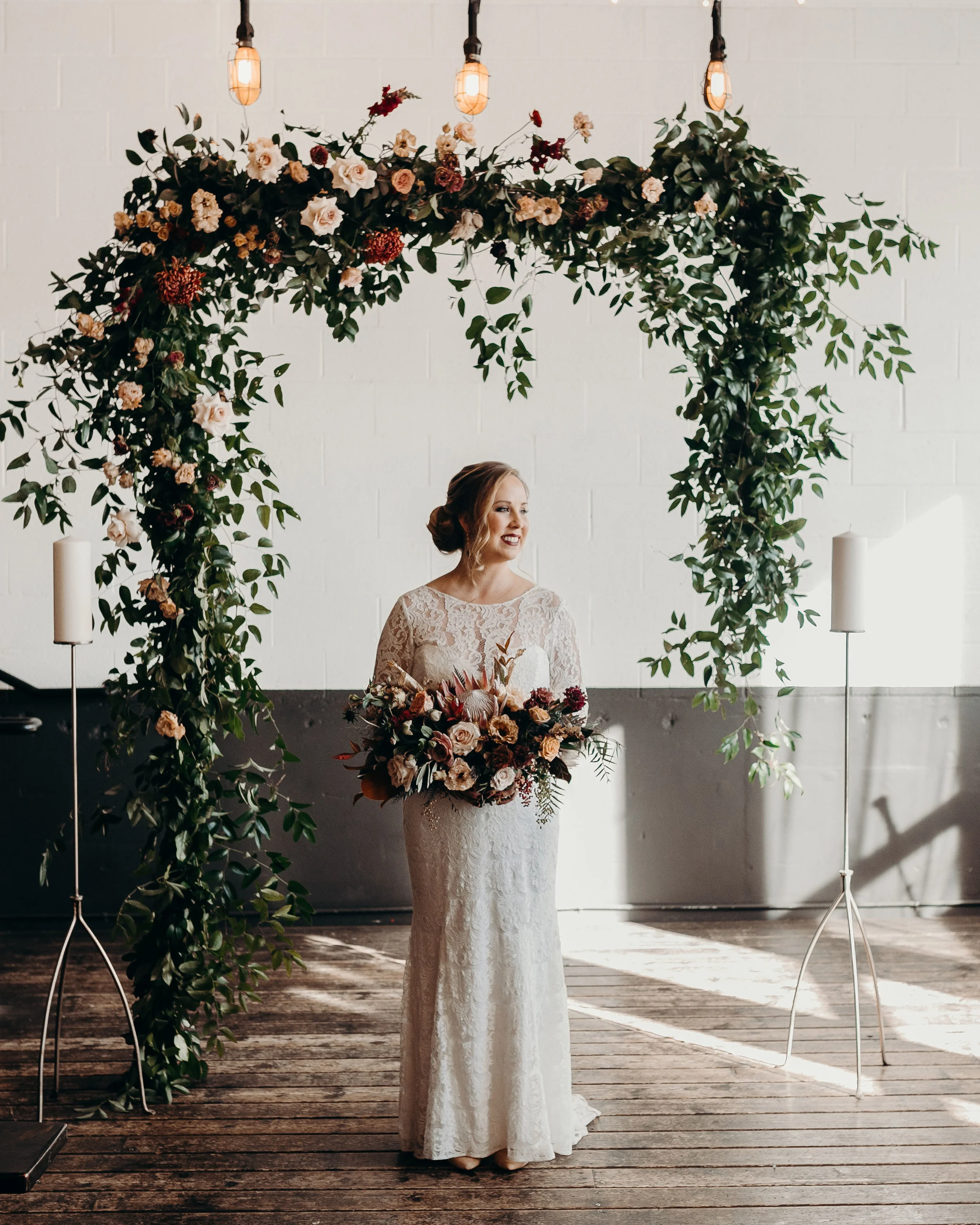
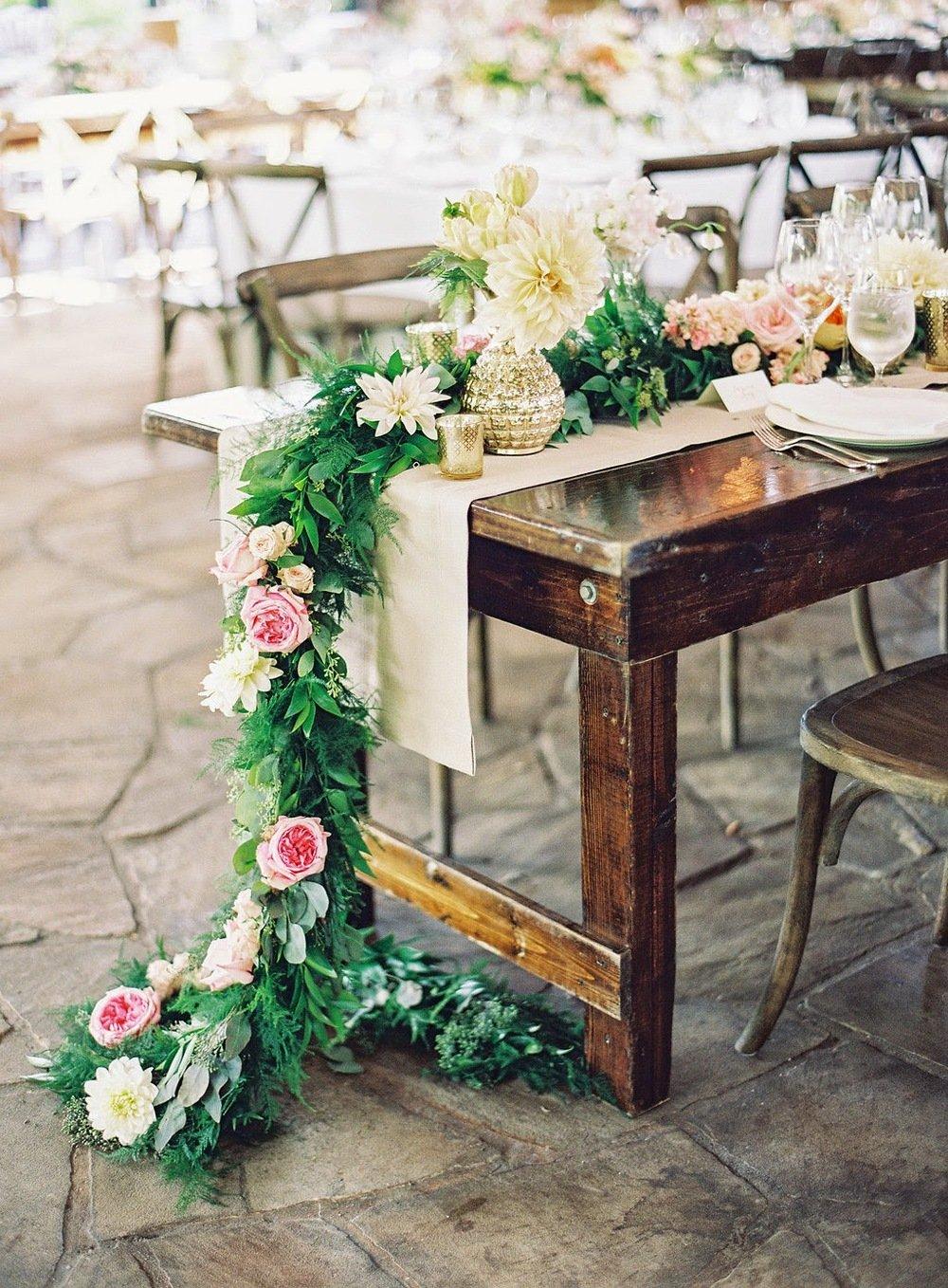
A floral mockup lets you see one real arrangement before the wedding. It helps avoid expensive changes later. You can adjust colors, sizes, and flower mix early instead of paying for redesigns close to the date.
- Request one sample centerpiece
- Test colors under real lighting
- Check vase size on table
- Adjust flower density early
- Take photos for reference
Good move: Bring table linens to the mockup.
Reason it helps: You avoid costly redesign decisions later.
13. Reserve Flower Cooler Storage
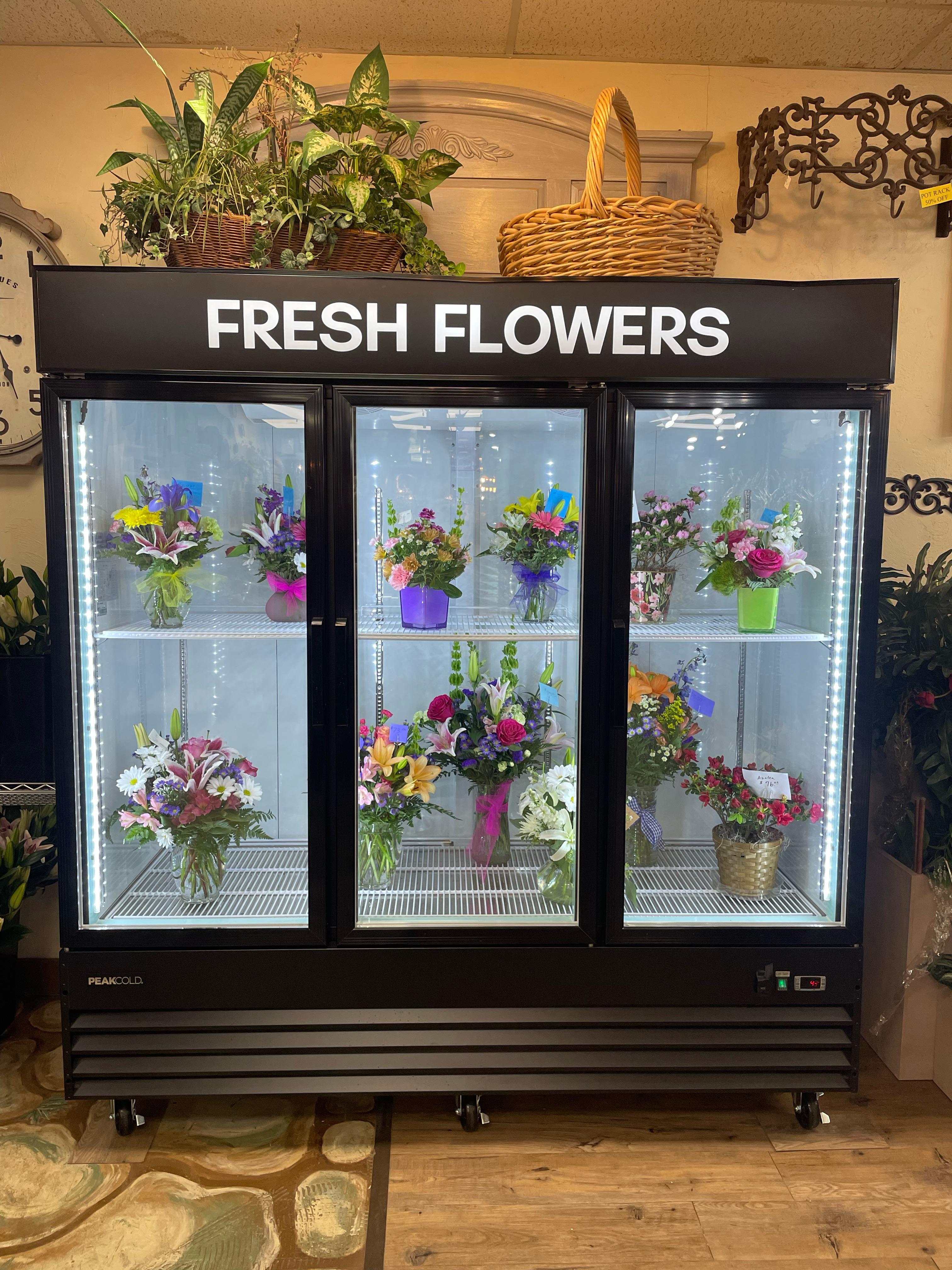


Fresh flowers need proper storage to stay beautiful. Ask your florist if cooler storage is included. Without proper care, flowers wilt fast — especially in warm weather weddings.
- Confirm cooling availability
- Ask storage duration limits
- Avoid early deliveries without cooling
- Keep bouquets hydrated
- Plan pickup timing carefully
Extra reminder: Outdoor weddings need extra cooling attention.
Reason it helps: Fresh flowers last longer and look brighter.
14. Plan Bouquet Preservation Service
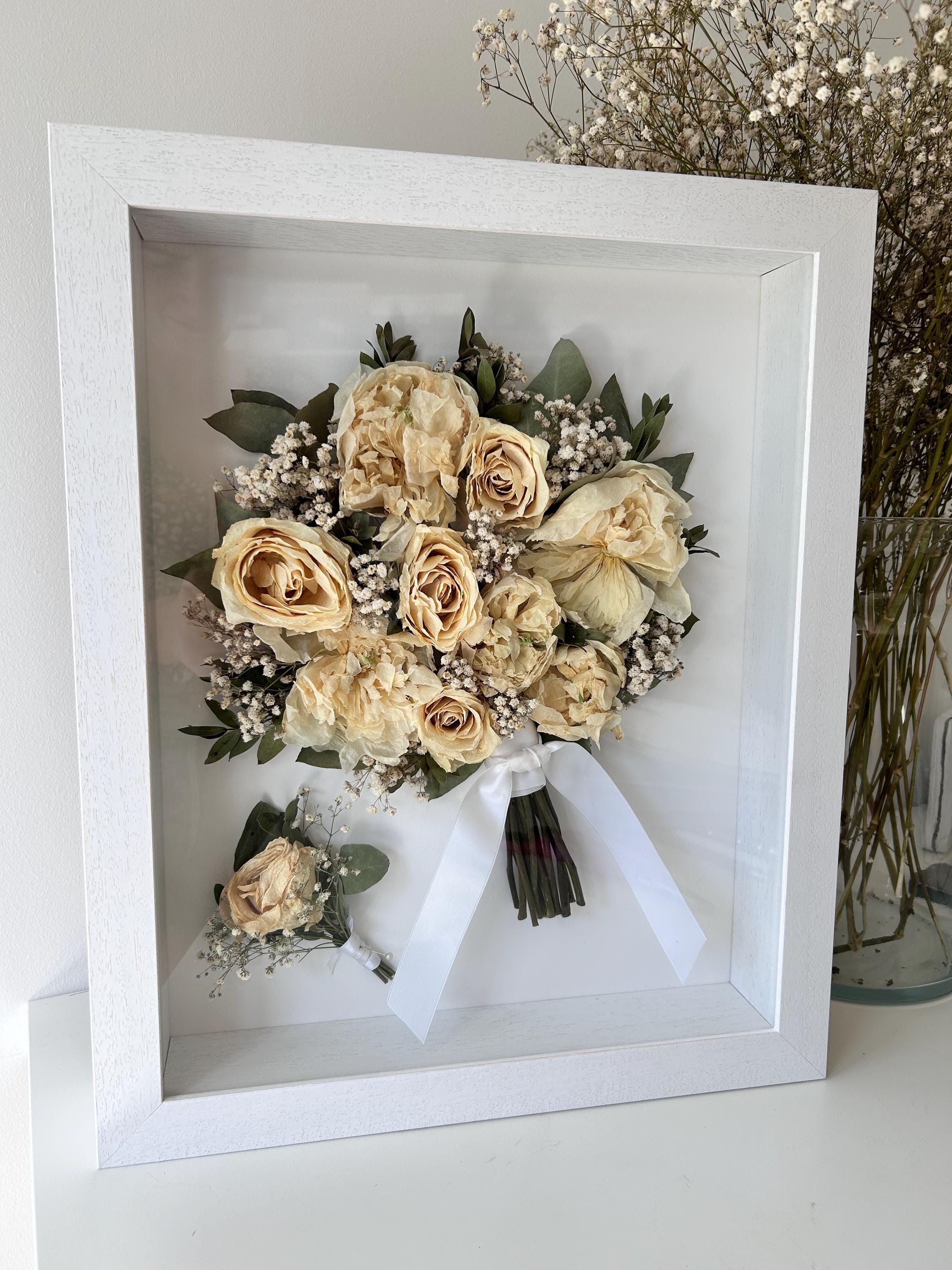
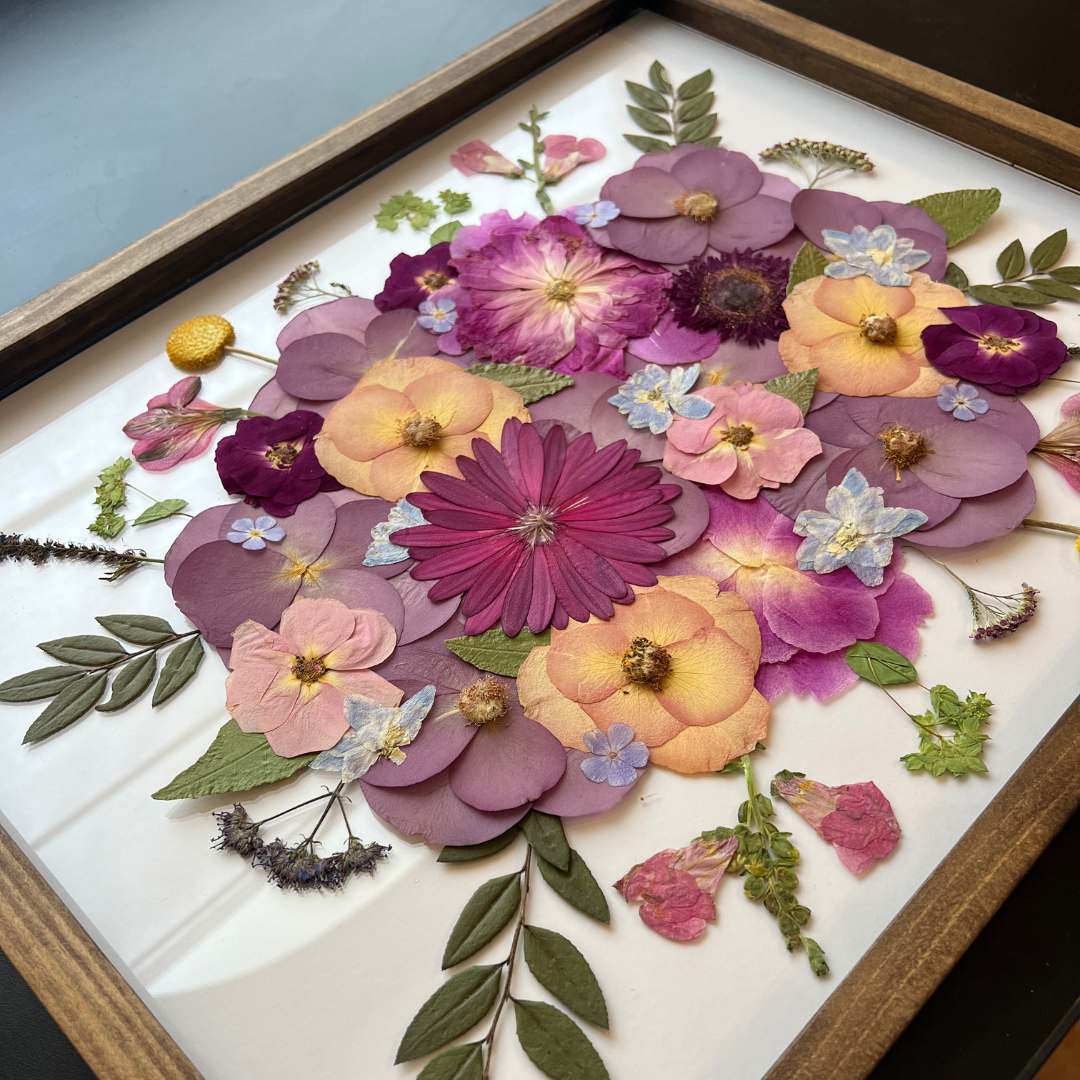
Many couples want to keep their bouquet after the wedding. Preservation services can turn flowers into artwork or keepsakes. Planning this early helps you handle flowers properly right after the event.
- Research preservation styles
- Book service in advance
- Keep bouquet hydrated after ceremony
- Avoid crushing flowers in transport
- Ask florist for handling tips
Small planning tip: Assign someone to deliver flowers the next day.
Reason it helps: Better handling means better final keepsake.
15. Compare Bouquet Size Pricing

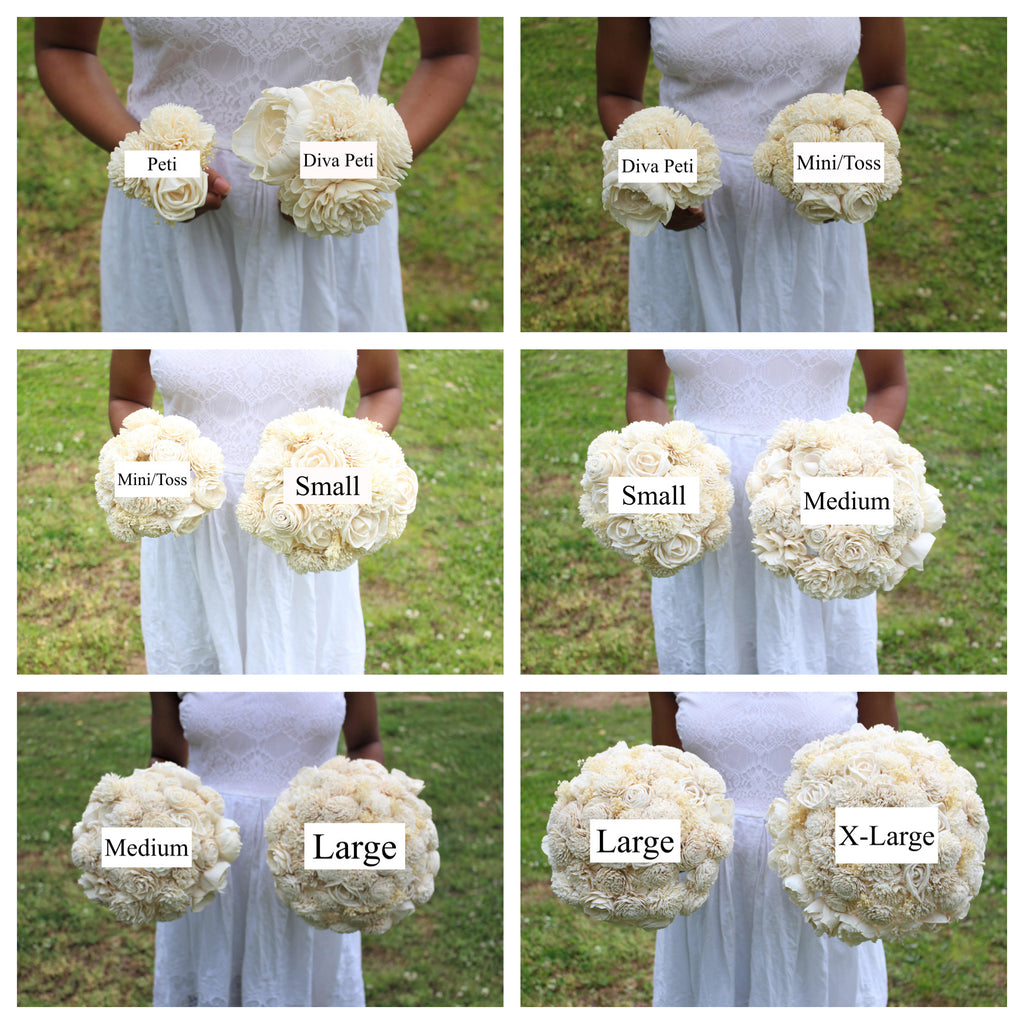


Big bouquets look dreamy online but come with higher stem counts. Often, medium-sized bouquets photograph just as beautifully. Focus on shape and balance instead of size alone.
- Ask to see size examples
- Choose medium for easier handling
- Reduce trailing greenery length
- Avoid heavy oversized designs
- Match bouquet to dress style
Helpful insight: Camera angles make bouquets look larger anyway.
Reason it helps: Smaller bouquets save money without changing the aesthetic.
16. Confirm Florist Labor Fees
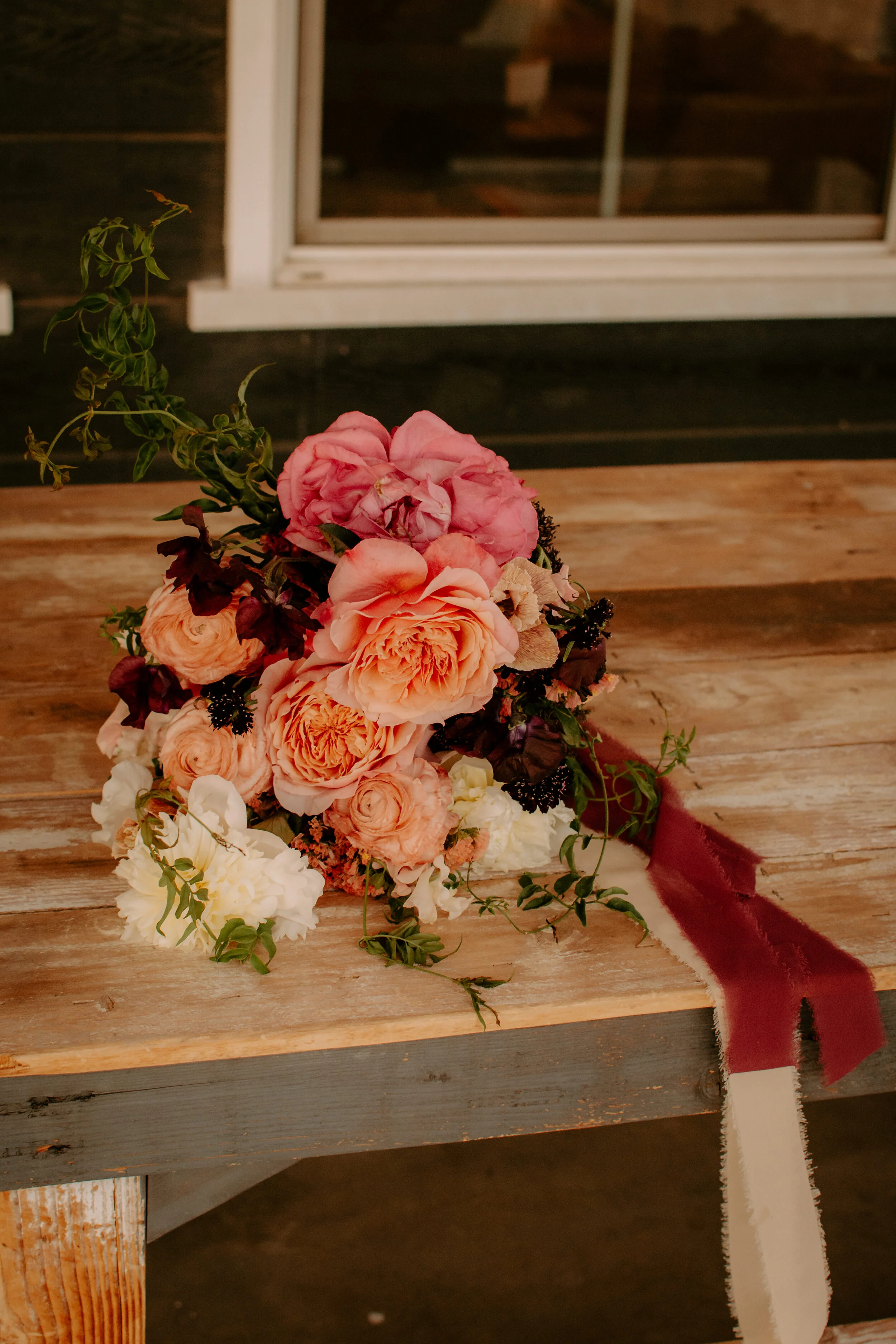
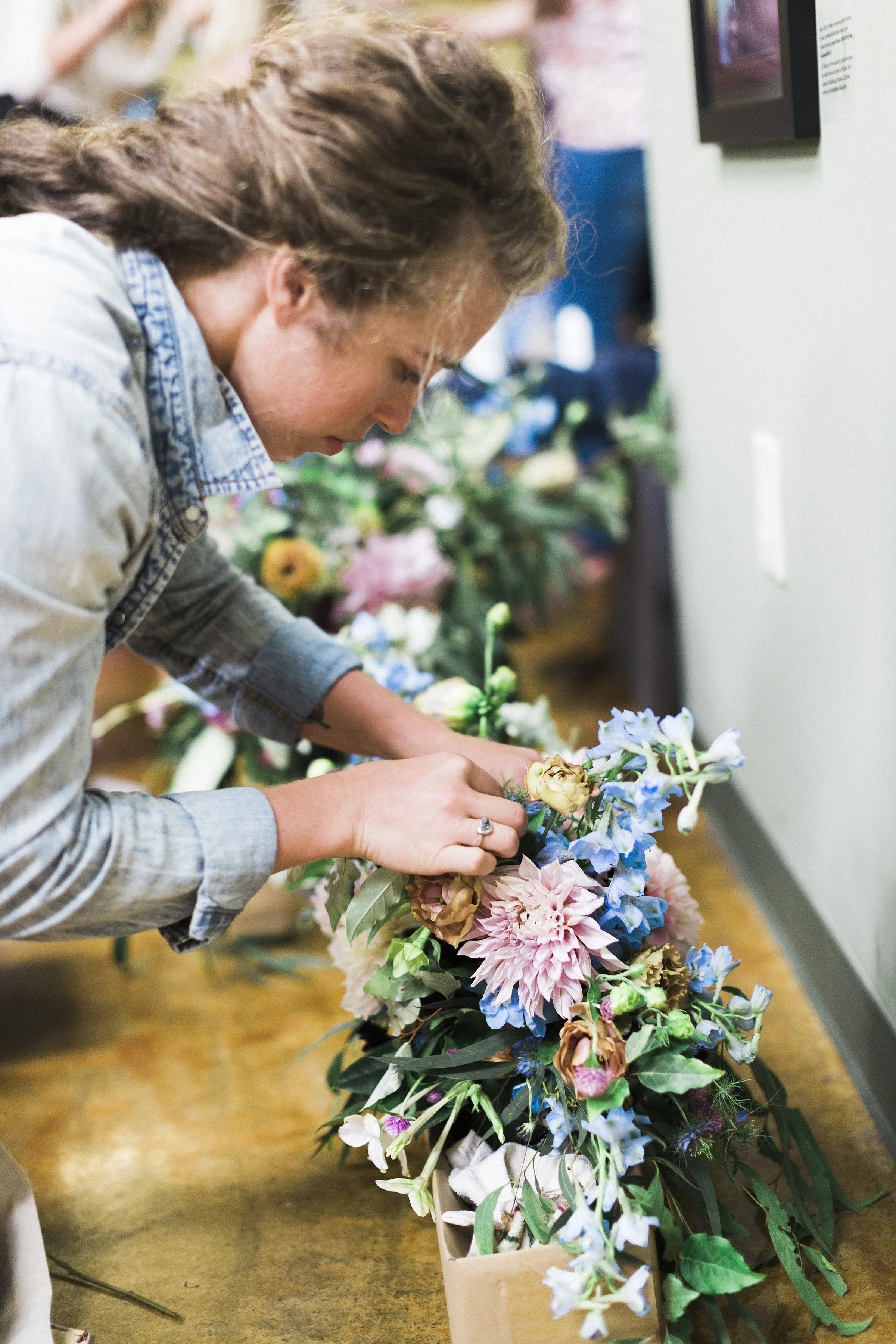
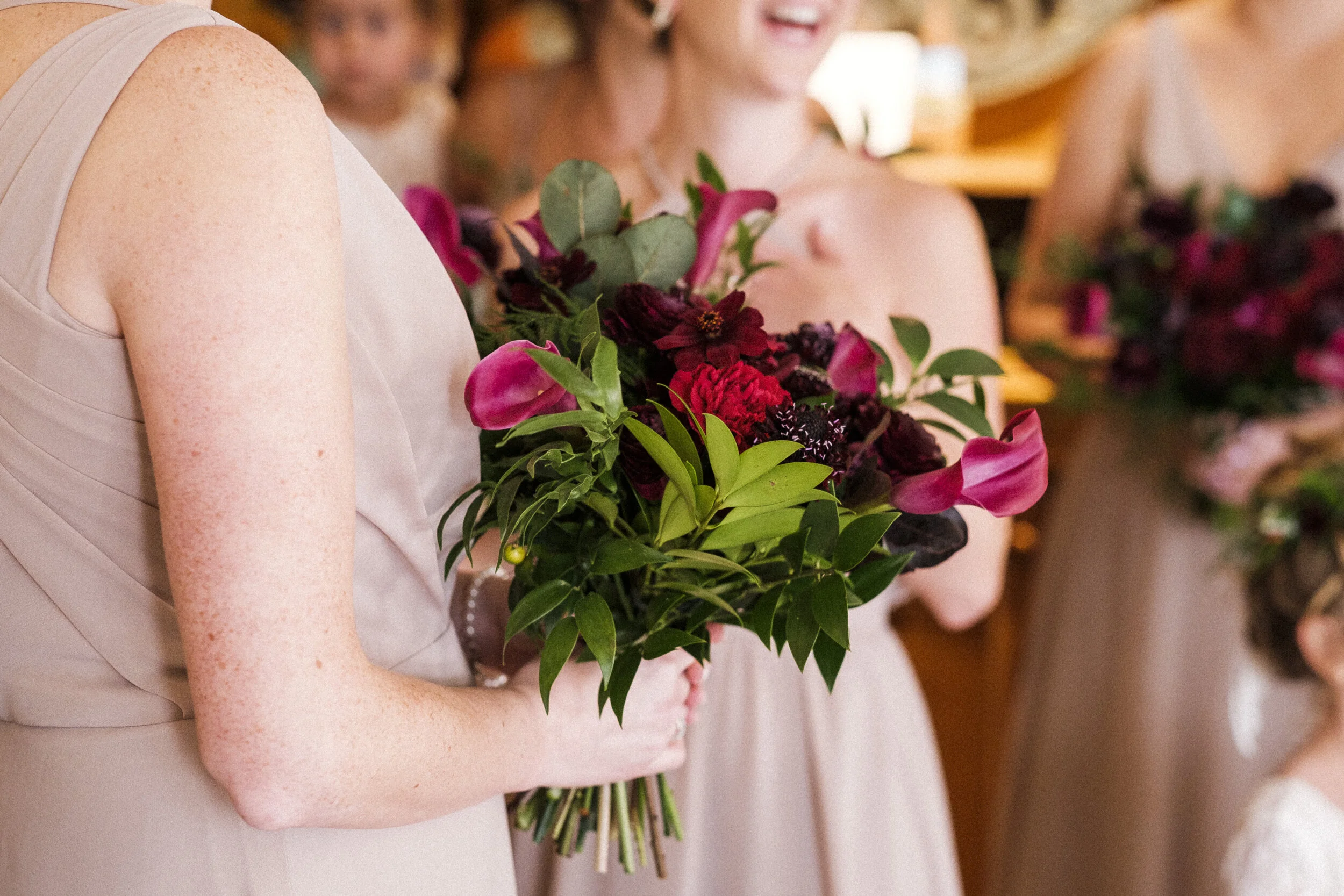

Labor often makes up a large part of floral pricing. Arrangements take time and skill, especially custom designs. Always ask what labor includes so you understand where your money goes.
- Ask for itemized quote
- Confirm setup vs design fees
- Reduce complex arrangements
- Choose simpler vase designs
- Reuse installations where possible
Extra idea: Simple designs can look more elegant in photos.
Reason it helps: Less complexity means less labor cost.
17. Break Down Floral Labor Charges
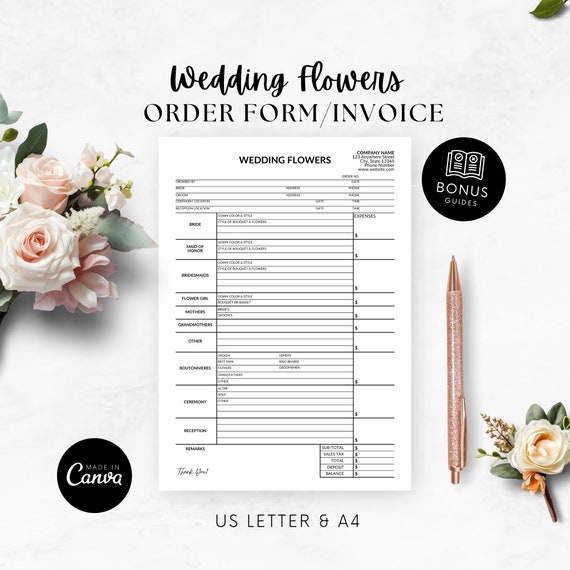

Understanding labor charges helps you control the final bill. Florists usually charge for design time, setup, transport, and breakdown. Once you see the breakdown clearly, you can make smarter adjustments.
- Ask for full labor transparency
- Remove unnecessary installations
- Combine design elements
- Limit last-minute changes
- Keep timeline realistic
Helpful move: Ask which services cost most and adjust there first.
Reason it helps: Small changes can create big savings.
Small Details Couples Often Overlook
- Choosing flowers before setting a budget
- Asking for rare imported flowers
- Ordering oversized centerpieces
- Ignoring delivery or teardown fees
- Changing designs close to the wedding
FAQs
How much do wedding flowers cost?
Most couples spend between 8–15% of their total wedding budget on flowers. Costs vary based on flower type, season, and number of arrangements.
Which flowers are most affordable?
Carnations, chrysanthemums, baby’s breath, greenery, and seasonal blooms are usually budget friendly and still look beautiful in photos.
Are silk flowers cheaper long term?
Yes, especially if rented or reused later. They work well for large installations and décor pieces.
When should you book a florist?
Book 6–9 months before your wedding date, especially during peak wedding seasons.
How to calculate bouquet pricing?
Count flowers by stem, add greenery, then include design and labor fees. Size and flower type affect the final total most.
Final Thoughts
Wedding flowers don’t have to feel confusing or overwhelming. When you understand pricing, mix smart choices, and focus on what matters most visually, you can create a gorgeous wedding without overspending. Keep your style simple, stay flexible with flower choices, and plan early. For full planning support, always return to your main [wedding planning] checklist and keep your decisions organized from the start.
Focus Keyphrase
Wedding flowers cost guide
Keyphrase Synonym (1)
Wedding flower pricing guide
Related Keyphrase (1)
Wedding floral budget planning
Primary H1
Wedding Flowers Cost Guide: Smart Ways to Plan Your Floral Budget
Alternative H1s (2–3)
- Real Wedding Flower Cost Breakdown for Budget-Smart Couples
- How to Plan Wedding Flower Costs Without Overspending
- Wedding Floral Pricing Guide: What You Actually Need to Spend
Meta Titles (3)
- Wedding Flowers Cost Guide: Real Prices & Smart Saving Tips
- Wedding Flower Pricing Guide – Plan Beautiful Blooms on Budget
- Wedding Floral Cost Breakdown: Smart Budget Tips That Work
Power Title (1)
The Real Wedding Flowers Cost Guide Couples Wish They Read First
Meta Description (155–158 chars)
Plan your wedding flowers cost guide with smart pricing tips, real savings, and budget-friendly ideas that keep your floral look stunning without overspending.
High CTR Slug / URL + 3 Variations
Primary Slug (Intent-first | Budget Question intent):
real-cost-wedding-flowers
Variations:
wedding-flowers-cost-rangetypical-cost-wedding-flowersprice-estimate-wedding-flowers
Intro Paragraph (70–80 words)
Flowers look magical — until the quote arrives. Suddenly, your dream bouquet feels like a big financial decision. Many couples struggle to understand why floral prices vary so much and how to plan without losing the romantic look they want. This guide makes wedding flower costs simple to understand. You’ll learn where money actually goes, what choices save the most, and how to build stunning floral designs that feel elegant without pushing your budget too far.
Conclusion Paragraph (65–70 words)
Wedding flowers should feel exciting, not stressful. When you understand pricing clearly and make intentional choices, your floral budget becomes easier to manage and much more rewarding. Use this guide as a calm starting point, then keep moving forward with confidence as you plan each detail. For more step-by-step support and smart decisions, continue your journey through your full planning roadmap here: /wedding/planning/.