


Intro
Planning a wedding means thinking about everyone involved — not just guests. Vendors work long hours to make your day smooth, beautiful, and stress-free. If you plan their meals properly, the day feels more organized and professional. This guide breaks everything into clear, practical steps so you know exactly how many meals to order, when to serve them, and how to avoid last-minute confusion — all in a simple, wedding-friendly way.
1. Confirm vendor meal headcount


Before talking to your caterer, make a full vendor list. Photographers, videographers, DJs, planners, coordinators, and assistants usually need meals. Ask each vendor early if they require food or bring their own. This avoids overpaying or running short later. A clear headcount keeps your planning simple and prevents awkward situations during dinner time.
- Make a list of every vendor attending
- Confirm team size, not just the main contact
- Ask if assistants need meals too
- Keep the list inside your planning sheet
Quick idea: Confirm numbers again two weeks before the wedding.
Result: You stay in control and avoid surprise costs.
2. Add vendor meals to catering count

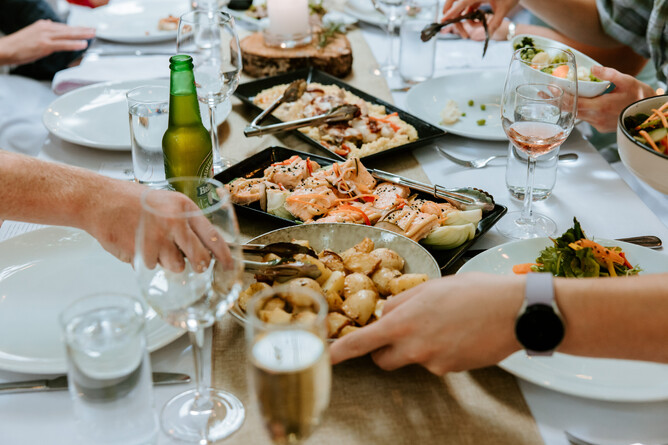


Many couples forget to include vendor meals in their final catering number. Vendors should be counted just like guests, but often with a simpler menu. Add these meals early so your caterer plans enough food and staff. This keeps service smooth and prevents delays when dinner starts.
- Add vendors to your final guest spreadsheet
- Tell catering how many are staff meals
- Confirm service style for vendor food
- Avoid adding meals last minute
Small suggestion: Label them as “vendor meals” in the contract.
Result: Catering planning becomes clean and stress-free.
3. Choose simple plated staff meals

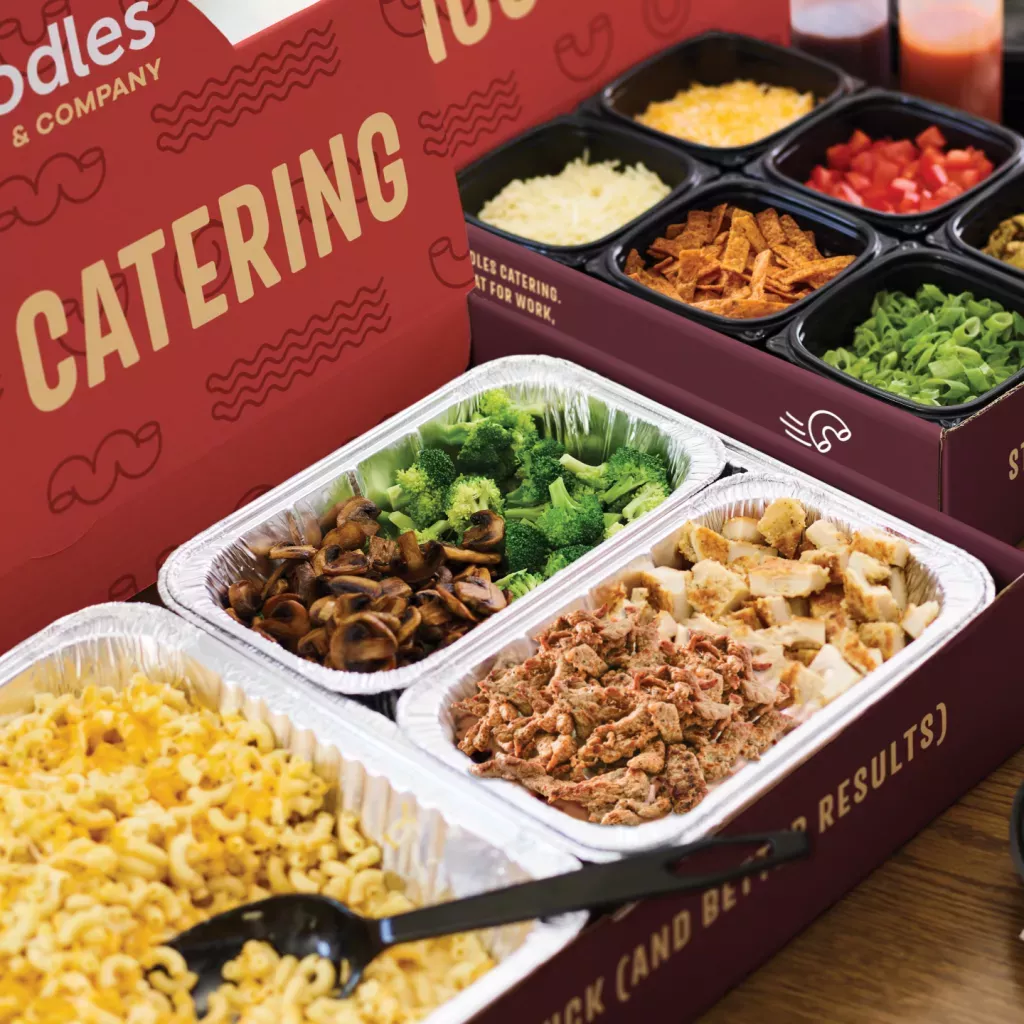

Vendor meals do not need to match your guest menu exactly. Most vendors prefer quick, filling meals that are easy to eat fast. A simple plated dish works best because it saves time and avoids buffet lines. Focus on protein, carbs, and a drink so they stay energized while working.
- Choose one simple main dish
- Avoid heavy sauces or messy foods
- Include water or soft drinks
- Ask caterer for affordable staff options
Helpful move: Select food that can be served quickly.
Result: Vendors eat faster and get back to work smoothly.
4. Clarify vendor break schedule

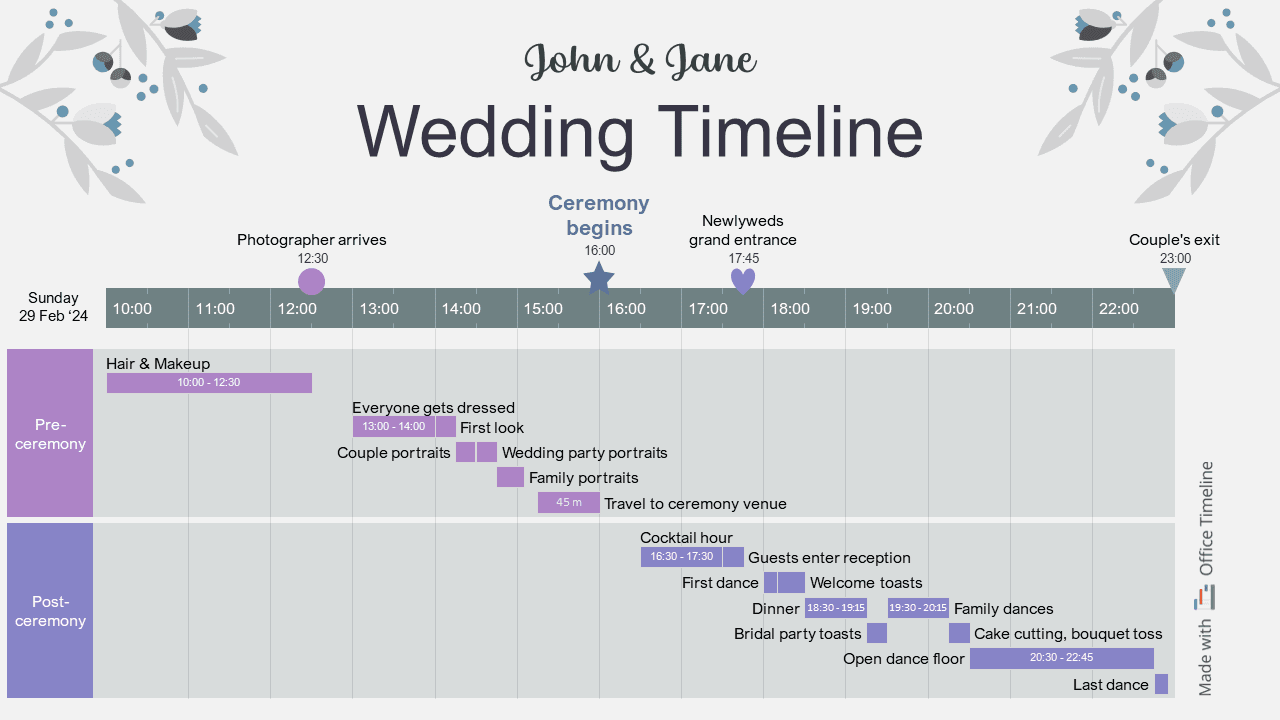


Meal timing matters more than many couples realize. Vendors usually eat while guests are eating so no important moments get missed. Talk with your planner or coordinator and place vendor breaks inside your day timeline (/wedding/planning/day-timeline). This keeps photos, music, and coordination running without pauses.
- Schedule meals during guest dinner
- Avoid serving during speeches
- Coordinate with photographer timing
- Let DJ know break windows
Extra note: Add break time to the master timeline.
Result: Coverage continues without interruption.
5. Reserve private meal corner
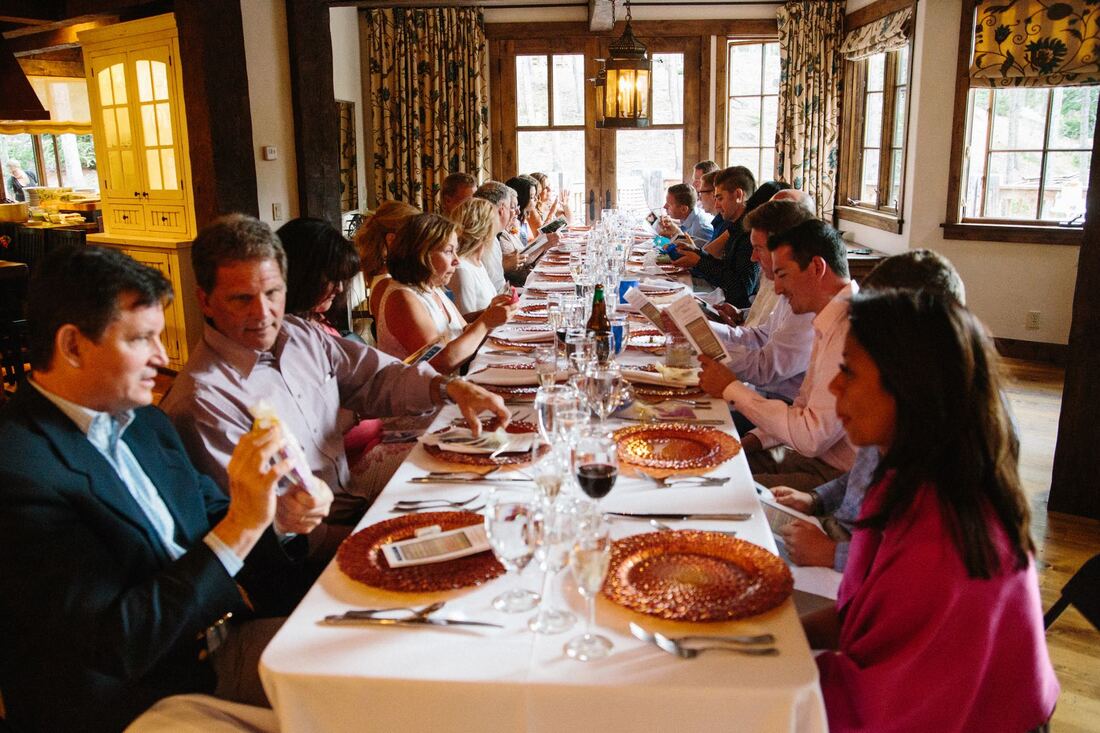


Vendors appreciate a quiet place to eat. A small private corner keeps them comfortable and out of guest traffic. This doesn’t need to be fancy — just practical. When vendors can relax for a few minutes, they return focused and ready to handle the rest of the event.
- Reserve a side room or quiet corner
- Keep it near the reception area
- Provide chairs and water
- Avoid placing them in heavy guest flow
Smart touch: Add simple table signs for vendors.
Result: Break time feels respectful and organized.
6. Confirm dietary accommodations


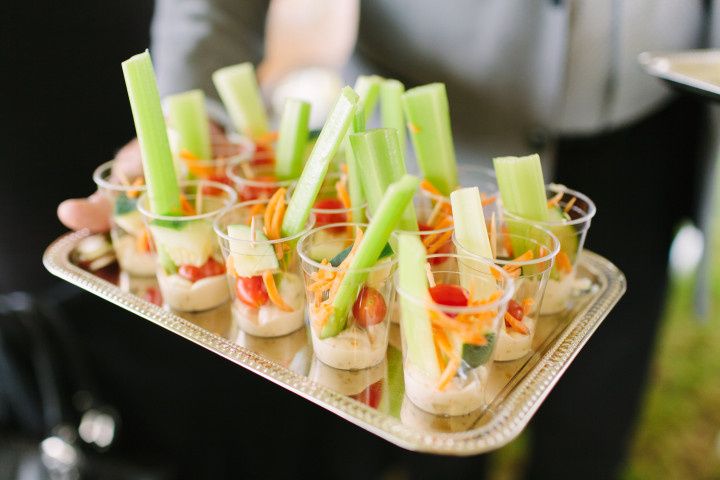
Some vendors have dietary restrictions just like guests. Asking early prevents stress later. A simple vegetarian or allergy-friendly option is usually enough. Adding these notes to your catering sheet helps everyone stay safe and comfortable without extra complications.
- Ask vendors about allergies early
- Provide vegetarian option if possible
- Note dietary needs clearly
- Confirm with caterer one week before
Nice addition: Keep one extra flexible meal available.
Result: Everyone feels considered and cared for.
7. Coordinate vendor meal timing


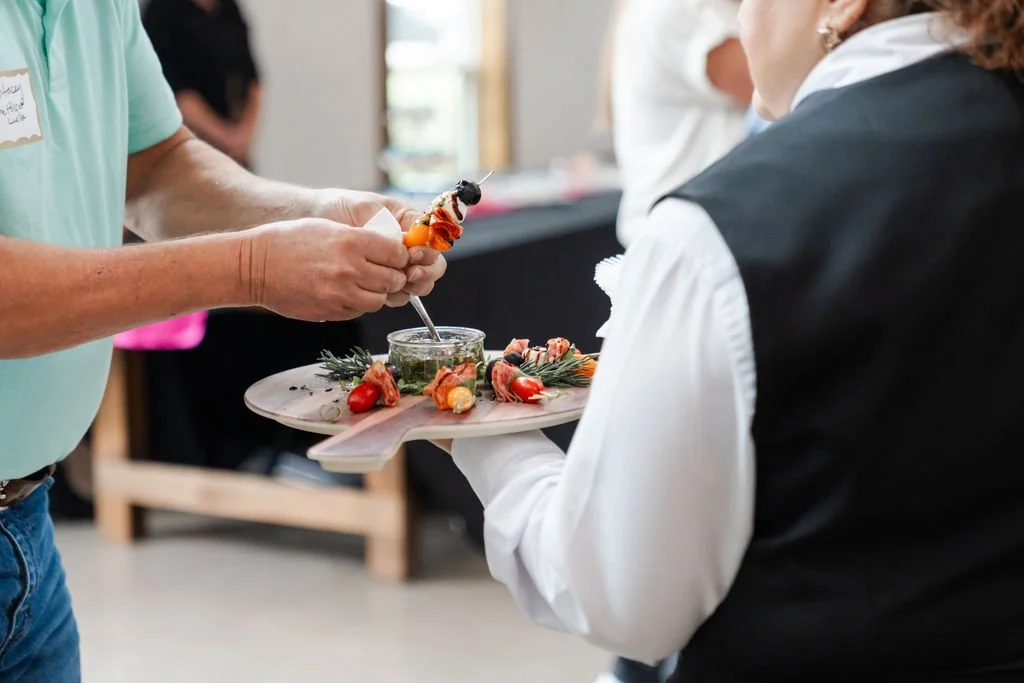
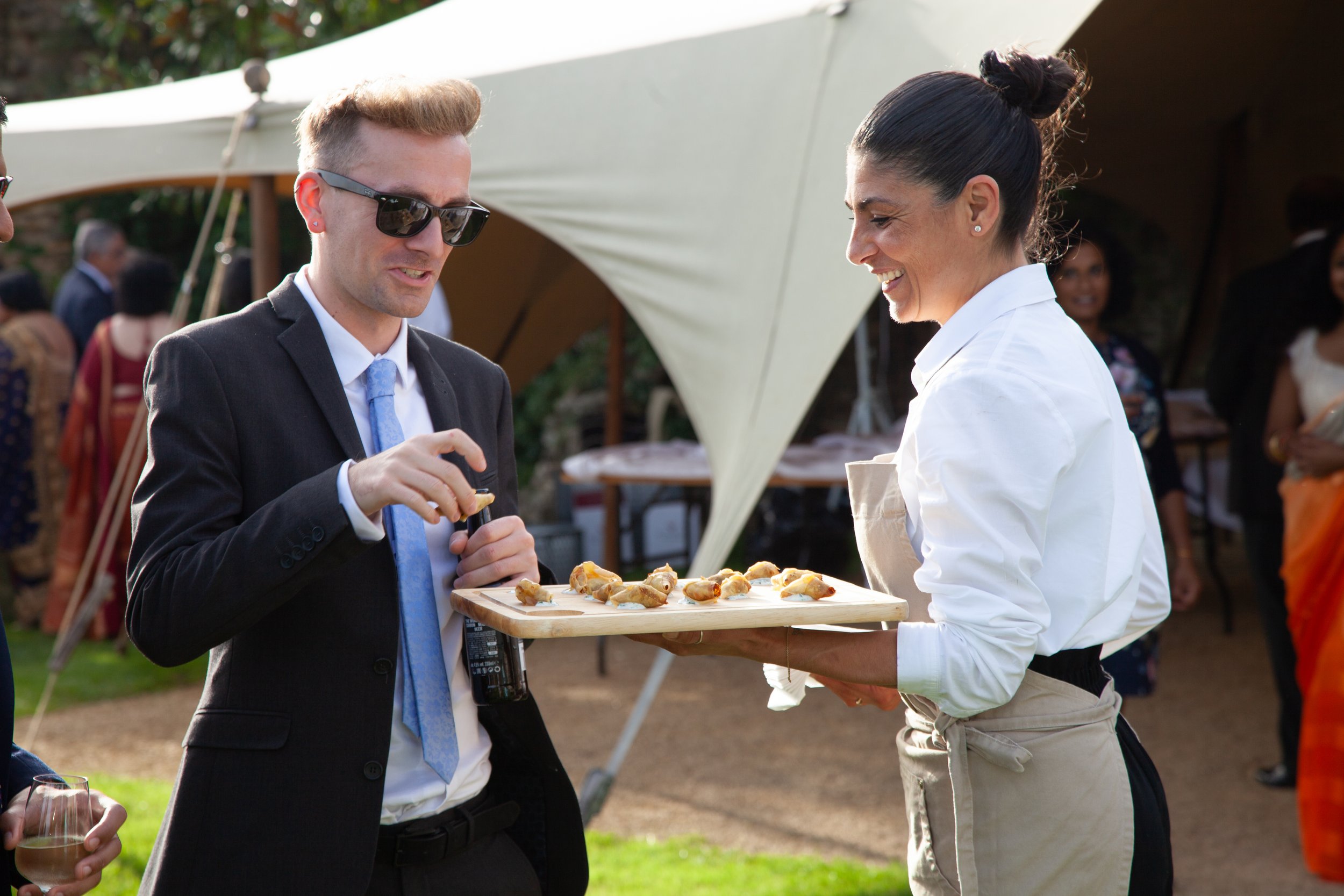
Timing prevents missed moments. Vendors should eat once key events are paused but before major highlights begin. A quick conversation between planner and caterer avoids confusion. This small detail keeps your wedding flow professional and calm.
- Serve vendors immediately after guests sit
- Avoid feeding them too late
- Coordinate with speeches schedule
- Inform vendor team leader
Small win: Let the planner manage serving time.
Result: Your wedding keeps moving without gaps.
8. Include DJ and planner meals



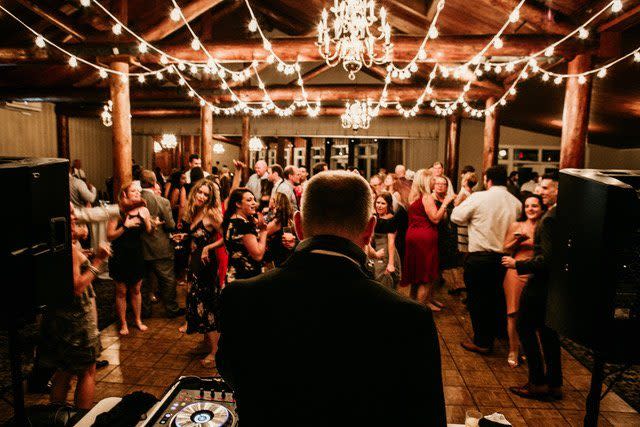
DJ and planner meals are often forgotten, yet they work the longest hours. DJs can’t easily leave equipment, and planners manage the entire flow. Including them prevents low energy and helps them support you until the end of the night.
- Add DJ to final count early
- Include planner and assistants
- Confirm if they prefer quick meals
- Avoid assuming they eat elsewhere
Helpful reminder: Check contracts; some require meals.
Result: Your key vendors stay energized all evening.
9. Confirm vendor meal seating
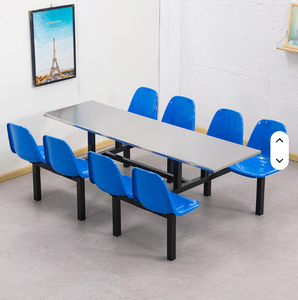


Vendors don’t need prime guest seating, but they should still have proper chairs and table space. A practical setup keeps equipment safe and allows quick movement back to work. Avoid placing them far away where they might miss important moments.
- Use one shared vendor table
- Keep table near main reception
- Avoid blocking guest pathways
- Reserve enough chairs
Tiny upgrade: Add bottled water at the table.
Result: Vendors eat comfortably and return quickly.
10. Approve vendor meal budget

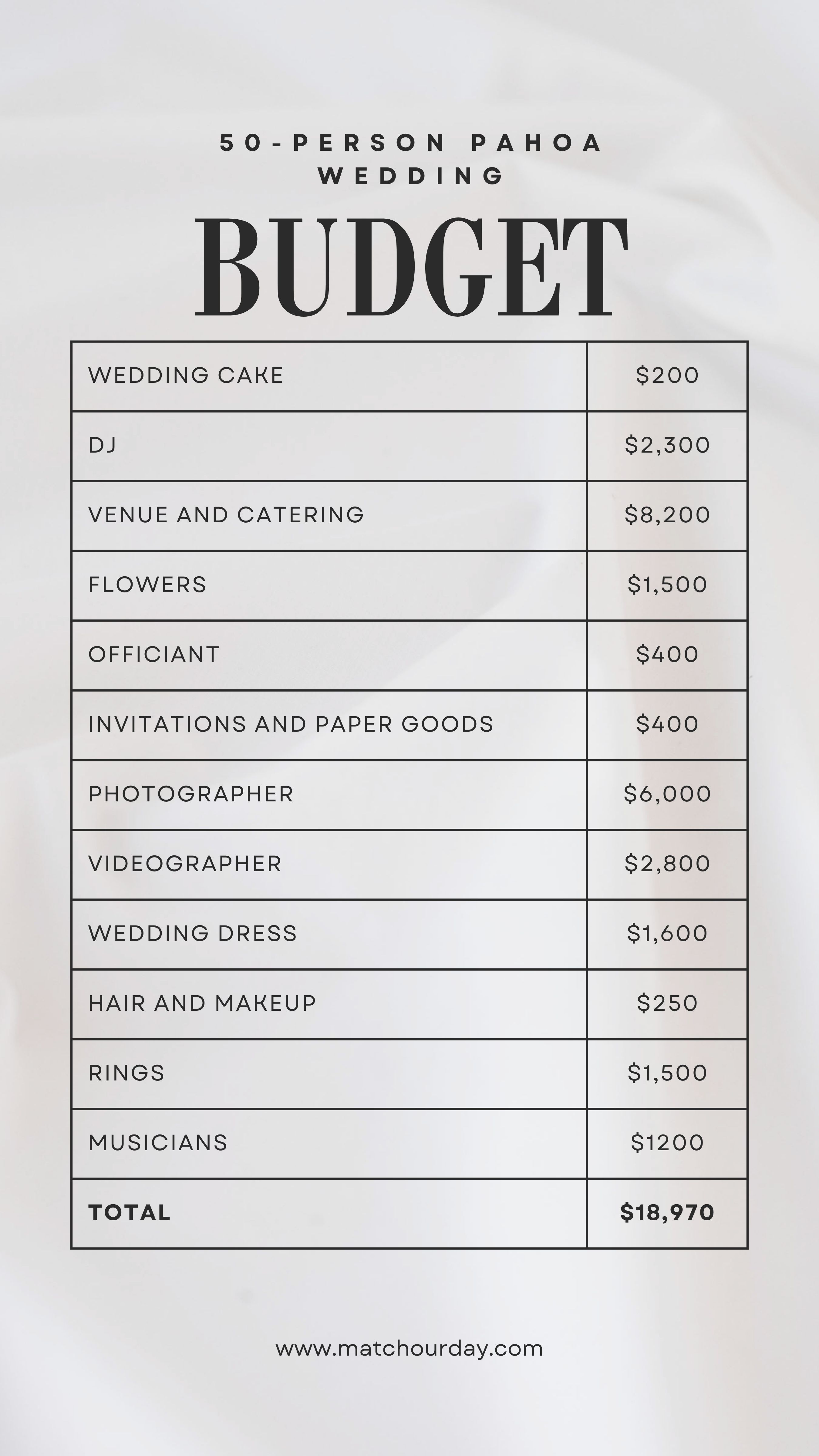


Vendor meals are a small cost but still part of your overall budget. Approve this amount early instead of being surprised later. Usually staff meals cost less than guest meals, making them a smart addition that protects your wedding flow.
- Ask caterer for staff pricing
- Add to planning spreadsheet
- Allocate a small buffer
- Review totals monthly
Simple trick: Include vendor meals inside your catering budget section.
Result: Your numbers stay realistic and clear.
11. Track vendor meal invoices
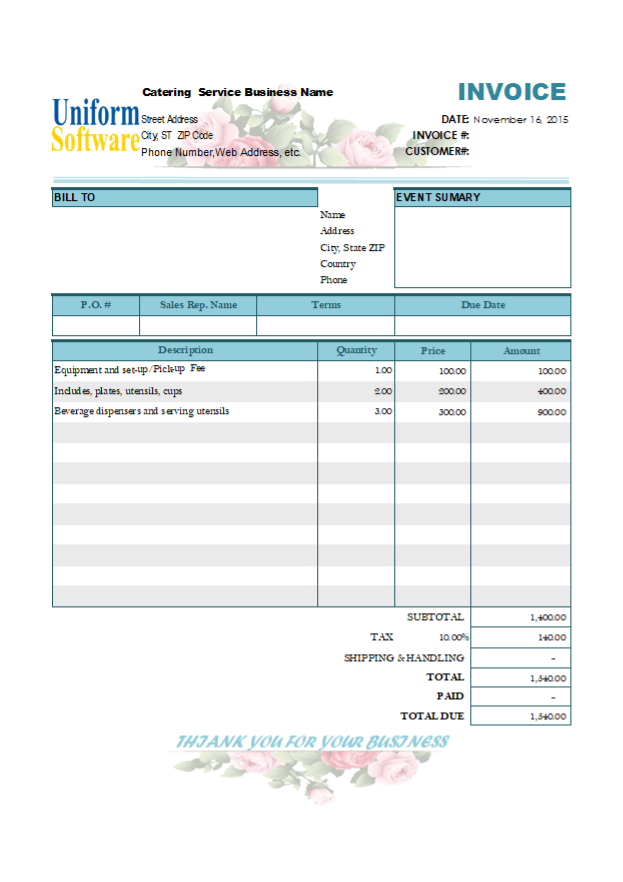

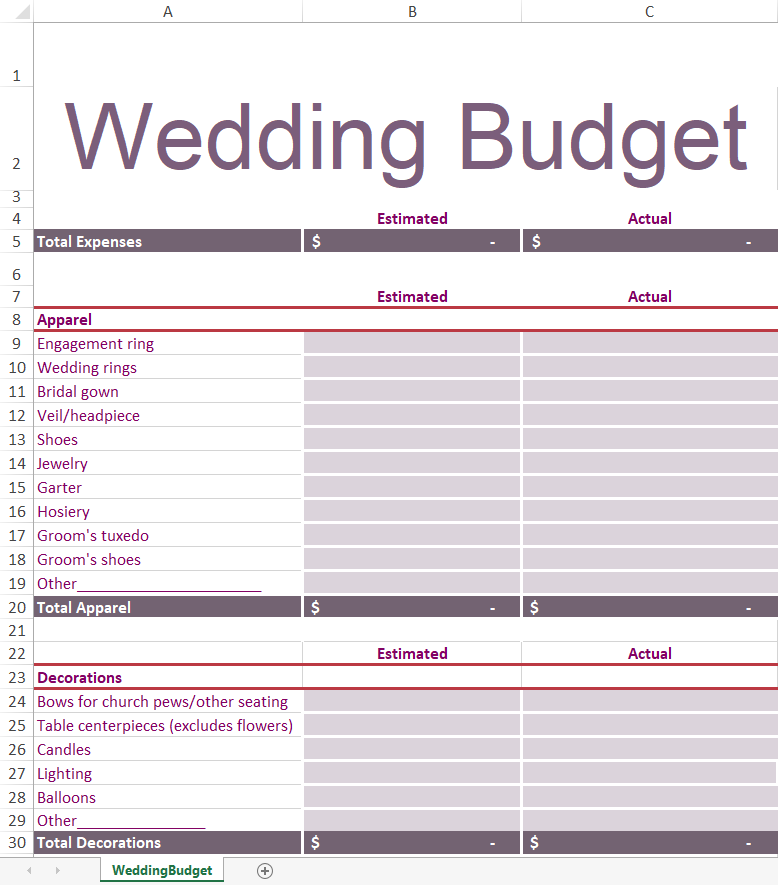

Invoices get confusing near the wedding date. Keep vendor meal charges separate so you understand exactly what you are paying for. Reviewing invoices early prevents mistakes and gives you time to fix them with your caterer.
- Save every catering invoice
- Highlight vendor meal charges
- Compare with final headcount
- Confirm taxes and service fees
Quick check: Review invoices before final payment.
Result: No unexpected charges appear later.
12. Include vendor table placement

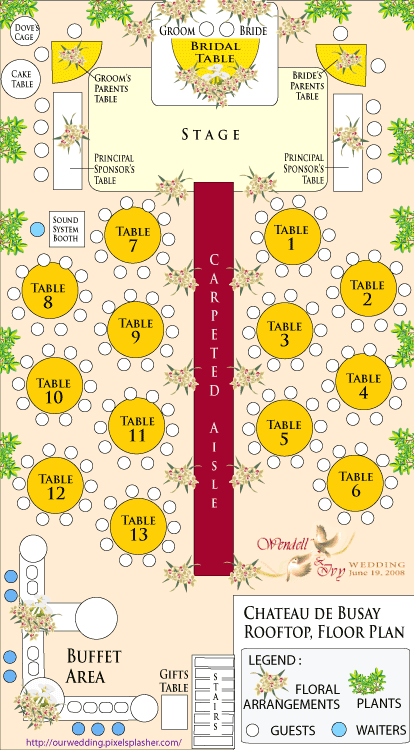


When designing seating layouts, don’t forget vendor table placement. A strategic location helps photographers capture moments fast and keeps planners close to action. This detail often gets missed but makes the event feel professional behind the scenes.
- Add vendor table to floor plan
- Place near service area
- Keep clear walking paths
- Avoid loud speaker zones
Extra hint: Share layout with all vendors beforehand.
Result: Everyone knows exactly where to go.
13. Finalize catering headcount
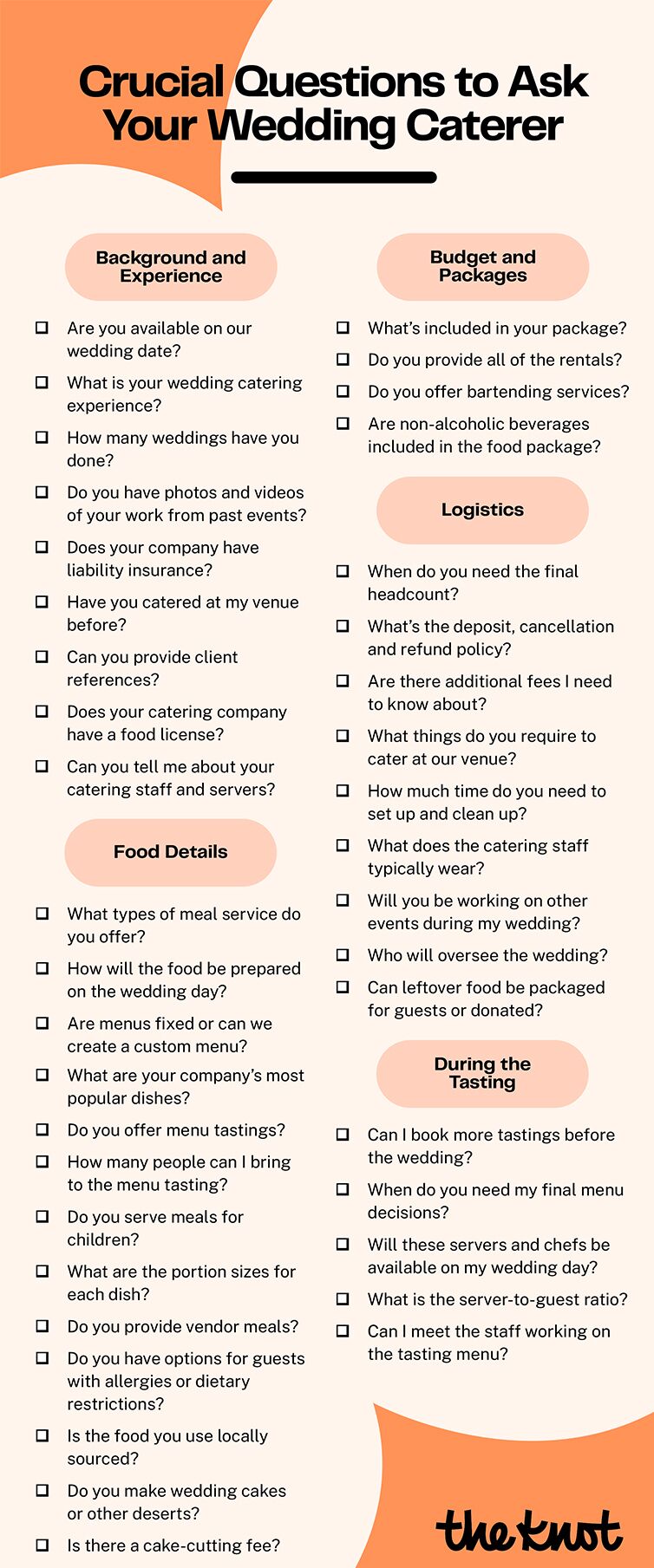
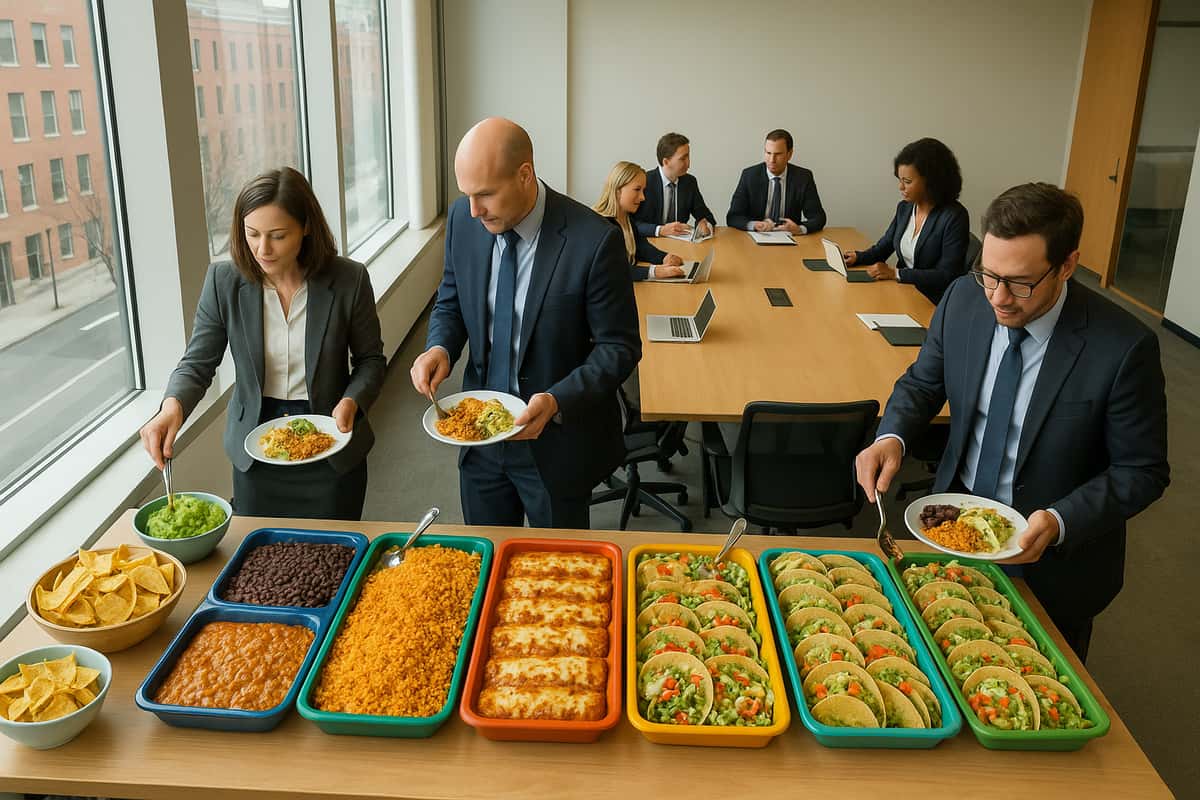

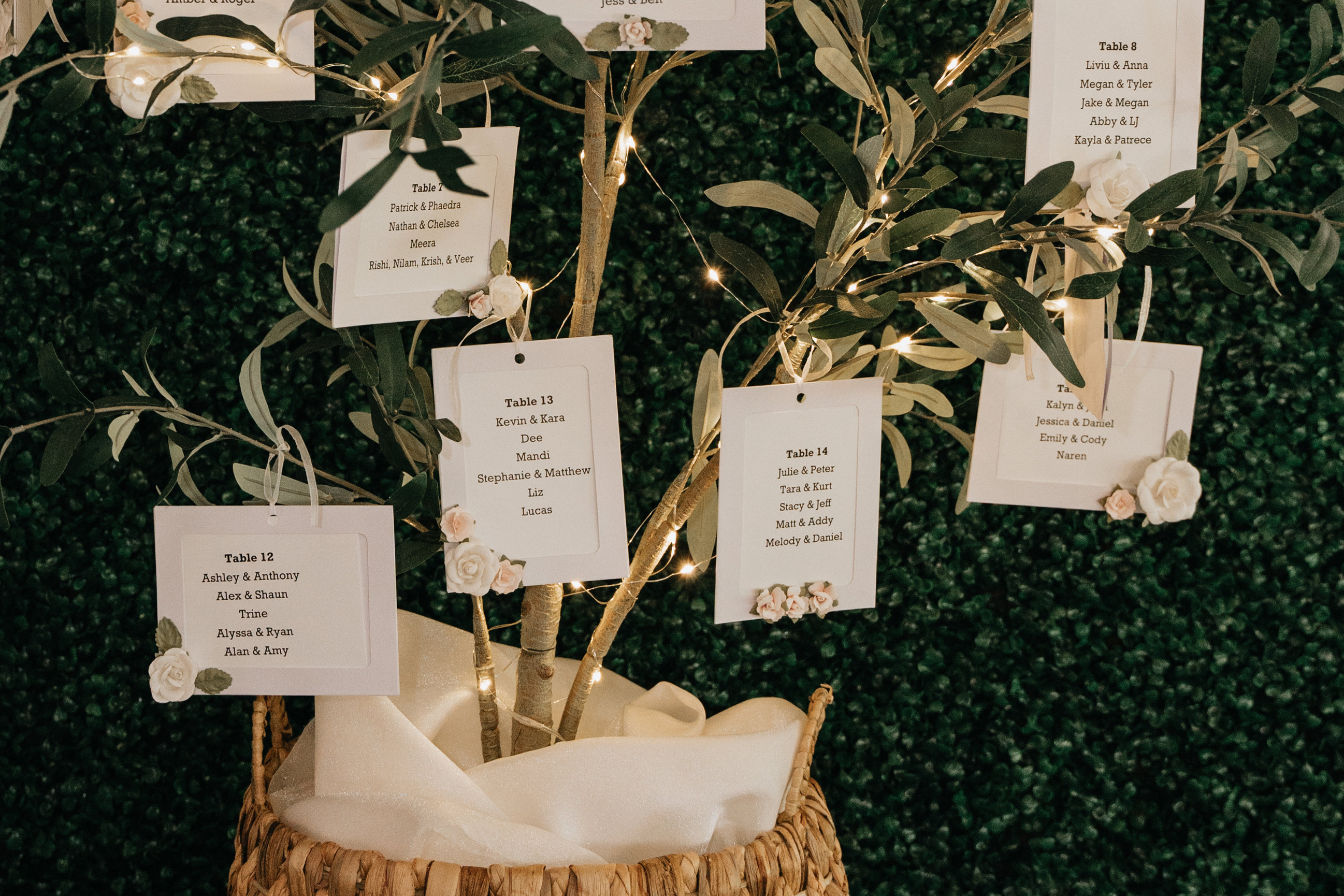
The final headcount is where everything locks in. Include guests and vendors together so nothing is missed. This step connects closely with good catering tips (/wedding/planning/catering-tips) and helps avoid last-minute stress or shortage.
- Confirm guest RSVPs
- Recheck vendor numbers
- Lock count by caterer deadline
- Keep one or two extra meals
Good habit: Confirm changes 72 hours before event.
Result: Catering runs smoothly with zero surprises.
14. Review meal invoice totals
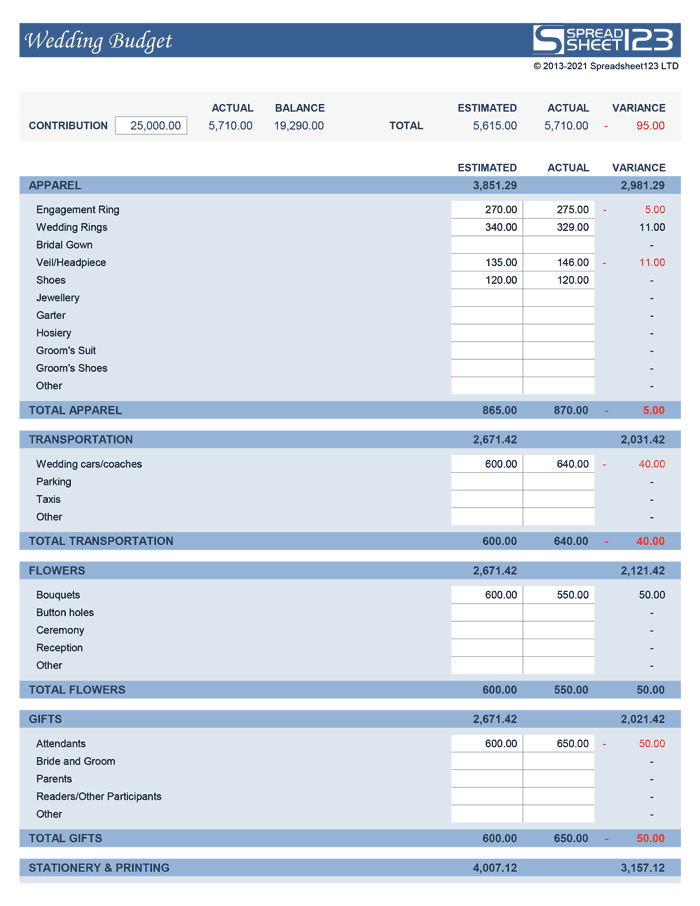
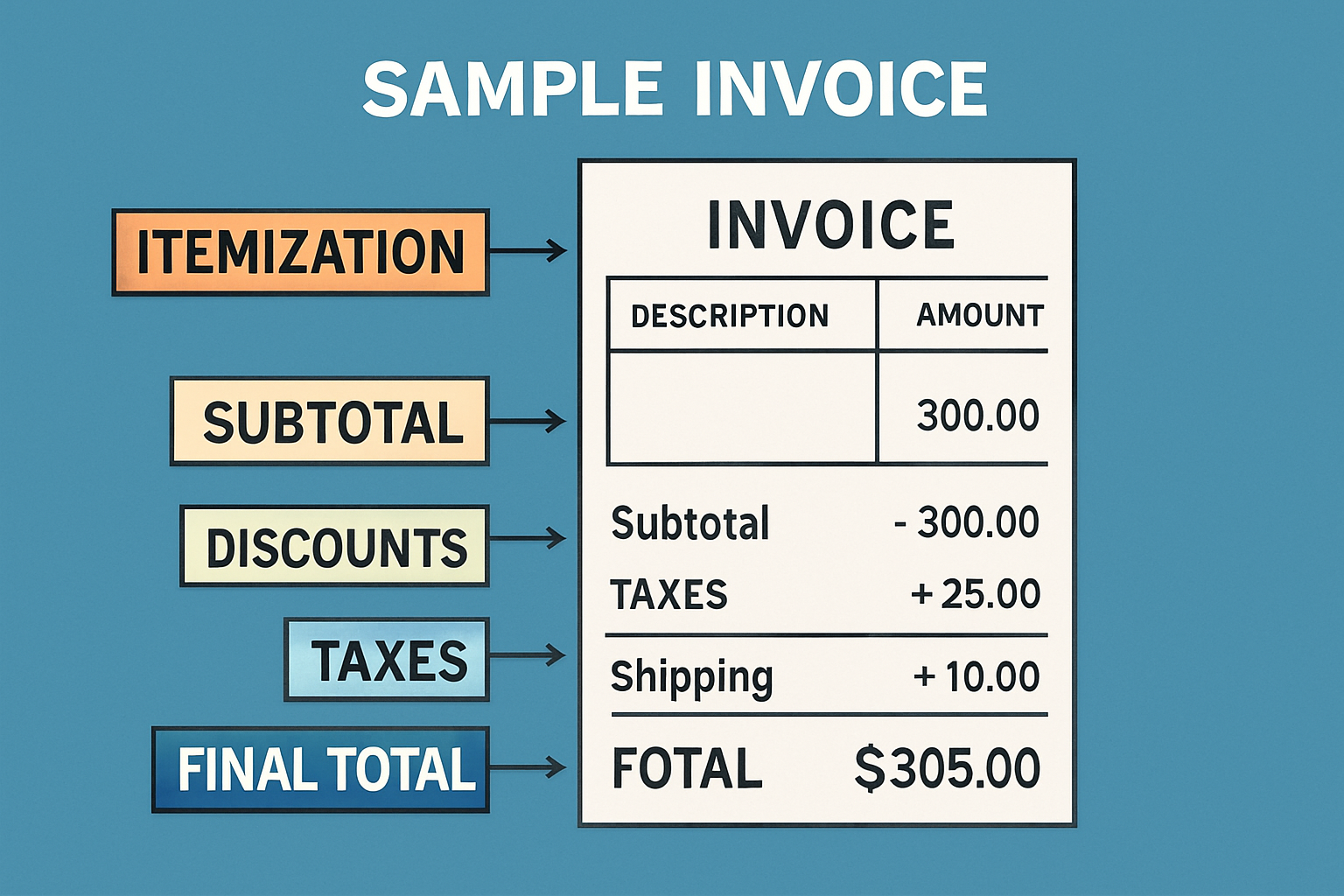
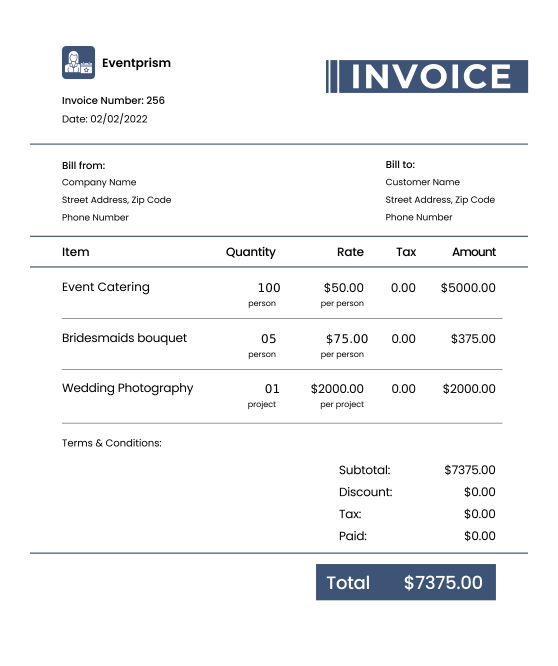

Before final payment, compare invoice totals with your own records. Small errors happen often with large weddings. Reviewing totals calmly before the big day avoids stress later and keeps your budget controlled.
- Compare count vs invoice numbers
- Check service fees carefully
- Confirm taxes included
- Save final invoice copy
Extra step: Keep a digital backup of invoices.
Result: Your finances stay organized and clear.
15. Prepare labeled vendor badges
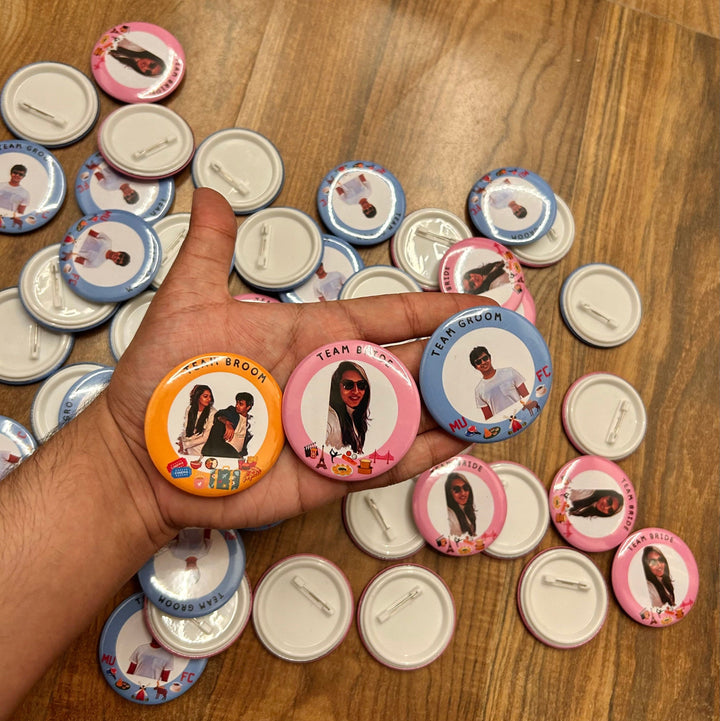
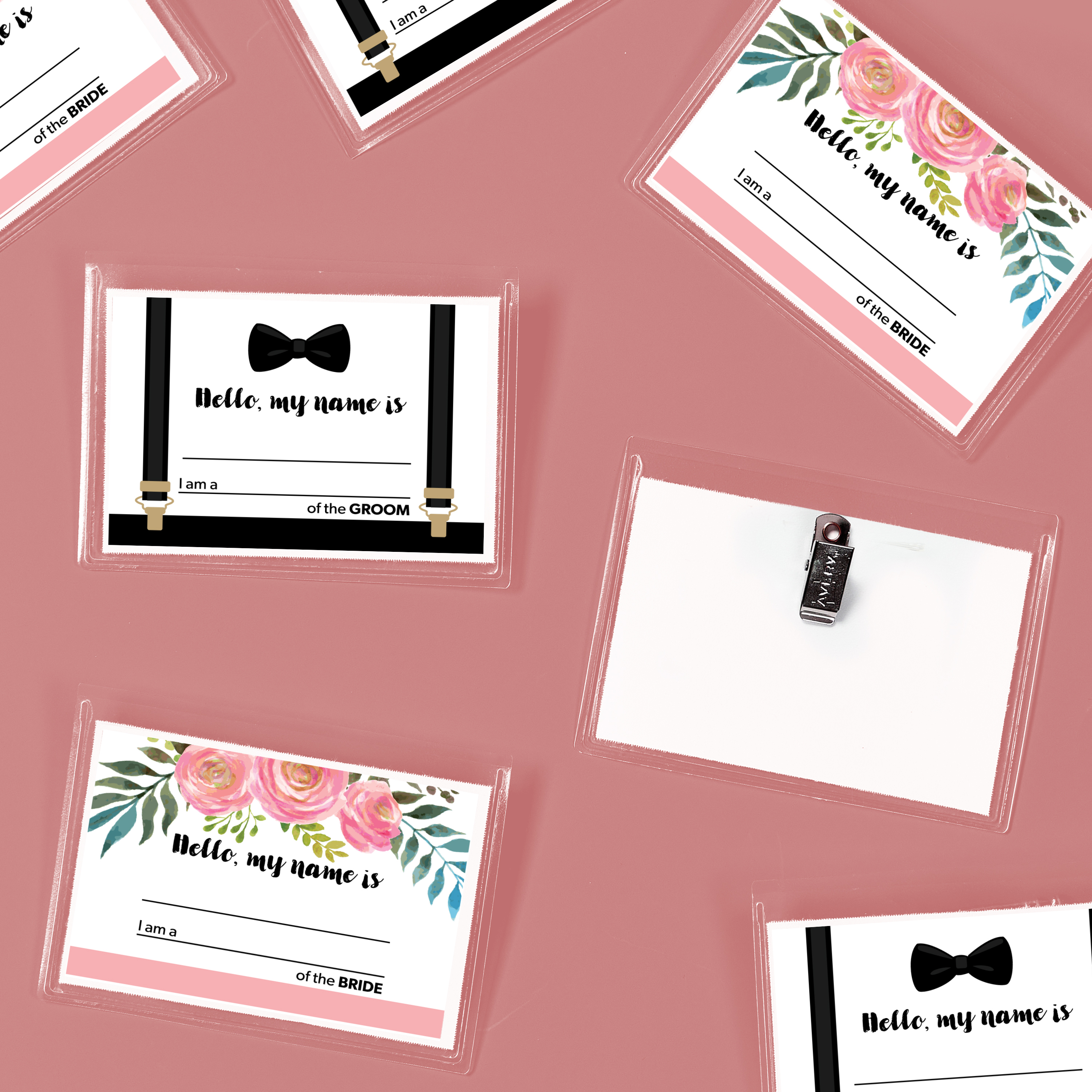


Small name badges help catering staff know who receives vendor meals. They also help coordinators find people quickly. This tiny detail improves communication and prevents confusion during busy dinner service.
- Print simple vendor badges
- Include role name clearly
- Use clip or lanyard style
- Give badges at arrival
Nice touch: Color-code by vendor type.
Result: Coordination becomes faster and easier.
16. Confirm vendor dietary notes
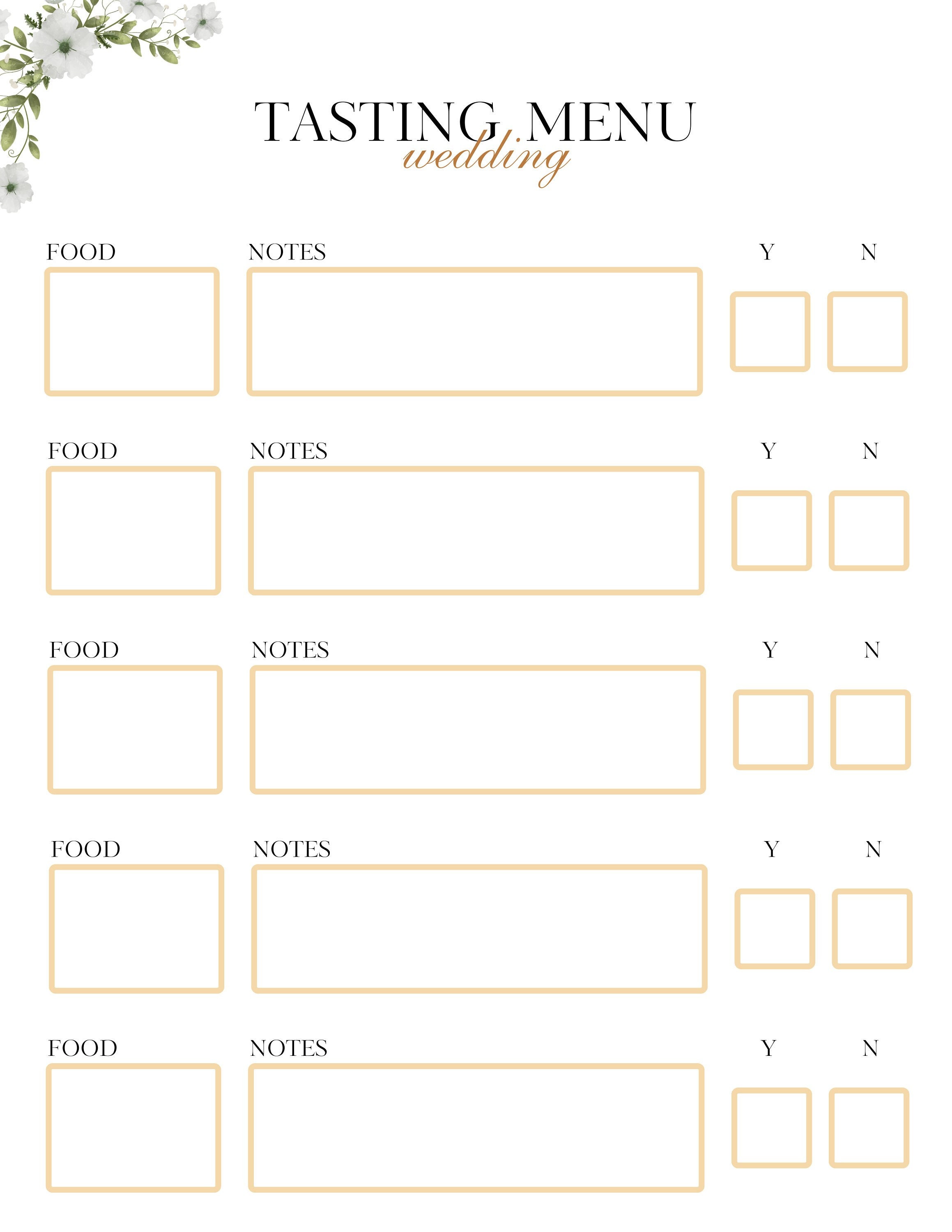
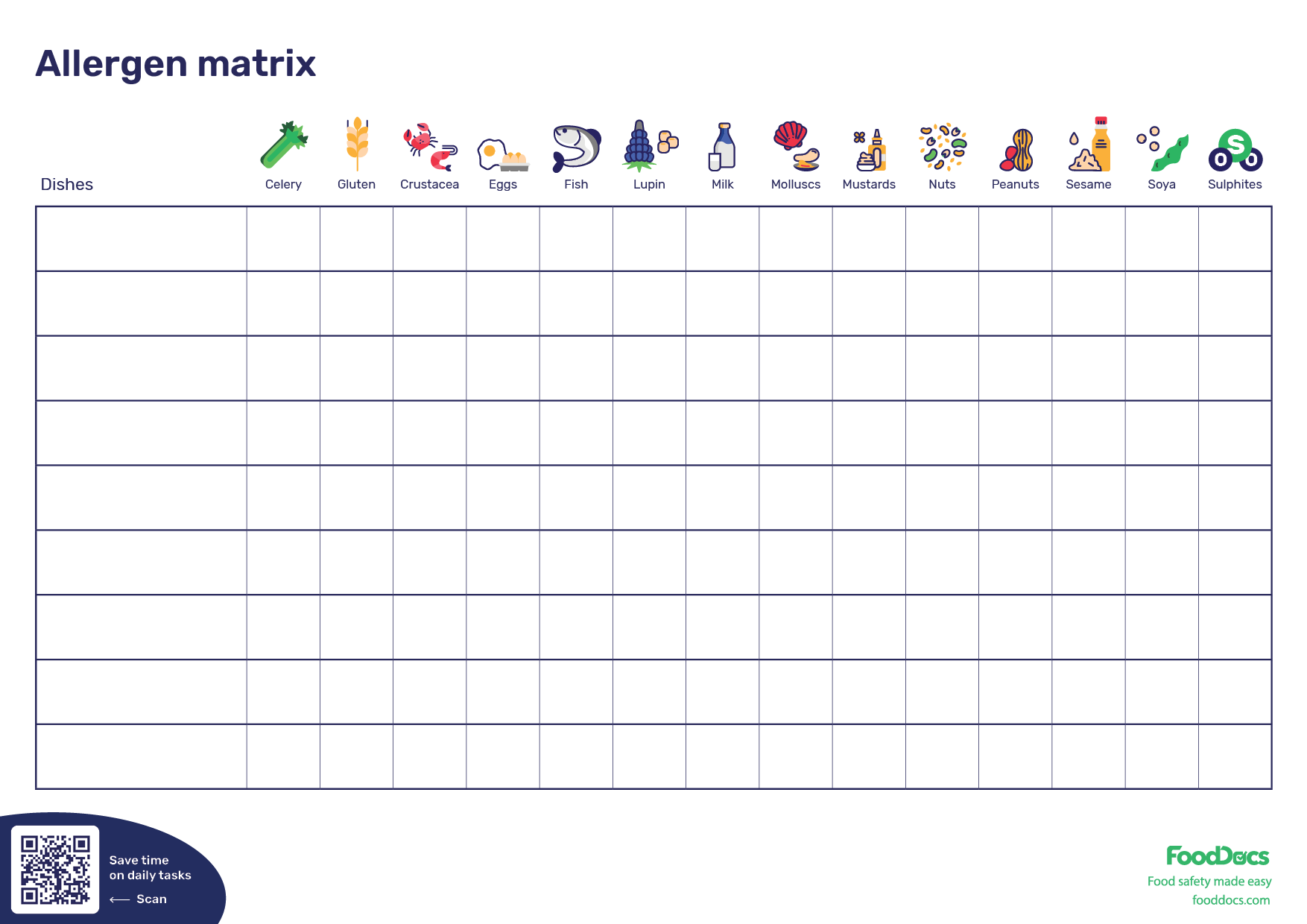
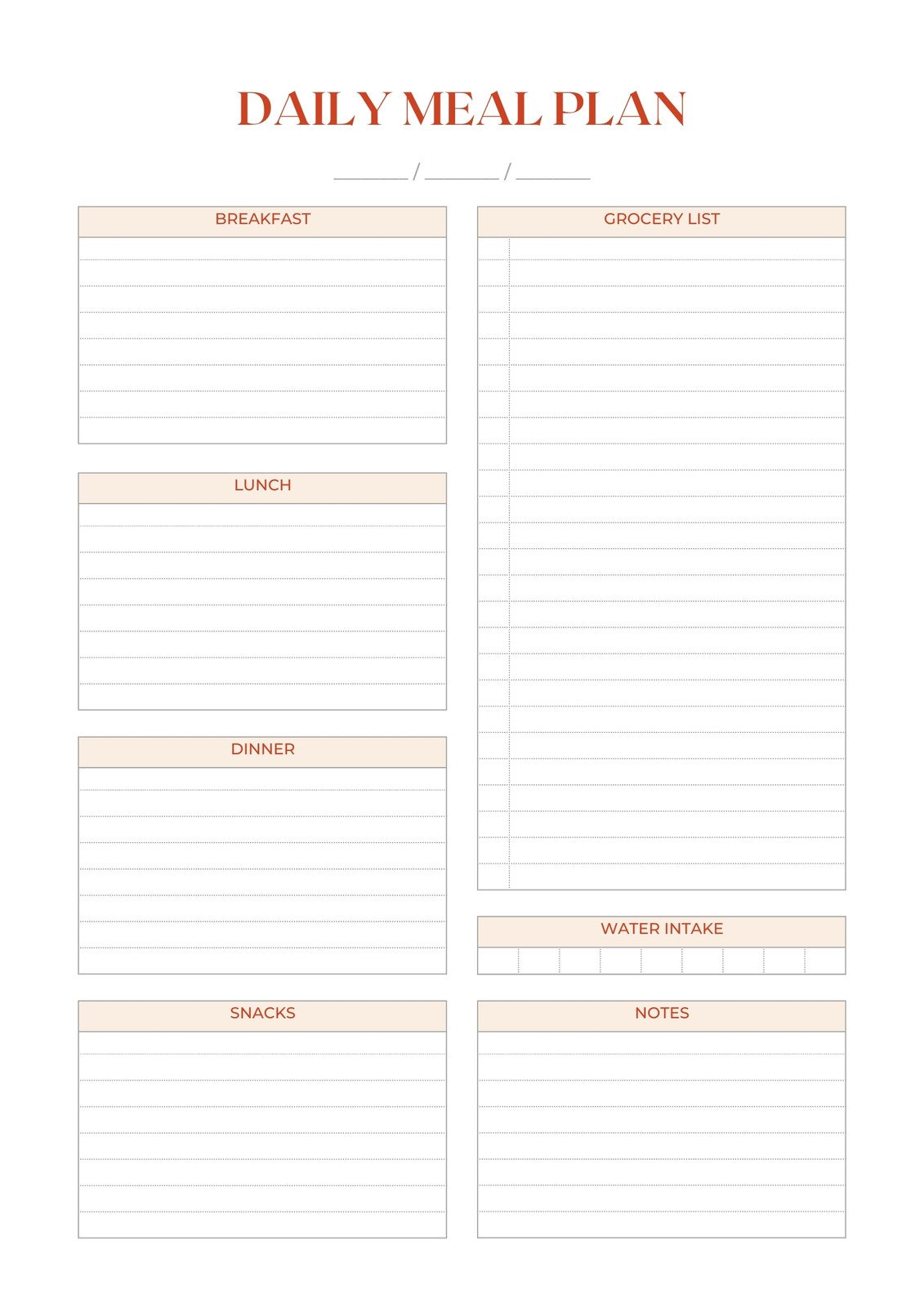

A final dietary check prevents mistakes. Even one allergy missed can create stress on your wedding day. Review notes with your caterer and planner so everyone knows who receives which meal.
- Reconfirm dietary list week before
- Share notes with caterer
- Label special meals clearly
- Keep backup meal option
Helpful reminder: Add dietary notes to master vendor list.
Result: Meals are served safely and confidently.
17. Finalize vendor meal confirmations
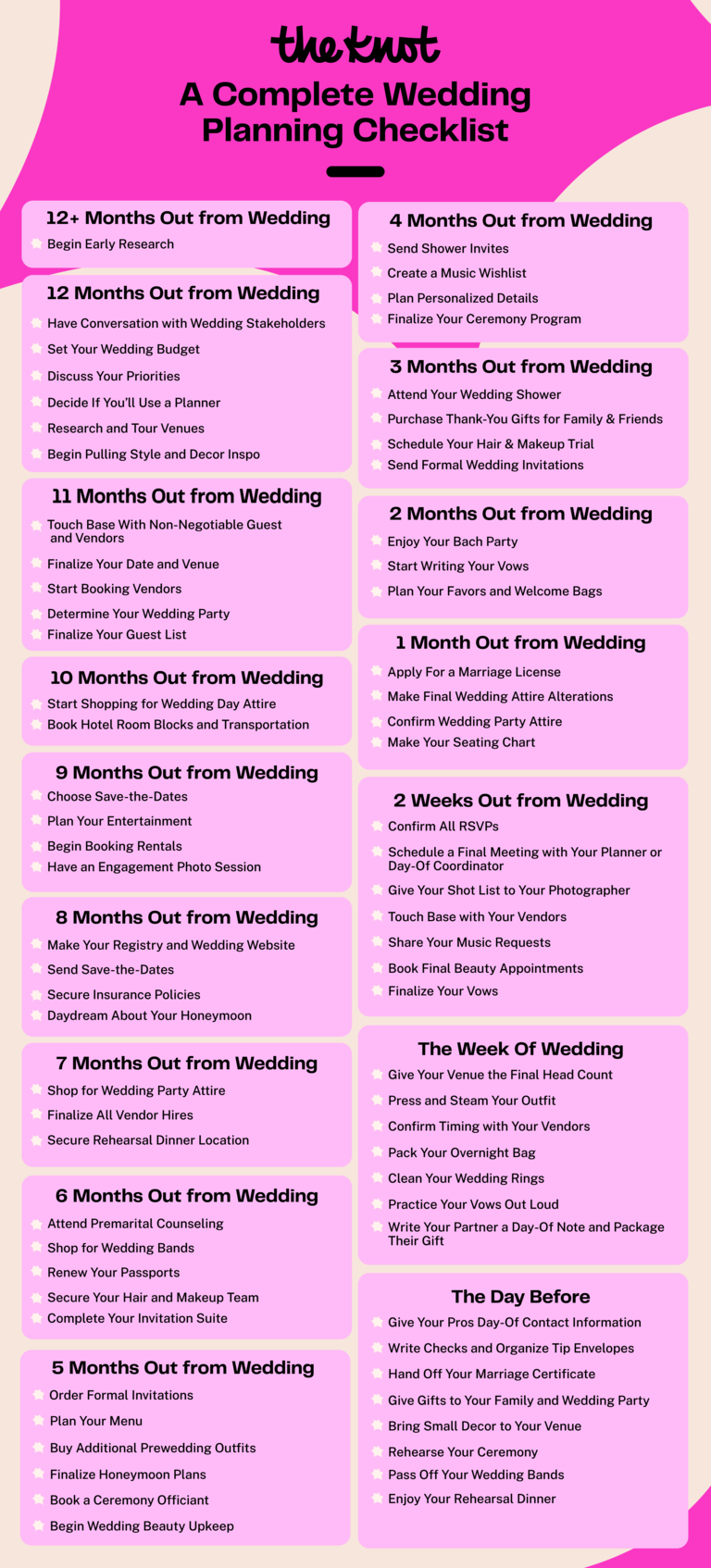

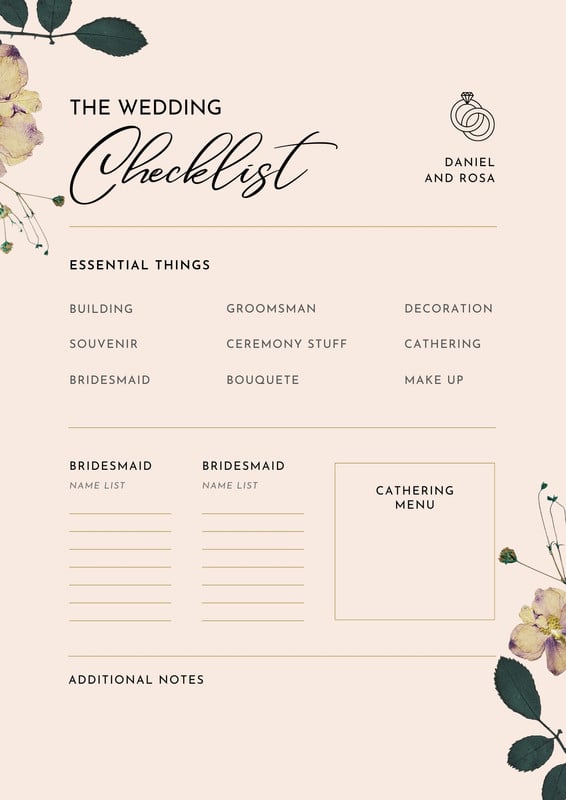
A few days before the wedding, send one final confirmation message to vendors. This closes the loop and ensures everyone knows meals are prepared. It shows professionalism and builds trust with your team.
- Send final meal confirmation email
- Include timing and location details
- Confirm dietary notes again
- Share reception layout
Last smart move: Keep one printed copy on wedding day.
Result: Everyone arrives prepared and relaxed.
Easy Slip-Ups Couples Often Miss
- Forgetting assistant vendors in meal count
- Serving vendors too late in the evening
- No seating space for staff
- Missing dietary restrictions
- Not adding meals to budget early
FAQs
Do vendors need to be fed?
Yes. Most vendors work 6–12 hours and rely on meals to stay energetic. Feeding them helps them perform better throughout your wedding.
What meals are appropriate for vendors?
Simple plated meals with protein, carbs, and vegetables work best. Avoid messy or slow-to-eat foods.
Is vendor meal cost mandatory?
Often yes, especially if written inside vendor contracts. Even when optional, it’s considered professional etiquette.
Where should vendors eat?
A quiet side area or private table near the reception works best. It keeps them close while giving them space.
How many vendor meals to order?
Count every working person — photographer teams, DJs, planners, assistants — and add 1–2 extra meals as backup.
Conclusion
Planning vendor meals may feel small, but it protects the flow of your entire wedding day. Well-fed vendors work better, stay happy, and help your celebration run smoothly. Keep your planning organized, use a clear timeline, and think ahead. For even more complete guidance, explore your full wedding planning resources (/wedding/planning/) and consider creative ideas like wedding food stations to elevate the guest experience naturally.
Focus Keyphrase
plan wedding vendor meals properly
Keyphrase Synonym (1)
wedding vendor meal planning
Related Keyphrase (1)
vendor meals for wedding day
Primary H1
Plan Wedding Vendor Meals Properly for a Smooth Wedding Day
Alternative H1s (2–3)
- How to Organize Wedding Vendor Meals Without Stress
- Smart Wedding Vendor Meal Planning Couples Forget
- The Simple Way to Handle Vendor Meals at Weddings
Meta Titles (3)
- Plan Wedding Vendor Meals Properly (Stress-Free Guide)
- Wedding Vendor Meal Planning Made Simple for Couples
- How to Plan Vendor Meals for a Smooth Wedding Day
Power Title (1)
The Smart Couple’s Guide to Planning Wedding Vendor Meals Properly
Meta Description (155–158 chars)
Organize wedding vendor meals properly so your day flows smoothly. Keep vendors energized, avoid timing mistakes, and discover the small detail couples miss.
High CTR Slug / URL + 3 variations
Main Slug (Intent: Planning | Structure: Action-first)
plan-vendor-meal-flow
Variations:
- organize-vendor-meals
- vendor-meal-planning-guide
- structure-vendor-meals
Intro Paragraph (70–80 words)
Silence hits when food runs late. Suddenly, everyone feels it. Vendors power your wedding behind the scenes, yet their meals often get planned last — and that creates stress fast. This guide helps you plan wedding vendor meals properly so timing stays smooth, energy stays high, and your day flows naturally. You’ll learn simple, practical planning steps that prevent confusion, protect your timeline, and make your celebration feel calm, organized, and professionally handled from start to finish.
Conclusion Paragraph (65–70 words)
When vendor meals are planned well, the whole day feels easier. Your team works better, transitions stay calm, and you enjoy more moments without worry. Small planning choices create a big difference in how smooth your wedding feels. Keep building your strategy step by step, and explore more practical ideas inside /wedding/planning/ to make every detail feel organized, intentional, and completely stress-free.