


Master Wedding Tasting Decisions
Planning a wedding menu sounds fun — until you sit at a tasting table and realize every decision matters. The food, drinks, plating, and portions all shape your guests’ experience. This guide helps you move through tastings with confidence, clarity, and zero stress. You’ll learn how to make smart choices, ask the right questions, and lock decisions that feel right for your style, budget, and celebration.
1. Schedule Private Tasting Session


A private tasting gives you focus and calm. You can talk openly with the caterer, ask detailed questions, and notice flavors without noise. Aim for a quiet weekday slot when chefs are less rushed. Bring your notes, wedding vision, and guest preferences so every bite connects to your overall celebration style.
- Book at least 2–3 months before final menu deadline
- Ask for chef interaction during tasting
- Choose daytime for better flavor evaluation
- Bring wedding theme notes or mood board
- Confirm how many dishes are included
Smart move: Eat light before arriving so your taste buds stay sharp.
Result: You make thoughtful decisions instead of rushed ones.
2. Taste Full Course Samples

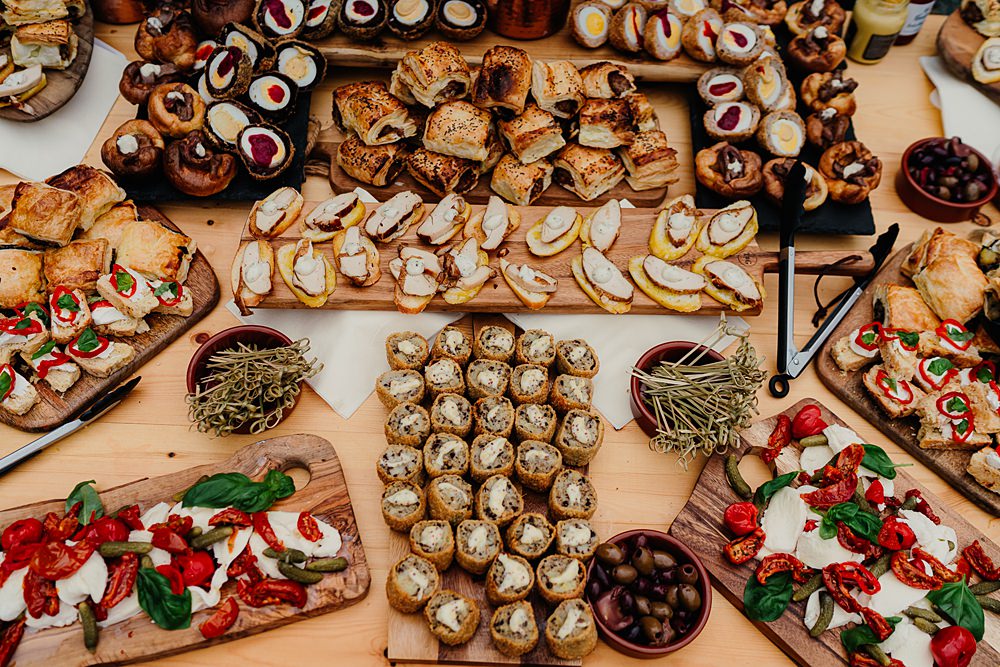

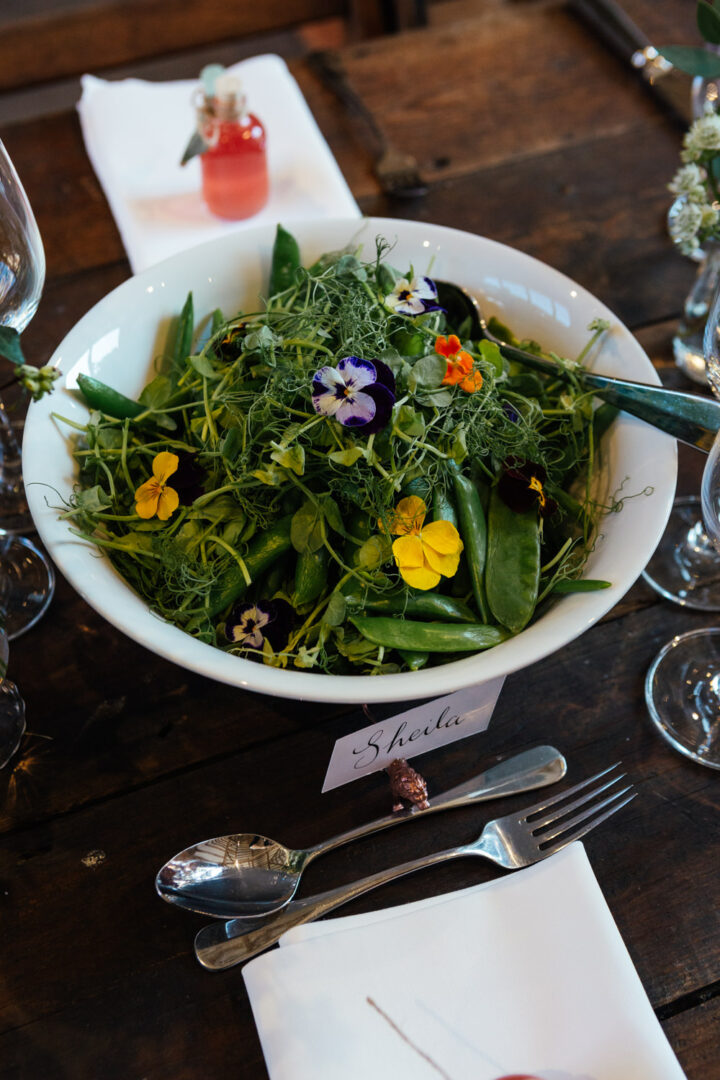
Tasting only one dish doesn’t show the full experience. You need to feel how appetizers, mains, and desserts work together. Think like a guest: does the meal feel balanced from start to finish? A full-course test helps you avoid heavy menus or flavors that repeat too much.
- Taste starter, main, side, and dessert together
- Check pacing between courses
- Notice texture changes across dishes
- Watch portion size flow
- Compare meat and vegetarian options
Helpful note: Rate each course separately before discussing.
Result: You design a smooth dining journey.
3. Review Plated Presentation


Guests eat with their eyes first. During the tasting, look closely at color, garnish, plate size, and spacing. A beautiful plate feels premium even when simple. Ask if presentation changes for large events because some caterers simplify plating when serving hundreds of guests.
- Check color contrast on the plate
- Ask about garnish consistency
- Confirm serving style for big guest counts
- Ensure plates fit your aesthetic
- Compare minimalist vs decorative looks
Helpful note: Photograph the plate from table height.
Result: Your reception feels polished and intentional.
4. Score Flavor Balance Honestly


Be honest during tasting — this is not the time to be polite. Think about salt, sweetness, spice, and richness. Some dishes taste amazing in small bites but feel heavy as full meals. Use simple ratings like 1–5 for flavor, texture, and aftertaste so your final decision feels objective.
- Rate flavor intensity
- Mark overly salty or sweet dishes
- Notice freshness level
- Compare temperature consistency
- Check seasoning balance
Helpful note: Taste twice before giving feedback.
Result: Your final menu keeps guests satisfied, not tired.
➡️ Related planning help: catering planning
5. Compare Drink Pairings
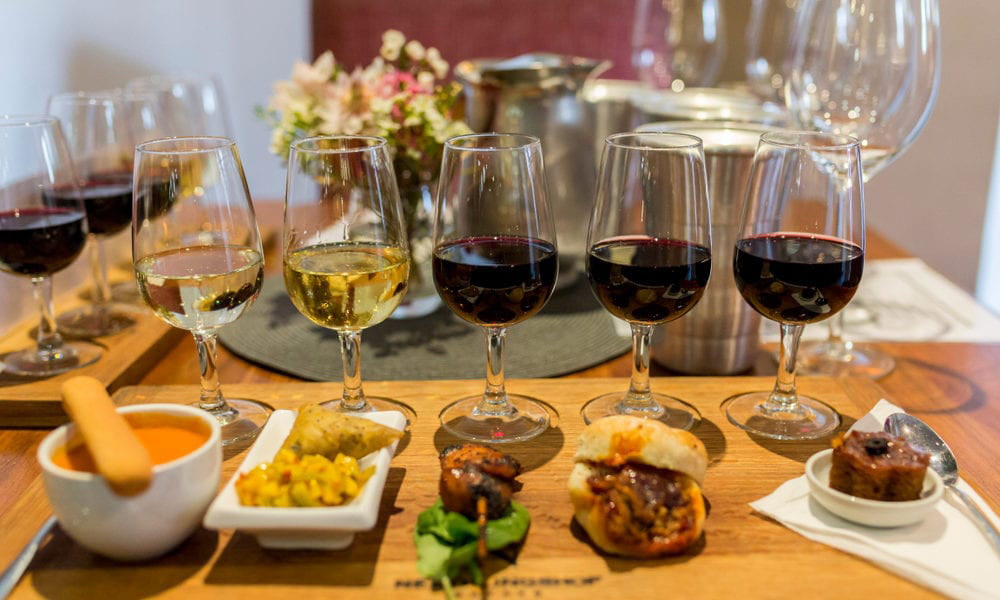
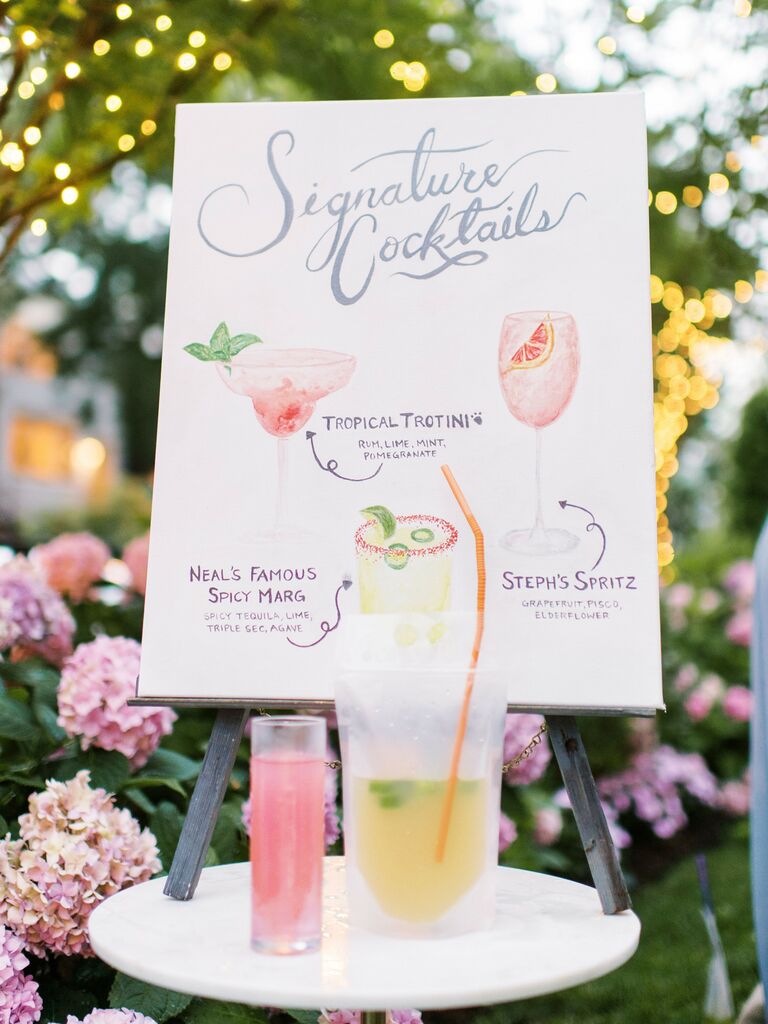

Drinks can elevate or ruin a meal. During tasting, test wines or cocktails with food instead of separately. Some pairings enhance flavor while others clash. Think about your crowd too — a mix of light, refreshing options usually works best across ages.
- Match lighter drinks with appetizers
- Test cocktail sweetness level
- Compare red vs white pairing
- Include non-alcoholic options
- Ask about serving temperature
Helpful note: Choose one crowd-pleasing signature drink.
Result: Guests remember the experience, not just the food.
6. Test Dessert Display Setup


Desserts are visual highlights, especially for photos. Ask to see how they will be displayed, not just tasted. Height, lighting, and arrangement matter. A well-styled table encourages guests to interact and share pictures — perfect for Pinterest-worthy moments.
- Check table layout spacing
- Mix colors and heights
- Include bite-size options
- Ask about refrigeration needs
- Plan serving flow
Helpful note: Use small signs for flavor labels.
Result: Dessert becomes a memorable photo spot.
7. Photograph Tasting Plates

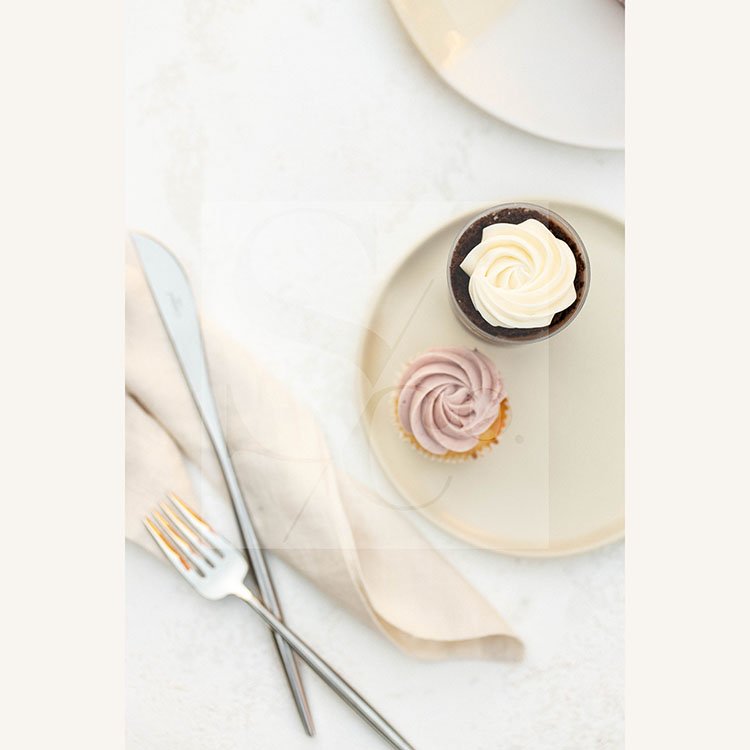

Photos help you remember details later. After tasting several dishes, flavors blur together. Quick phone shots help you compare plating, portions, and styling when reviewing choices at home. Capture both close-ups and table-wide angles for better context.
- Photograph from top and side angles
- Capture menu cards beside plates
- Keep natural lighting if possible
- Compare images after tasting
- Label photos immediately
Helpful note: Create an album named “Wedding Menu.”
Result: Decisions feel easier during final review.
8. Finalize Signature Drink List

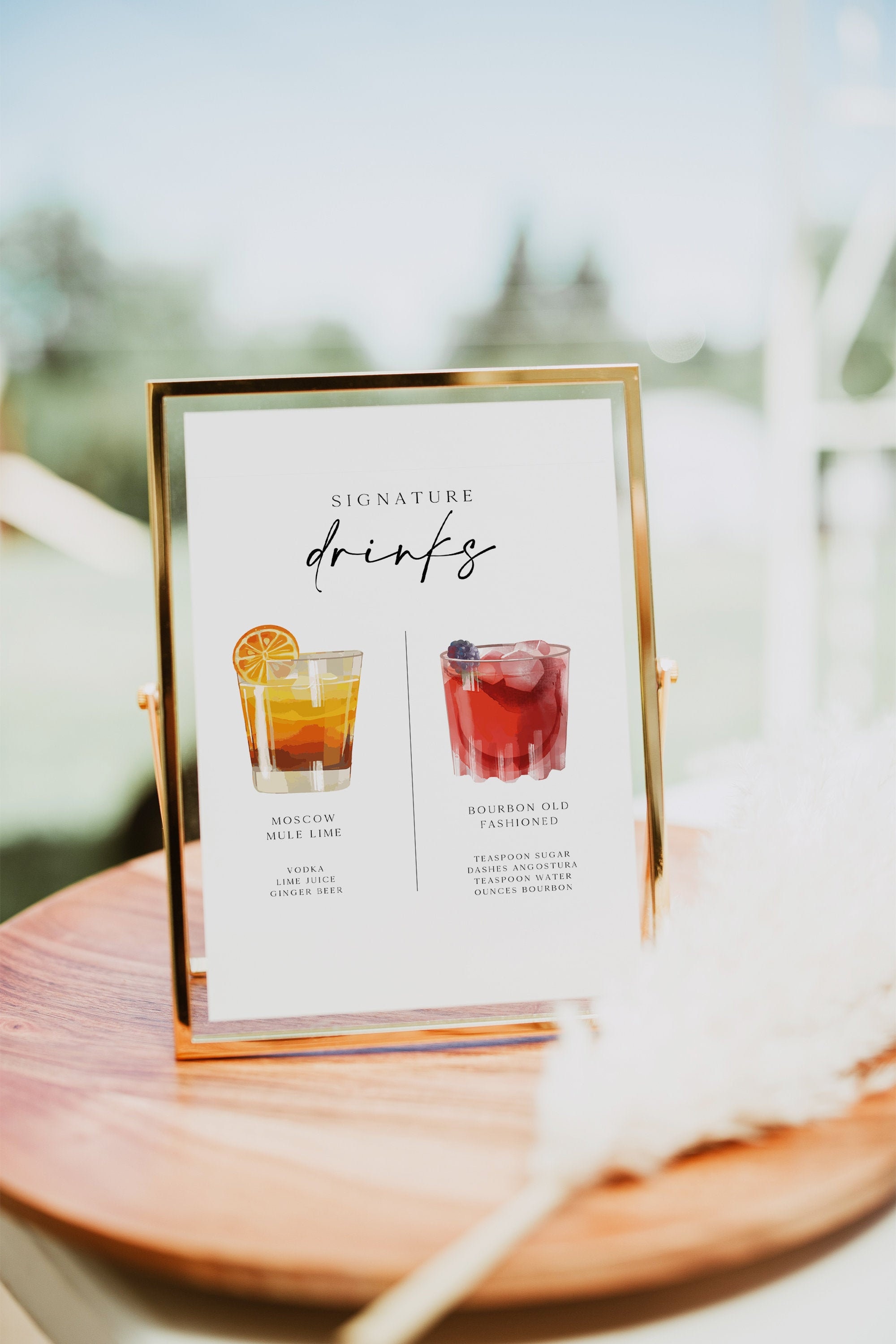

Signature drinks add personality and simplify bar service. Keep it simple — one or two options are enough. Choose something easy to batch so guests get served faster. Match flavors with your season and overall vibe for consistency.
- Pick one light and one bold option
- Use seasonal ingredients
- Keep alcohol strength moderate
- Add garnish that matches theme
- Include alcohol-free alternative
Helpful note: Name drinks after meaningful moments.
Result: Your menu feels personal and unforgettable.
9. Confirm Cake Flavor Selection

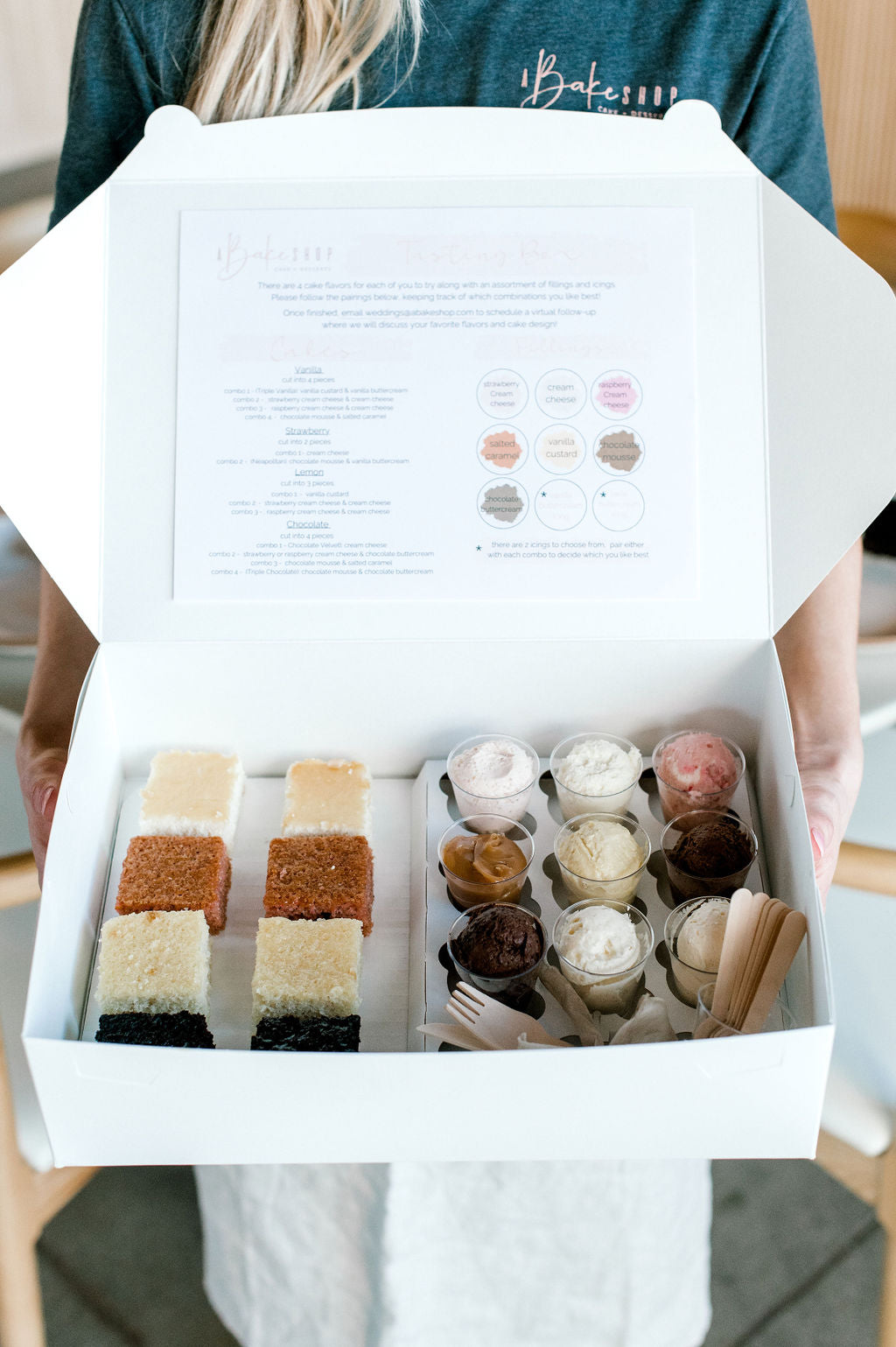


Cake should taste as good as it looks. Try at least two flavor combinations — one classic, one unique. Remember: guests usually prefer light, familiar flavors. Balance creativity with crowd comfort for best results.
- Test frosting sweetness level
- Compare texture moisture
- Ask about weather durability
- Choose complementary fillings
- Check serving size calculations
Helpful note: Pick flavors that photograph well when sliced.
Result: Cake becomes both a visual and taste success.
10. Ask About Seasonal Ingredients


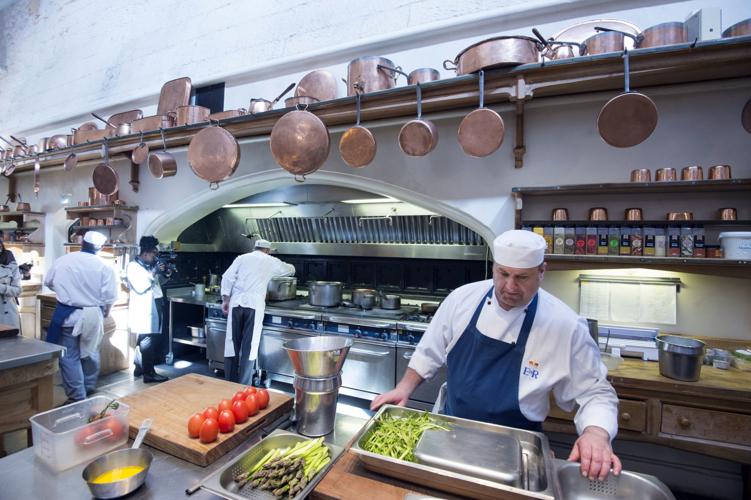
Seasonal ingredients usually taste better and cost less. Ask what is freshest during your wedding month. Chefs often have secret seasonal upgrades that improve flavor without adding big expense.
- Request seasonal produce options
- Ask for local sourcing
- Check ingredient substitutions
- Confirm seasonal availability
- Align menu with wedding month
Helpful note: Seasonal menus feel naturally cohesive.
Result: Better taste and smarter budgeting.
➡️ Explore more inspiration: wedding menu ideas
11. Approve Plated Portion Sizes

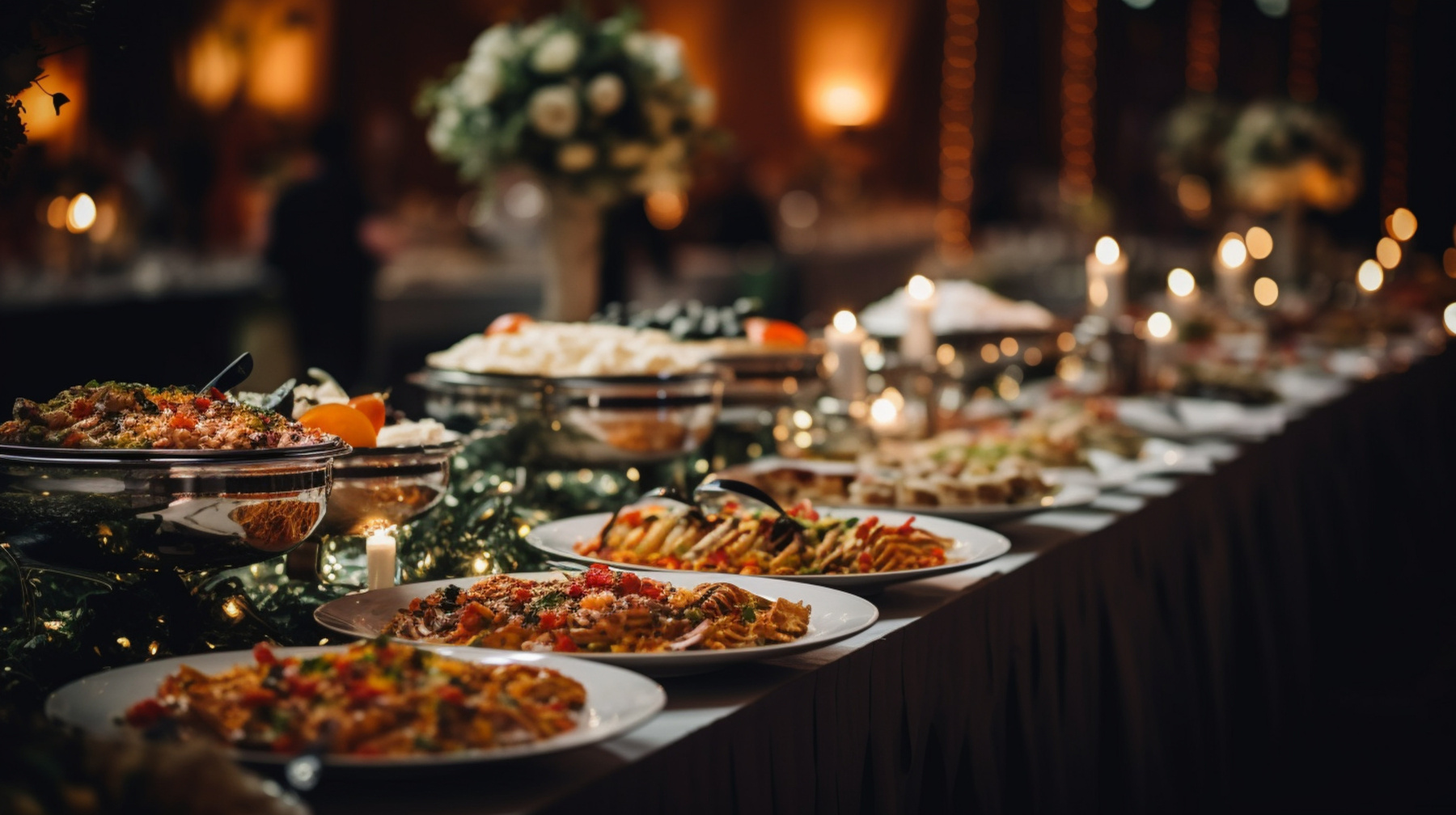
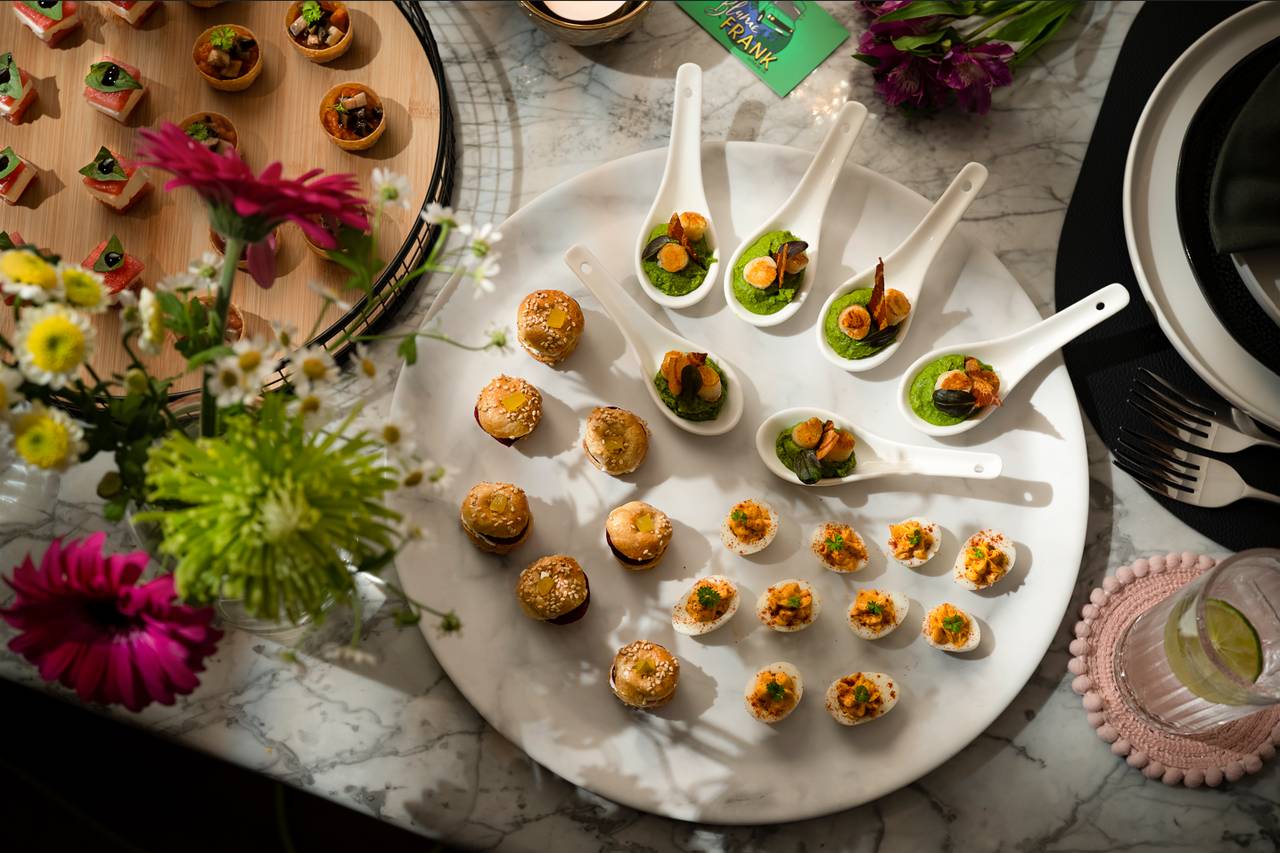
Portion size affects satisfaction and budget. Too small leaves guests hungry. Too large wastes food. During tasting, ask how portions scale for events. Visual balance on the plate matters as much as quantity.
- Compare proteins and sides ratio
- Check if seniors/children portions differ
- Ask about buffet vs plated sizes
- Consider late-night snacks if portions are small
- Watch plate fullness
Helpful note: Think about guest appetite after dancing.
Result: Guests feel full but comfortable.
12. Request Menu Customization
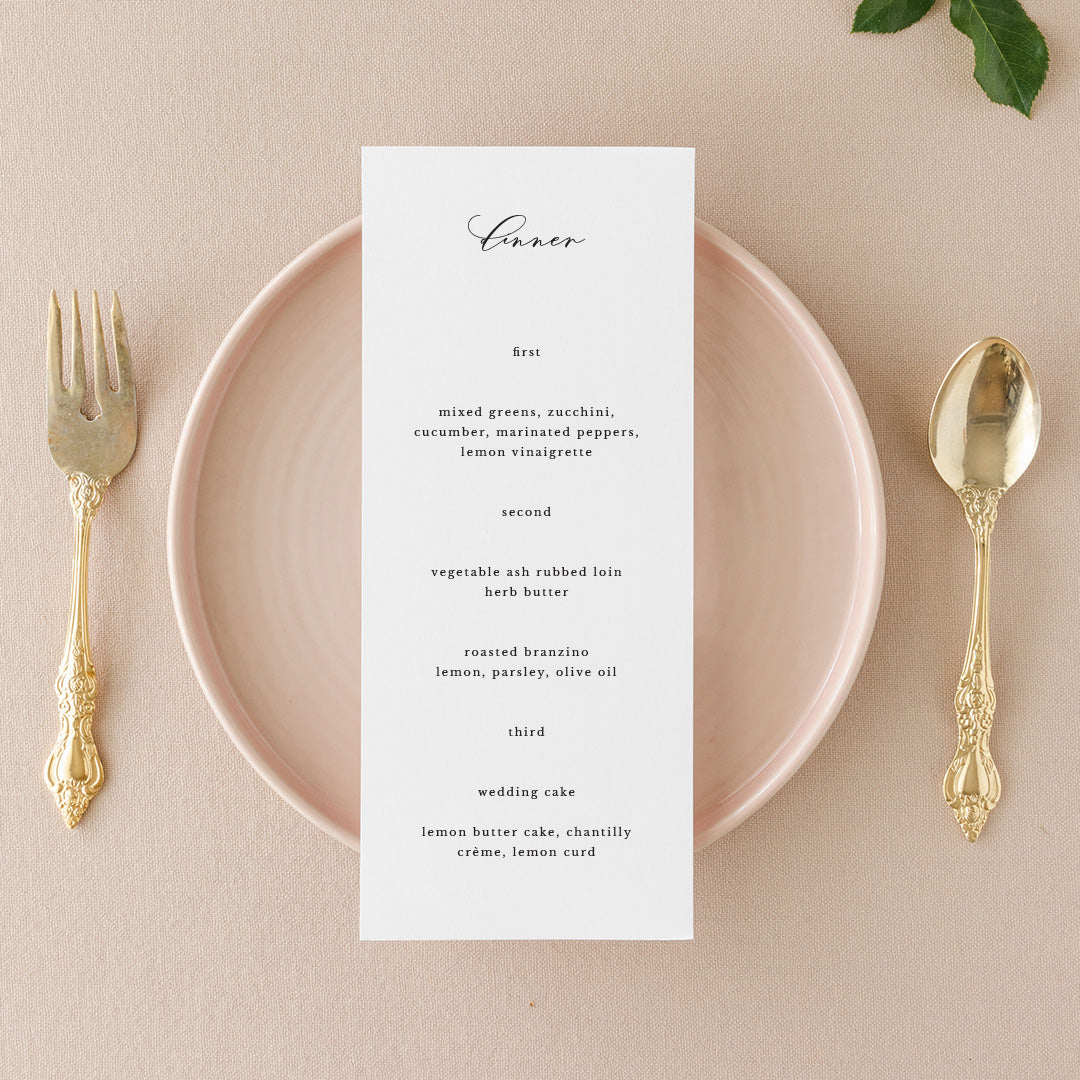
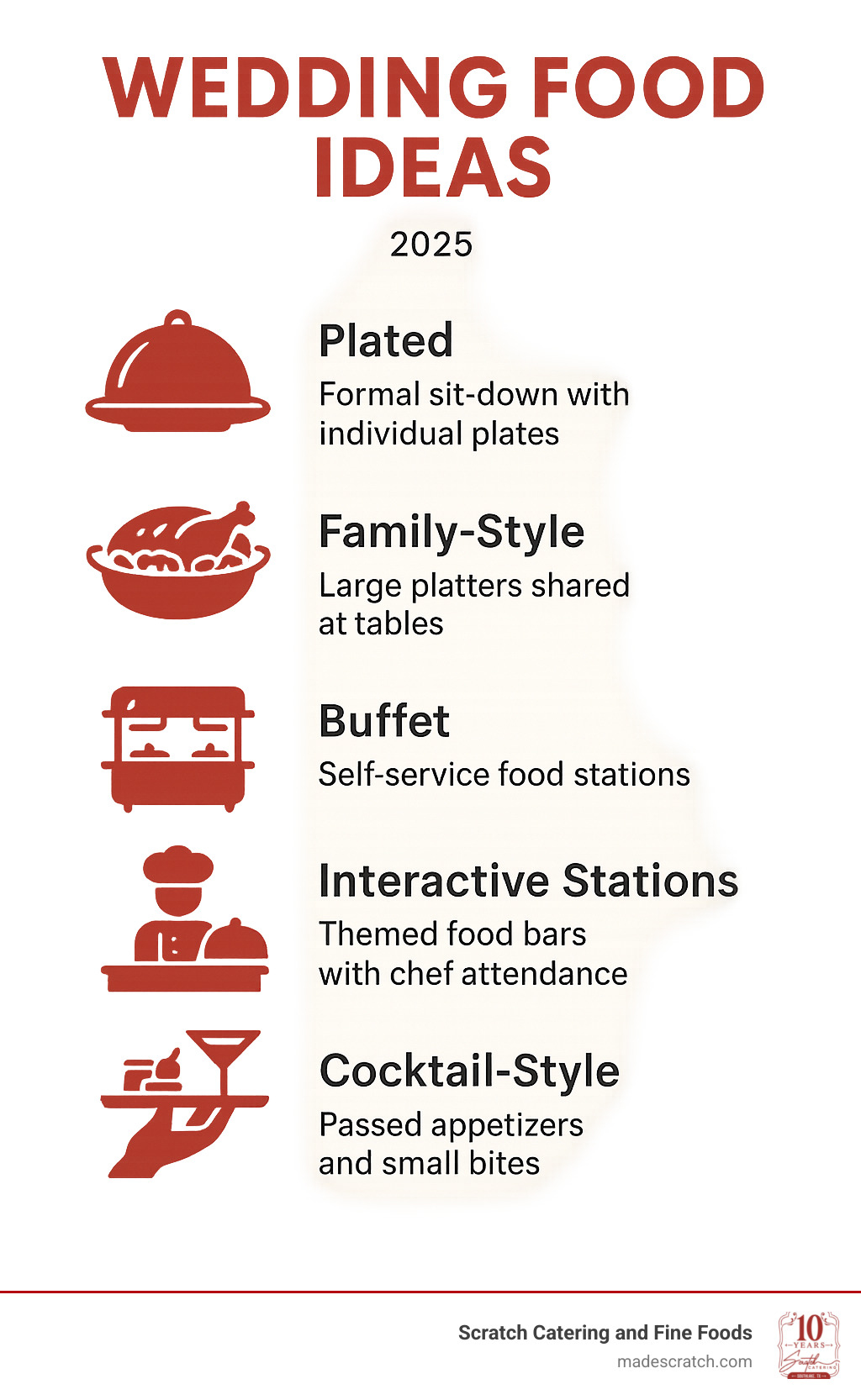


Don’t assume menus are fixed. Most caterers allow small tweaks like swapping sides or adjusting sauces. This is where you align the menu with your story and guest preferences.
- Swap side dishes if needed
- Reduce heavy sauces
- Adjust spice levels
- Add cultural elements
- Match theme colors through ingredients
Helpful note: Ask what changes cost extra before deciding.
Result: Menu feels unique without surprises.
13. Confirm Allergy Accommodations

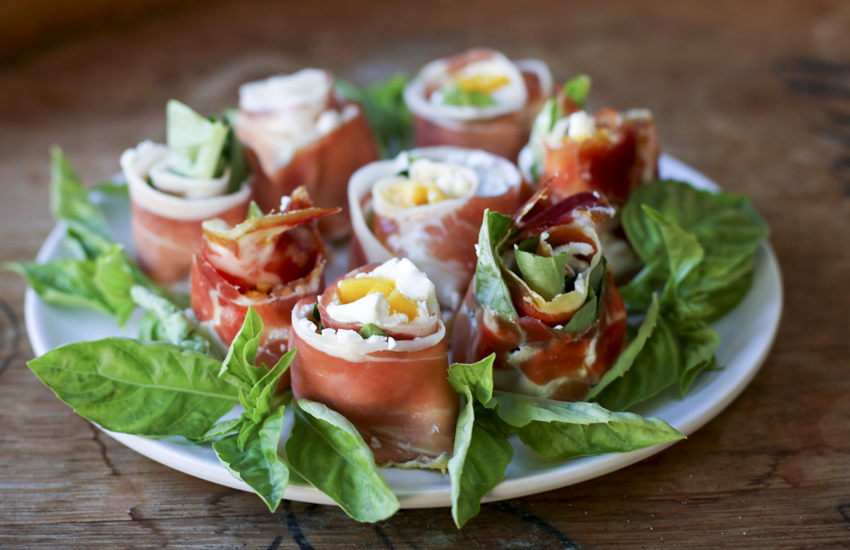

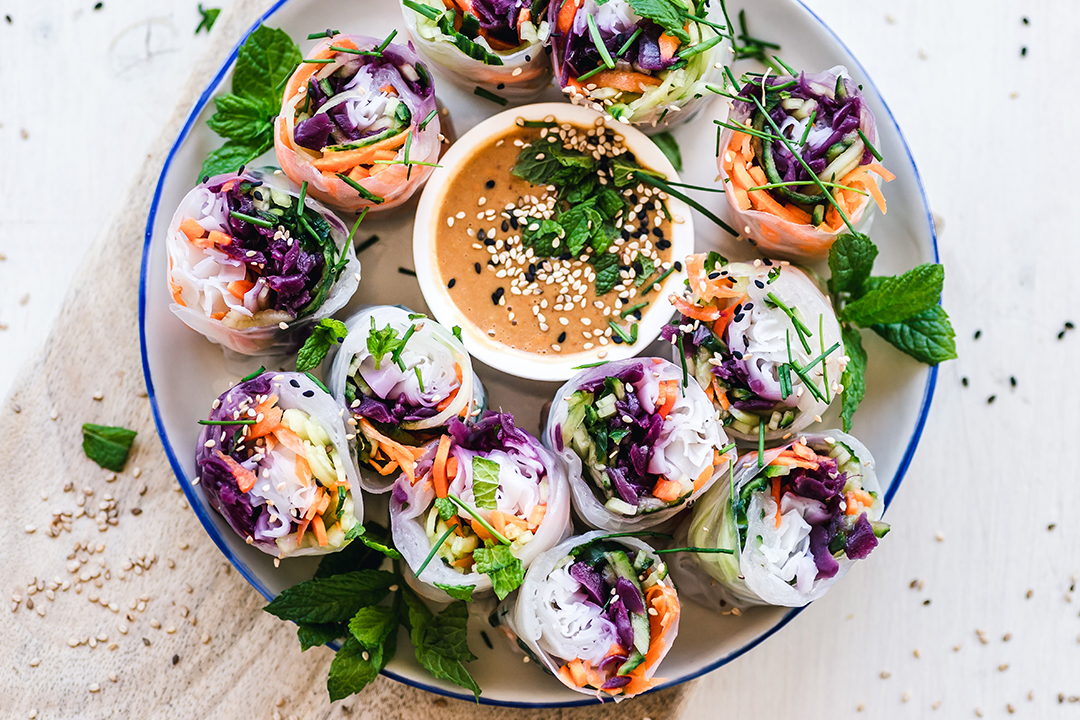
Allergy planning keeps guests safe and relaxed. Ask how the kitchen handles cross-contamination and labeling. Make sure alternatives look as good as main dishes so no guest feels left out.
- Confirm vegetarian and vegan options
- Ask about nut-free preparation
- Check gluten-free handling
- Label dishes clearly
- Train servers to answer questions
Helpful note: Include allergy info in RSVP forms.
Result: Guests trust your event planning.
14. Lock Final Tasting Decisions

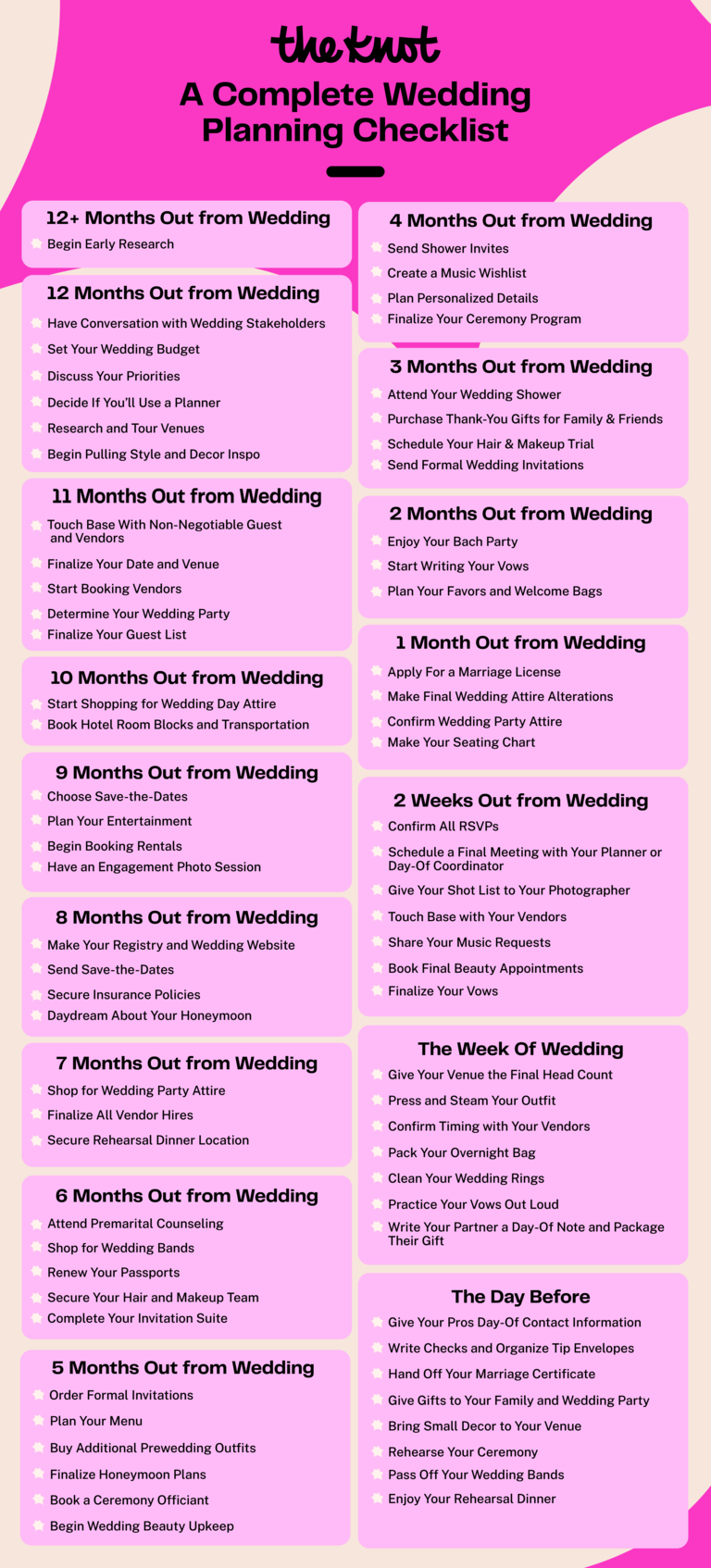

Once tasting ends, review notes within 24 hours. Waiting too long creates confusion. Pick clear winners and remove anything uncertain. Confidence keeps planning moving smoothly.
- Compare photos and scores
- Remove duplicate flavors
- Check budget impact
- Confirm guest variety
- Finalize written menu list
Helpful note: Decide while memory is fresh.
Result: Zero second-guessing later.
15. Schedule Follow-Up Adjustments


Small tweaks may appear after reflection. Schedule one short follow-up call instead of endless emails. This keeps communication clean and avoids mistakes.
- Set one clear adjustment meeting
- Share notes beforehand
- Confirm changes in writing
- Update timeline if needed
- Check final pricing impact
Helpful note: Keep revisions minimal.
Result: Smooth coordination with your caterer.
16. Approve Final Plated Styling
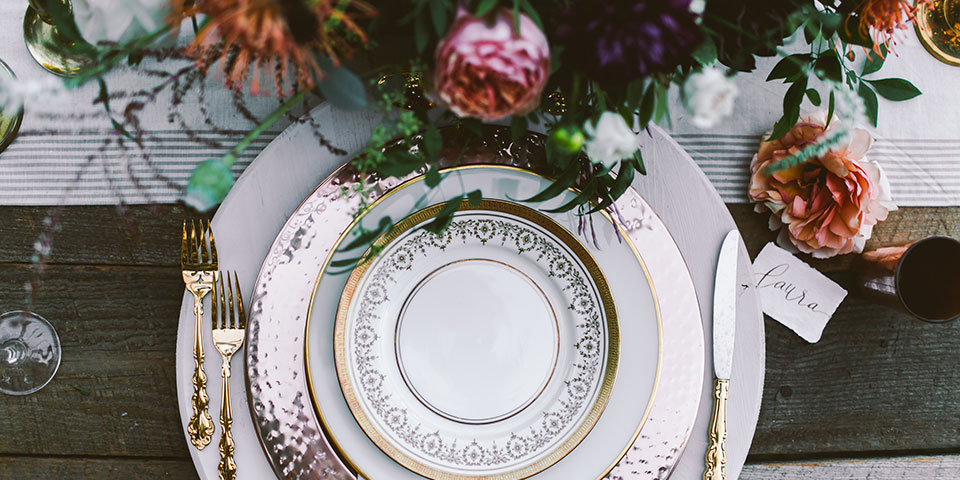


Final styling ensures everything matches your decor and mood. Review plate color, linens, and garnish style together. Consistency creates a luxury feel even in simple setups.
- Match plate colors with decor
- Check table spacing
- Keep garnish consistent
- Avoid overly busy designs
- Test with table lighting
Helpful note: Simple styling photographs best.
Result: Your reception looks cohesive in every photo.
➡️ More inspiration: menu ideas
17. Lock Catering Contract Terms
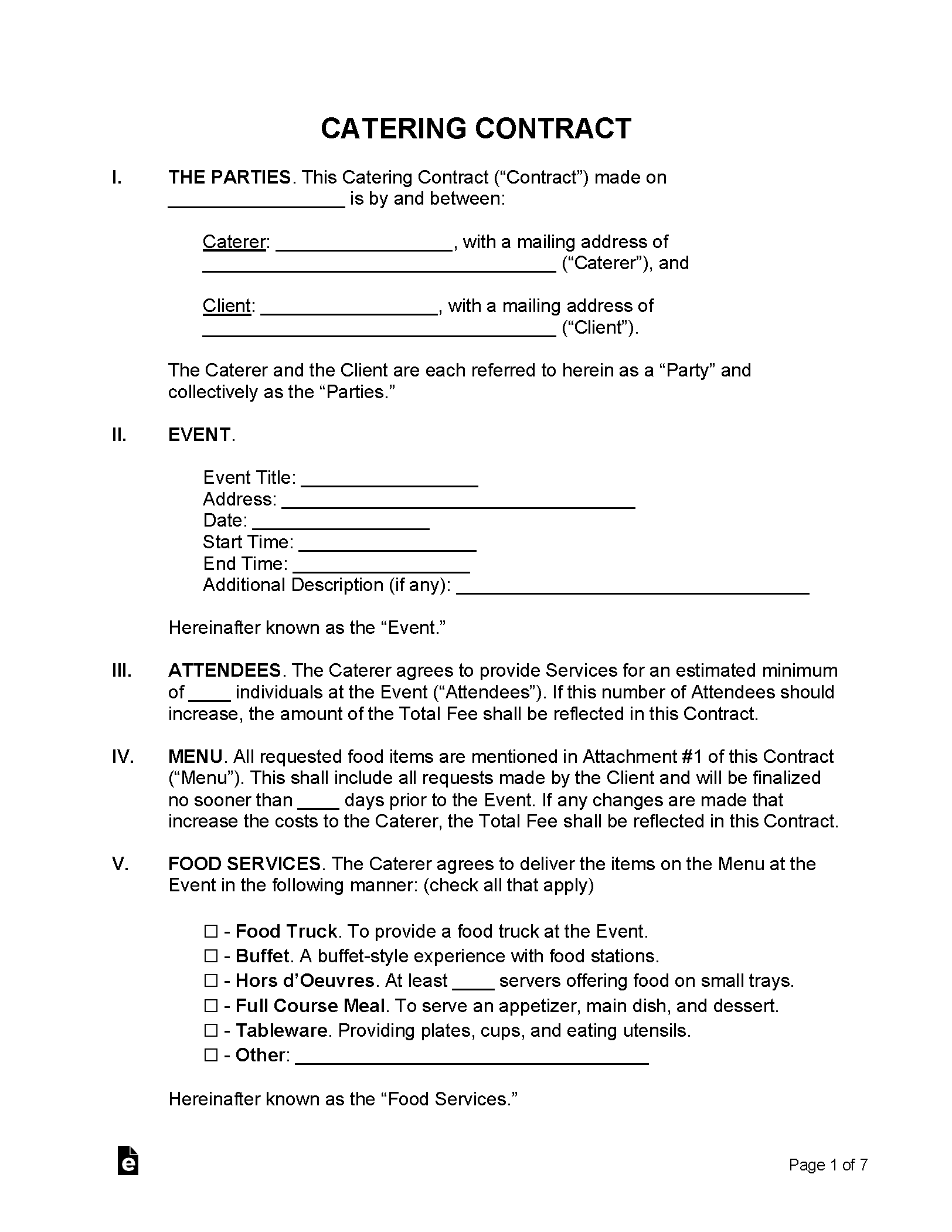

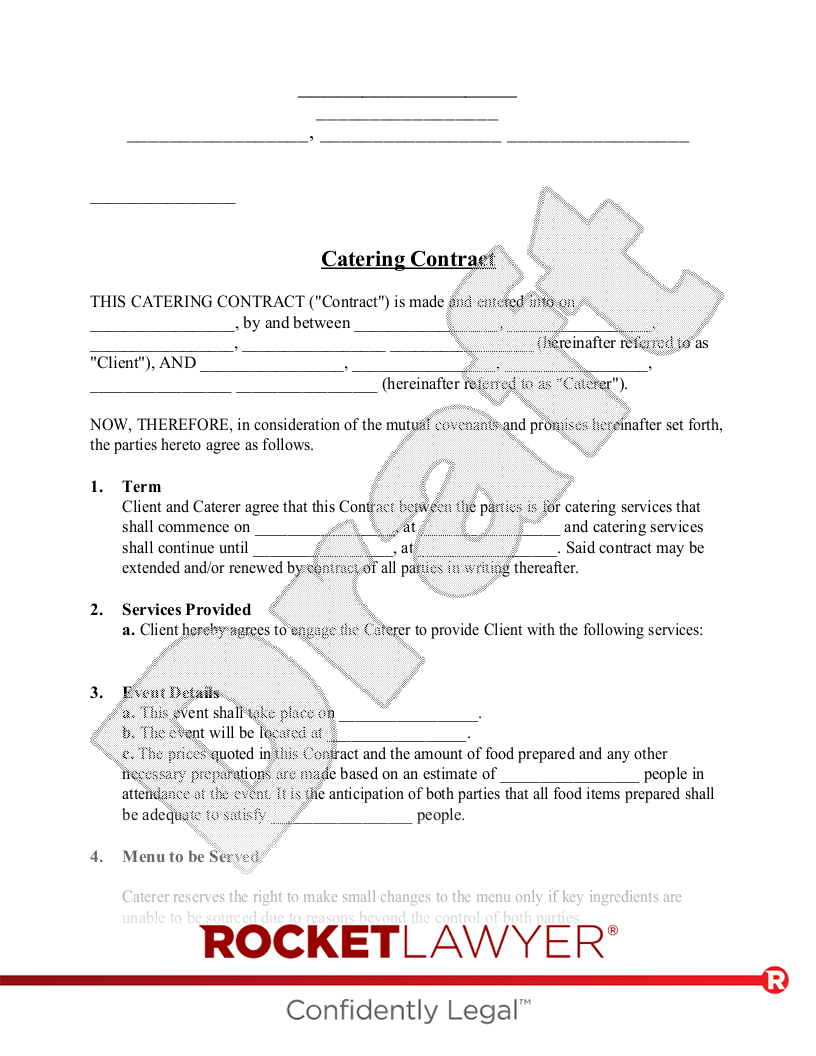
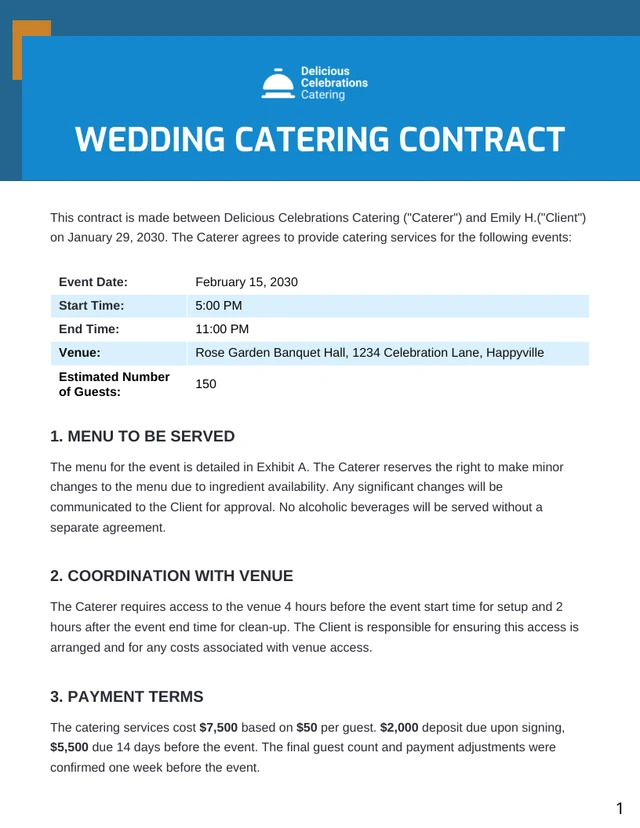
Before signing, read every detail carefully. Confirm guest count flexibility, cancellation rules, service fees, and staff numbers. A clear contract protects you from stress later.
- Check payment schedule
- Confirm overtime costs
- Review setup and cleanup responsibilities
- Verify guest minimums
- Ensure final menu is attached
Helpful note: Ask for clarification on unclear terms.
Result: Peace of mind on wedding day.
Small Details That Couples Often Miss
- Waiting too long to book tasting dates
- Choosing trendy food no one eats
- Ignoring portion size balance
- Forgetting non-alcoholic drink options
- Making too many menu changes
- Not reviewing contract fine print
FAQs
What should you ask at a wedding tasting?
Ask about ingredient quality, portion sizes, menu flexibility, allergy handling, and how food will look when served to large groups. Also ask what changes cost extra.
How many dishes should you taste?
Usually 3–6 options per course is enough. Too many dishes can overwhelm your palate and make decisions harder.
How to evaluate catering quality?
Look at flavor balance, freshness, plating, timing, and professionalism. Consistency matters more than fancy ingredients.
Should you bring family to tasting?
Bring only decision-makers. Too many opinions can create confusion. One or two trusted people is ideal.
What if you dislike the menu?
Be honest. Ask for changes or try another caterer. It’s better to adjust early than regret later.
Conclusion
Wedding tastings are not just about food — they are about creating memories your guests will feel and remember. When you plan carefully, taste thoughtfully, and ask the right questions, your menu becomes part of your story. Take your time, trust your taste, and lock decisions with confidence. For more complete planning guidance, explore your full wedding planning journey and build a celebration that feels truly yours.
Focus Keyphrase
Master wedding tasting decisions
Keyphrase Synonym (1)
wedding menu tasting guide
Related Keyphrase (1)
how to evaluate wedding catering
Primary H1
Master Wedding Tasting Decisions: How to Choose the Perfect Menu Without Regret
Alternative H1s (2–3)
-
How to Make Smart Wedding Tasting Decisions Like a Pro
-
Wedding Tasting Guide: Confident Choices for Your Final Menu
-
The Ultimate Wedding Food Tasting Plan for Couples
Meta Titles (3)
-
Master Wedding Tasting Decisions (Stress-Free Menu Guide)
-
Wedding Tasting Decisions Guide: Choose the Perfect Menu
-
Smart Wedding Tasting Tips for Confident Menu Choices
Power Title (1)
Master Wedding Tasting Decisions: The Secret to a Menu Guests Remember
Meta Description (155–158 chars)
Plan smarter wedding tasting decisions with simple steps, honest evaluation tips, and menu confidence so every bite feels right before your big day.
High CTR Slug / URL
plan-wedding-tasting
3 Variations
-
organize-wedding-tasting
-
tasting-decision-guide
-
wedding-tasting-plan
Intro Paragraph (70–80 words)
One bite can change everything. Couples often sit at tastings unsure what actually matters, and that moment decides how guests remember the night. The choices feel exciting but heavy at the same time. This guide helps you make clear, confident wedding tasting decisions without second-guessing. You’ll learn how to evaluate flavors, presentation, and menu flow so your final choices feel calm, intentional, and perfectly aligned with your wedding vision.
Conclusion Paragraph (65–70 words)
The right tasting decisions don’t come from pressure — they come from clarity. When you trust your senses, ask better questions, and focus on the full guest experience, your menu starts to feel effortless. Keep refining your plans step by step, and let your choices reflect your story. If you’re building the bigger picture too, continue your journey here: /wedding/planning/ for smoother, stress-free wedding decisions.