


Choose the Perfect Wedding Venue Step-by-Step
Choosing a wedding venue feels exciting — but it can also feel overwhelming. One decision affects your photos, guest comfort, decoration style, and even your wedding budget. The good news? You don’t need stress. You just need a clear plan. This step-by-step guide walks you through exactly what to check, what to ask, and how to feel confident in your choice — like a friend guiding you through the process.
1. Tour Multiple Venue Spaces

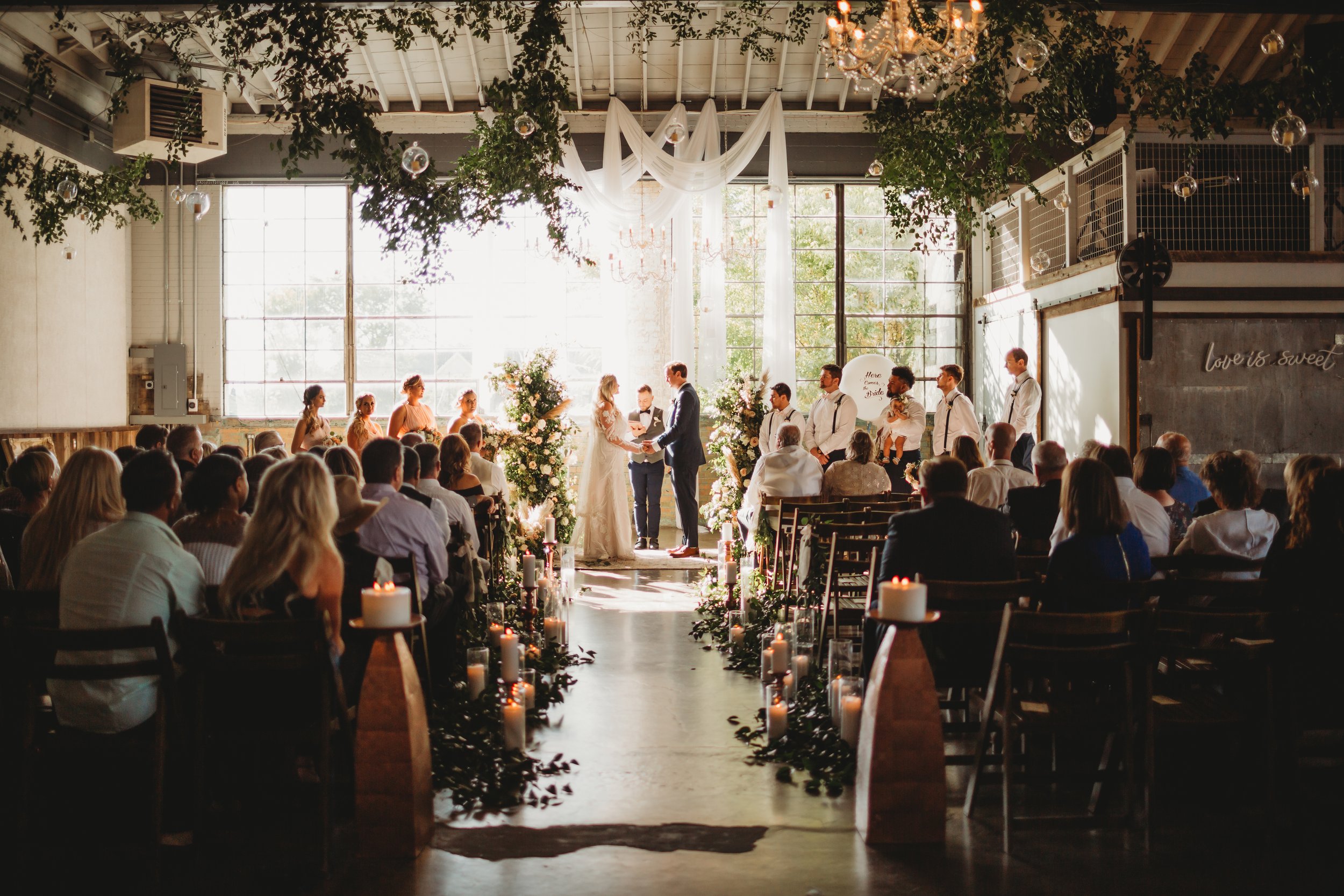
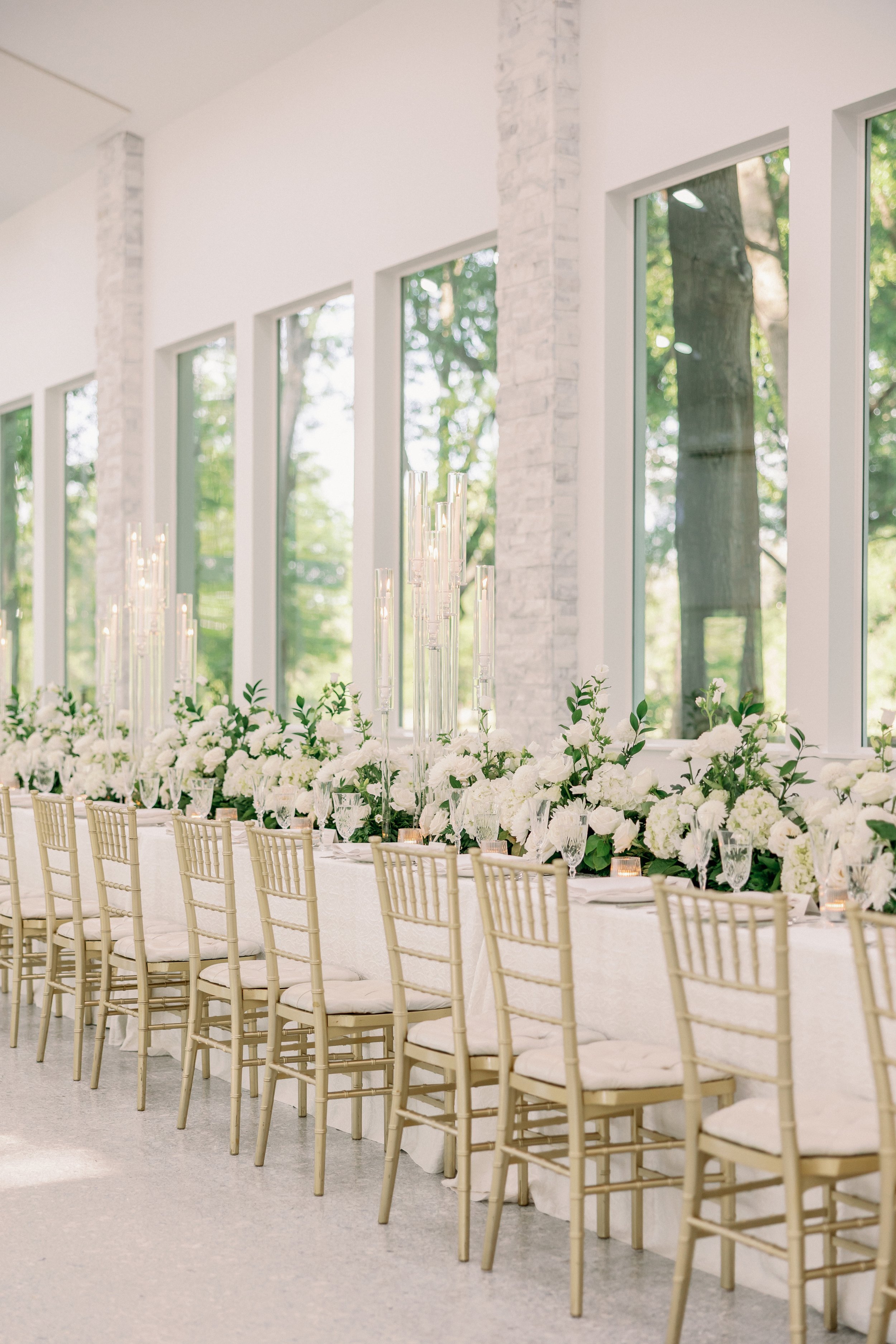

Visiting several venues helps you compare layout, vibe, and practicality. Photos online often hide details, so walking through spaces gives you a real feel of size and atmosphere. Try touring at the same time your wedding might happen so you can judge lighting and movement naturally. Take notes right away so all venues don’t blend together later.
- Visit at least 3–5 venues before deciding
- Record short videos for comparison
- Check guest entrance experience
- Observe cleanliness and maintenance
- Notice how staff treats visitors
Smart suggestion: Bring someone practical, not just emotional.
Why this helps: Real comparison prevents rushed decisions.
2. Measure Guest Seating Capacity
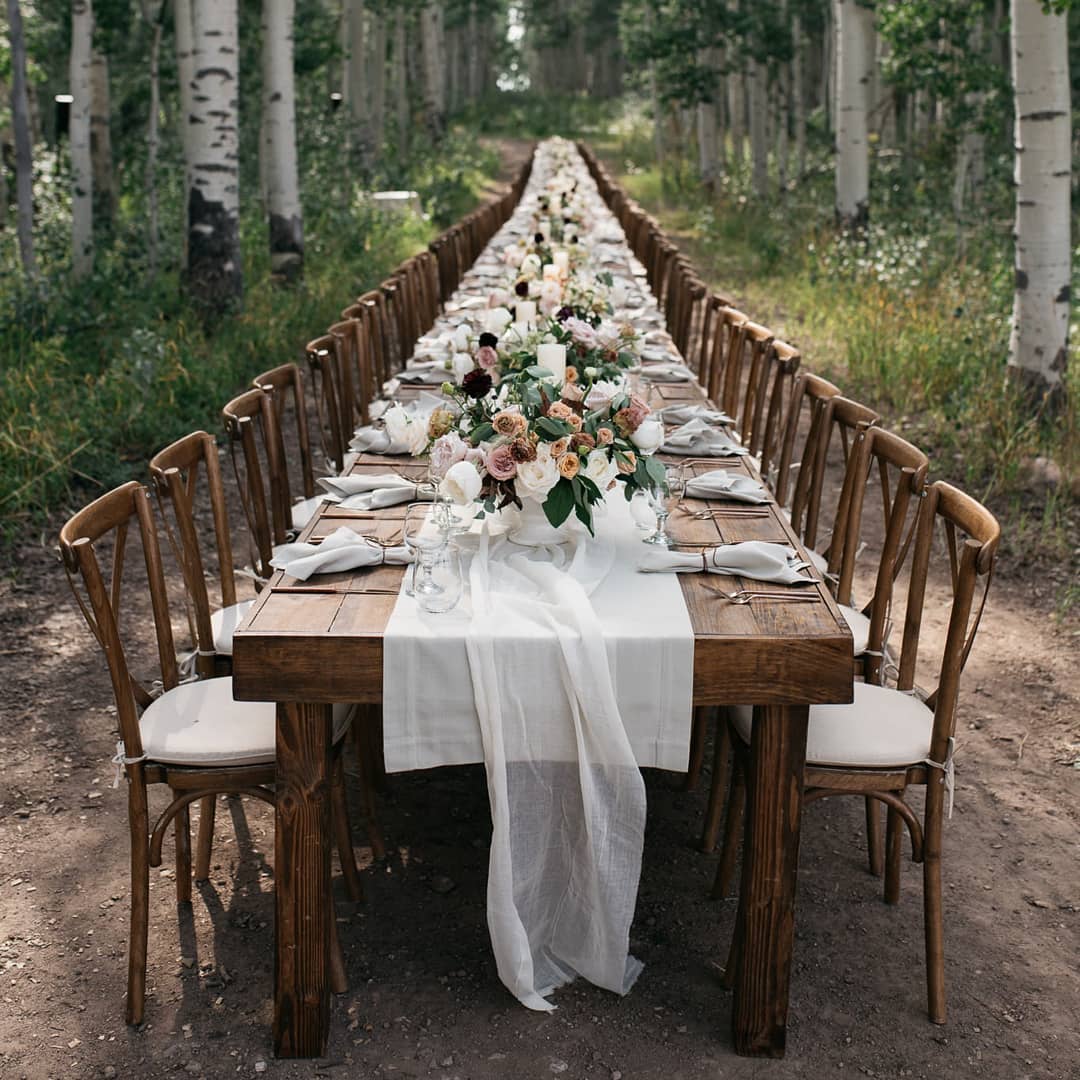


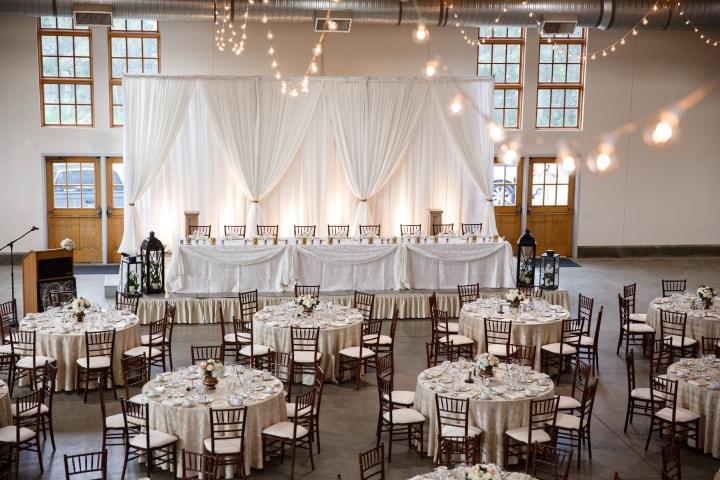
Capacity isn’t just about maximum numbers. Guests need breathing space, walking room, and comfort. A venue that says 200 people might feel cramped with décor and stage setups. Ask for real wedding examples instead of brochure numbers. Imagine servers moving, photographers working, and guests dancing — space matters more than you think.
- Ask for seated vs standing capacity
- Check space between tables
- Include dance floor in planning
- Confirm vendor setup areas
- Leave room for elderly guests
Extra idea: Add 10% buffer space if possible.
What makes this effective: Comfortable guests stay longer and enjoy more.
3. Test Natural Lighting Quality
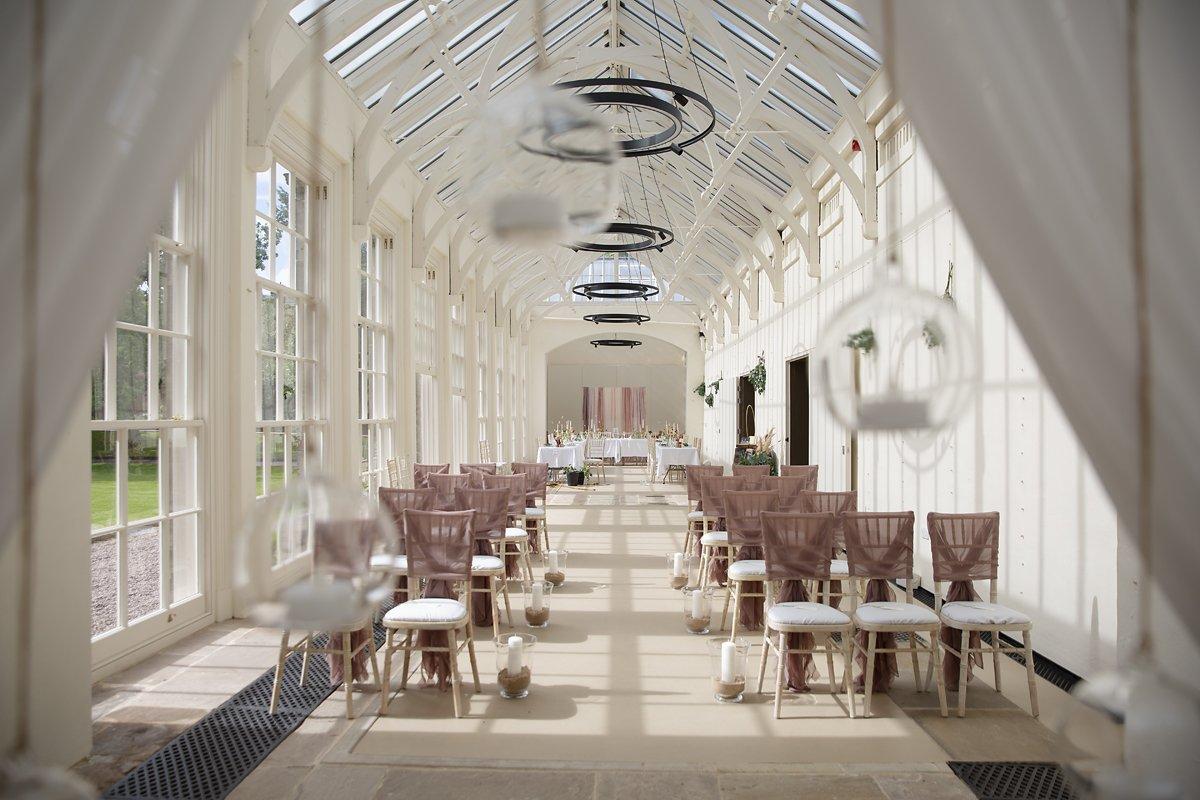
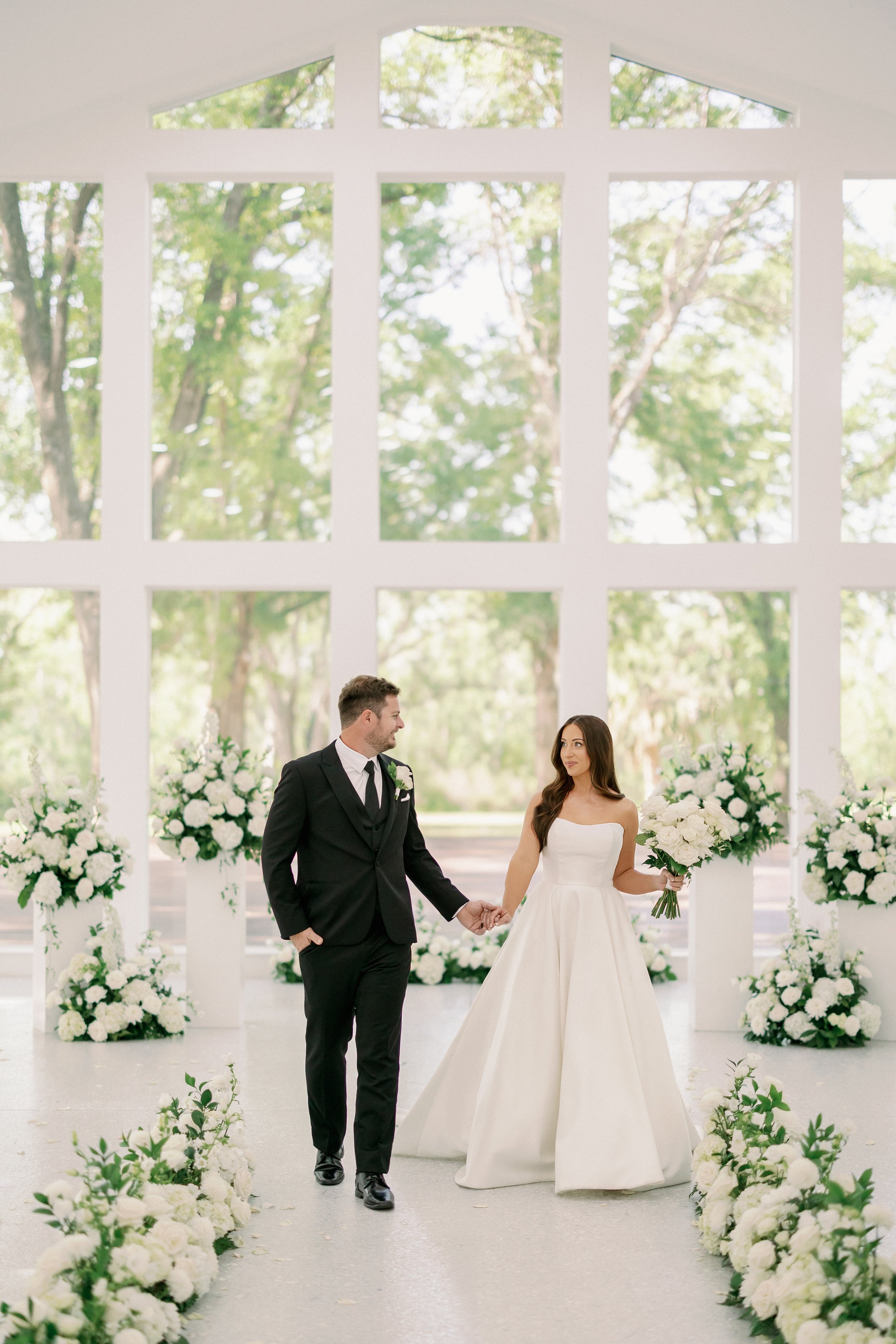
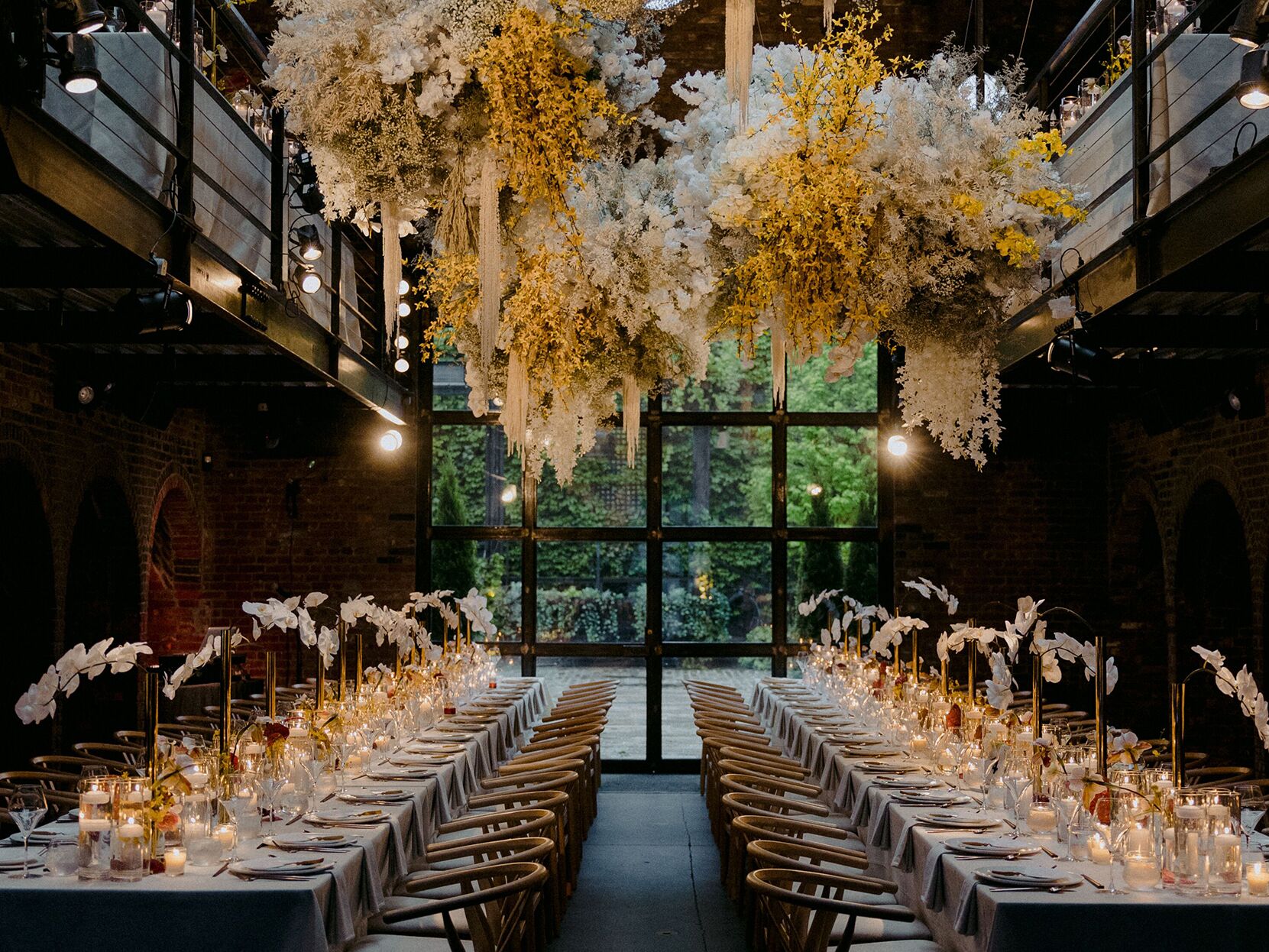
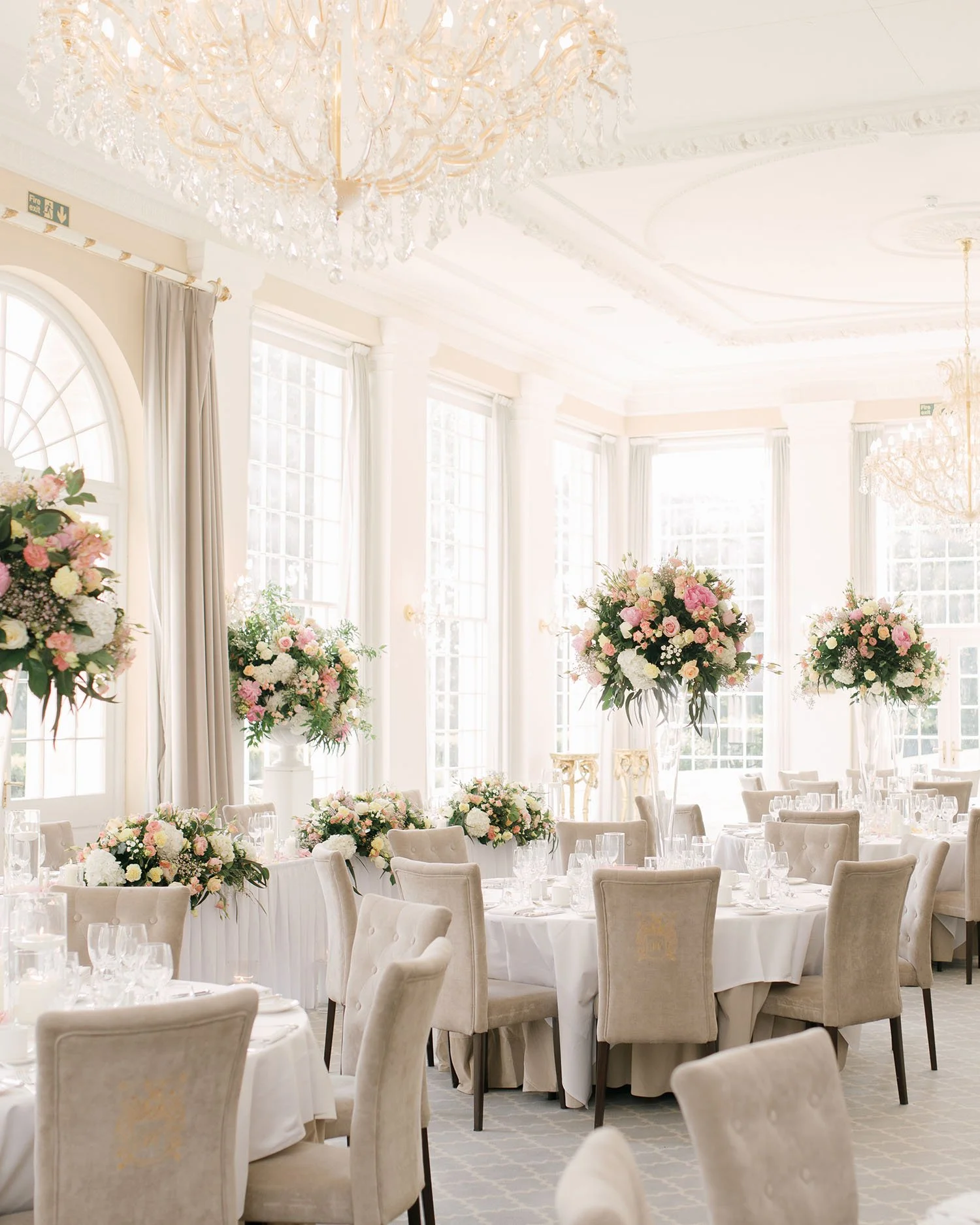
Lighting can transform your wedding photos from average to stunning. Visit during daytime and sunset if possible. Notice harsh shadows or dark corners. Natural light reduces decoration costs and gives your photographer more flexibility. Even indoor spaces can look magical if windows are positioned well.
- Check sunlight direction
- Notice dark corners
- Ask about curtain options
- Test lighting in key areas
- Observe evening lighting shift
Helpful hint: Stand where the ceremony will happen and look around.
Result: Better lighting means less editing and more natural photos.
4. Inspect Bridal Suite Spaces
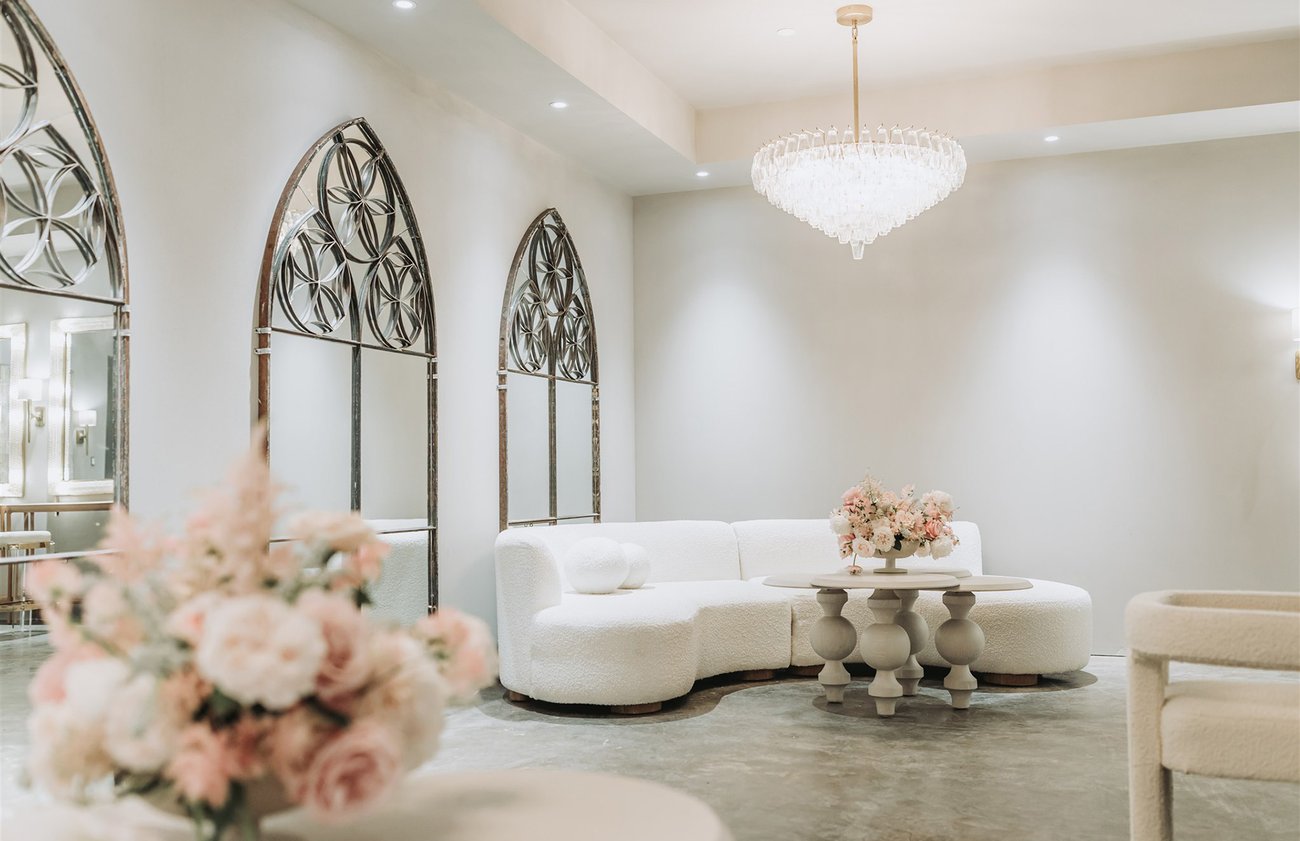


The bridal suite is where calm moments happen before the ceremony. It should feel peaceful, bright, and functional. Check mirrors, outlets, chairs, and space for makeup artists. A good suite keeps stress low and gives beautiful “getting ready” photos. This is also the perfect time to review your venue questions list and compare details with your budget guide naturally.
- Confirm mirror size and lighting
- Check air conditioning or heating
- Ensure enough seating
- Look for clean restrooms nearby
- Ask about early access timing
Quick reminder: Test phone signal inside.
Big benefit: A calm space keeps the morning smooth.
5. Walk Ceremony Backdrop Areas


The ceremony backdrop becomes the focal point of your photos. Walk slowly through this area and imagine guests seated, décor added, and photographers moving around. Notice distractions like poles, signs, or mismatched backgrounds. A clean visual backdrop saves décor money and improves your photo gallery instantly.
- Check background from guest view
- Look for distracting elements
- Verify arch or décor placement options
- Test walking aisle space
- Confirm shade or weather cover
Little insight: Stand at camera height to test angles.
Reason it works: Strong visuals create timeless photos.
6. Check Sound and Acoustics
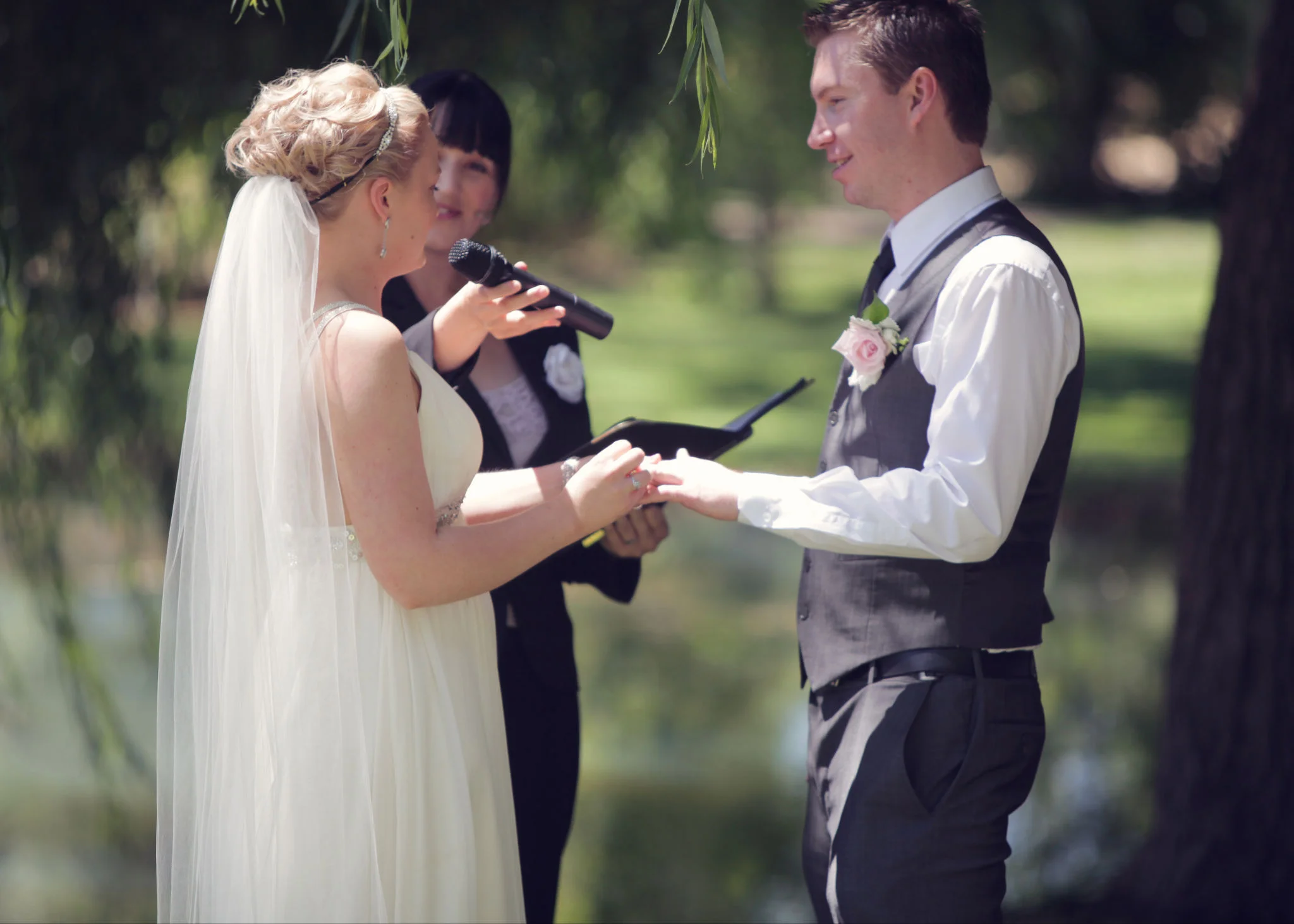



Poor sound can ruin emotional moments. Clap softly or speak across the room to test echo. Ask how music sounds at full capacity. Indoor halls sometimes bounce sound too much, while outdoor spaces lose it quickly. Check whether the venue provides speakers or if vendors bring their own system.
- Test speaking volume across room
- Ask about sound limits
- Confirm DJ or band setup space
- Check microphone availability
- Ask about echo issues
Small trick: Walk to the back and listen carefully.
Outcome: Clear sound keeps guests engaged.
7. Assess Parking Accessibility
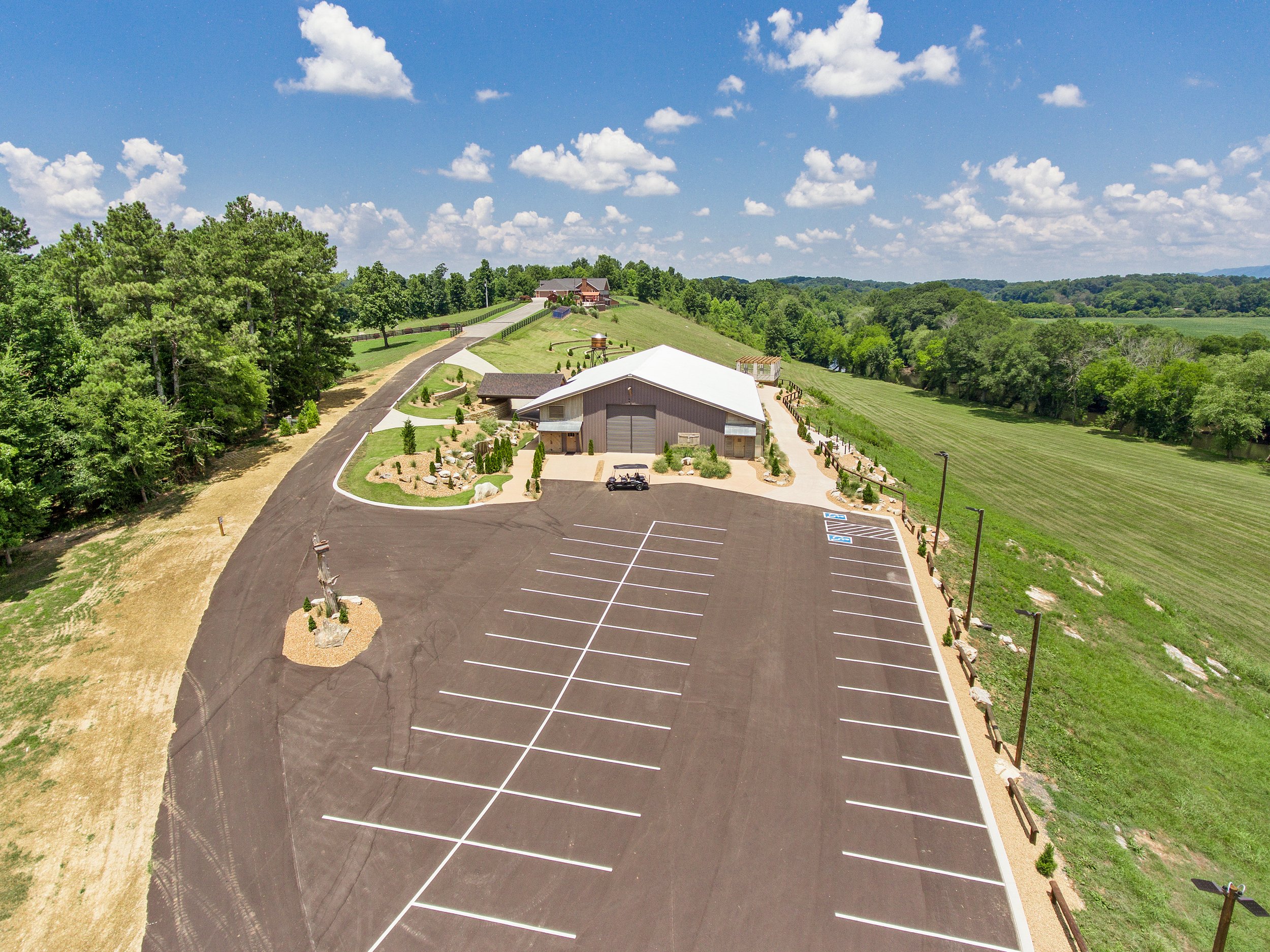

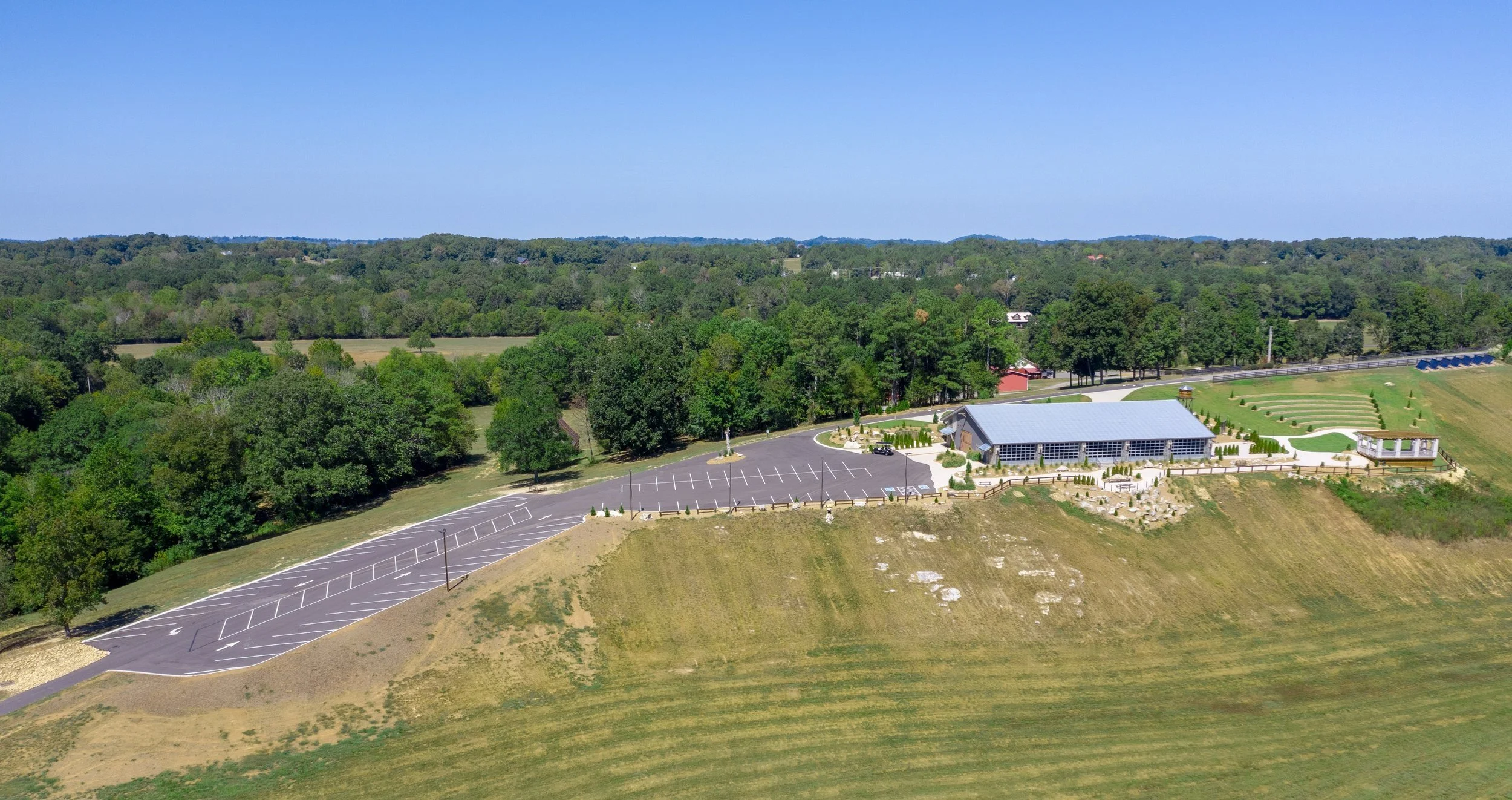

Parking is often ignored until guests complain. Check distance from parking to venue entrance, safety, and lighting at night. If space is limited, ask about valet or shuttle options. Accessibility matters especially for older family members and kids.
- Count available parking spots
- Check lighting at night
- Ask about security staff
- Look for wheelchair access
- Confirm overflow options
Extra thought: Walk from parking to entrance yourself.
Why guests appreciate this: Easy arrival starts the event happily.
8. Evaluate Decor Flexibility Rules


Every venue has rules about candles, hanging décor, or wall installations. Knowing limits early saves last-minute stress. Some allow full customization while others restrict everything. If you love styling, this part matters a lot — especially when planning themes or personal touches.
- Ask about hanging décor
- Confirm candle policies
- Check tape or nail restrictions
- Ask if vendors must be approved
- Understand cleanup rules
Helpful approach: Ask for past décor photos.
Impact: Flexible rules allow your vision to shine.
9. Study Indoor vs Outdoor Options


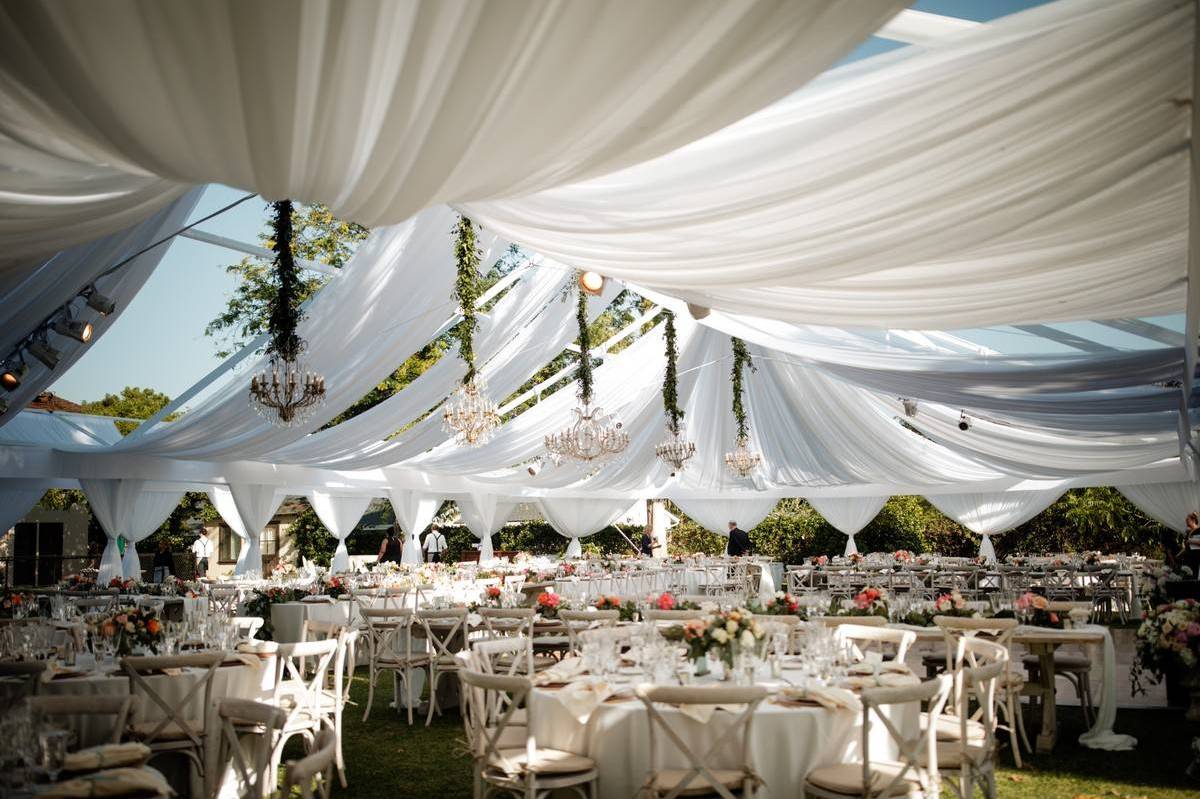
Both options have charm. Outdoor weddings feel romantic but depend on weather. Indoor venues give control but may need more décor. Try imagining your wedding season, guest comfort, and photo style. You can also explore indoor wedding decor ideas if you love controlled elegance with cozy styling.
- Ask about weather backup plans
- Compare lighting differences
- Check temperature control
- Understand sound limitations
- Think about seasonal comfort
Gentle reminder: Consider local weather unpredictability.
Why couples love planning this early: It prevents stress later.
10. Analyze Guest Flow Pathways



Guest flow means how people naturally move from ceremony to dinner to dance floor. Poor layout creates crowds and confusion. Walk the path as if you are a guest arriving, finding seats, and visiting restrooms. Smooth flow makes the event feel effortless.
- Map entrance to seating path
- Check restroom location
- Ensure buffet lines won’t block movement
- Confirm clear exits
- Review dance floor placement
Quick check: Watch where people naturally pause.
Result: Better flow keeps energy positive.
11. Compare Rental Inclusions
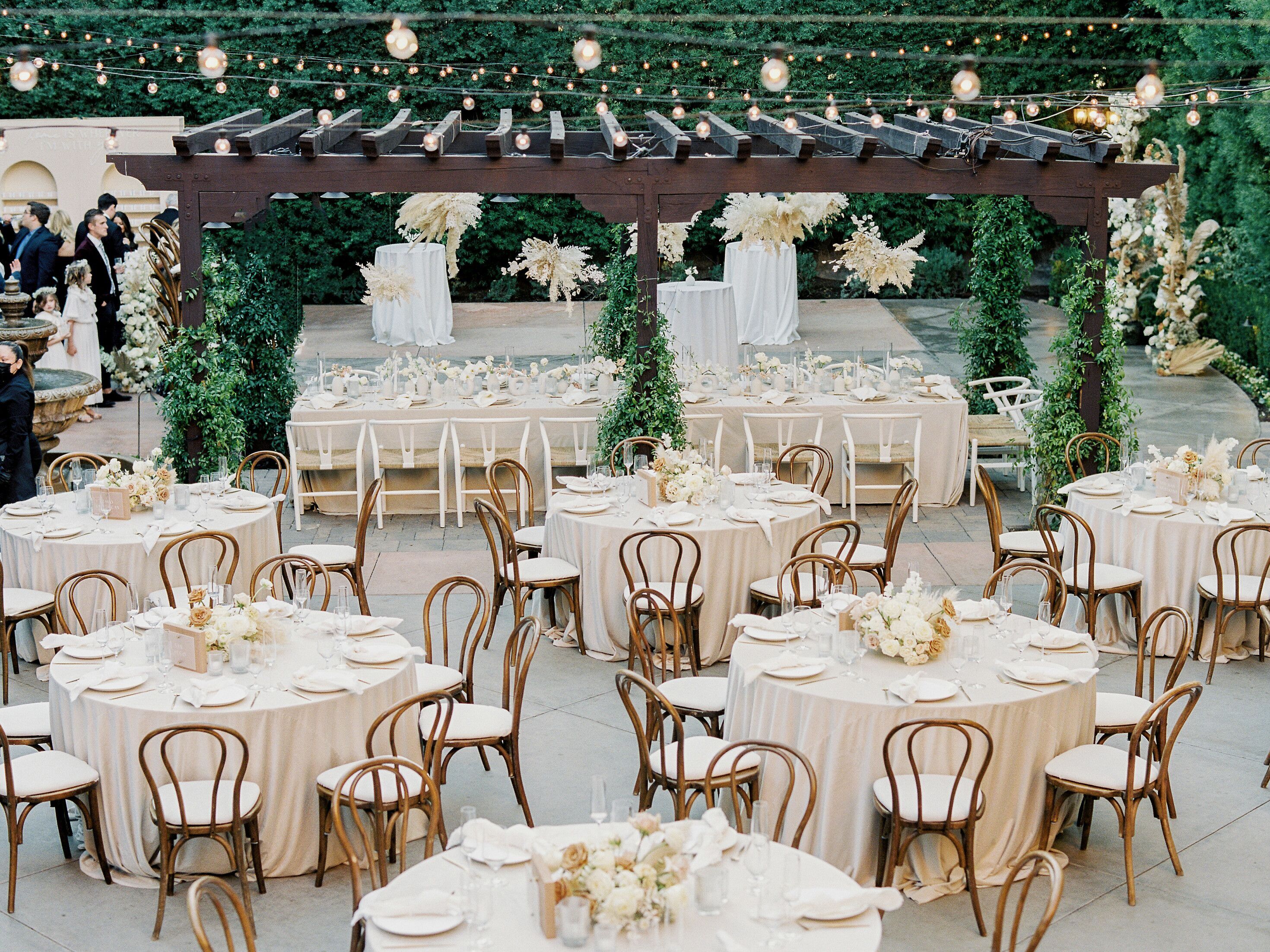
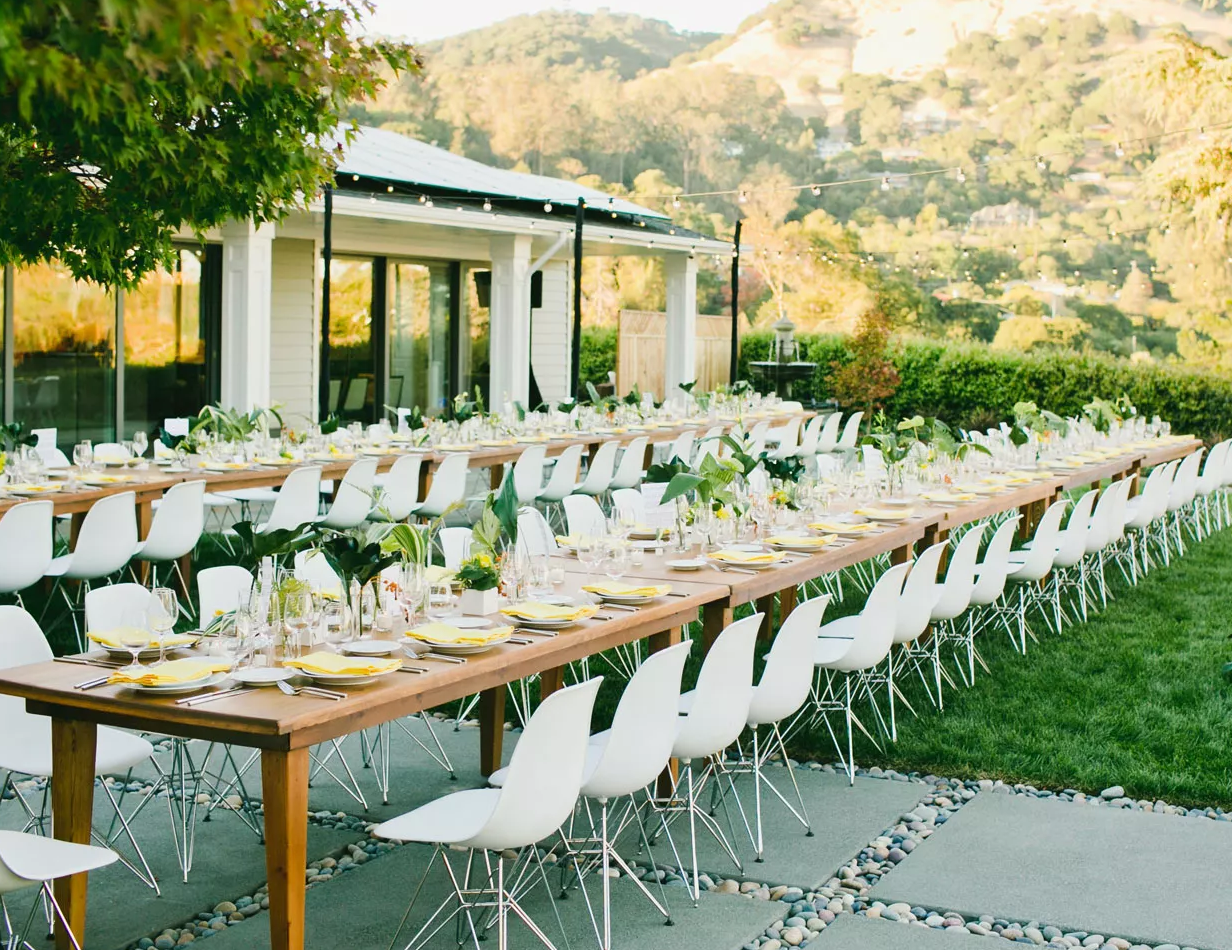


Some venues include tables, chairs, linens, and lighting — others provide only space. Comparing inclusions helps you avoid hidden costs. A slightly expensive venue can actually save money if packages are complete.
- Request full inclusion list
- Ask about setup and cleanup
- Check linen choices
- Confirm lighting equipment
- Ask about staff support
Practical move: Compare total cost, not base price.
Final effect: Smart comparisons protect your budget.
12. Review Venue Contract Clauses

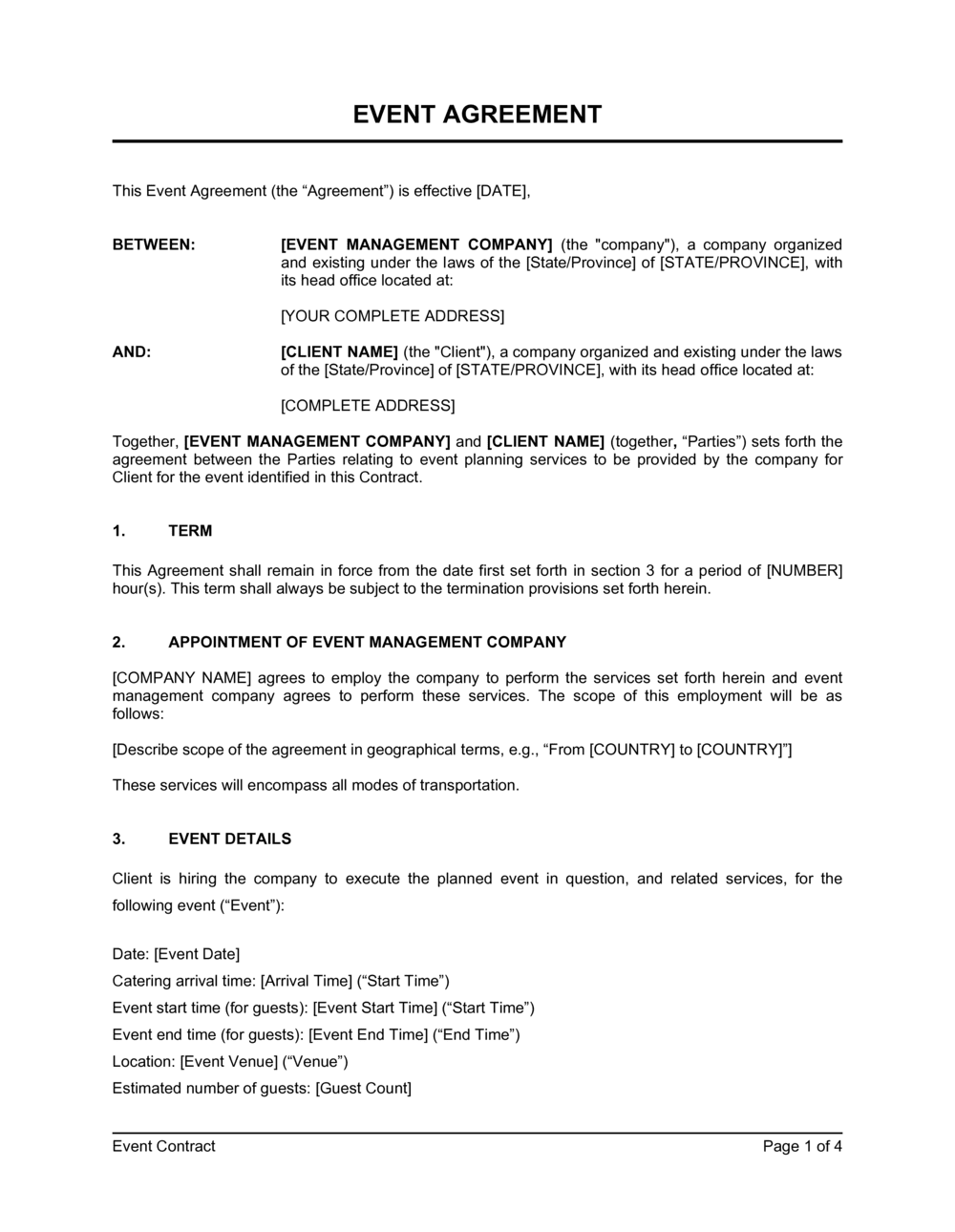

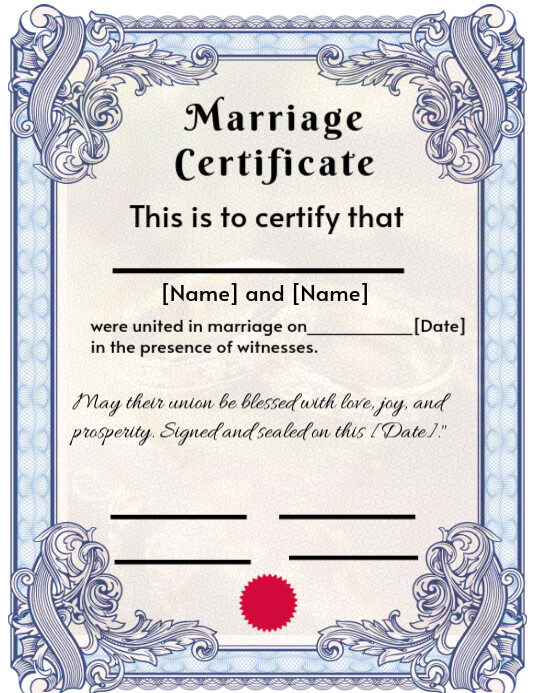
Contracts protect both you and the venue. Read slowly and ask questions. Look for cancellation rules, overtime charges, and damage policies. If something sounds confusing, pause and clarify before signing. This step prevents future surprises.
- Check cancellation terms
- Understand refund policy
- Review overtime fees
- Confirm vendor rules
- Ask about insurance requirements
Tiny reminder: Highlight unclear lines immediately.
Reason this saves stress: Clear agreements avoid disputes.
13. Visualize Decor Possibilities
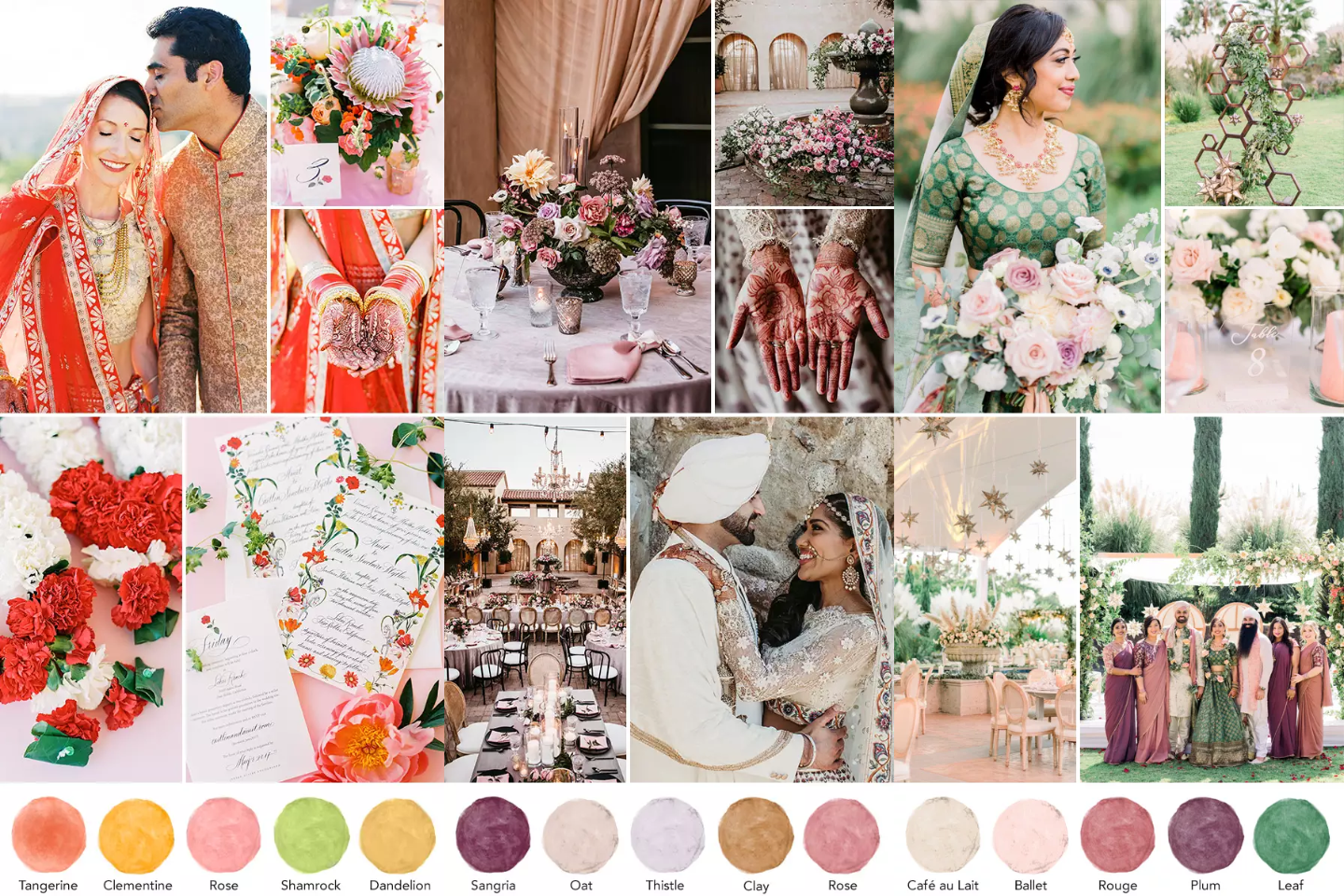

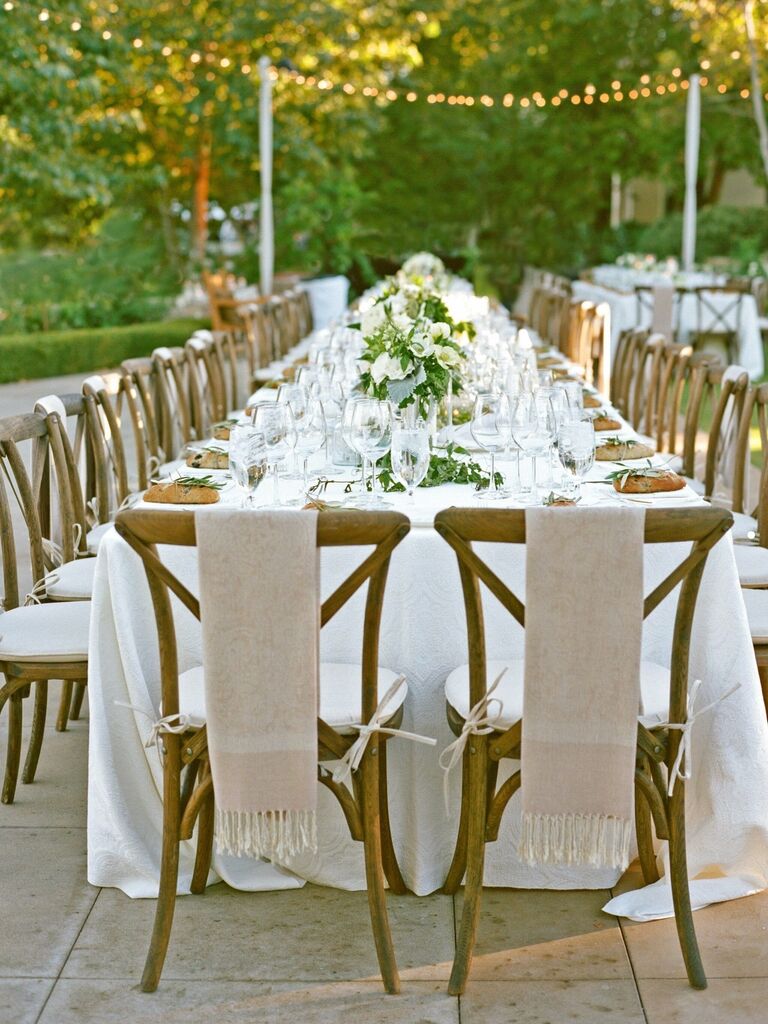

Stand quietly and imagine your colors, flowers, and lighting. Some venues look beautiful empty but hard to decorate. Look at wall colors, ceiling height, and existing furniture. Visualizing helps decide if your dream style will actually work there.
- Bring inspiration photos
- Check ceiling height
- Notice existing colors
- Ask about lighting control
- Imagine table spacing
Friendly tip: Take wide-angle photos for planning.
Reason planners recommend this: Vision becomes clearer faster.
14. Lock Venue Booking Deposit
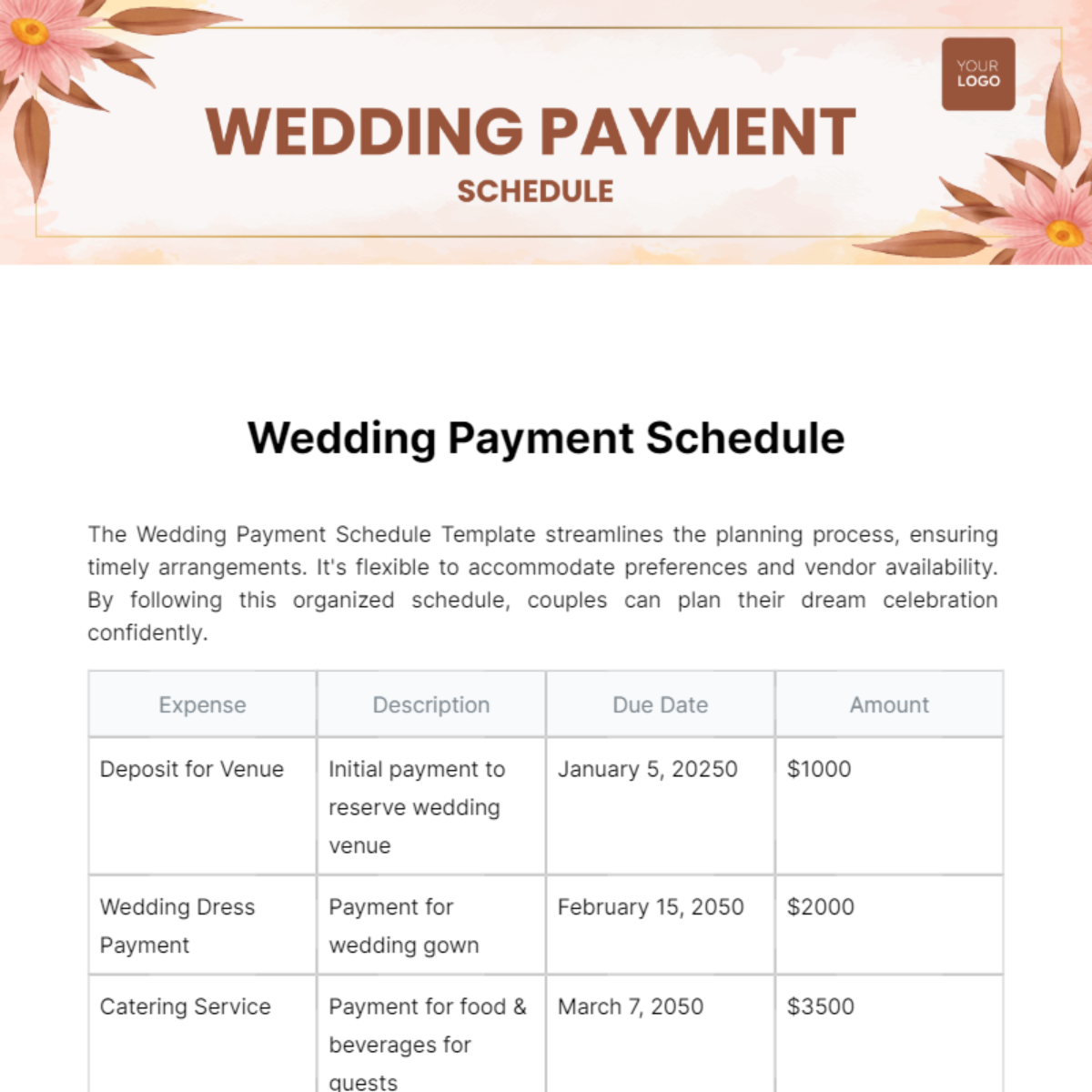

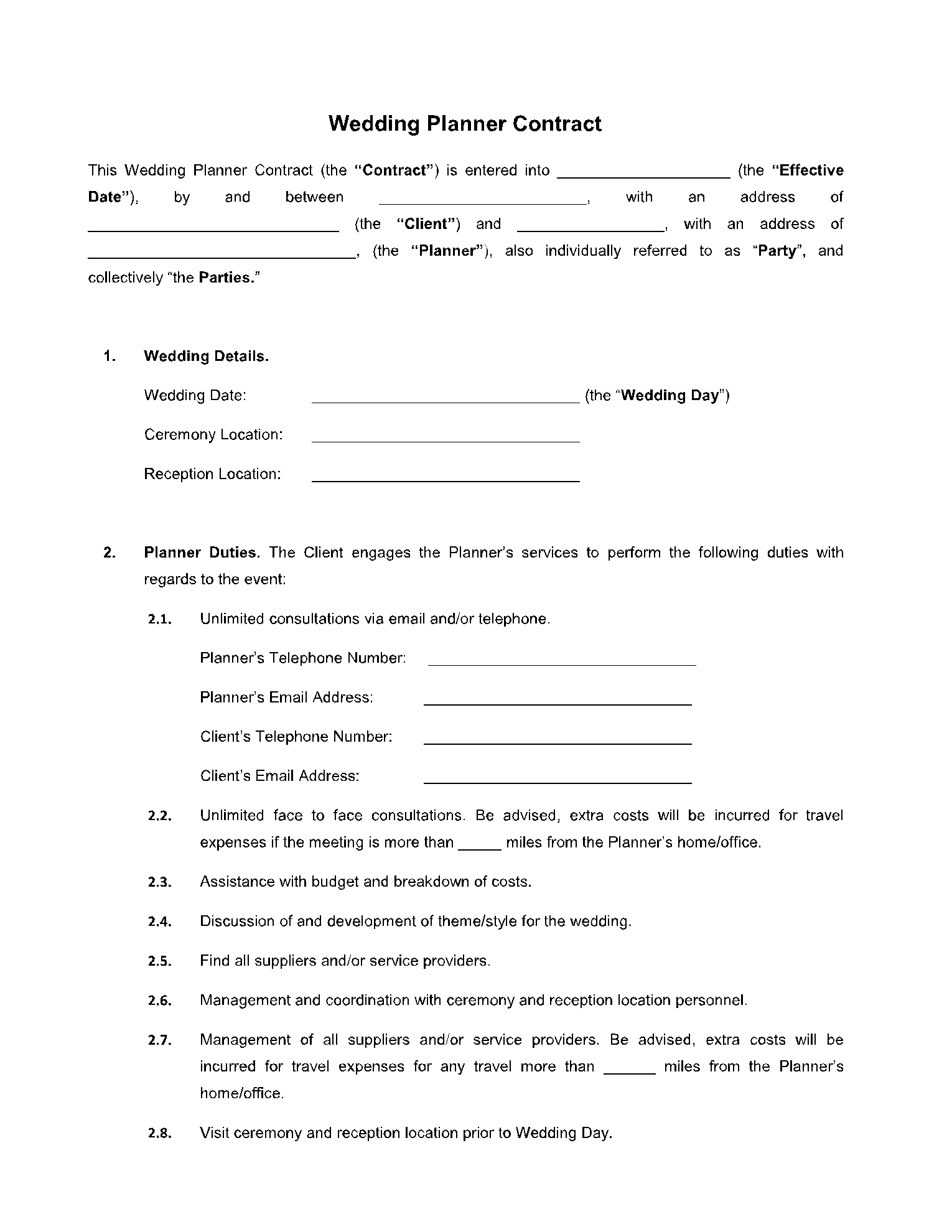
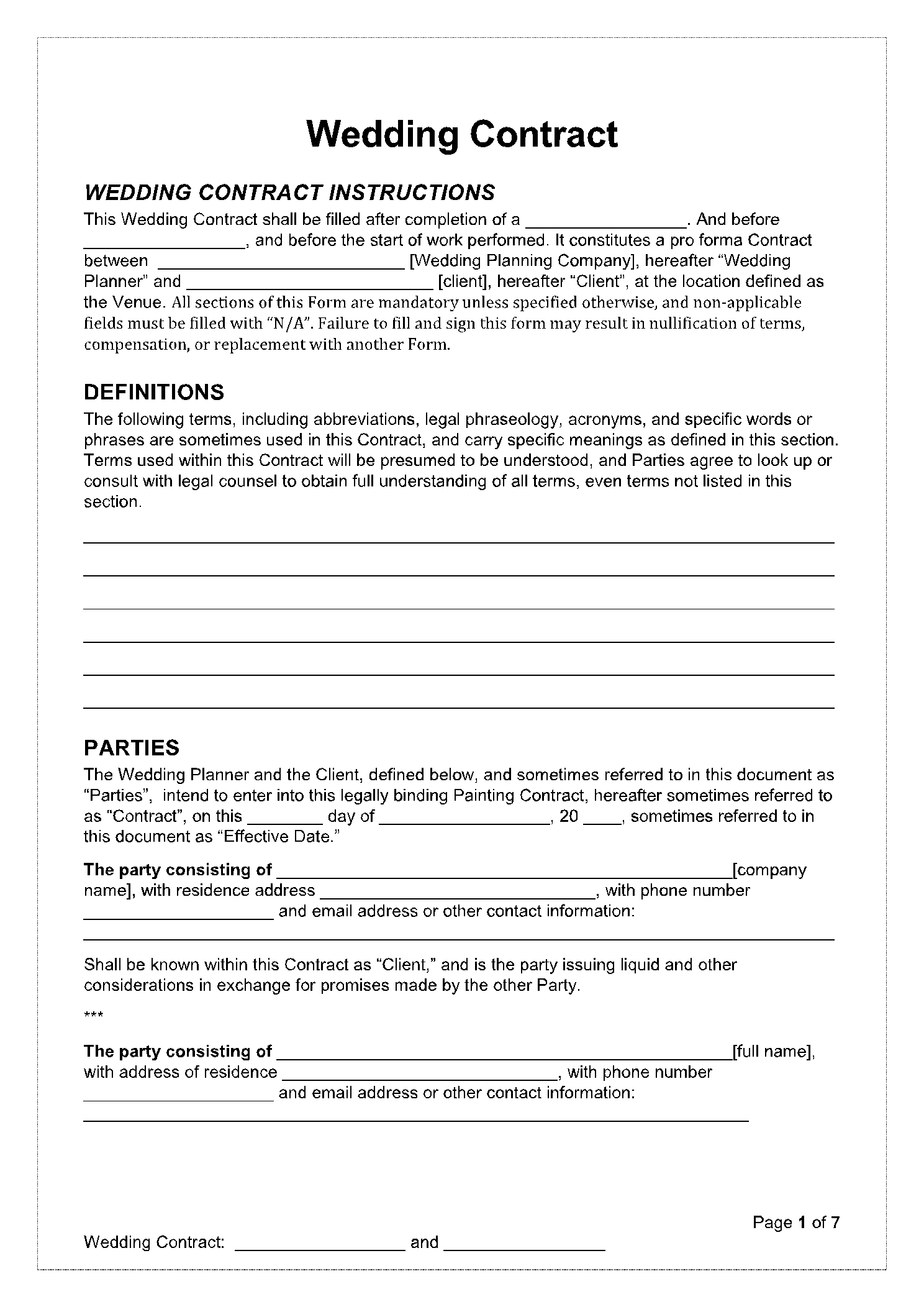
Once you feel confident, secure the date quickly. Popular venues book fast. Confirm deposit amount, payment deadlines, and what happens if plans change. Make sure all spoken agreements appear in writing before paying.
- Confirm deposit percentage
- Ask about payment schedule
- Check refund conditions
- Get written confirmation
- Keep payment receipts
Extra safety: Use trackable payment methods.
Result: Your date stays protected.
15. Review Noise Restriction Policies


Some venues reduce music volume after certain hours, especially outdoor spaces. Ask early so entertainment plans match restrictions. Nothing is worse than a dance floor shutting down unexpectedly.
- Ask for music cutoff times
- Check outdoor sound rules
- Confirm DJ limitations
- Ask about nearby neighbors
- Review penalty fees
Small idea: Plan special dances earlier if needed.
Benefit: Energy stays high all night.
16. Confirm Electrical Outlet Access
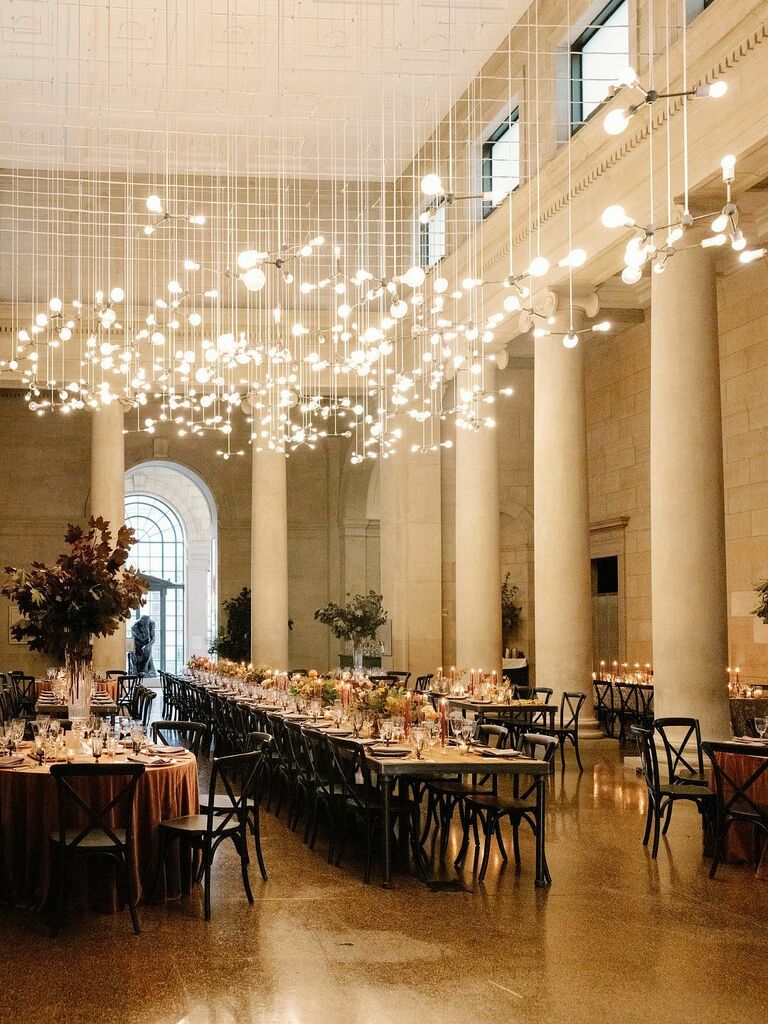



Vendors need power for lights, DJ, photo booths, and catering equipment. Count outlets and ask where extension cords are allowed. Hidden power limits can force extra rental costs later.
- Locate outlet positions
- Ask about voltage limits
- Confirm backup generators
- Check outdoor power options
- Coordinate with vendors early
Smart move: Take photos of outlet locations.
Why planners love this step: It avoids setup delays.
17. Finalize Venue Contract Signing


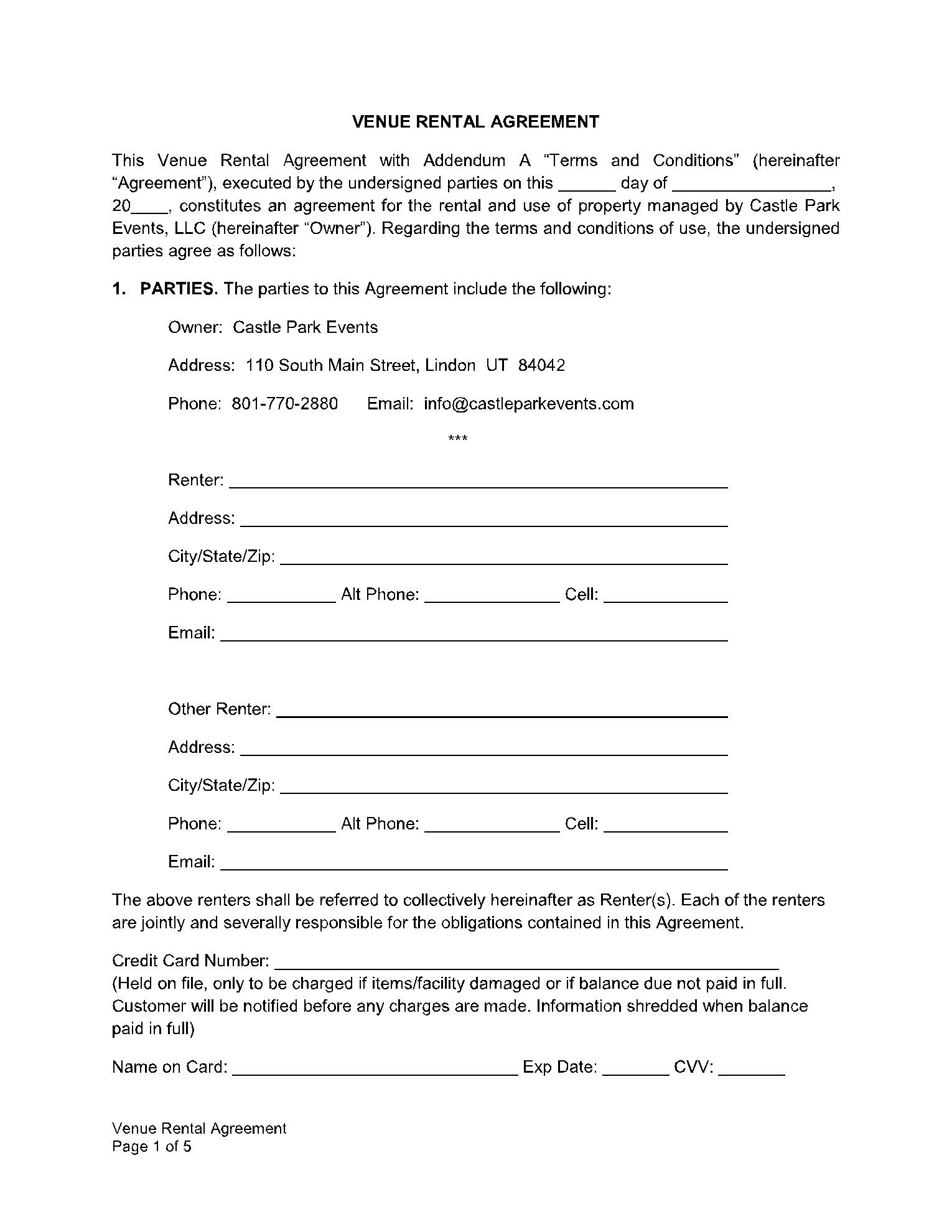
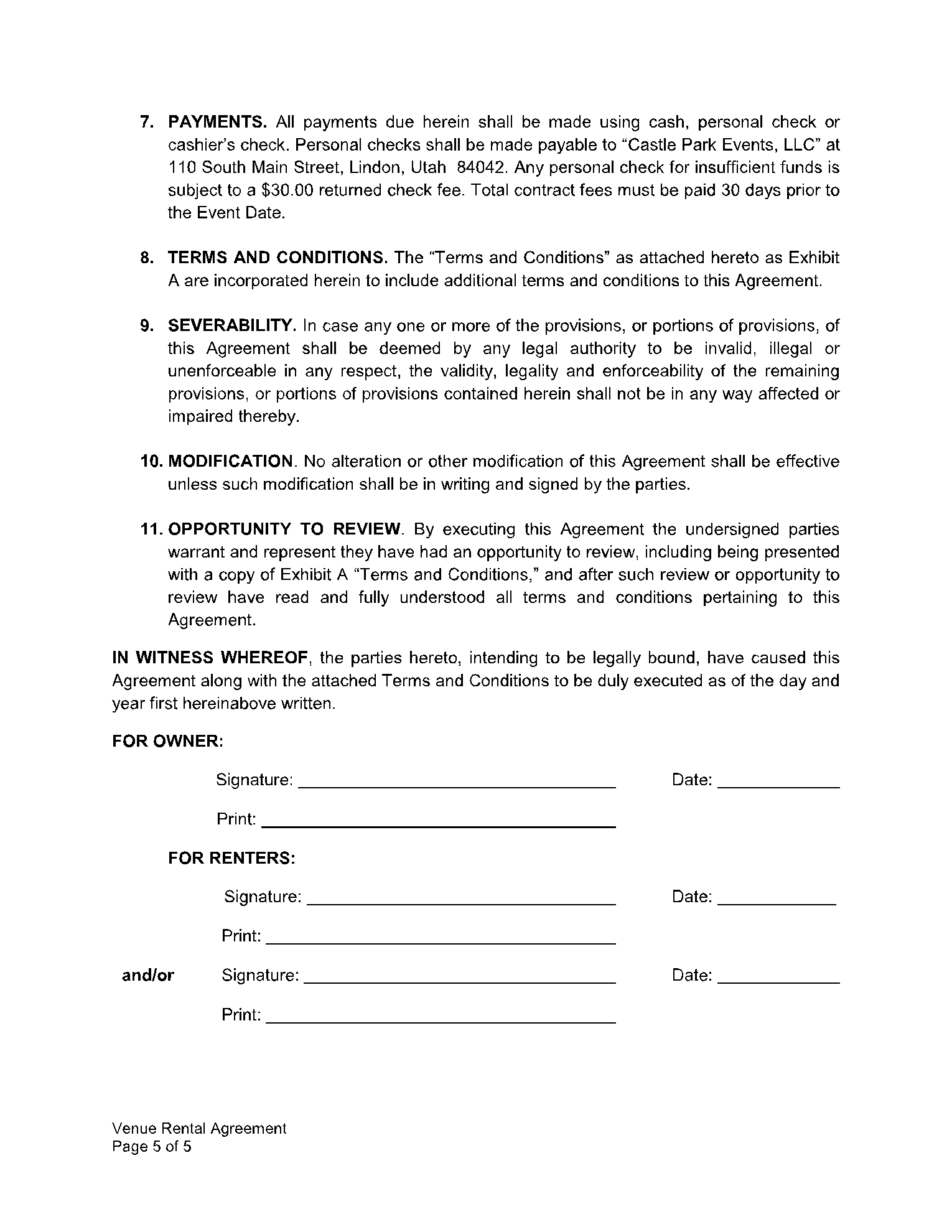
Before signing, review everything one last time. Confirm dates, timing, inclusions, and special requests. Once signed, you can move forward confidently with other planning steps. This is the moment your wedding vision officially begins to feel real.
- Double-check names and date
- Confirm timeline details
- Review final pricing
- Ensure promises are written
- Keep signed copy safe
Final nudge: Read slowly even if excited.
Outcome: Peace of mind moving forward.
Easy Errors Couples Often Overlook
- Ignoring hidden service fees
- Choosing style over comfort
- Not checking weather backup plans
- Forgetting power and sound needs
- Booking without reading full contract
FAQs
How do you choose the right wedding venue?
Start with guest count, budget, and style. Then compare layout, lighting, and vendor flexibility before deciding.
How many venues should you tour?
Most couples benefit from visiting 3–5 venues. That gives enough comparison without confusion.
Indoor or outdoor venue better?
Indoor offers control and comfort. Outdoor offers natural beauty. Your season and weather risk decide best.
What guest capacity is ideal?
Choose a venue that comfortably fits your guest list with extra room for movement and décor.
What venue questions matter most?
Ask about contracts, inclusions, vendor policies, sound limits, and weather backup options.
Conclusion
Choosing the perfect venue is not about finding the most expensive place — it’s about finding the one that fits your story, your guests, and your comfort. Follow these steps slowly, trust your instincts, and focus on how the space feels when you stand inside it. Once your venue is set, the rest of your wedding planning journey becomes much easier and more exciting — and connects beautifully with your full wedding planning process ahead.