


Host Ceremony & Reception Together or Change Venue Smoothly
Planning a wedding is emotional — but it’s also logistics. Many couples ask if they should keep the ceremony and reception in one place or move to another venue. The real goal is simple: reduce stress, keep guests happy, and make the day flow naturally. This guide walks you through practical ideas that make transitions smooth, layouts flexible, and decisions easier — even if weather or plans suddenly change.
1. Host ceremony and reception together


Keeping both events in one place saves time, energy, and budget. Guests don’t need travel directions, vendors stay focused, and the day feels calm instead of rushed. One venue also helps your photos feel consistent and polished. You can still create separate moods with lighting, furniture, and décor — even inside the same room.
- Choose a venue with flexible furniture.
- Ask about quick room transitions.
- Keep décor adaptable from day to night.
- Plan flow routes before the event.
Helpful idea: Think of one space with two personalities rather than two locations.
Result: Less stress, smoother timing, happier guests.
2. Design single flowing room layout


A good layout prevents bottlenecks and confusion. Imagine how guests move from entrance to ceremony seating, then to drinks and dinner. Keep walkways wide and avoid heavy décor that blocks views. When planning early, your room naturally flips faster later. Layout planning is where smart wedding design starts.
- Leave central pathways clear.
- Keep bar or drinks area accessible.
- Avoid bulky décor in transition zones.
- Group tables for fast resetting.
Small suggestion: Walk the space physically before finalizing.
Result: Guests move naturally without chaos.
3. Flip room from aisle to dinner

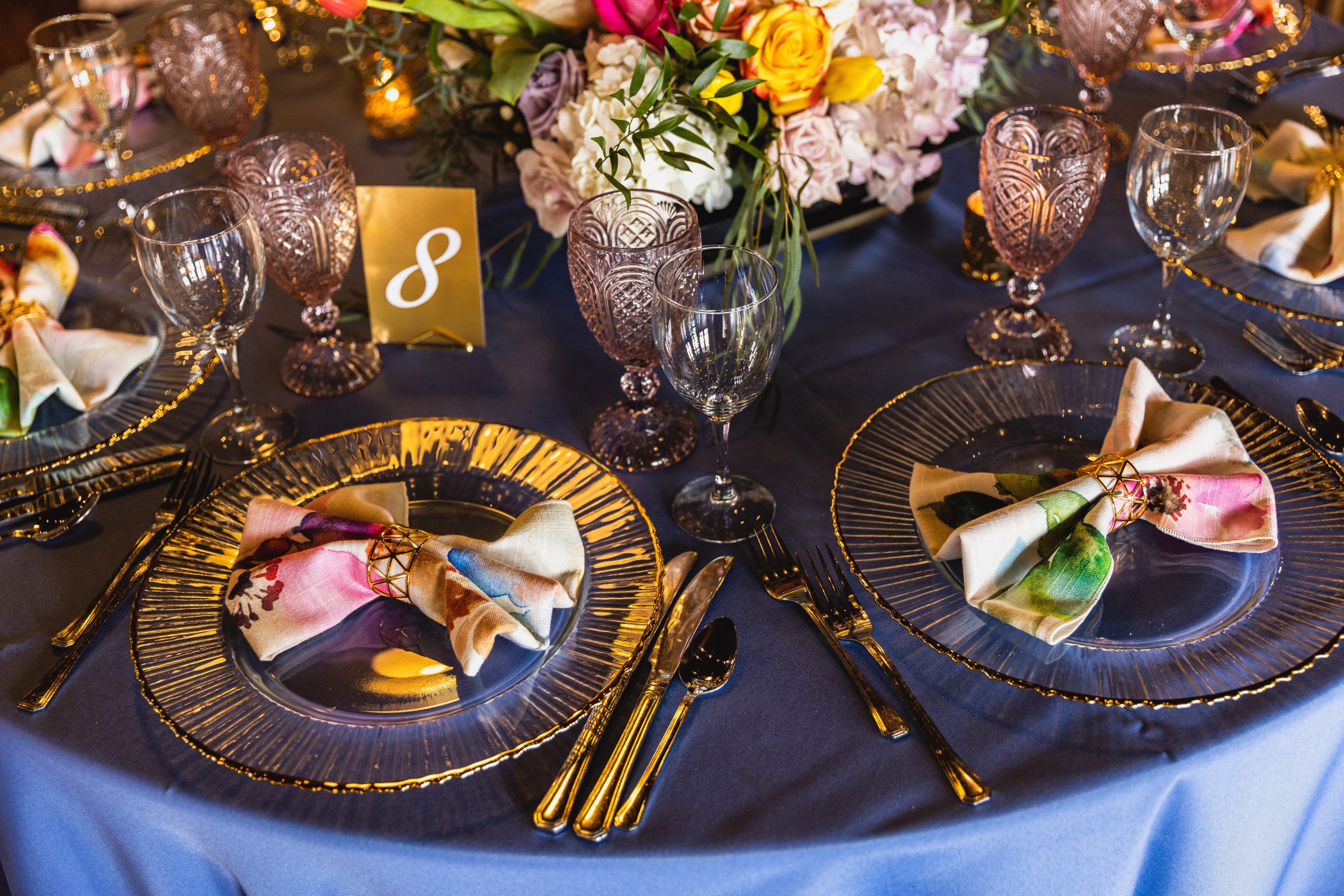
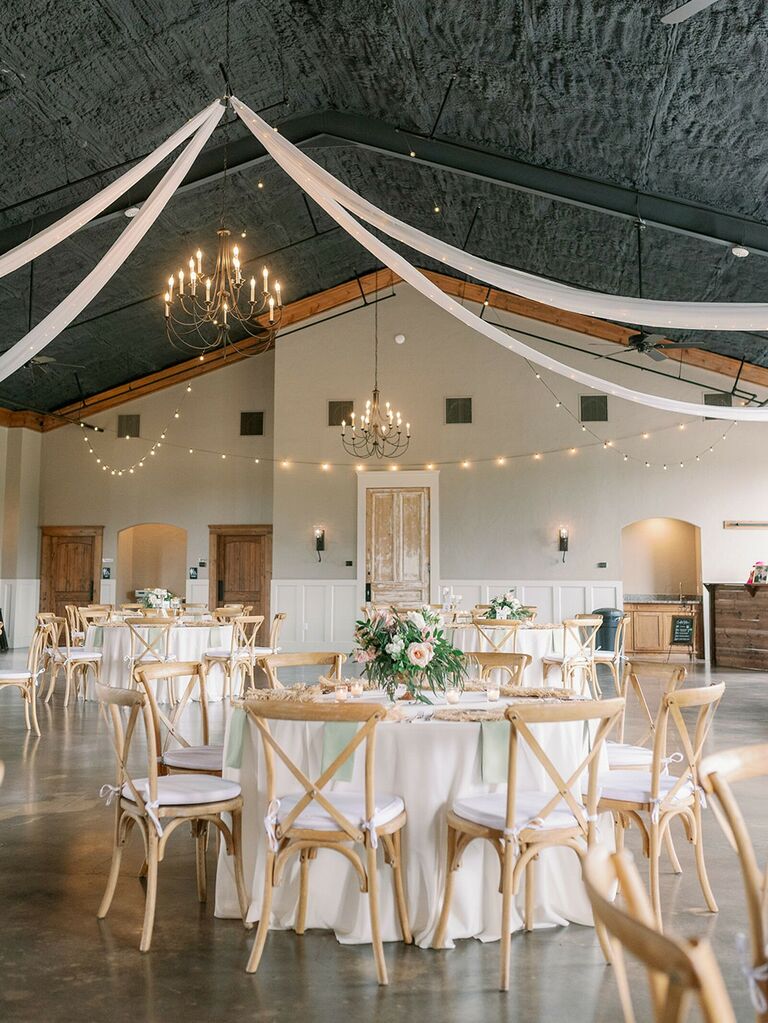
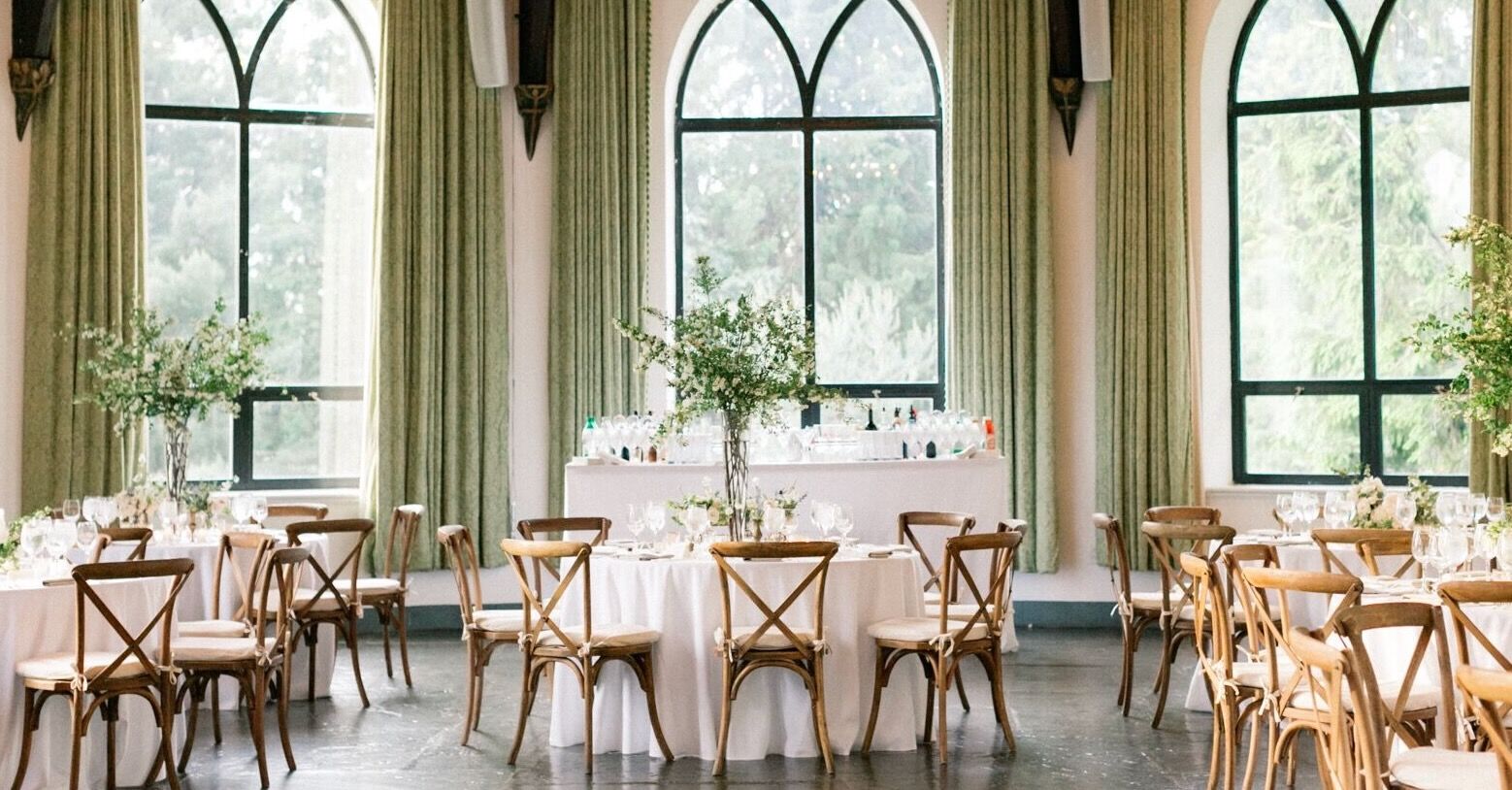
A room flip sounds dramatic, but it works when pre-planned. While guests enjoy cocktail hour, your team resets the space quickly. Keep décor modular so nothing needs rebuilding. Candles, florals, and arches should move easily. Timing is everything here — short transitions keep energy high.
- Schedule 30–45 minutes for reset.
- Hire venue staff for flipping.
- Use lightweight décor pieces.
- Pre-label table placements.
Extra idea: Have music playing during transition moments.
Result: Guests barely notice the change.
4. Reset aisle into reception tables

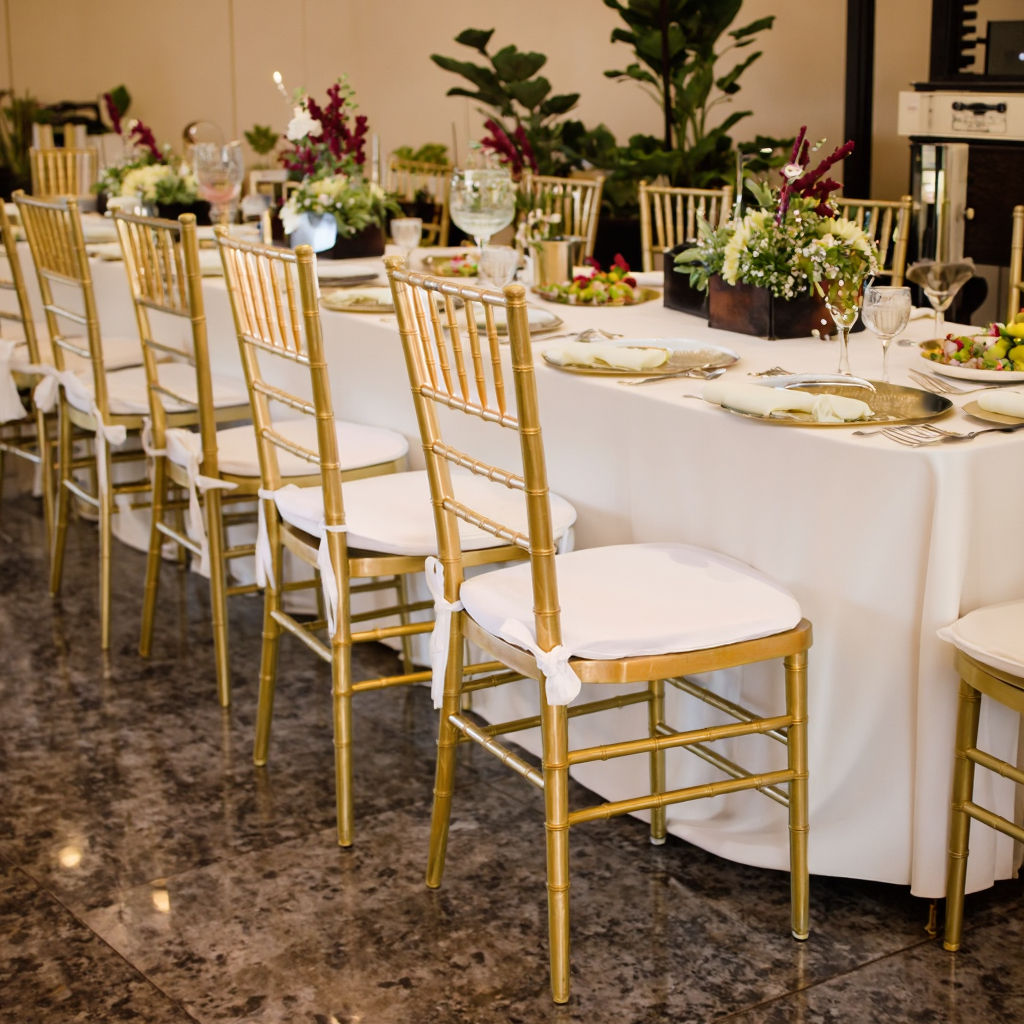


Your aisle chairs are already there — use them again. Instead of renting duplicates, move ceremony seating directly to dinner tables. This saves budget and speeds up setup. Assign staff to rows so chairs move quickly and evenly. Many planners include this strategy in a smooth day timeline to avoid delays.
- Keep chair styles neutral.
- Use stackable or lightweight chairs.
- Train helpers before guests arrive.
- Place table markers beforehand.
Quick thought: Label tables under chairs for faster placement.
Result: Faster changeover, lower rental cost.
5. Reuse altar as photo backdrop


Your altar is already the prettiest spot — don’t remove it. Move it behind your sweetheart table or photo corner so décor keeps working all day. Guests love taking pictures there, and it keeps visual consistency. Reusing décor is smart planning, not cutting corners.
- Place altar near good lighting.
- Add soft evening lights later.
- Keep floral colors universal.
- Remove only fragile pieces.
Smart move: Add a small sign inviting photos.
Result: Maximum décor value with zero extra effort.
6. Stack chairs for fast transition
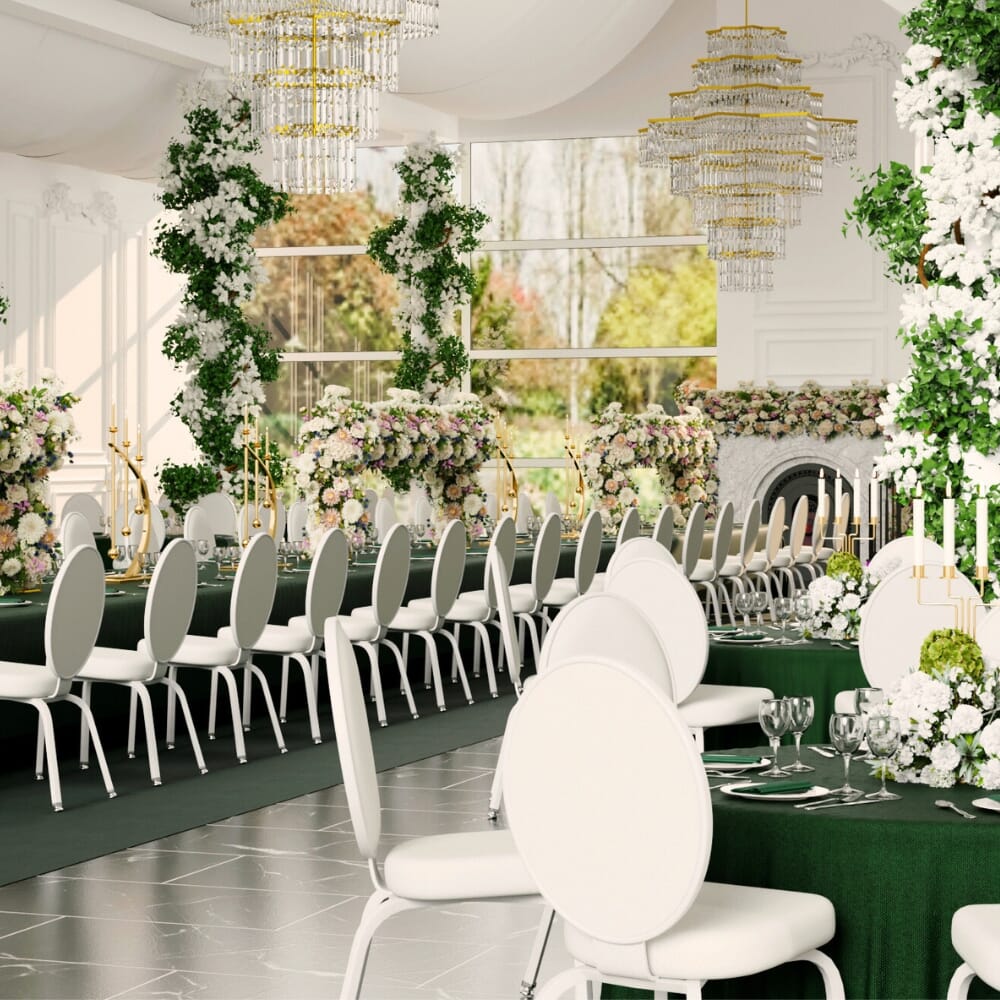


Chair chaos slows transitions. Stackable or easily movable chairs reduce setup stress instantly. Even elegant chairs now come in lightweight styles that still look upscale. This tiny decision saves time during room flips and makes venue staff happy.
- Ask venue about stackable options.
- Keep chair count slightly lower than max.
- Assign two people per row.
- Clear pathways before moving.
Extra tip: Store extra chairs out of guest sight.
Result: Faster reset and cleaner look.
7. Roll in lounge seating corners


Adding lounge corners creates comfort without needing a second venue. Guests relax, chat, and wait during transitions naturally. Small couches or soft chairs instantly change the vibe from ceremony calm to reception celebration.
- Place lounges near dance floor edges.
- Add small side tables.
- Use soft lighting.
- Keep colors matching wedding palette.
Bonus idea: Use textured pillows for Pinterest-friendly photos.
Result: Guests feel relaxed and stay longer.
8. Light one unified reception space


Lighting changes everything. Instead of redesigning décor, shift the mood with warm lights after the ceremony. Dim overhead lights and add candles or fairy lights. The same space suddenly feels new and festive. This is one of the easiest transformations with big emotional impact.
- Use warm bulbs only.
- Highlight focal areas.
- Dim lights gradually.
- Add candles on tables.
Simple trick: Test lighting at the same time of day beforehand.
Result: Instant mood change without extra décor.
9. Guide guests with clear signage


Guests feel relaxed when they know where to go. Signs reduce confusion and prevent crowding. Use simple wording and place signs where guests naturally pause. Clear direction keeps transitions smooth and helps the day feel organized.
- Use large readable fonts.
- Place signs at eye level.
- Keep wording short.
- Match your wedding style.
Small idea: Add arrows with friendly wording.
Result: Guests move confidently without asking questions.
10. Keep timeline transitions smooth


A smooth timeline makes your wedding feel effortless. Build small buffer times between major events so nothing feels rushed. Let vendors know exactly when transitions happen. If you’re planning décor alongside timing, review this helpful guide on decor planning to align setup with schedule.
- Add 10-minute buffers.
- Share timeline with vendors early.
- Keep speeches short and planned.
- Avoid back-to-back events.
Extra idea: Print timeline copies for coordinators.
Result: Calm flow without delays.
11. Activate backup venue plan

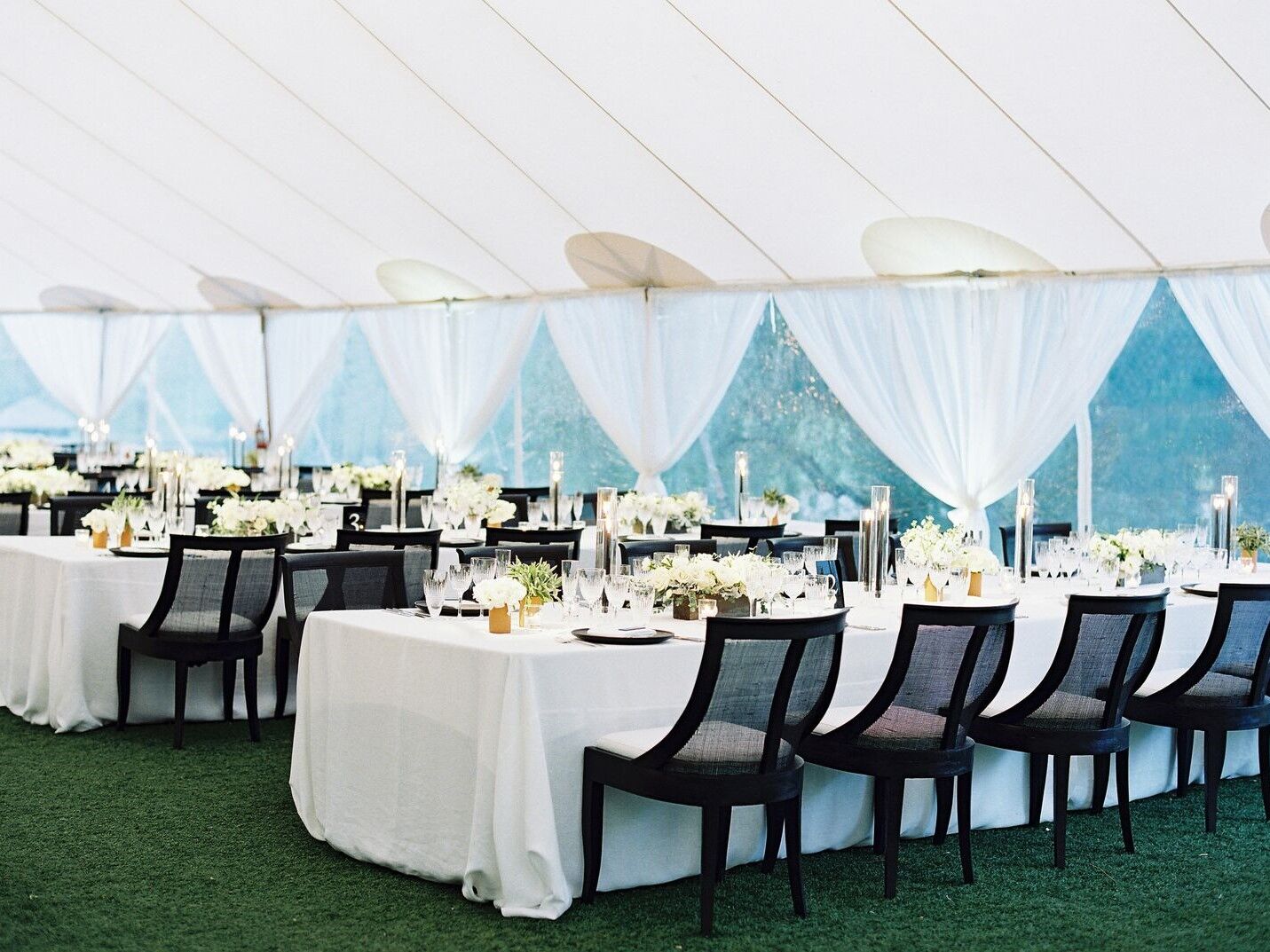


Weather surprises happen. A backup plan removes panic from the day. Choose an indoor alternative or covered space early, not last minute. When everyone knows Plan B, transitions happen smoothly without emotional stress.
- Confirm indoor option in writing.
- Keep décor portable.
- Review backup layout early.
- Inform vendors beforehand.
Helpful idea: Visit backup space once before wedding.
Result: Confidence even if weather changes.
12. Notify vendors about venue change
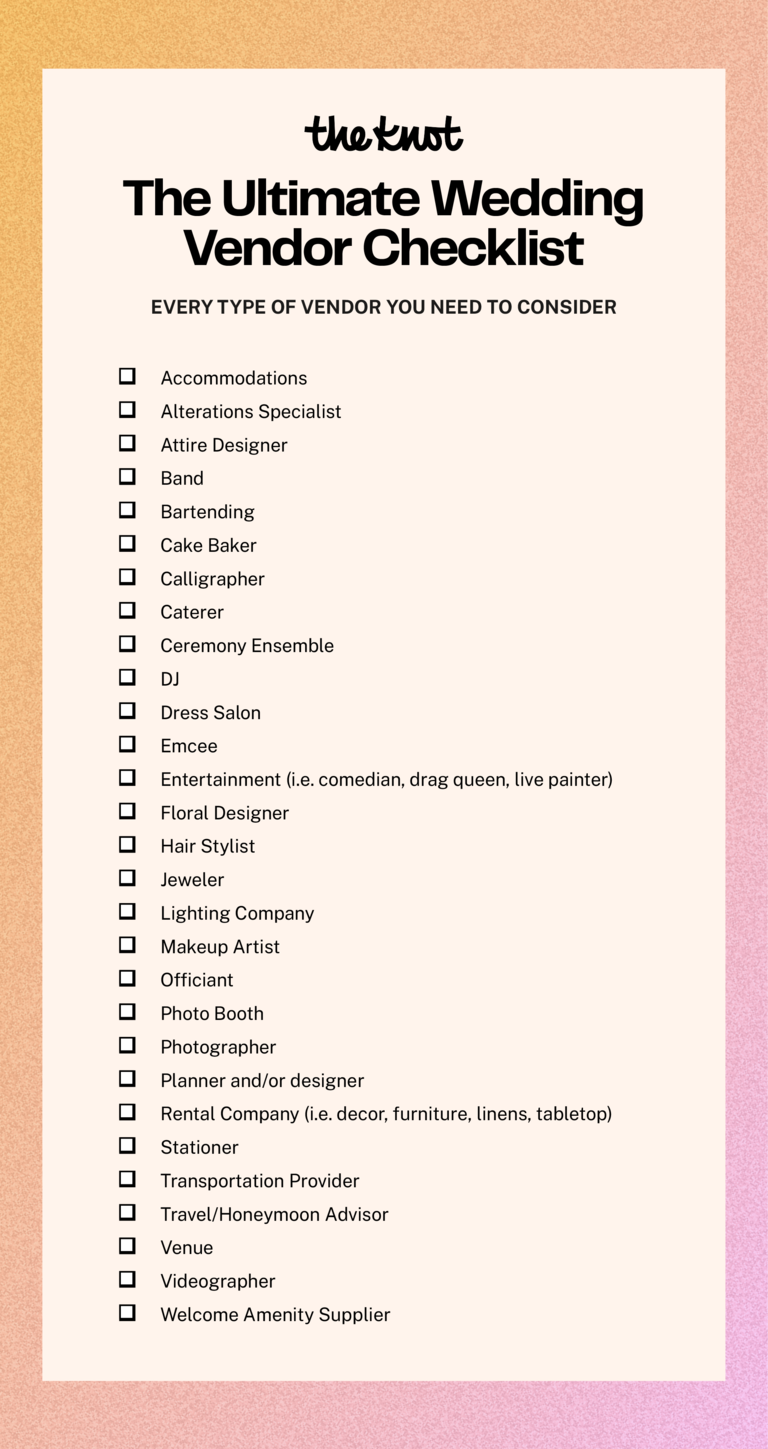

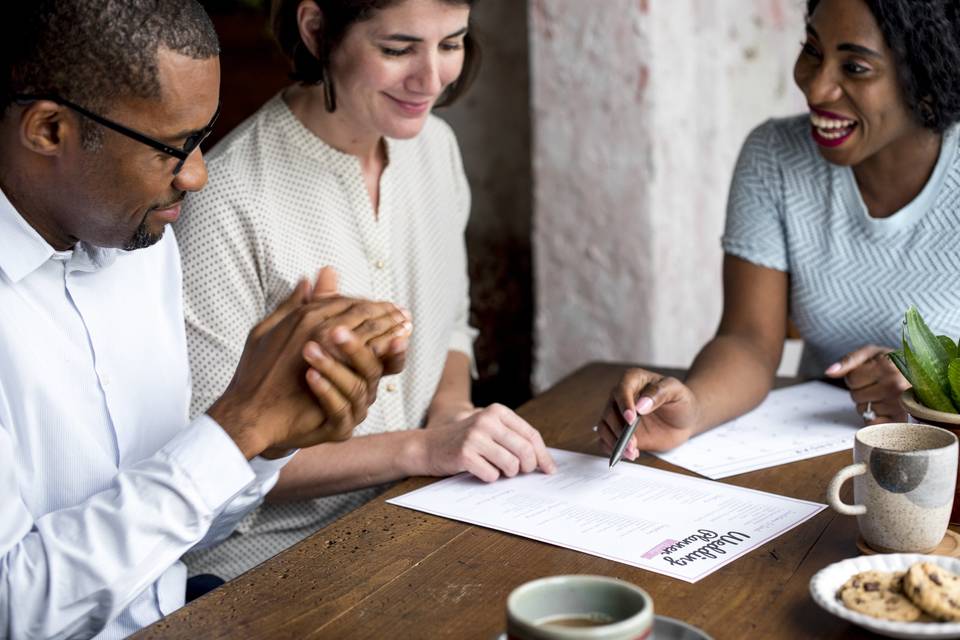

If your venue changes, vendors must know immediately. DJs, photographers, caterers, and florists all depend on layout details. Quick communication prevents setup mistakes and late arrivals. Send one clear message instead of multiple scattered updates.
- Create one shared vendor email.
- Include new address and timeline.
- Add parking details.
- Confirm receipt from everyone.
Small move: Add a simple venue map attachment.
Result: Vendors arrive prepared, not confused.
13. Update guest directions quickly
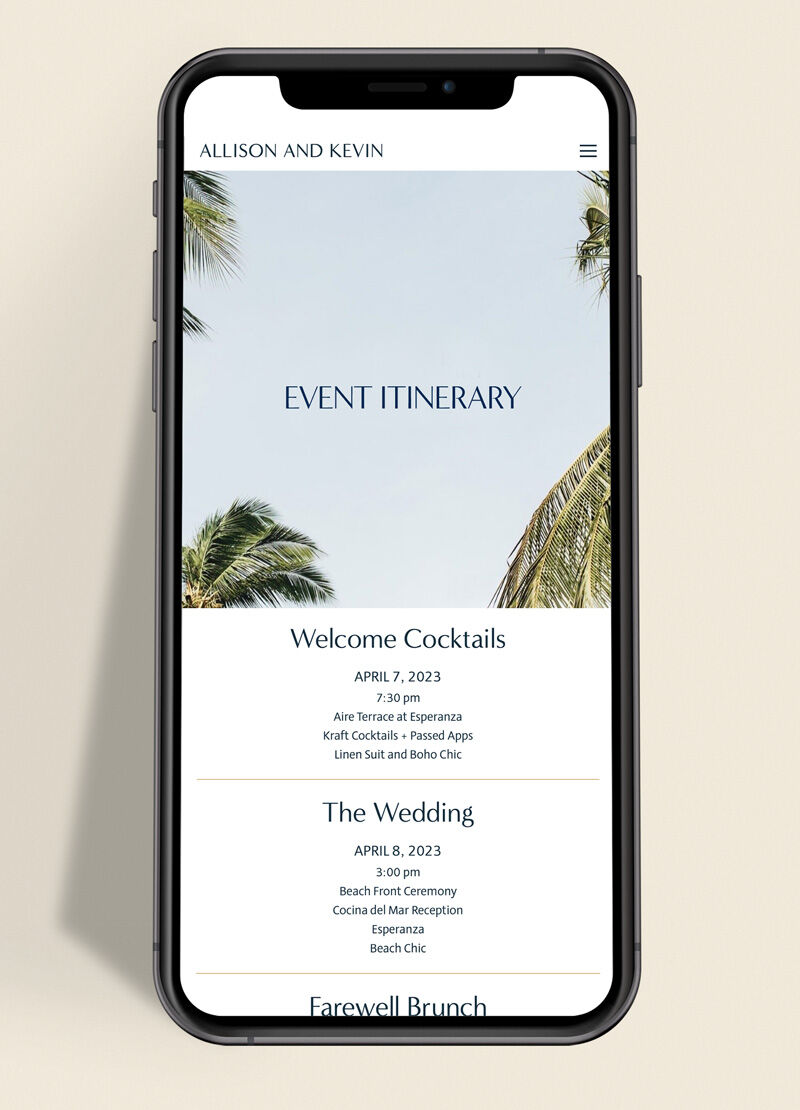


Guests need fast updates if anything changes. Use digital tools first — wedding websites, group messages, or email. Keep wording short and reassuring. Clear directions avoid late arrivals and stress on the wedding morning.
- Update wedding website first.
- Send one clear message.
- Include map link.
- Repeat arrival time clearly.
Extra suggestion: Ask close family to help spread updates.
Result: Guests arrive calmly and on time.
14. Restyle new venue floor layout


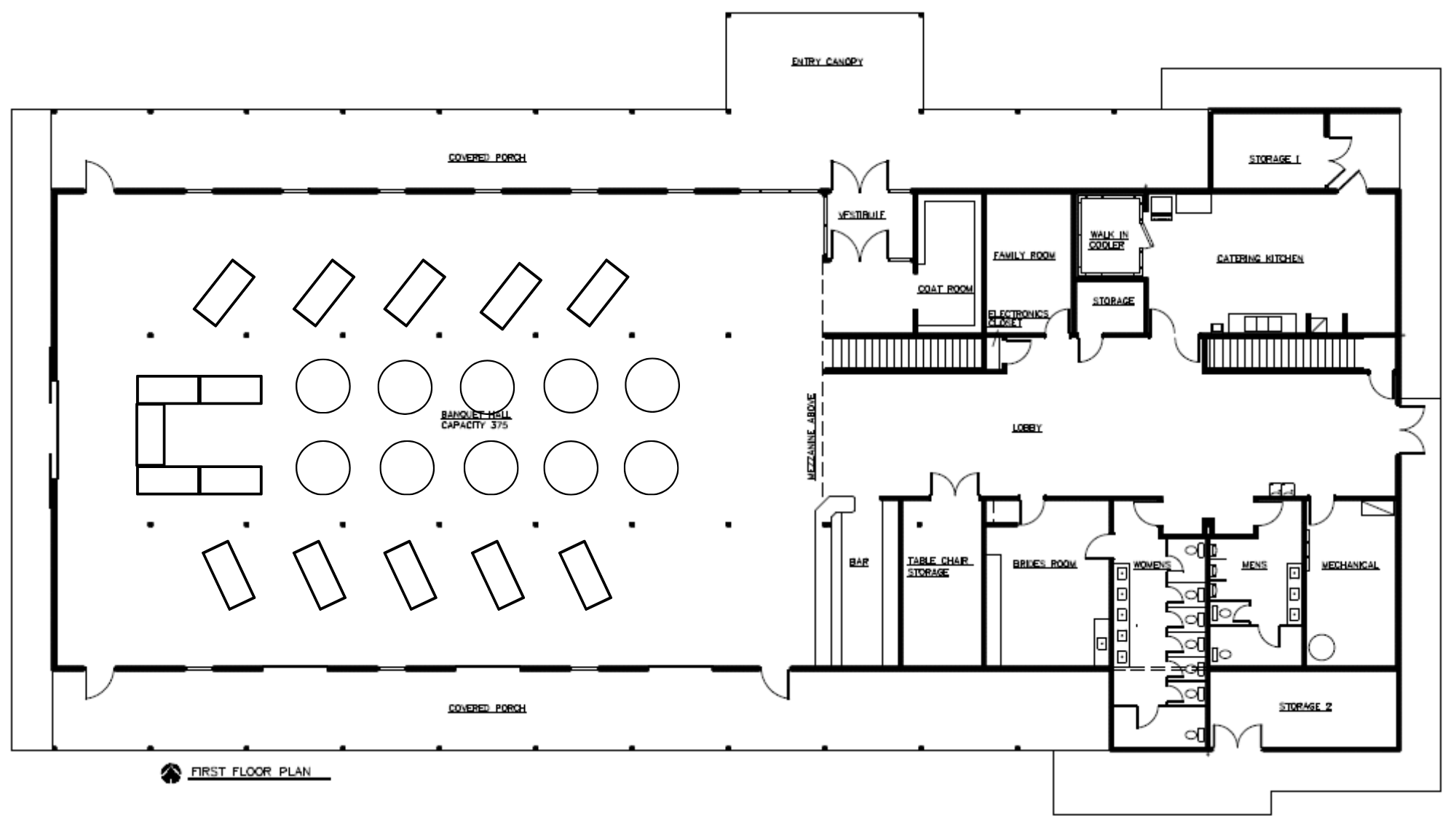
Every venue feels different, so adjust décor instead of forcing old plans. Focus on focal points like sweetheart table, dance floor, and entry. Reuse décor pieces in new ways rather than starting over. For more inspiration, check these reception decor ideas.
- Keep dance floor central.
- Place tables evenly spaced.
- Highlight one main backdrop.
- Balance lighting around room.
Smart tweak: Use fewer décor pieces but place them strategically.
Result: New space feels intentional, not rushed.
15. Reprint invitations efficiently


If venue changes early, reprint only what’s necessary. Often you just need updated detail cards or inserts. Digital updates can handle most communication while keeping costs low. Focus on clarity over perfection.
- Reprint inserts instead of full suites.
- Use matching fonts for consistency.
- Keep wording simple.
- Send digital versions too.
Quick idea: Add QR code for latest info.
Result: Clean updates without wasting budget.
16. Review vendor contracts again


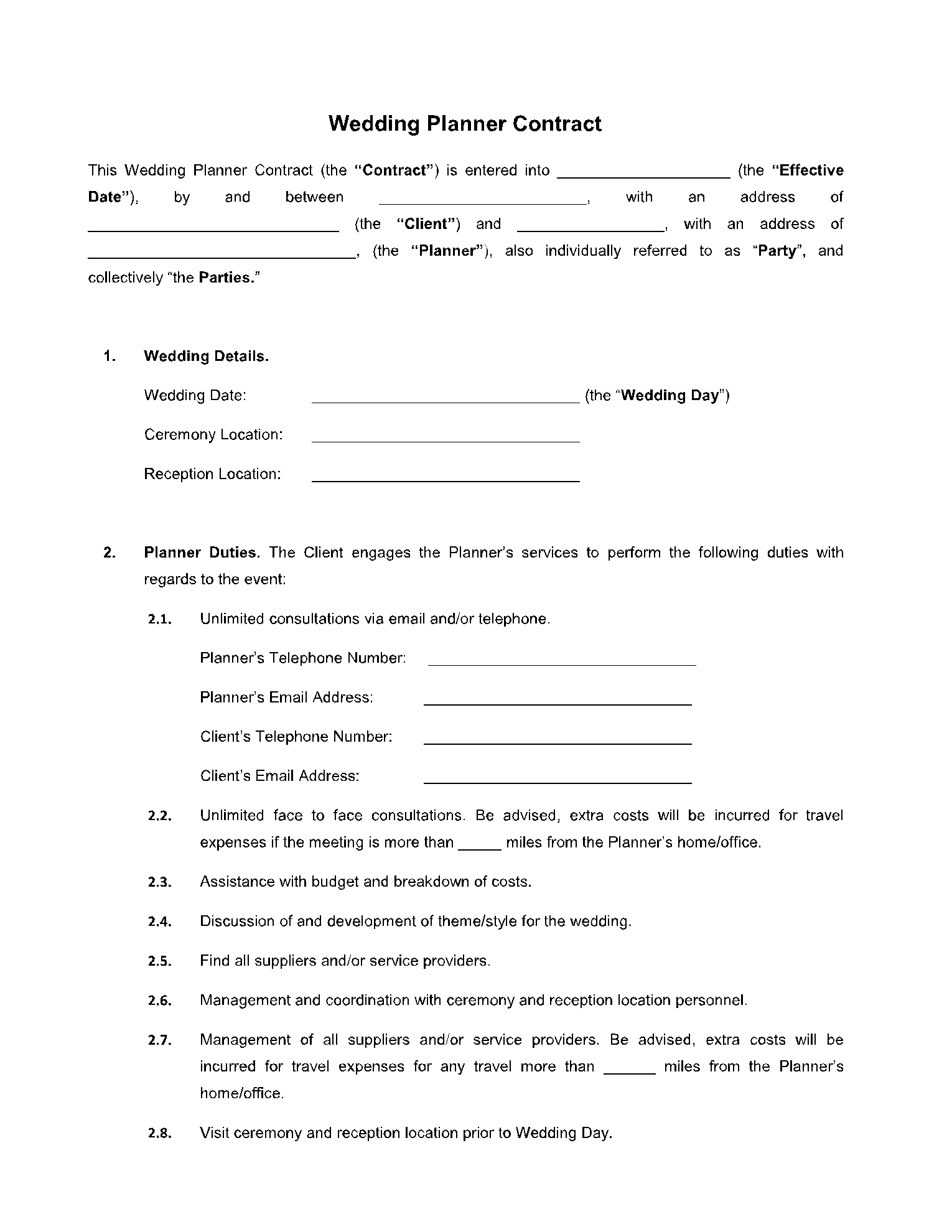
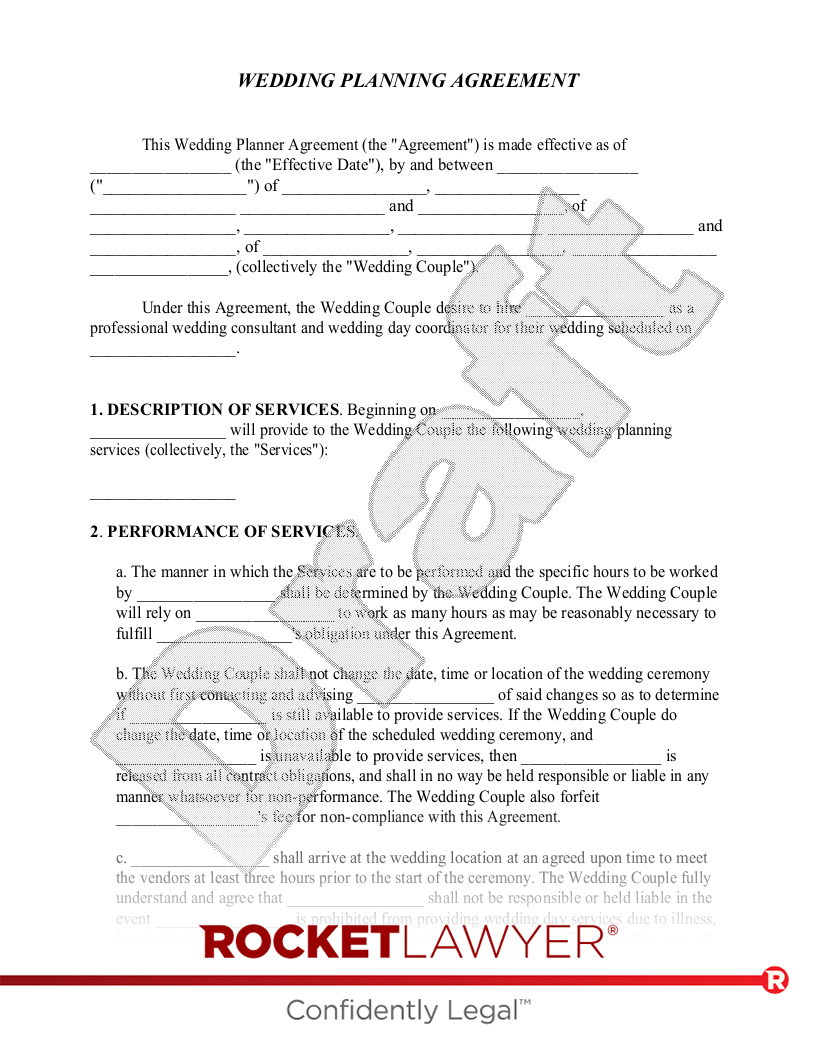
Contracts often include venue-specific terms. If plans change, review cancellation or relocation clauses carefully. Knowing your terms avoids surprise fees. It also helps you negotiate calmly if adjustments are needed.
- Check relocation policies.
- Confirm delivery times.
- Review additional charges.
- Update agreements in writing.
Small reminder: Save updated PDFs in one folder.
Result: Clear expectations, fewer disputes.
17. Confirm weather backup layout


Even with a backup venue, layout matters. Make sure guests can see the ceremony clearly and move comfortably. Test seating capacity and lighting before the day. A well-planned backup feels intentional, not second choice.
- Keep altar visible from all seats.
- Maintain aisle spacing.
- Add extra lighting indoors.
- Adjust sound setup accordingly.
Extra idea: Print simple backup layout notes for staff.
Result: Smooth experience even in bad weather.
18. Compare emotional venue fit
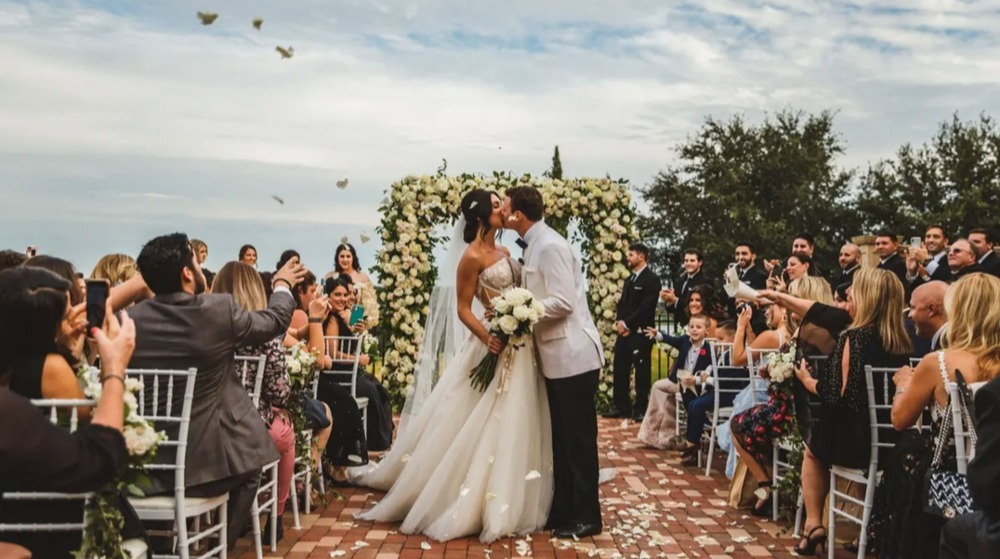
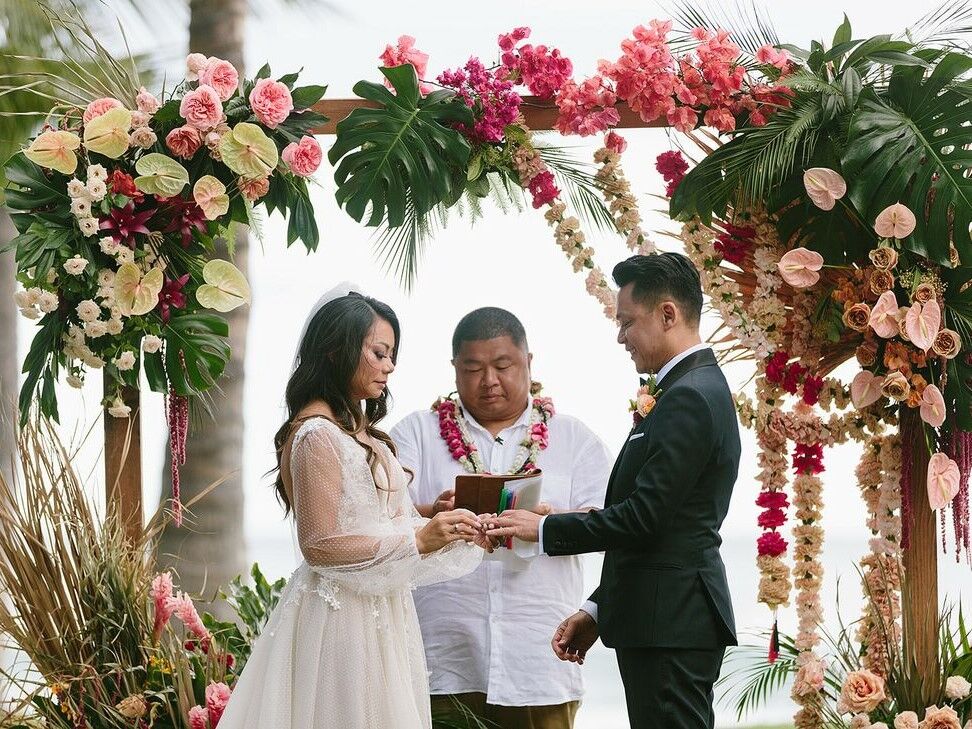


Logic matters, but so does feeling. Ask yourself: does the space feel like your wedding? Sometimes one venue simply feels more personal and relaxed. Balance convenience with emotion. The best choice is where you feel calm and excited at the same time.
- Stand quietly in each space.
- Imagine key moments there.
- Notice lighting and vibe.
- Ask if guests will feel comfortable.
Gentle reminder: Choose the venue that feels easy, not stressful.
Result: A wedding day that feels truly yours.
Small Details Couples Often Overlook
- Overdecorating transition areas
- Forgetting vendor travel time
- Blocking walkways with furniture
- Not testing lighting at night
- Ignoring guest comfort during flips
- Waiting too long to communicate changes
FAQs
Can you host ceremony and reception in one space?
Yes. Many modern weddings use one space to save time and budget. Smart layouts and lighting make it feel like two different events.
How do you flip a room quickly?
Use movable décor, assign staff roles, and schedule a cocktail hour so guests are occupied while the room changes.
How to guide guests between spaces smoothly?
Clear signage, announcements, and simple pathways keep people moving naturally.
What if weather forces venue changes?
Always secure a backup plan early. Keep décor portable and inform vendors in advance.
How to change venues without stress?
Communicate fast, update guests digitally, and review vendor contracts before finalizing.
Conclusion
Hosting your ceremony and reception together — or switching venues smoothly — comes down to planning smart, not overcomplicating. Focus on flow, comfort, and flexibility. When transitions feel natural, guests remember the joy, not the logistics. Keep your plans simple, your communication clear, and your space intentional. And if you’re still shaping your big day, explore more ideas inside your wedding planning guide for stress-free organization.