
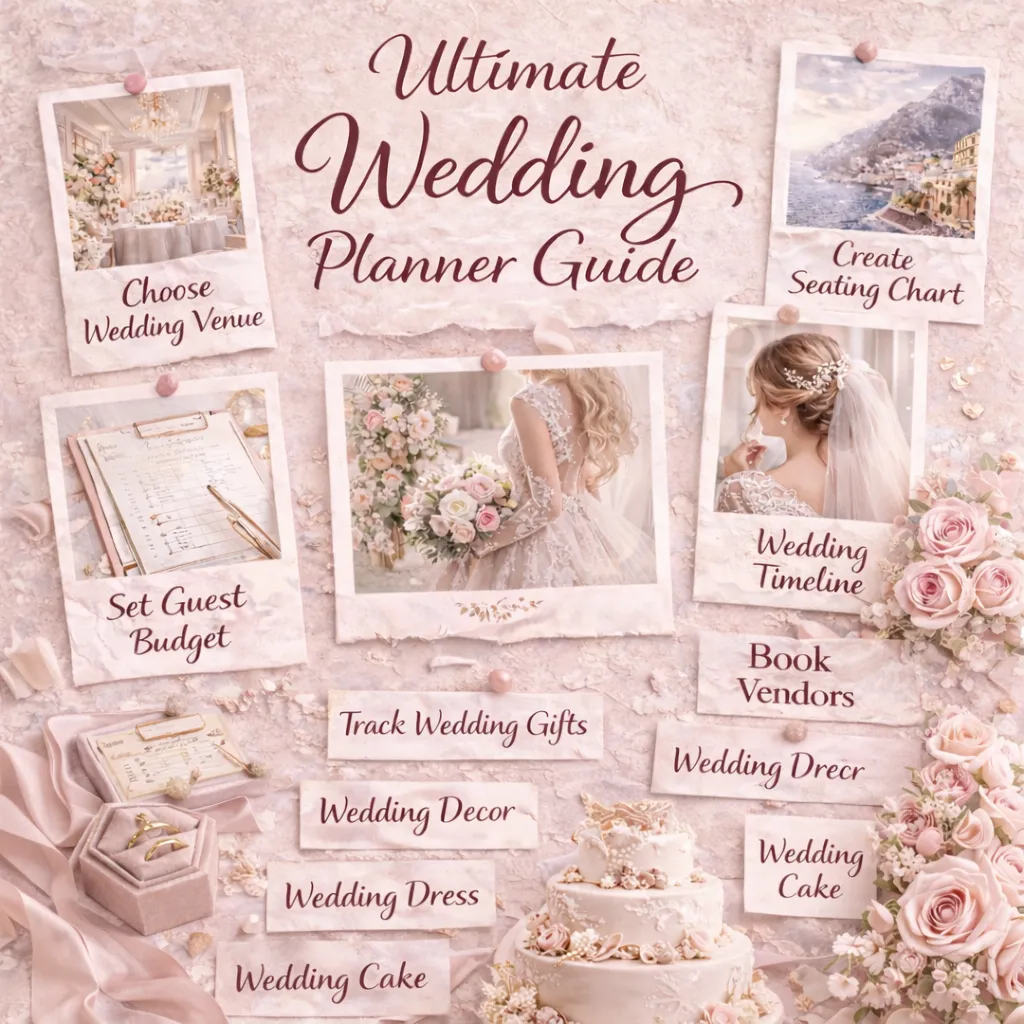
Planning a wedding can feel magical and overwhelming at the same time. There are dozens of moving pieces—guest lists, budgets, vendors, and timelines. That’s why many couples rely on a wedding planner binder. It keeps every detail organized in one place. Instead of juggling notes, emails, and screenshots, you have a clear system. This guide walks you through the key sections of a wedding binder and how each part helps turn planning into a calm, enjoyable process.
Defining Your Wedding Vision, Theme, and Style
Before booking venues or selecting flowers, couples need a clear vision for their wedding. This section of a wedding planner binder helps define the style and mood of the celebration. Think of it as the foundation of the entire event. When you know your theme, color palette, and guest count, every decision becomes easier. It also helps vendors understand the exact vibe you want for your wedding day.
- Choose a wedding theme such as rustic, elegant, or modern.
- Select two or three primary colors for your décor and stationery.
- Decide on the size of your guest list early.
- Collect inspiration photos for dresses, flowers, and venues.
- Write a few words describing your ideal wedding atmosphere.
Helpful tip:
Create a small Pinterest board for visual inspiration.
The clearer your vision is, the easier it becomes to make confident decisions.
The Complete 12-Month Wedding Planning Timeline
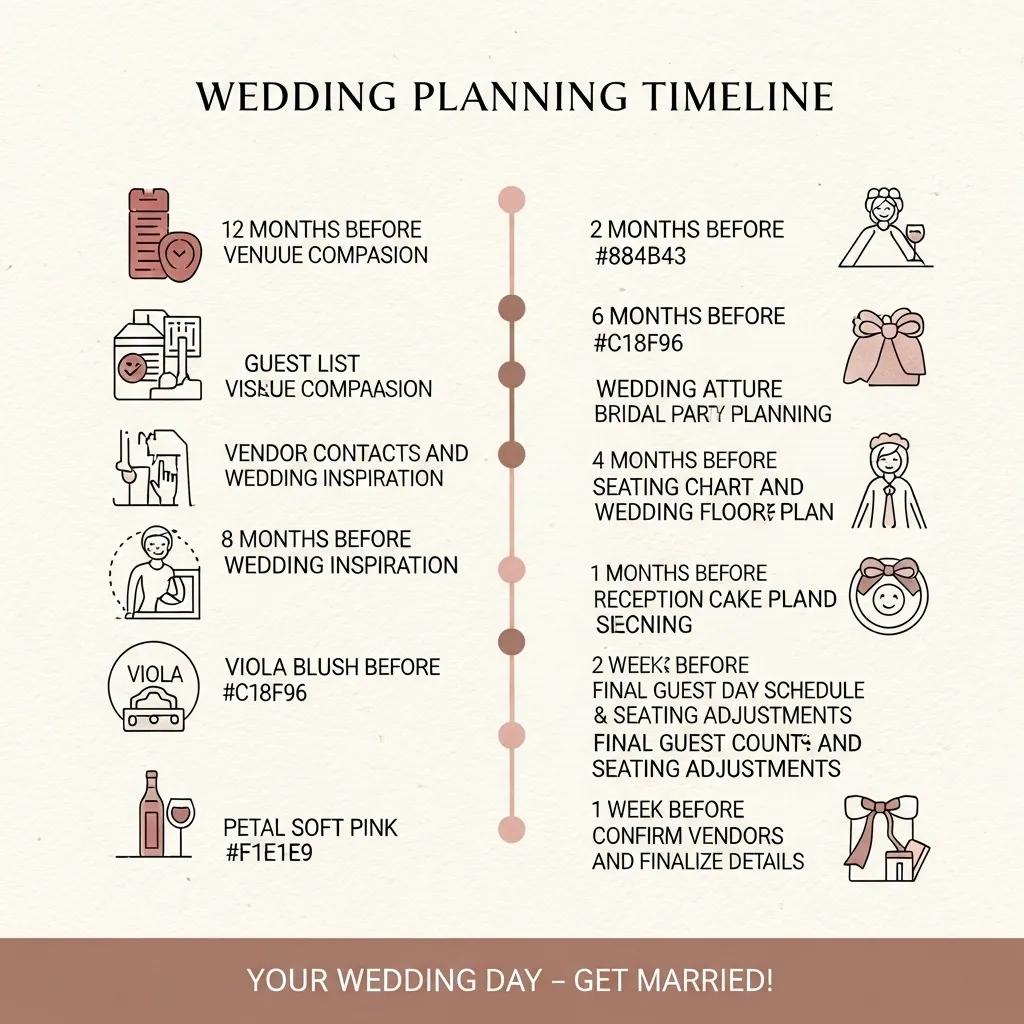
A wedding binder usually includes a full 12-month planning timeline. This timeline breaks the entire wedding journey into manageable steps. Instead of trying to plan everything at once, couples follow a monthly checklist. This approach removes stress and keeps planning realistic. Tasks such as booking venues or ordering invitations appear exactly when they should.
- Book the venue and photographer around 10–12 months early.
- Choose the wedding dress about 8–9 months before the event.
- Send invitations roughly 3 months before the wedding.
- Confirm final guest numbers 2–3 weeks before the event.
- Finalize schedules and payments one week before the day.
Helpful tip:
Highlight completed tasks in your planner.
Breaking planning into months helps you stay organized without feeling overwhelmed.
The Ultimate Wedding Planning Checklist for Brides
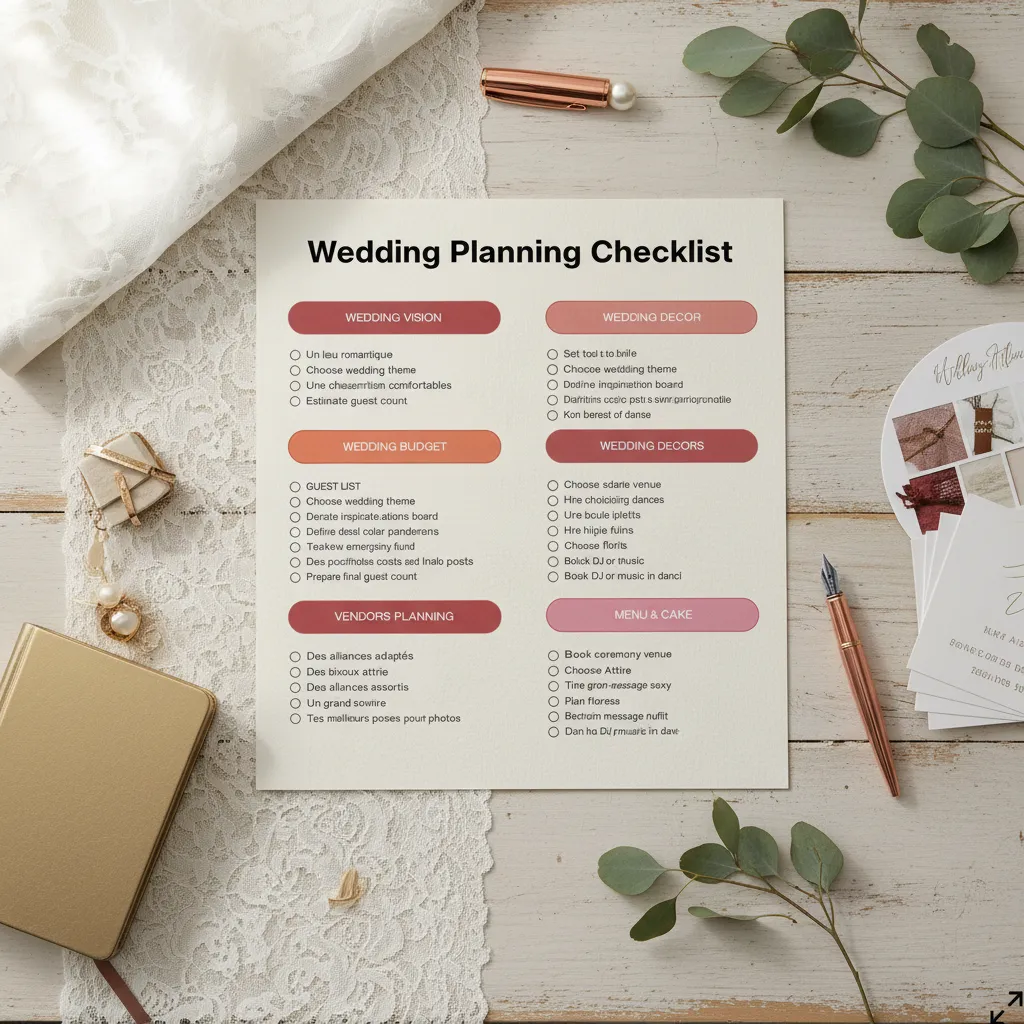
A detailed wedding checklist ensures no important step gets forgotten. Weddings involve hundreds of small details, from legal documents to décor items. A checklist gathers everything into one simple list. Couples can check off tasks as they move forward in the planning process. This keeps progress visible and helps avoid last-minute surprises.
- Confirm ceremony location and officiant.
- Arrange catering, music, and decorations.
- Plan bridal party attire and accessories.
- Prepare ceremony readings or vows.
- Organize transportation and accommodation.
Helpful tip:
Keep a separate checklist for the week of the wedding.
Checking tasks regularly keeps your planning process smooth and predictable.
How to Plan and Track Your Wedding Budget
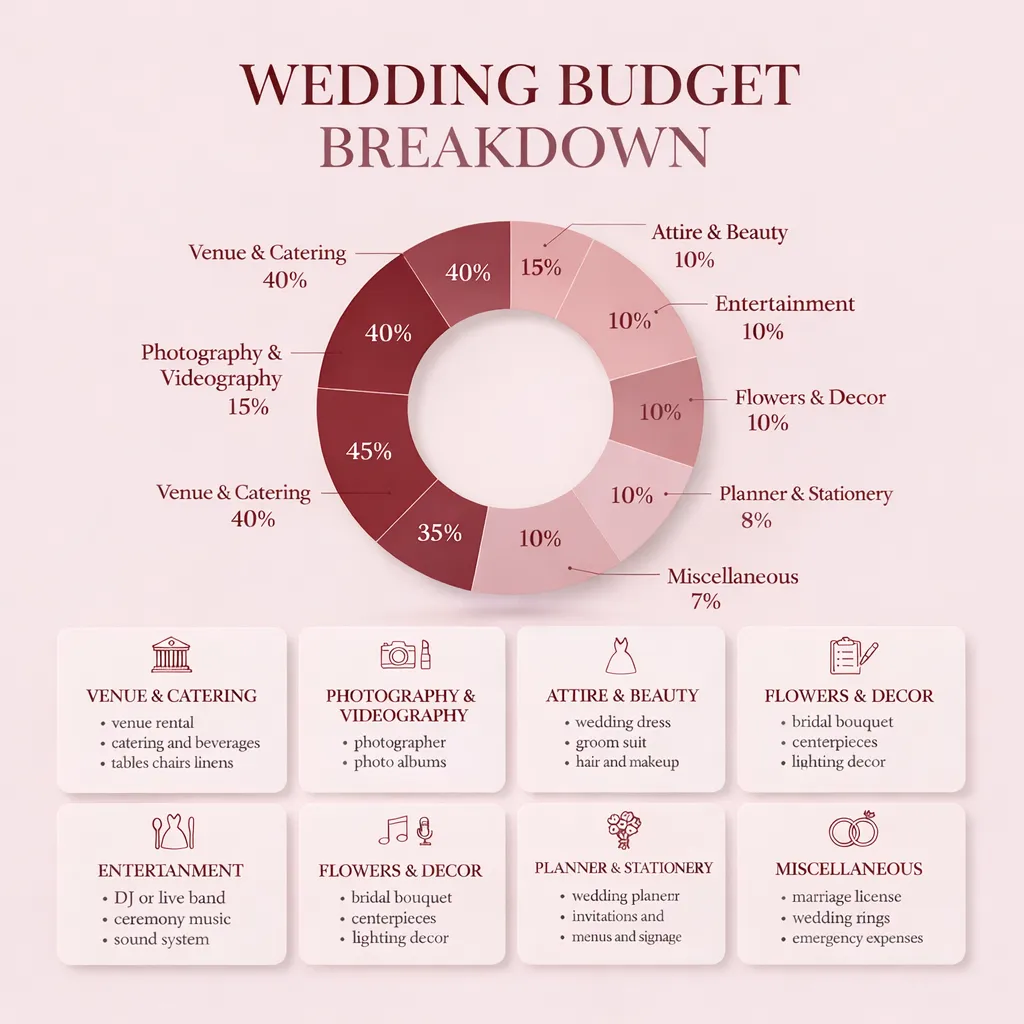
One of the most important parts of a wedding binder is the budget section. Weddings often involve many hidden expenses. Without tracking costs carefully, it becomes easy to overspend. Budget pages help couples record deposits, vendor payments, and remaining balances. This gives a clear view of where money goes and where adjustments may be needed.
- Set a total wedding budget before booking vendors.
- Record deposits and payment deadlines.
- Compare vendor quotes before choosing one.
- Track decoration and rental expenses.
- Review the budget monthly to avoid surprises.
Helpful tip:
Create a small emergency fund inside your budget.
A clear budget prevents financial stress and keeps planning realistic.
( you might also enjoy our guide to wedding budget planning tips.)
Managing Wedding Vendor Contacts and Contracts
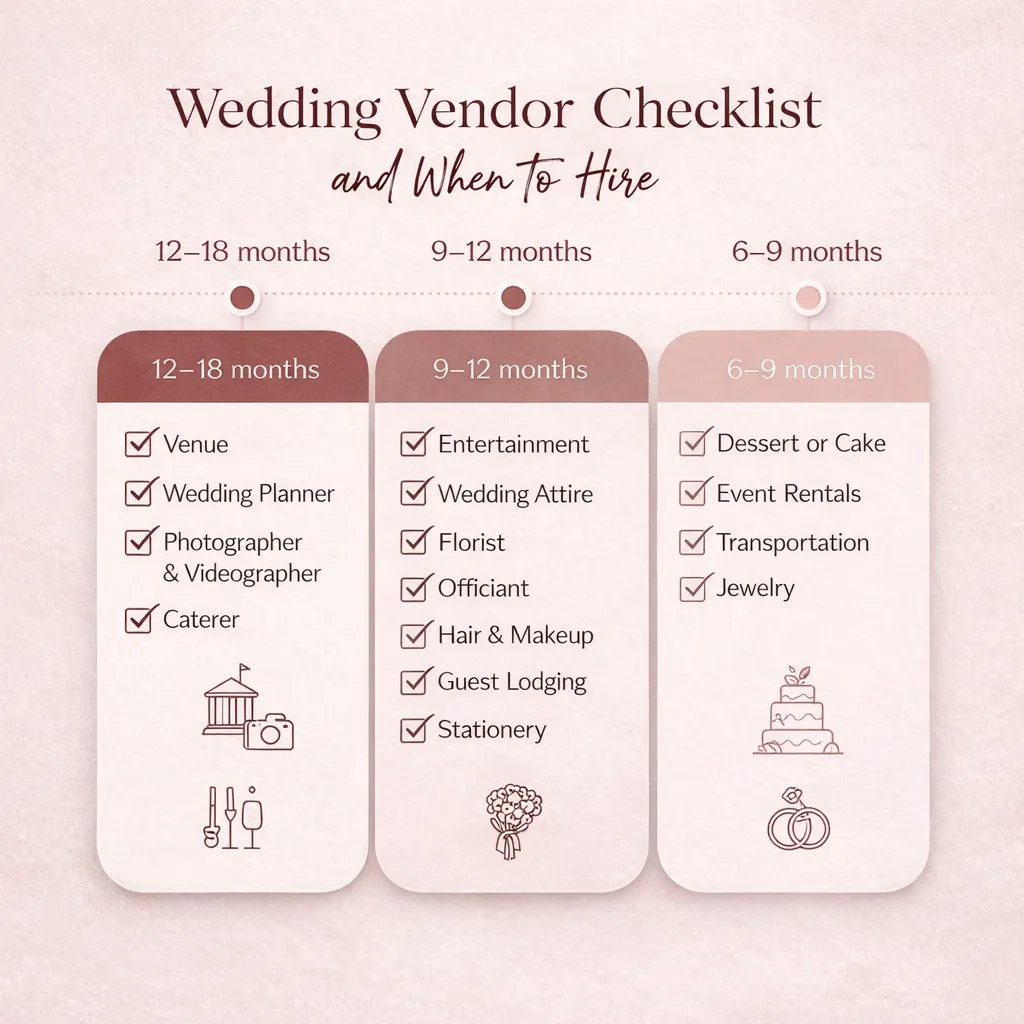
Vendor coordination is easier when all contact details are stored in one place. A wedding planner binder includes pages for recording vendor names, phone numbers, and services. This section becomes extremely helpful when confirming schedules or making quick decisions. It also helps couples compare services before making bookings.
- Record vendor name, phone number, and email.
- Note contract details and payment dates.
- Write questions before vendor meetings.
- Track services included in each package.
- Save business cards or brochures in sleeves.
Helpful tip:
Bring your binder to every vendor meeting.
Keeping vendor information together saves time and prevents confusion.
(External resource: planning experts often recommend vendor organization tips on sites like Brides.com.)
Organizing Your Wedding Guest List and RSVPs
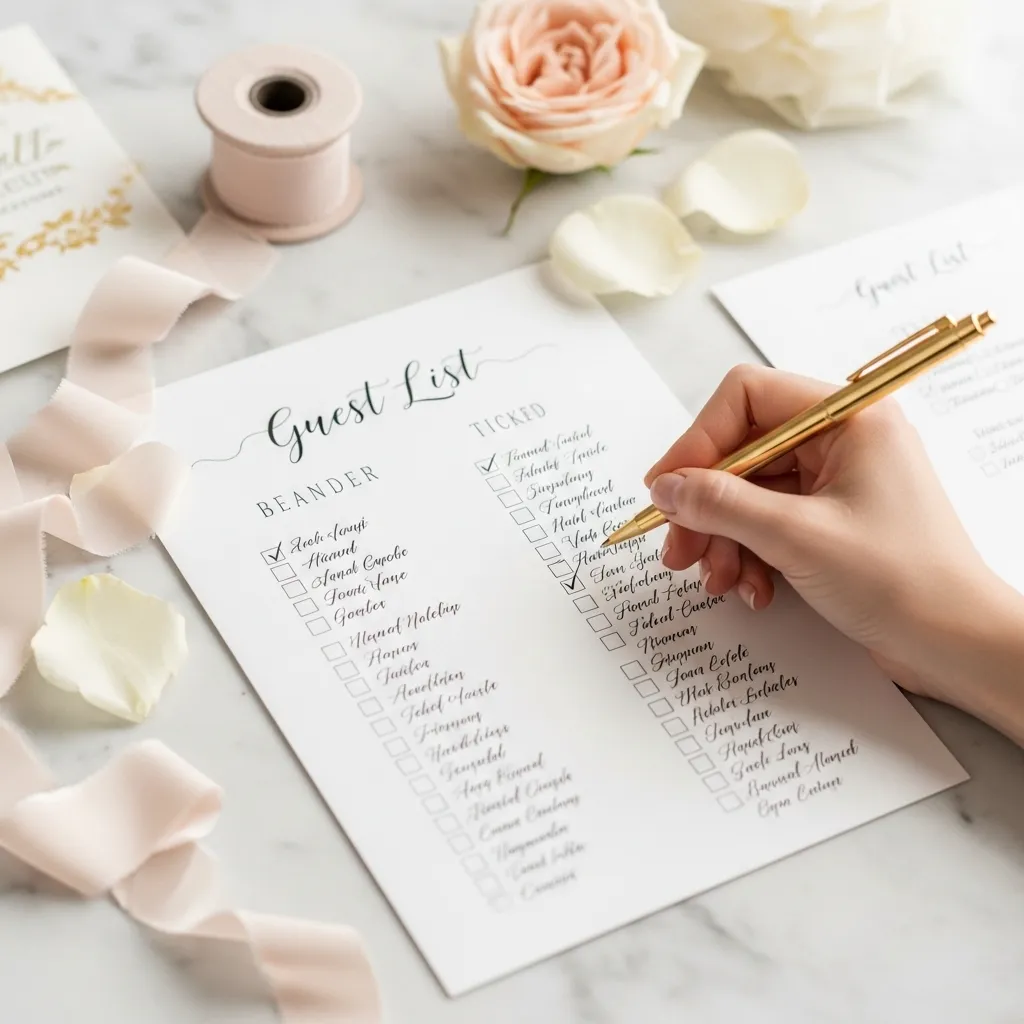
Guest lists can quickly become complicated. Couples must track addresses, RSVPs, meal choices, and plus-one requests. A guest list section in the wedding binder makes this process clear and manageable. It also helps calculate the final number of guests for catering and seating plans.
- Write guest names and contact information.
- Track RSVP responses as invitations return.
- Add notes for dietary restrictions.
- Record plus-one details.
- Confirm the final guest count before seating planning.
Helpful tip:
Leave extra space for last-minute guests.
A structured guest list helps invitations, catering, and seating run smoothly.
Tracking Wedding Gifts and Thank-You Notes
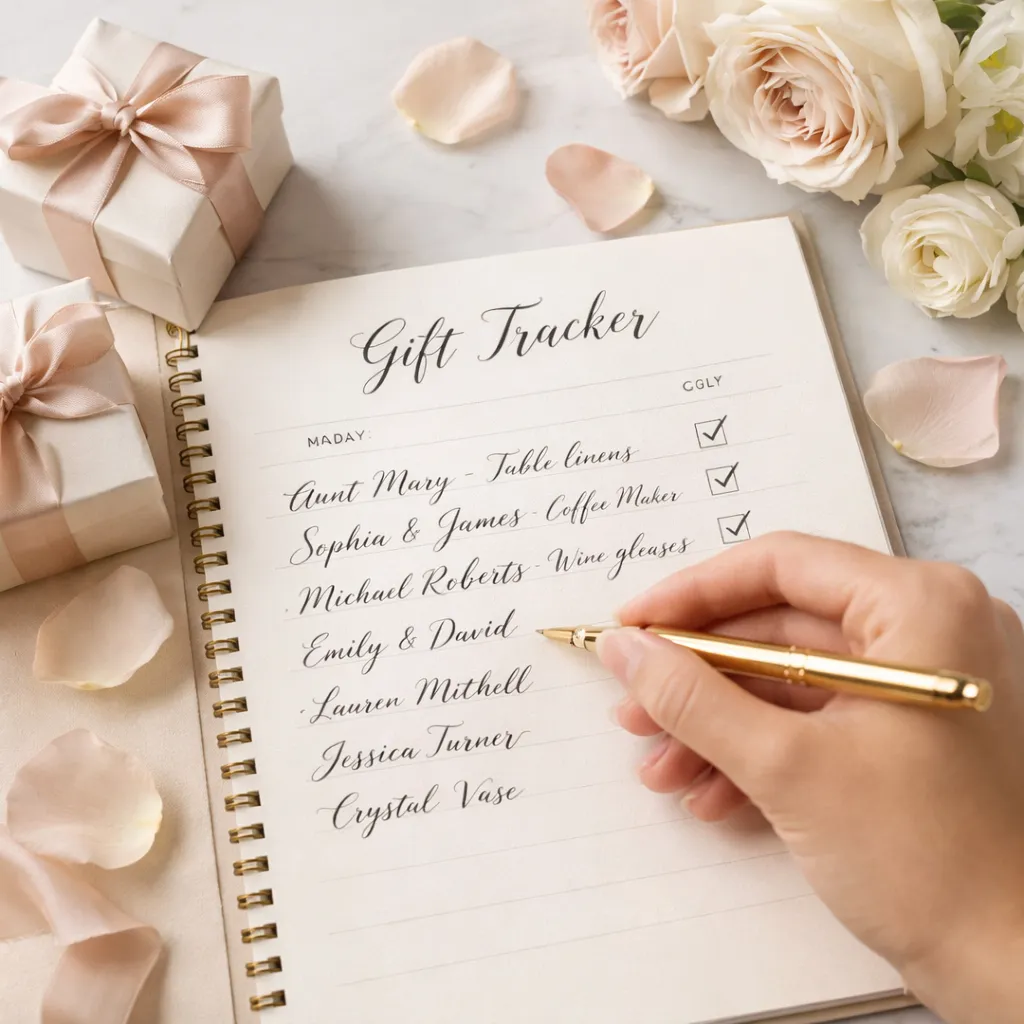
Many wedding planners include a gift tracker section. During weddings, couples receive numerous gifts and envelopes. Keeping a simple record helps later when sending thank-you cards. It also prevents forgetting who gave what, especially after a busy celebration.
- Write the name of the gift giver.
- Record the type of gift received.
- Track whether a thank-you card was sent.
- Note monetary gifts separately.
- Update the list after each event.
Helpful tip:
Assign a trusted friend to update the gift list during the reception.
Tracking gifts early makes writing thank-you cards simple and thoughtful.
Creating the Perfect Wedding Seating Chart
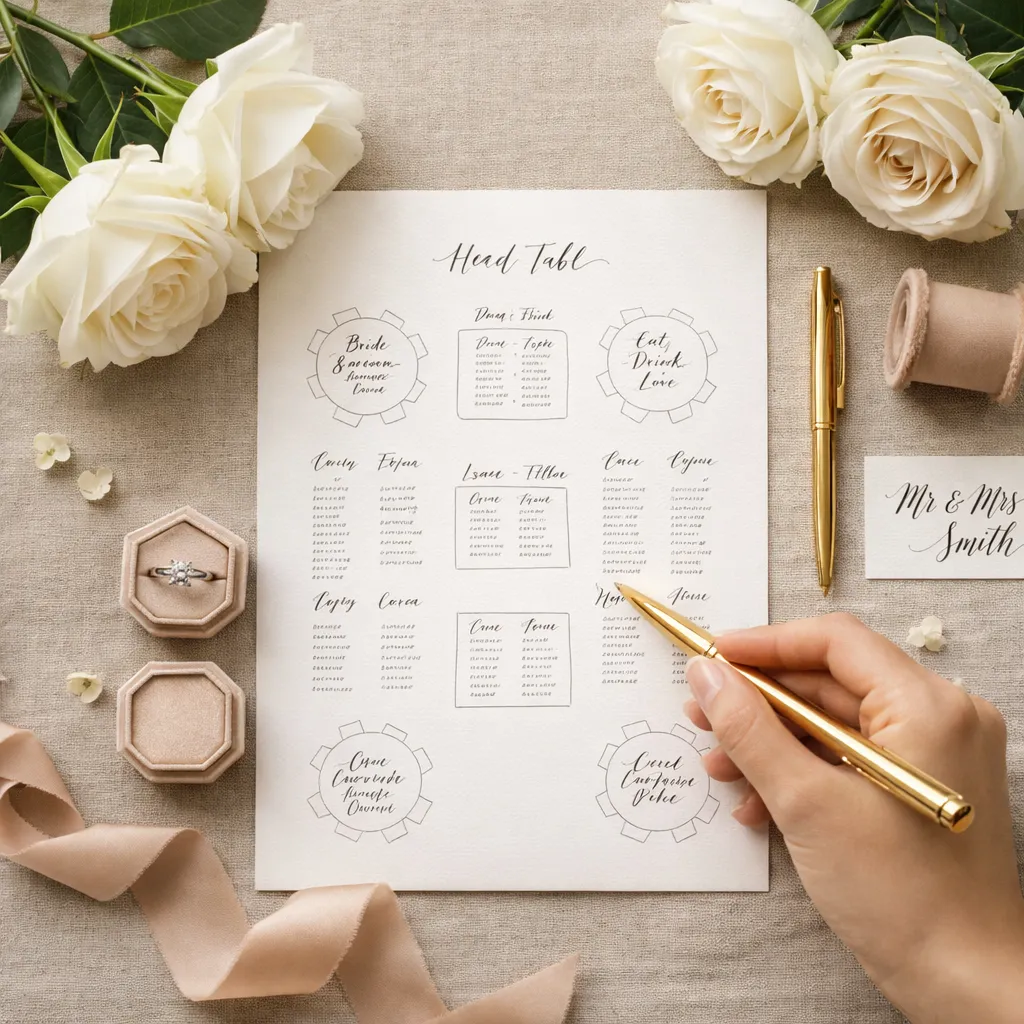
A seating chart helps create a comfortable atmosphere during the reception. It decides who sits at which table. This part of the wedding binder allows couples to plan layouts before printing the final chart. By experimenting with arrangements, couples can make sure guests feel relaxed and connected.
- Group family members near the couple.
- Seat friends with people they already know.
- Place elderly guests near exits or restrooms.
- Avoid seating conflicting personalities together.
- Keep empty seats for unexpected changes.
Helpful tip:
Start seating arrangements after final RSVPs arrive.
Thoughtful seating helps guests enjoy conversations and feel welcomed.
Planning a Detailed Wedding Day Schedule
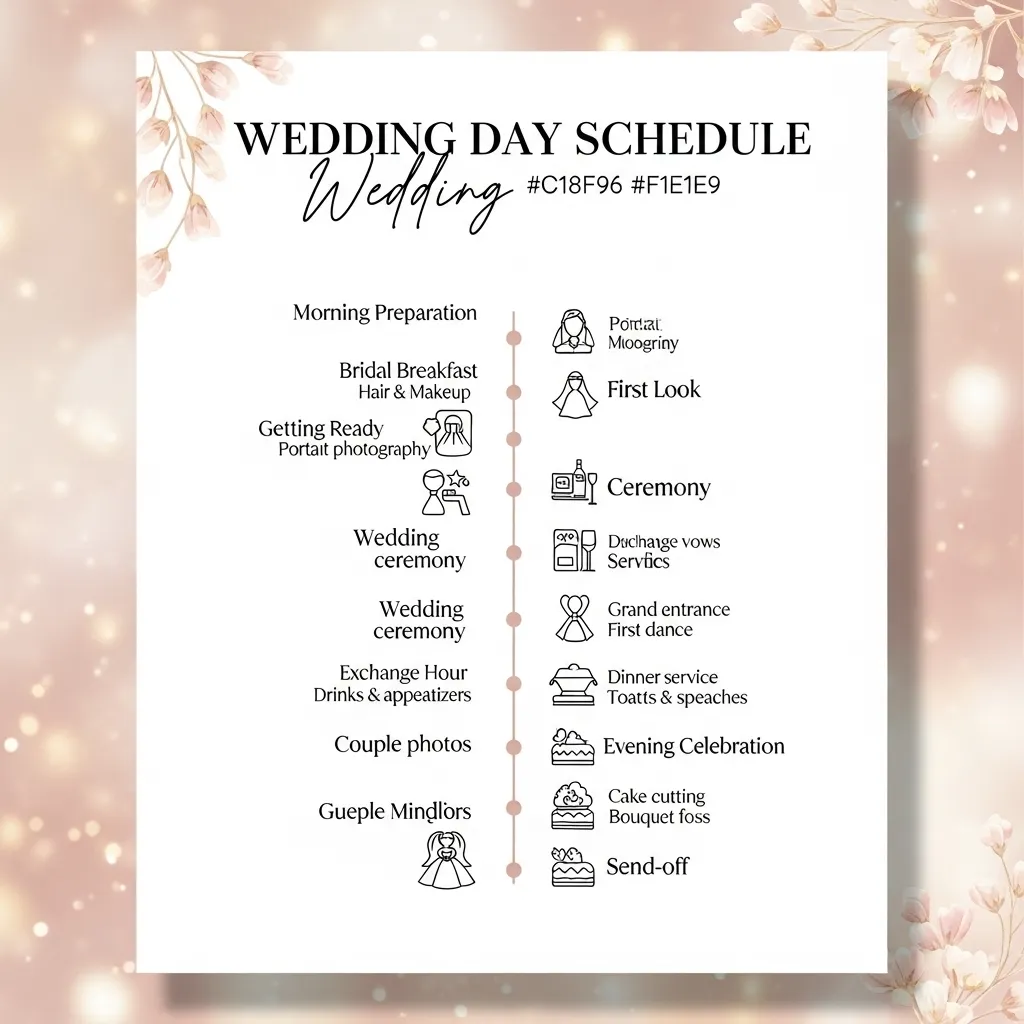
The wedding day schedule outlines everything that happens from morning preparations to the final dance. Without a timeline, events may feel rushed or disorganized. This section of the binder keeps the entire day structured and predictable.
- Set time for hair and makeup preparation.
- Schedule photography sessions before the ceremony.
- Plan the ceremony start time and reception flow.
- Assign time for speeches and cake cutting.
- Share the schedule with all vendors.
Helpful tip:
Print extra copies of the timeline for vendors.
Clear schedules help everyone stay on track throughout the day.
Comparing Wedding Venues and Choosing the Best One
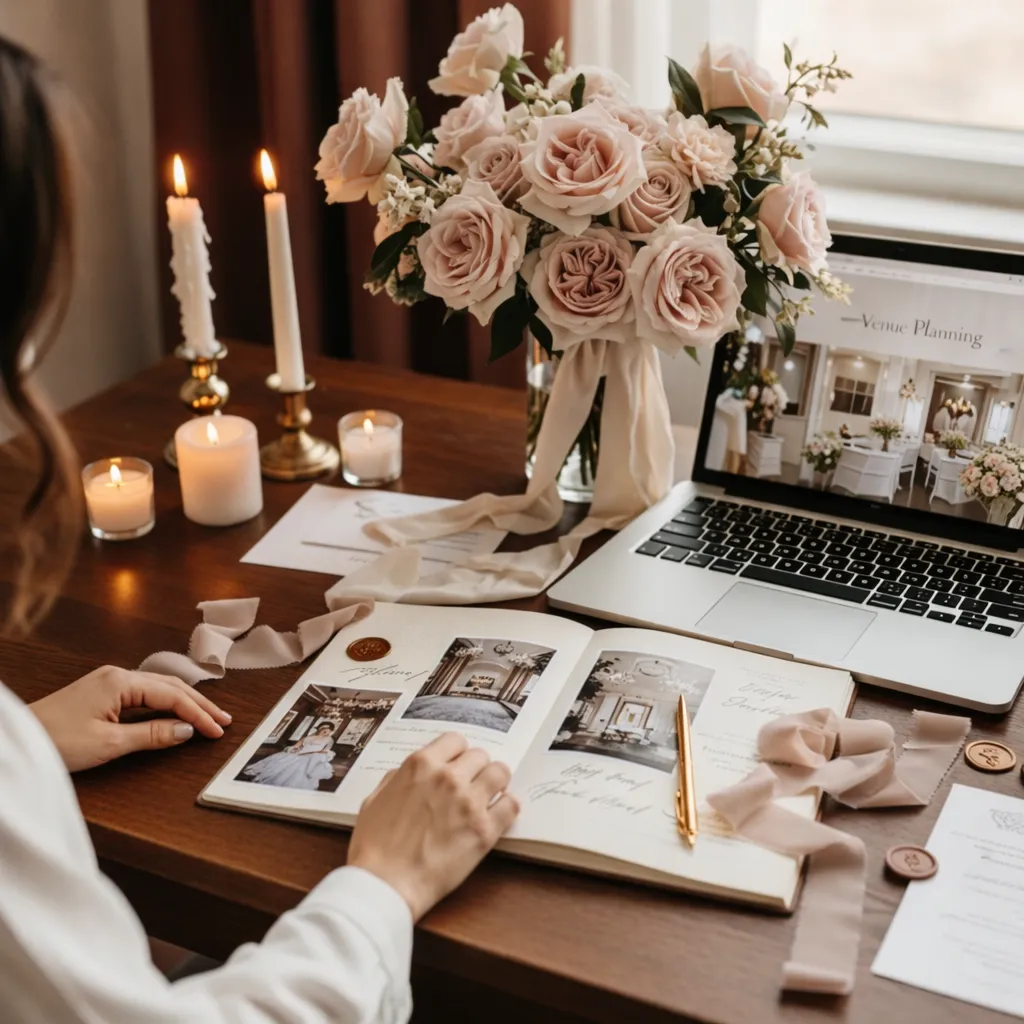
Choosing the right venue is one of the biggest decisions in wedding planning. A venue comparison page helps couples evaluate options carefully. Instead of relying on memory, couples write down details for each venue. This makes the final choice easier and more logical.
- Compare venue capacity and guest limits.
- Record pricing and included services.
- Check parking and accessibility.
- Review restrictions on decorations or catering.
- Note available dates and backup options.
Helpful tip:
Visit venues at the same time of day as your wedding.
Side-by-side comparisons help couples choose the best venue confidently.
(Helpful resource: The Knot wedding venue guide offers additional tips.)
Planning the Wedding Menu and Choosing the Perfect Cake
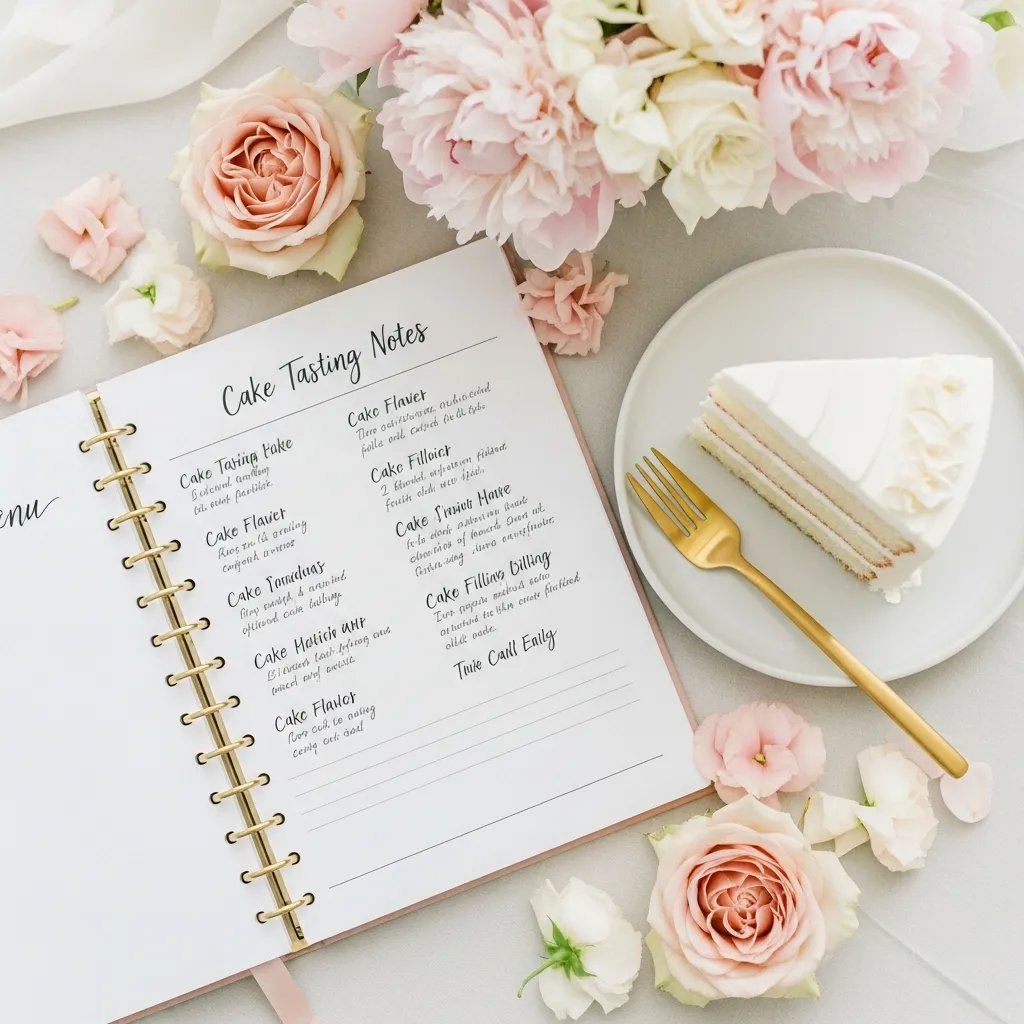
Food plays a major role in the wedding experience. A menu planning section helps couples organize catering details and cake designs. Recording tasting notes inside the binder helps compare flavors and presentation ideas. It also ensures dietary needs are considered.
- Choose appetizers, main dishes, and desserts.
- Plan beverage options and signature drinks.
- Record cake design ideas and flavors.
- Confirm serving sizes for guest numbers.
- Discuss dietary alternatives with caterers.
Helpful tip:
Select seasonal ingredients for better taste and price.
Well-planned menus make the reception memorable for guests.
Collecting Wedding Inspiration and Choosing Wedding Attire
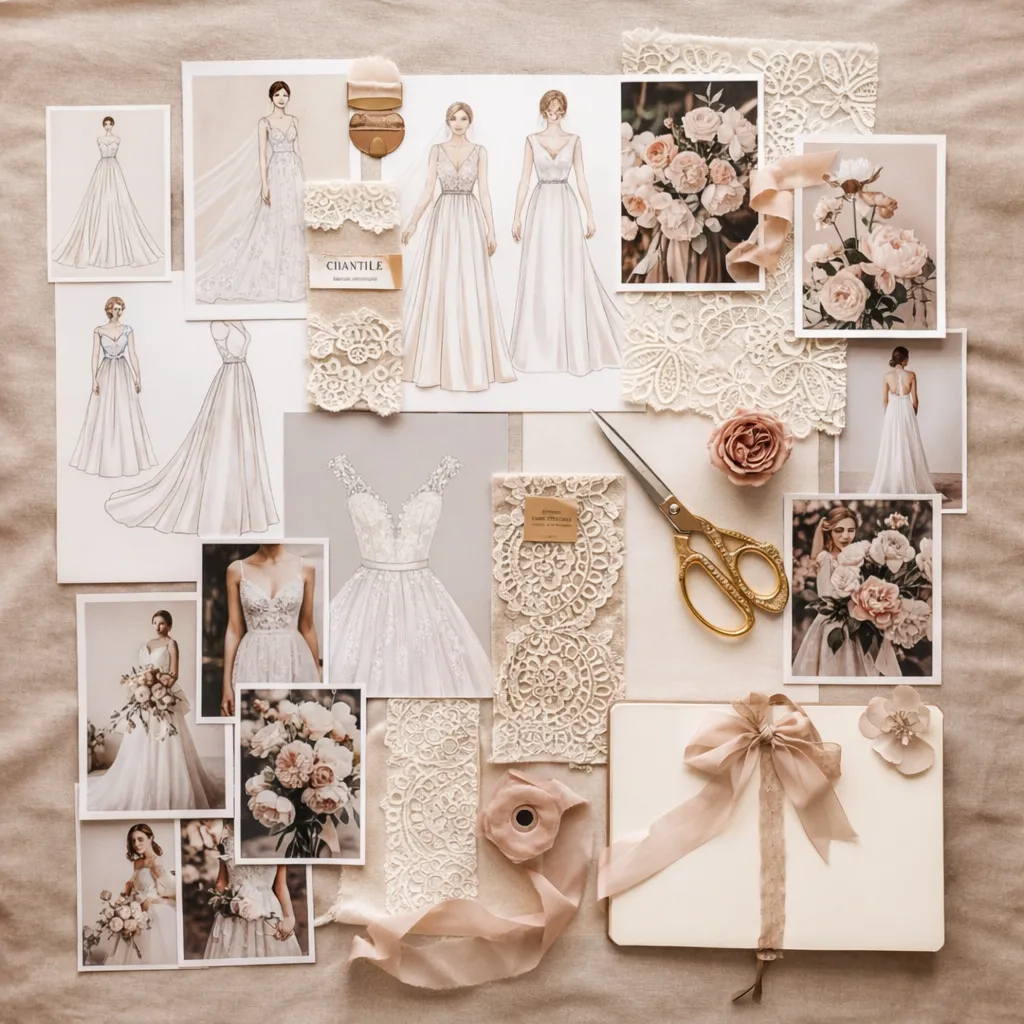
The inspiration section captures the creative side of wedding planning. Couples collect ideas for décor, flowers, dresses, and styling. This section often includes sketches, photos, and notes. It helps keep the wedding aesthetic consistent from invitations to table décor.
- Collect dress inspiration and designer ideas.
- Save flower arrangements you love.
- Record decoration and lighting concepts.
- Note hair and makeup style ideas.
- Match attire choices with the overall theme.
Helpful tip:
Keep all inspiration photos in the same section of the binder.
Consistent inspiration helps every design detail work together beautifully.
(Internal link example: you can also explore our wedding dress inspiration guide.)
FAQs
What is a wedding planner binder?
A wedding planner binder is an organized notebook that stores all wedding planning details in one place, including budgets, vendor contacts, guest lists, and timelines.
When should you start a wedding planner binder?
Most couples start planning one immediately after engagement, usually 10–12 months before the wedding.
Is a digital planner better than a binder?
Both work well. Physical binders are easier to bring to meetings, while digital planners allow quick edits and sharing.
What sections should every wedding binder include?
Essential sections include budget planning, vendor contacts, guest lists, seating charts, timelines, and inspiration boards.
Conclusion
A wedding planner binder turns a complicated planning process into a simple system. Instead of feeling overwhelmed, couples can track every detail step by step. From defining your wedding vision to organizing vendors and guest lists, each section works together to keep planning smooth and enjoyable.
When everything lives in one organized place, the wedding journey becomes less stressful and far more exciting. By using a structured binder, couples can focus on what truly matters—celebrating love with family and friends.