


Intro
Hidden wedding costs catch almost every couple off guard. You plan flowers, outfits, and the venue — then small extra fees start showing up everywhere. That’s why this guide keeps things simple and real. We’ll walk through the 17 hidden wedding costs most couples forget, explain how they sneak into your budget, and show smart ways to avoid stress. By the end, you’ll feel more prepared, more relaxed, and more in control of your wedding spending.
1. Spot Surprise Vendor Service Fees

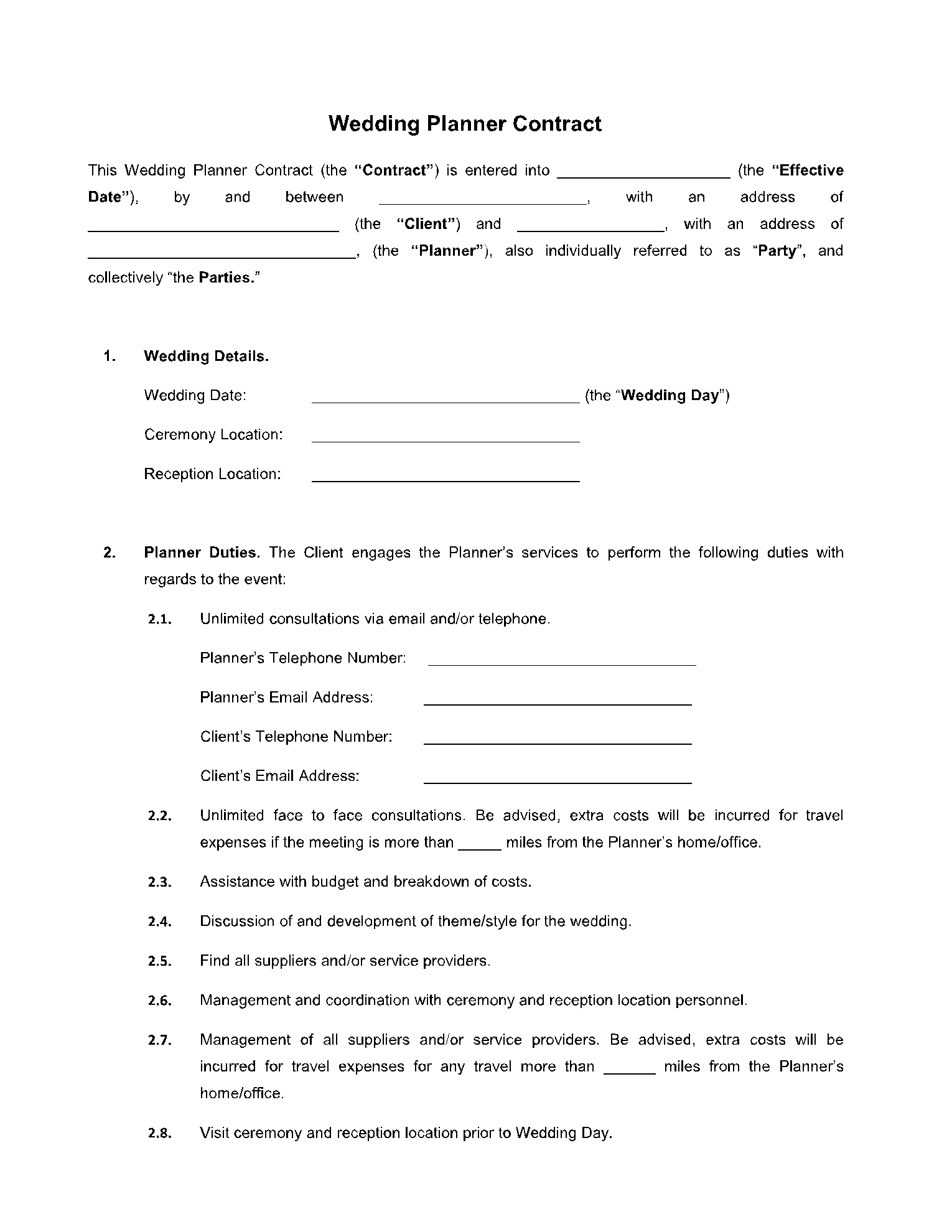


Many vendors add small service charges that are easy to miss. These can include admin fees, setup charges, or coordination costs hidden in the fine print. Always read contracts slowly and ask what each line means. Small fees add up fast when you hire multiple vendors, so clarity early saves money later.
- Read every fee line before signing
- Ask if setup or teardown is included
- Confirm payment processing charges
- Request a full cost breakdown
- Compare quotes side by side
Pro tip: Ask vendors to highlight optional add-ons.
Why it works: Clear pricing stops surprises before they start.
2. Add Gratuity Percentage Buffers



Gratuities are often forgotten in early budgets. Some contracts include them, others don’t. Tips can range from 10–20% depending on service type, which can quickly become a large amount. Build a gratuity buffer so you never scramble for cash on your wedding day.
- Check if gratuity is already included
- Add 10–15% cushion in budget
- Prepare labeled tip envelopes early
- Assign someone trusted to hand them out
Pro tip: Keep tip cash ready one week before the wedding.
Why it works: Planning ahead prevents last-minute stress.
3. Include Overtime Vendor Charges




Weddings rarely run exactly on time. When events go longer than planned, vendors may charge hourly overtime fees. DJs, photographers, and coordinators often bill extra after agreed hours. One late timeline shift can mean hundreds more.
- Ask overtime rates before booking
- Build small timeline buffers
- Start ceremonies on time
- Inform vendors about schedule changes
Pro tip: Plan your timeline with extra breathing space.
Why it works: Small schedule cushions reduce paid extensions.
4. Budget for Rehearsal Dinner Meals



Rehearsal dinners feel casual, but food costs rise quickly. Guest counts grow once family and wedding party are added. Even simple meals become a noticeable expense if ignored early. Treat this event like a mini reception when budgeting.
- List realistic guest numbers
- Choose limited menu options
- Consider buffet or family style
- Include drinks and service fees
Pro tip: Host at a cozy restaurant instead of formal catering.
Why it works: Smaller setups lower overall cost while staying meaningful.
5. Account for Delivery Surcharges

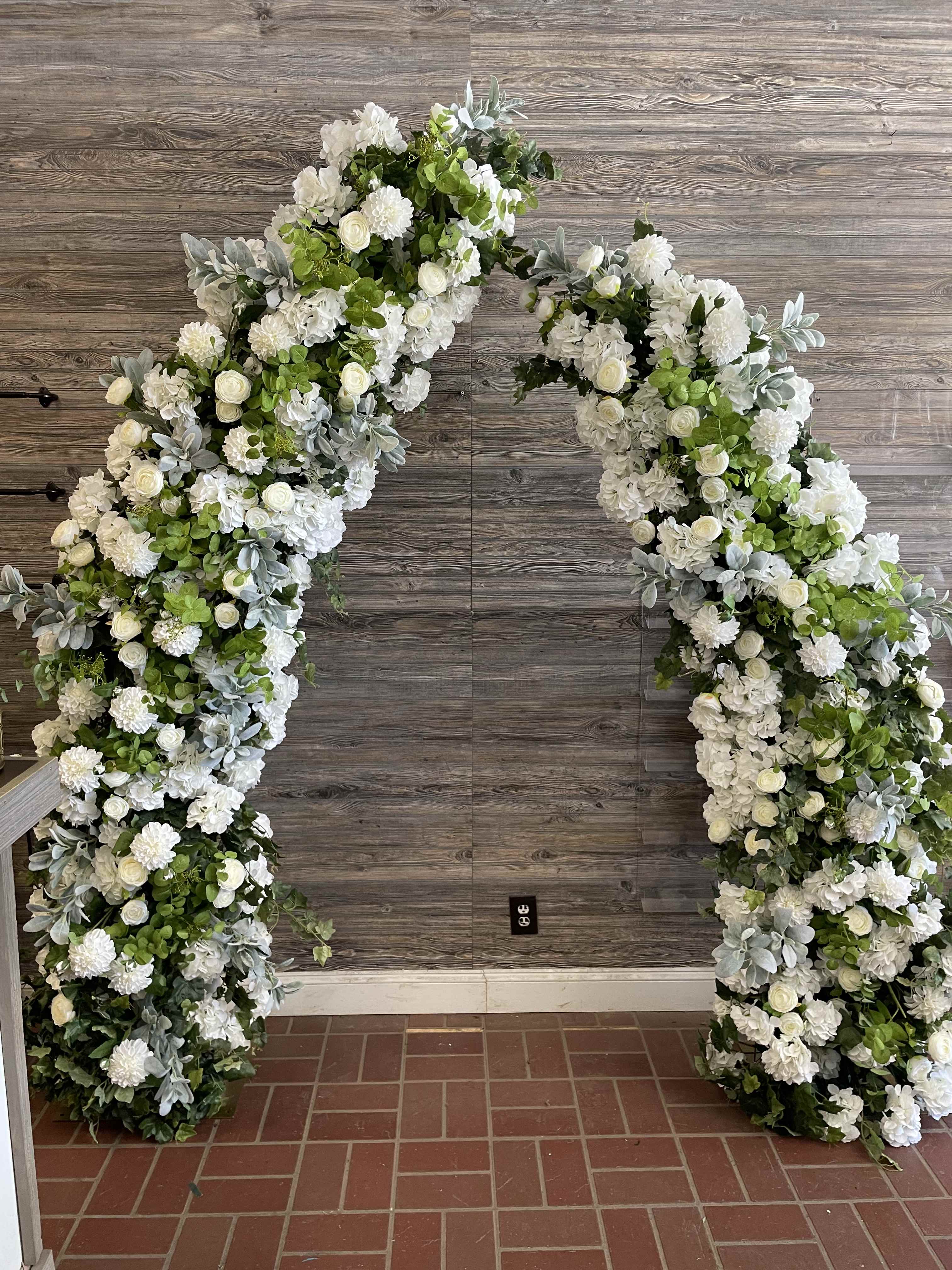


Delivery fees appear with rentals, flowers, cakes, and décor. Travel distance, stairs, or late-night pickup may increase costs. Couples often forget these logistics when calculating totals.
- Ask about mileage costs
- Confirm pickup timing fees
- Check delivery minimums
- Combine deliveries when possible
Pro tip: Use fewer vendors when possible.
Why it works: One delivery team means fewer extra charges.
6. Add Vendor Meal Requirements




Many vendors require meals if they work long hours. Photographers, DJs, planners, and videographers usually need food during reception time. These meals can cost almost like guest plates, especially with formal catering.
- Ask vendors if meals are required
- Include vendor count in catering total
- Choose simple vendor meal options
- Confirm serving time in schedule
Pro tip: Ask caterers about discounted vendor plates.
Why it works: Vendors stay energized without inflating costs.
7. Include Cake Cutting Fees


Many venues charge extra to slice and serve your cake — even if you bring it yourself. Couples get surprised by per-slice fees on final invoices.
- Ask venue about cake service fees
- Compare venue vs bakery serving options
- Consider cupcakes or pre-cut servings
- Confirm plating is included
Pro tip: Serve cake buffet-style if allowed.
Why it works: Less staff time usually lowers fees.
8. Count Alteration Rush Charges


Dress alterations are expected — rush charges are not. Late fittings or last-minute changes can double tailoring costs. Plan fittings early to avoid premium fees.
- Book fittings months ahead
- Wear final shoes during fitting
- Avoid major weight changes late
- Confirm alteration timeline
Pro tip: Schedule the first fitting right after dress delivery.
Why it works: Extra time reduces expensive rush work.
9. Factor in Tax Percentages
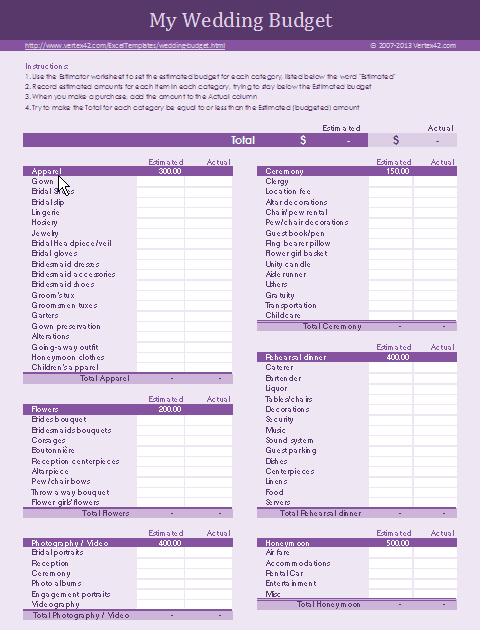
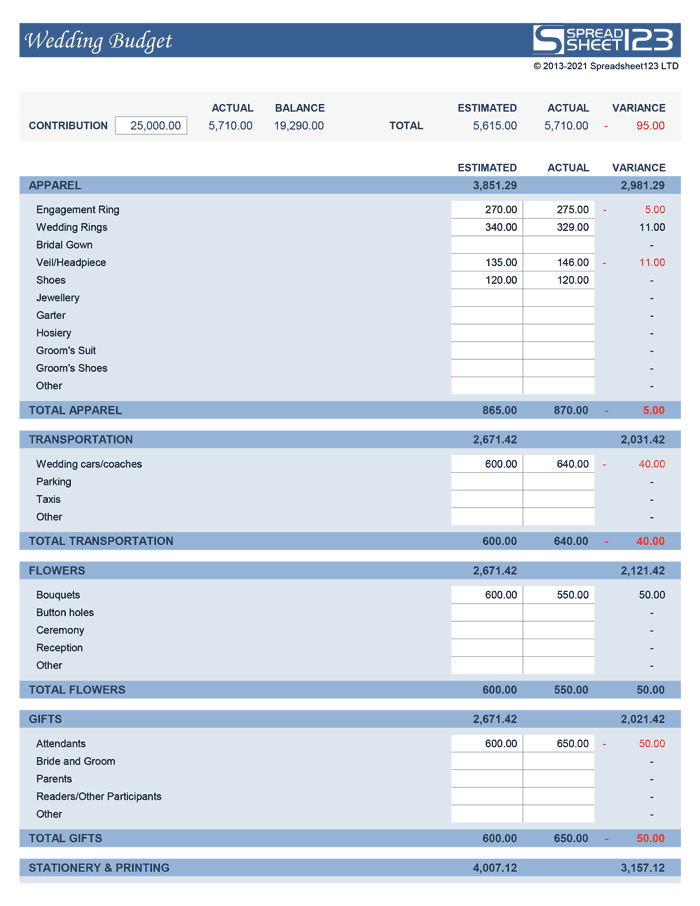


Taxes quietly increase your total budget. Many quotes look affordable until taxes are added at checkout. Always calculate final totals instead of base prices only.
- Ask for tax-inclusive estimates
- Add estimated tax percentage buffer
- Track totals in one sheet
- Review invoices carefully
Pro tip: Use a simple budget guide spreadsheet.
Why it works: Clear numbers stop accidental overspending.
10. Include Welcome Bag Expenses




Welcome bags feel thoughtful but can become expensive with snacks, gifts, and custom packaging. The more guests staying overnight, the higher the total climbs.
- Keep items small but useful
- Buy snacks in bulk
- Skip heavy packaging
- Add a simple handwritten note
Pro tip: Limit welcome bags to out-of-town guests only.
Why it works: You keep the gesture meaningful and affordable.
11. Budget Marriage License Fees




Every region charges a marriage license fee, and some require extra copies afterward. Couples often forget this legal step while planning the fun parts.
- Check your local government website
- Confirm payment method required
- Ask about expiration dates
- Order extra certified copies
Pro tip: Schedule the license appointment early.
Why it works: Avoids last-minute legal stress.
12. Add Cleanup Crew Charges
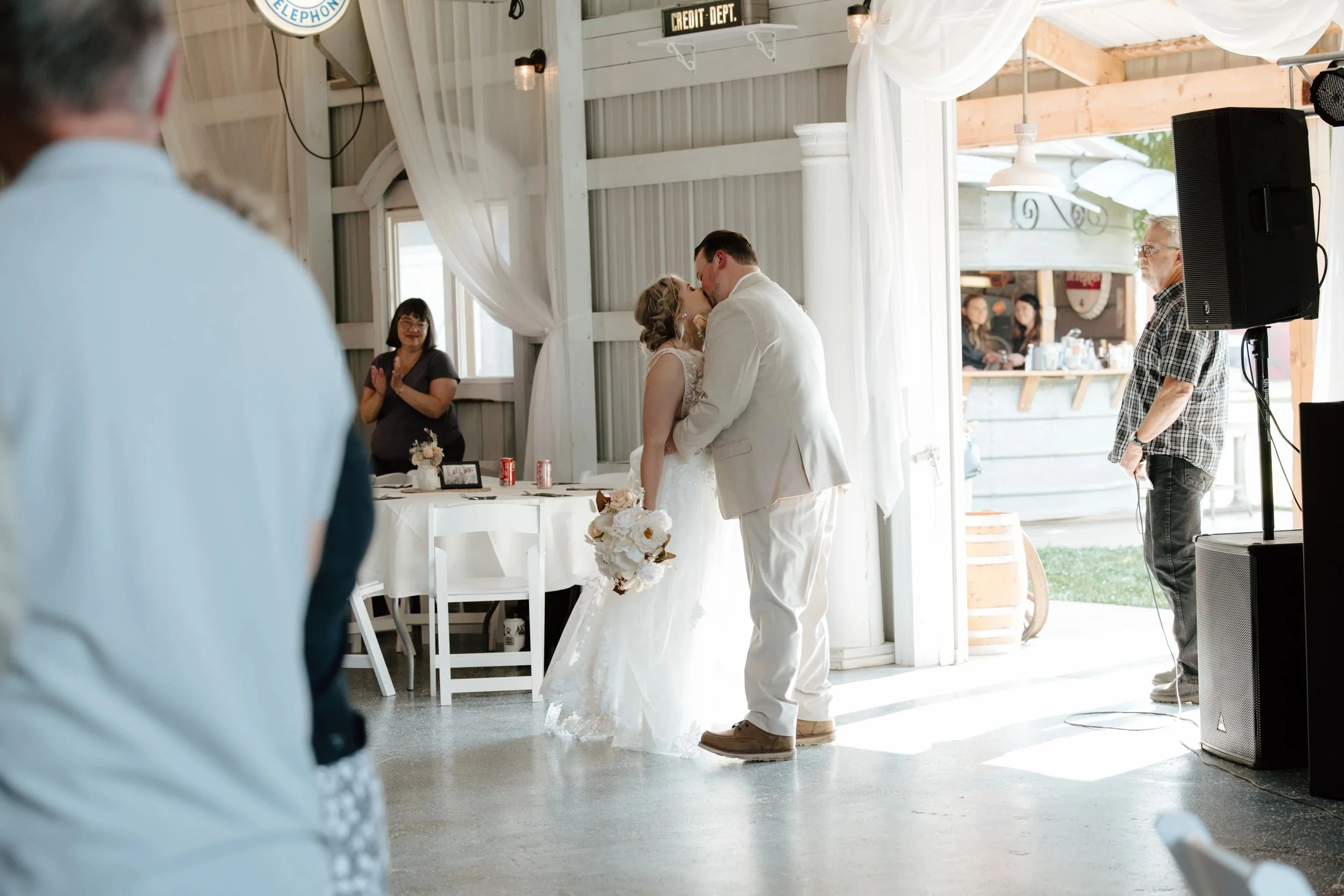



Some venues expect couples to handle cleanup or charge extra staff fees. Late-night cleanup costs can surprise you if not discussed early.
- Confirm cleanup responsibilities
- Ask what is included in rental
- Assign helpers if DIY décor
- Check overtime cleaning fees
Pro tip: Hire minimal cleanup help instead of full service.
Why it works: Targeted help saves money and energy.
13. Calculate Corkage Fees



Bringing your own alcohol sounds cheaper — until corkage fees appear. Venues charge per bottle or per case, which can cancel out savings.
- Ask corkage price early
- Compare venue bar packages
- Limit drink varieties
- Track bottle count carefully
Pro tip: Choose the venue bar if corkage is high.
Why it works: Sometimes the “extra” option costs less overall.
14. Budget Lighting Technician Fees


Beautiful lighting transforms photos but often needs a technician. Setup, operation, and teardown may be separate charges.
- Ask if lighting includes technician
- Choose simple lighting packages
- Avoid overcomplicated setups
- Test lighting before event
Pro tip: Focus on warm ambient lighting.
Why it works: Simple lighting looks romantic and costs less.
15. Plan Travel Reimbursement Costs




If vendors travel far, you may cover fuel, hotels, or flights. These fees are easy to overlook during booking.
- Ask how travel is calculated
- Hire local vendors when possible
- Confirm hotel nights needed
- Bundle vendor schedules together
Pro tip: Choose nearby professionals when possible using smart vendor tips.
Why it works: Less travel equals smaller invoices.
16. Factor Rehearsal Space Rental



Some venues charge separately for rehearsal time. Even one-hour access may come with staff fees or security charges.
- Confirm rehearsal access in contract
- Keep rehearsal short and focused
- Use same location if possible
- Avoid peak-hour bookings
Pro tip: Practice timing at home first.
Why it works: Less venue time saves money.
17. Budget Vendor Insurance Fees
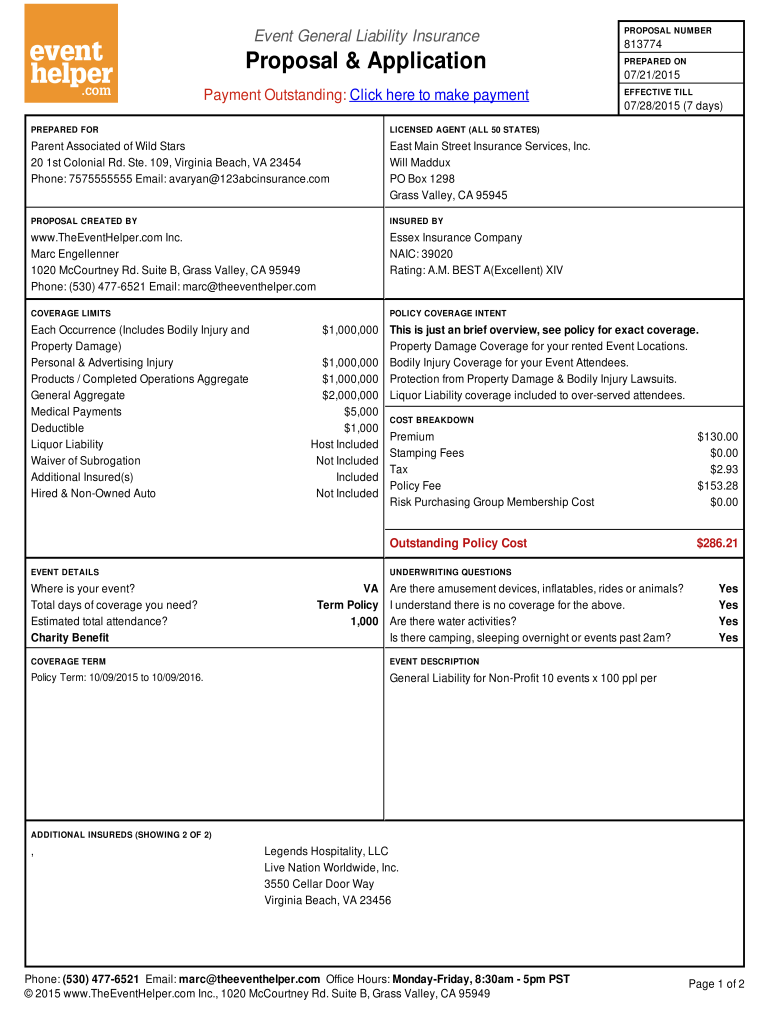
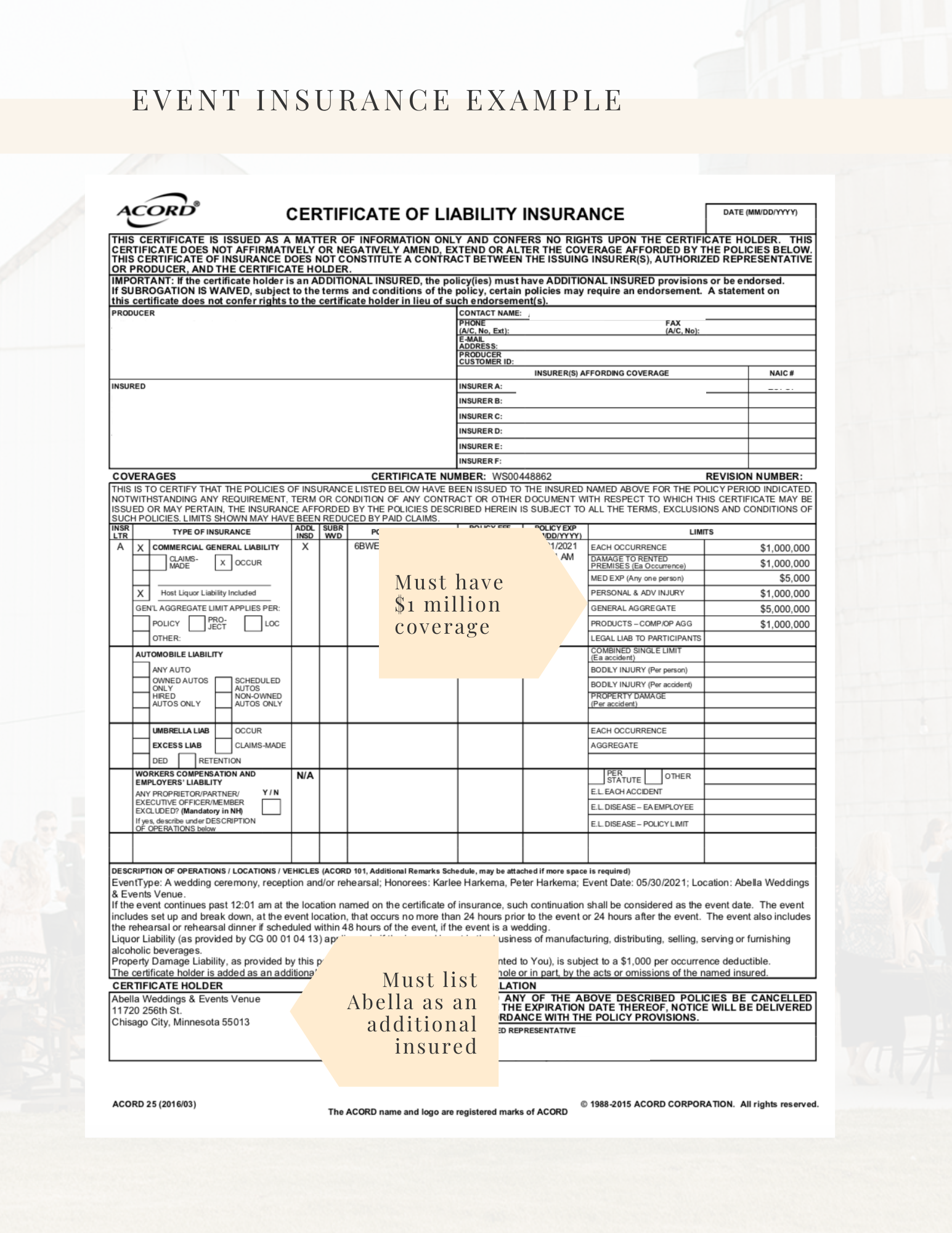
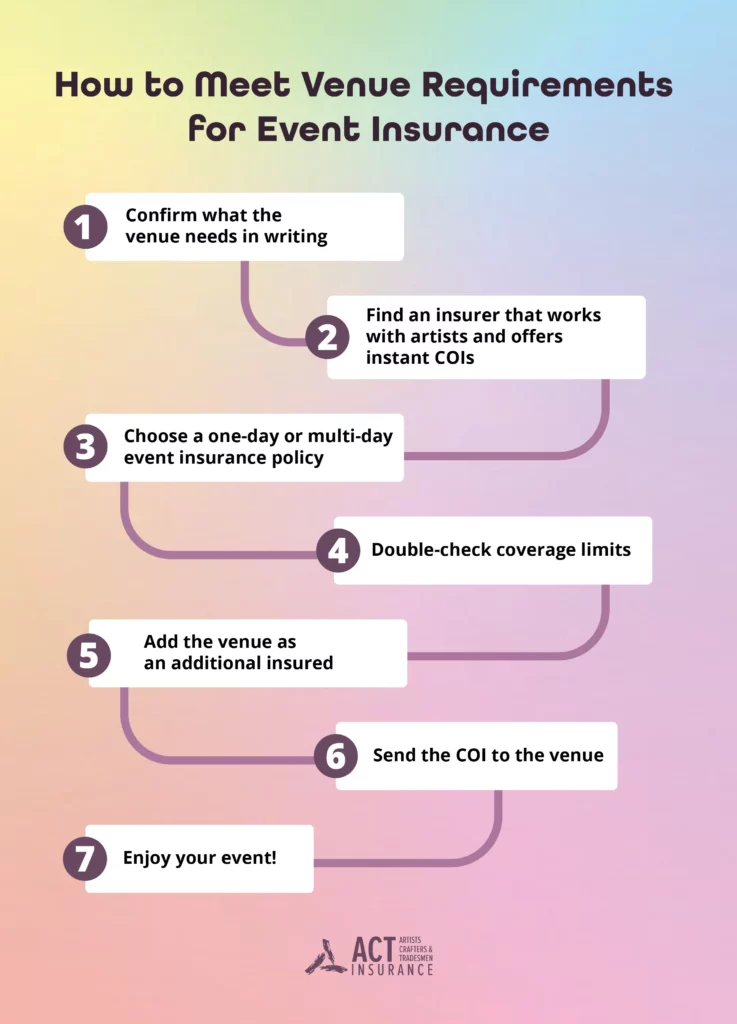
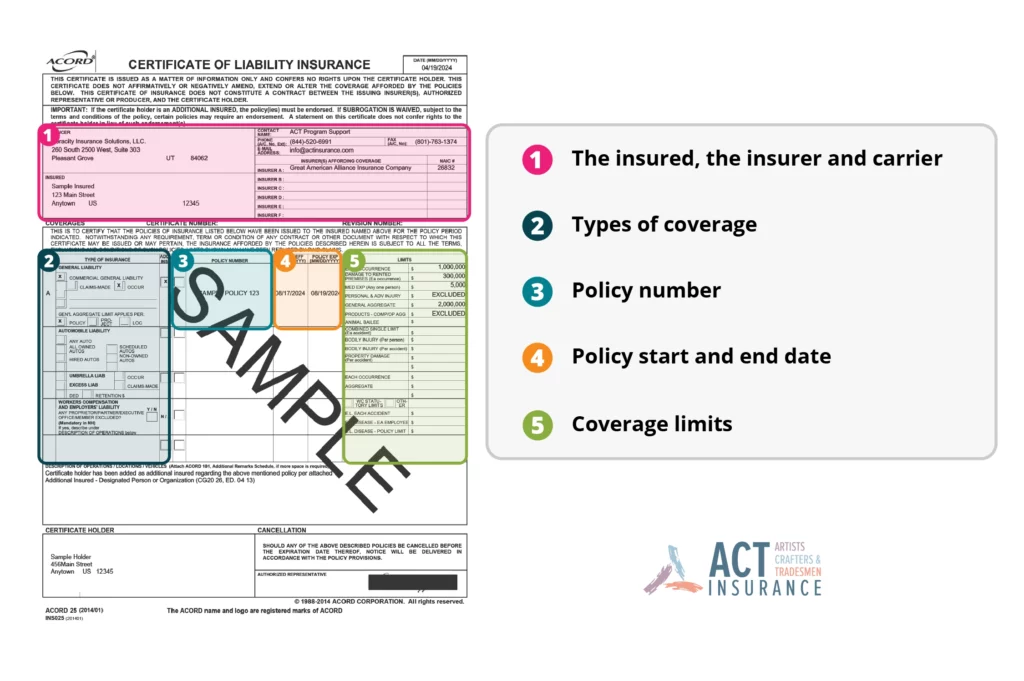
Some venues require vendors — or even couples — to carry insurance. This extra paperwork comes with additional cost but protects everyone involved.
- Ask venue about insurance rules
- Check if vendors already have coverage
- Compare short-term policies
- Keep proof documents ready
Pro tip: Bundle insurance when possible.
Why it works: Combined policies usually cost less.
Small Budget Traps Couples Miss
- Ignoring tiny contract fees
- Leaving gratuities for the last minute
- Extending timelines without checking costs
- Adding upgrades too close to the wedding
- Underestimating taxes and service charges
FAQs
What hidden costs should couples expect?
Service fees, gratuities, overtime, delivery charges, and legal paperwork costs are the most common surprises.
Are gratuities included in contracts?
Sometimes yes, sometimes no. Always ask directly and check the fine print.
Do vendors charge overtime?
Yes. Most vendors have hourly overtime rates written into contracts.
Is cake cutting fee normal?
Very normal. Many venues charge per slice or service fee.
How to avoid overspending?
Track every small fee early and review contracts carefully. Also explore practical ideas like wedding favors ideas to balance costs creatively.
Conclusion
Hidden wedding costs don’t have to ruin your budget. Once you know where extra fees appear, you can plan smarter and stay calm throughout the process. Keep your numbers clear, ask questions early, and build small buffers for unexpected expenses. If you’re planning your full celebration timeline, explore this helpful wedding planning guide to stay organized from start to finish.