


Intro
Planning a wedding is exciting — but money stress can steal the joy fast. A clear wedding budget breakdown helps you stay calm, spend smart, and avoid surprise costs later. This guide walks you through every category step-by-step, so you know exactly where your money goes and how to control it. Think of this as a friendly roadmap you can actually follow, not a confusing spreadsheet full of numbers.
1. Map Full Wedding Budget Categories


Start by listing all major wedding costs before spending anything. This creates visibility. Couples who map categories early usually overspend less because they see the full picture. Break expenses into clear groups like venue, catering, decor, attire, and entertainment. Keep your list simple so you can update it weekly without stress.
- Create a master list with all expected categories
- Separate fixed vs flexible expenses
- Add rough estimates beside each item
- Include service fees and taxes early
- Leave room for hidden extras
Pro tip: Color-code categories in your spreadsheet for quick scanning.
Why it works: Visual organization helps you notice budget imbalance fast.
2. Divide Venue and Catering Costs


Venue and food usually take the largest share of your budget. Instead of treating them as one number, split them into sub-parts like rental fee, food per guest, drinks, and service charges. This helps you compare venues clearly. Always ask what’s included so you don’t pay twice for chairs or linens.
- Calculate cost per guest before booking
- Ask for hidden fees upfront
- Check staff or cleanup charges
- Compare packages side-by-side
- Negotiate weekday or off-season pricing
Pro tip: Ask venues for “all-in pricing,” not just base rates.
Why it works: It prevents surprise invoices later.
3. Track Attire and Alteration Fees



Wedding outfits often cost more than expected because alterations and accessories add up. Track dress, suit, shoes, jewelry, and tailoring separately. Small updates like hemming or resizing can become expensive if ignored early. Schedule fittings early to avoid rush fees close to the wedding.
- Add alteration costs into the main budget
- Include shoes and accessories
- Budget for steaming or pressing
- Plan backup outfit costs if needed
- Track payments to boutiques
Pro tip: Ask your tailor for full pricing before starting adjustments.
Why it works: Clear expectations prevent budget creep.
4. Allocate Photography Packages



Photos last forever, so this category deserves careful planning. Compare packages based on hours, edited images, and deliverables. Some photographers include albums while others charge extra. Before signing, review sample galleries to match style and quality. Also plan a small amount for prints or upgrades later.
- Compare hourly coverage options
- Ask about second shooters
- Confirm delivery timeline
- Check editing style consistency
- Include album or print costs
Pro tip: Book a package that fits your timeline, not just price.
Why it works: You avoid paying overtime fees later.
5. List Decor and Rental Expenses




Decor shapes the mood but can quickly spiral in cost. Separate flowers, lighting, furniture rentals, and signage into smaller lines. This makes adjustments easier if you need to cut expenses. For creative savings, mix rentals with personal touches. You can also explore ideas from hidden costs to avoid unexpected charges.
- Track each decor element separately
- Ask rental companies about delivery fees
- Reuse ceremony decor at reception
- Mix fresh and artificial flowers
- Keep setup breakdown costs visible
Pro tip: Focus decor on photo-heavy areas first.
Why it works: Guests notice impact zones more than every corner.
6. Plan Honeymoon Savings Fund




Many couples forget the honeymoon until the last month. Add it early as a separate savings category. Treat it like a small monthly goal instead of one big payment. This keeps post-wedding finances less stressful and helps you enjoy the trip guilt-free.
- Estimate flights and hotel first
- Add daily spending money
- Include travel insurance
- Track deposits and balances
- Use auto-transfer savings
Pro tip: Save a fixed amount every month from the start.
Why it works: Small consistent savings feel painless.
7. Track Deposit Payment Schedule
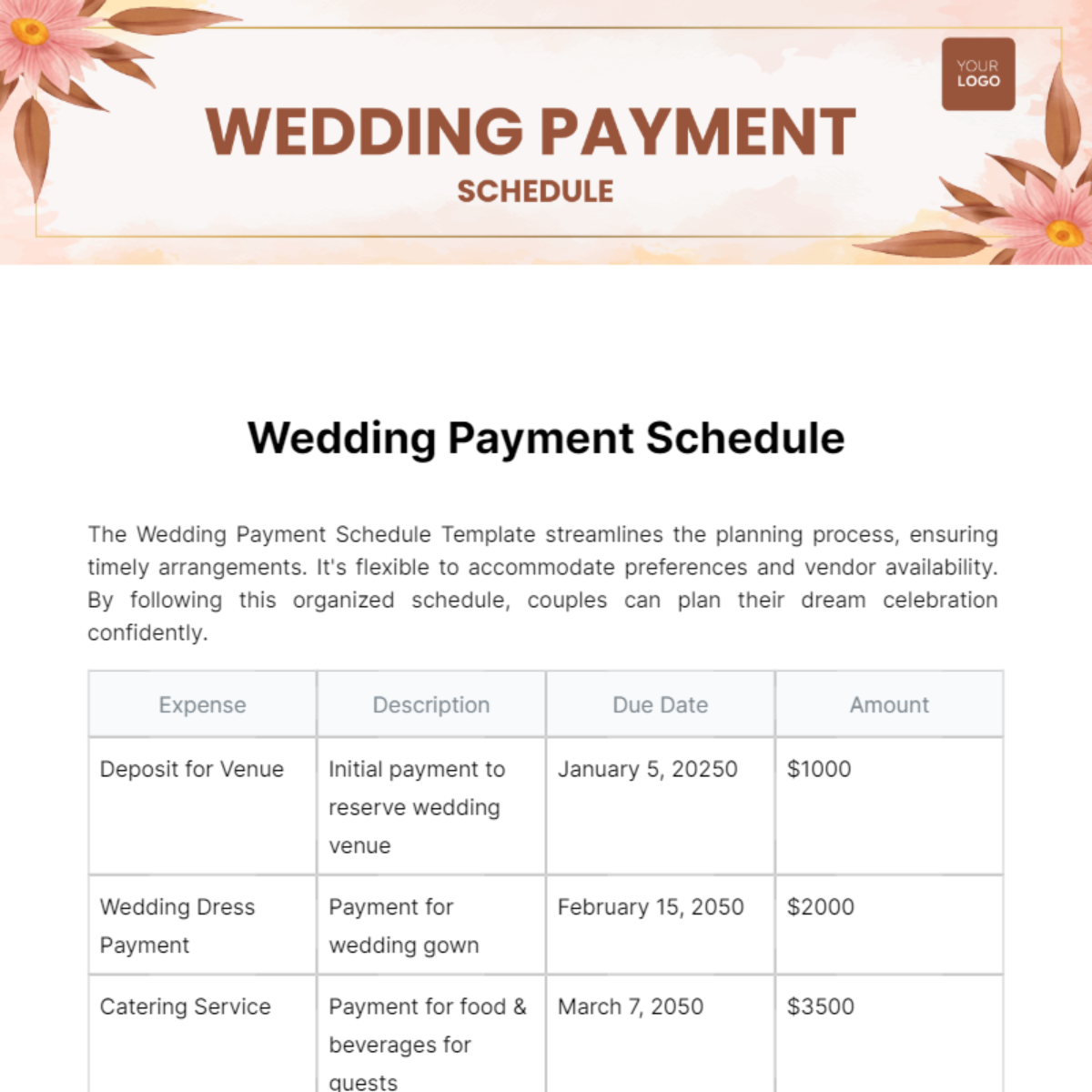
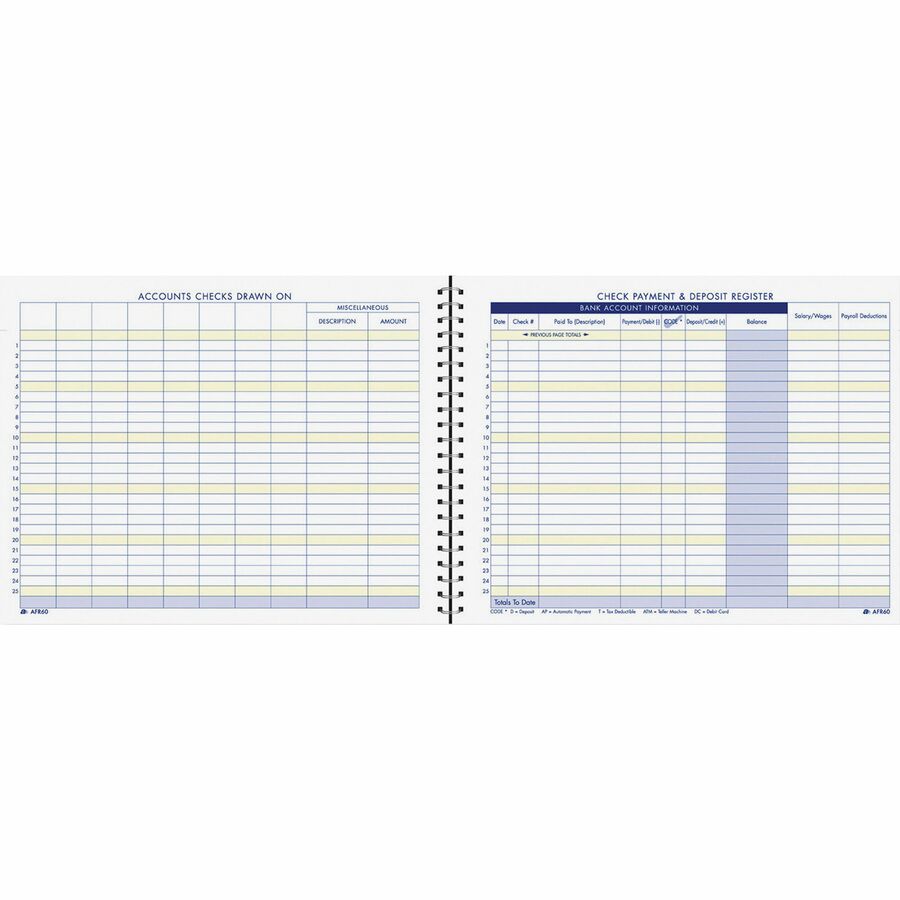
Most vendors need deposits to secure your date. Missing one can cancel bookings. Keep a simple timeline showing due dates and amounts. This helps spread payments instead of paying everything at once. Use reminders on your phone or calendar.
- Create one payment calendar
- Highlight non-refundable deposits
- Save contracts in one folder
- Track payment confirmations
- Review deadlines monthly
Pro tip: Pay deposits from one dedicated account.
Why it works: Easier tracking reduces confusion.
8. Create Emergency Buffer Fund

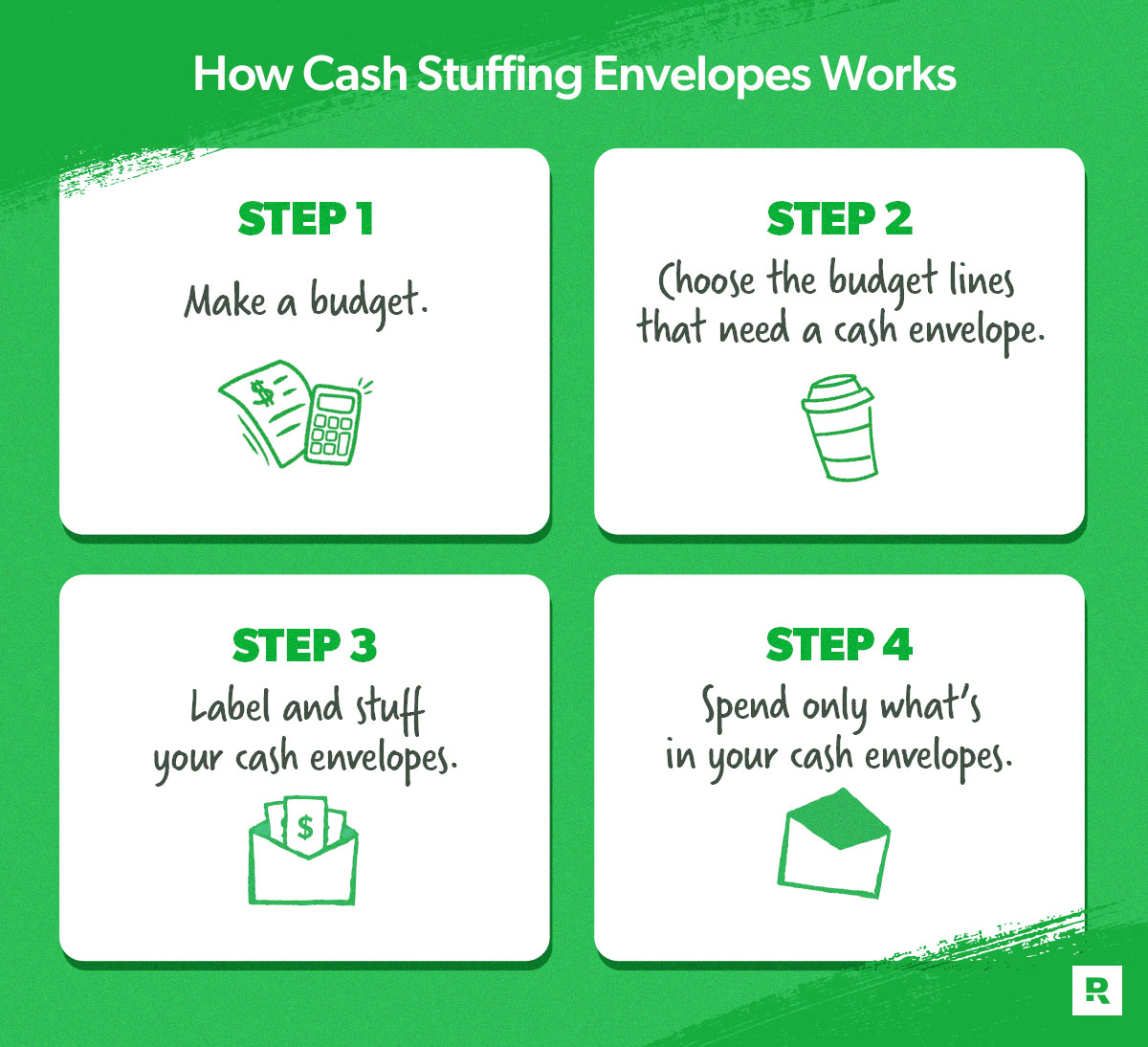


Every wedding has surprises. A buffer fund protects your peace of mind. Most planners suggest setting aside extra funds for last-minute changes or added guests. This keeps you from using credit cards when unexpected costs pop up.
- Reserve 5–10% of total budget
- Keep it separate from spending money
- Use only for real emergencies
- Review buffer after major bookings
- Refill if used early
Pro tip: Treat the buffer as untouchable until needed.
Why it works: It reduces stress near the big day.
9. Monitor Monthly Spending Goals


Instead of watching one huge number, break spending into monthly goals. This helps couples stay realistic and avoid panic spending. Review progress together to stay aligned. Monthly check-ins also help you adjust early if something goes over budget.
- Set monthly spending caps
- Review progress every weekend
- Compare planned vs actual costs
- Shift funds if needed
- Celebrate small wins
Pro tip: Schedule a monthly budget date night.
Why it works: Teamwork makes financial choices easier.
10. Review Final Vendor Invoices

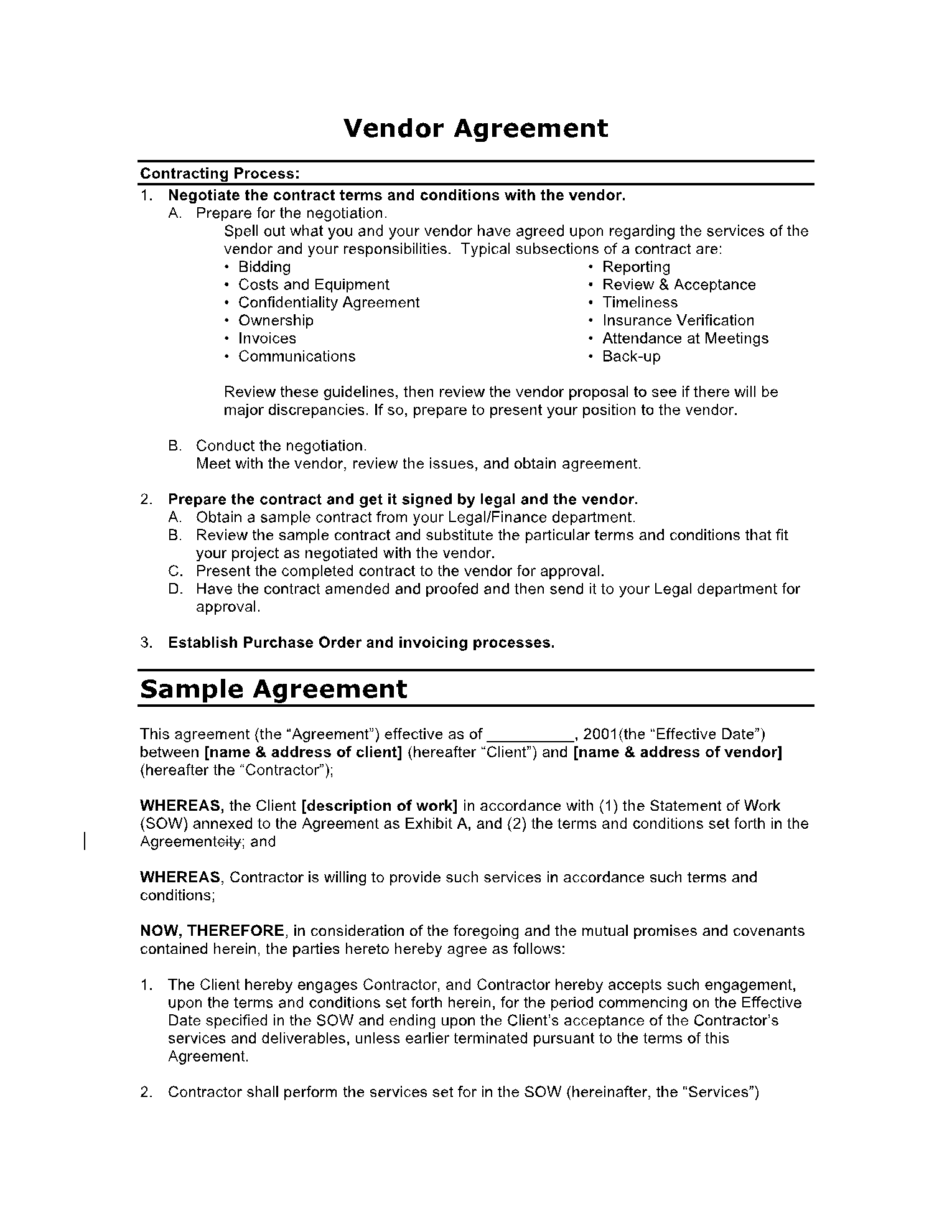
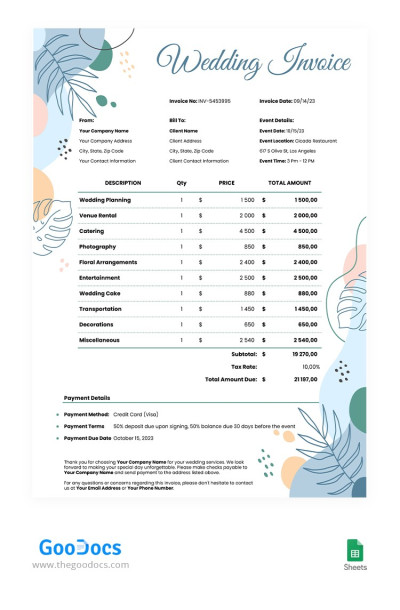
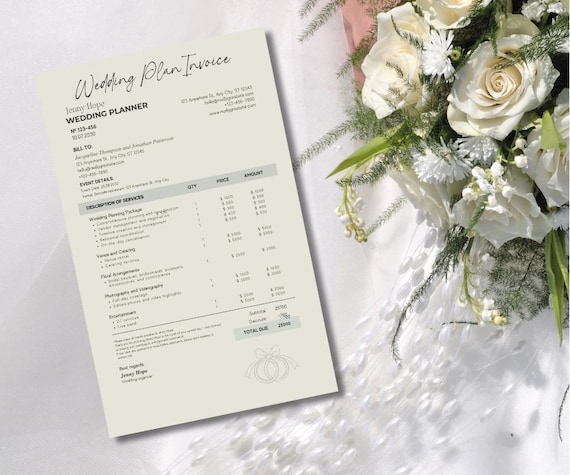
Before final payments, compare invoices with contracts. Small errors happen often. Check hours, guest counts, and add-ons carefully. This step saves money and avoids awkward conversations later. Keep digital copies for quick reference.
- Match invoices to signed contracts
- Check taxes and service fees
- Confirm guest count updates
- Remove unused items
- Pay final balances on time
Pro tip: Review invoices with a fresh mind, not late at night.
Why it works: You catch mistakes faster.
11. Update Spreadsheet Totals Weekly
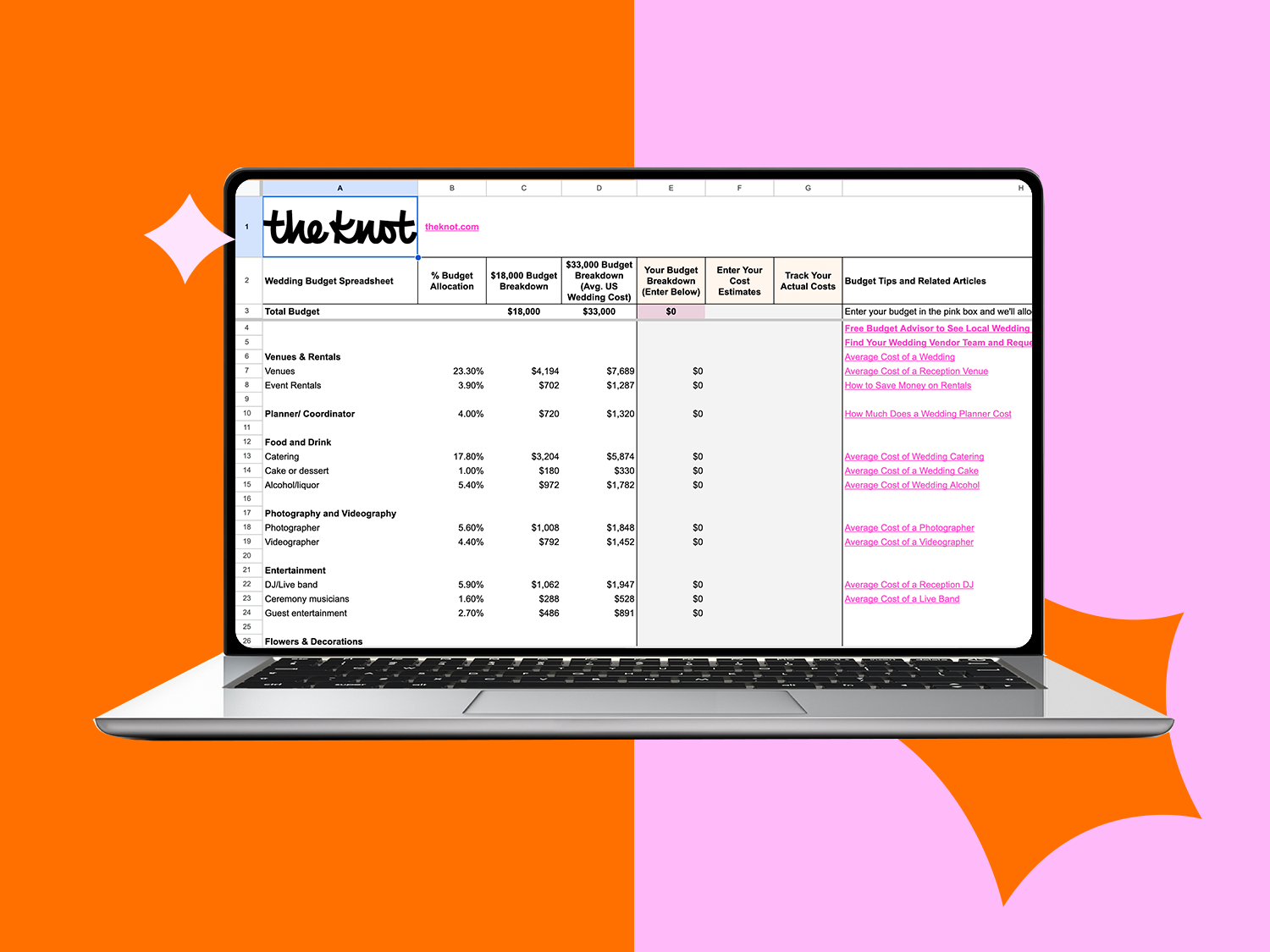
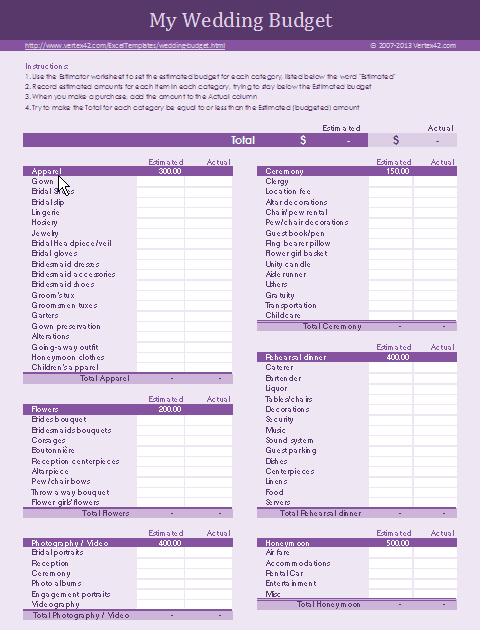

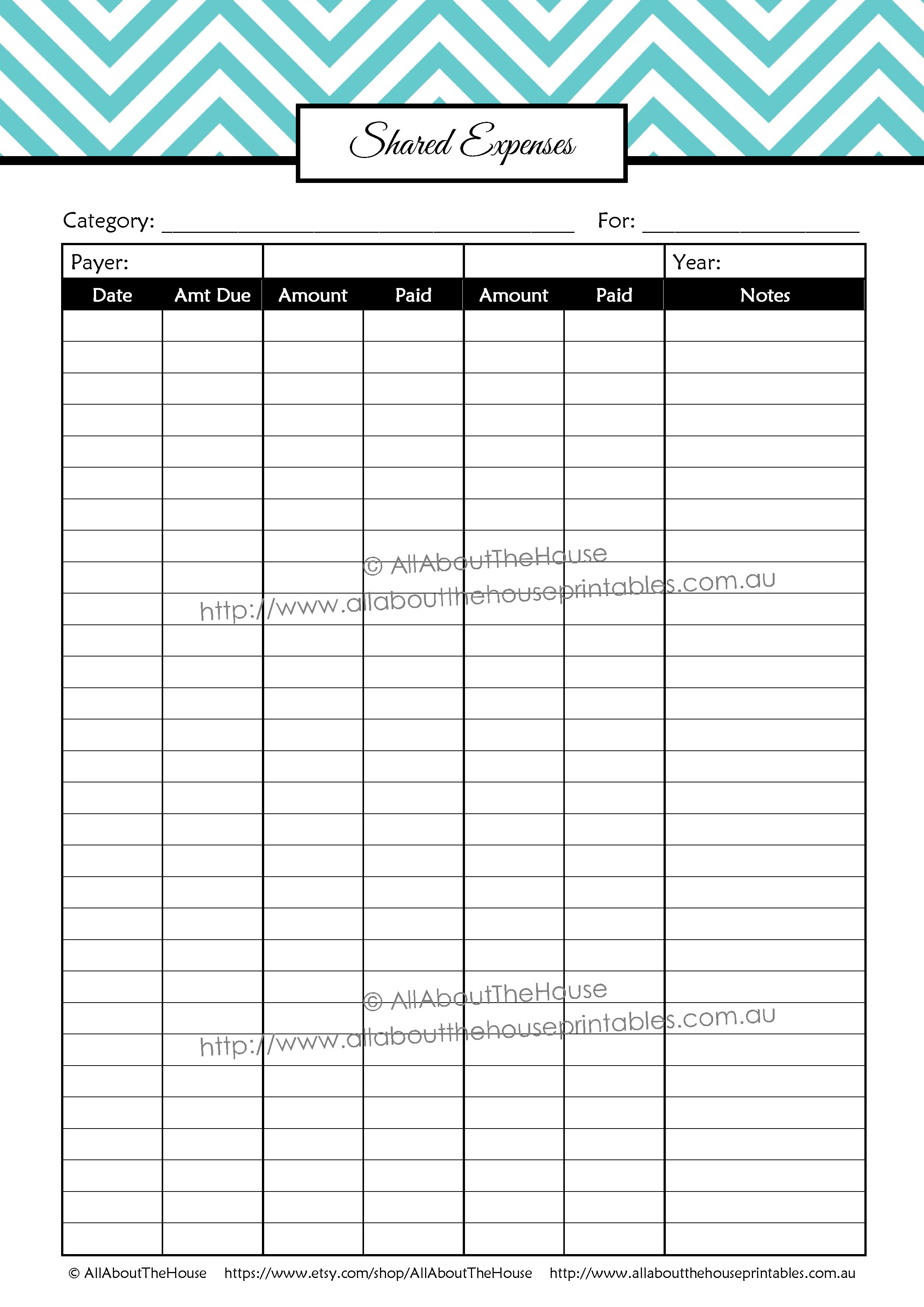
A budget only works if it stays updated. Add new payments every week so numbers stay real. Waiting too long makes totals inaccurate and stressful. Even five minutes weekly keeps everything under control.
- Update after every payment
- Save receipts digitally
- Track balances remaining
- Highlight overdue amounts
- Back up your file online
Pro tip: Update the sheet on the same day each week.
Why it works: Consistency builds clarity.
12. Audit Unexpected Last Minute Costs
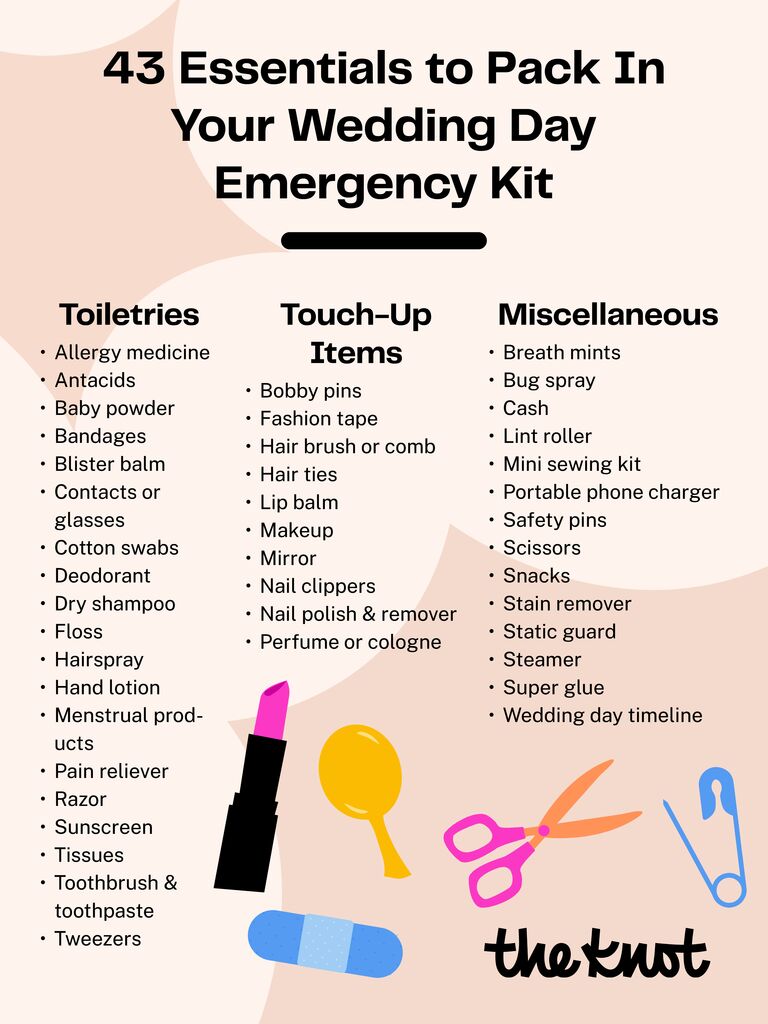

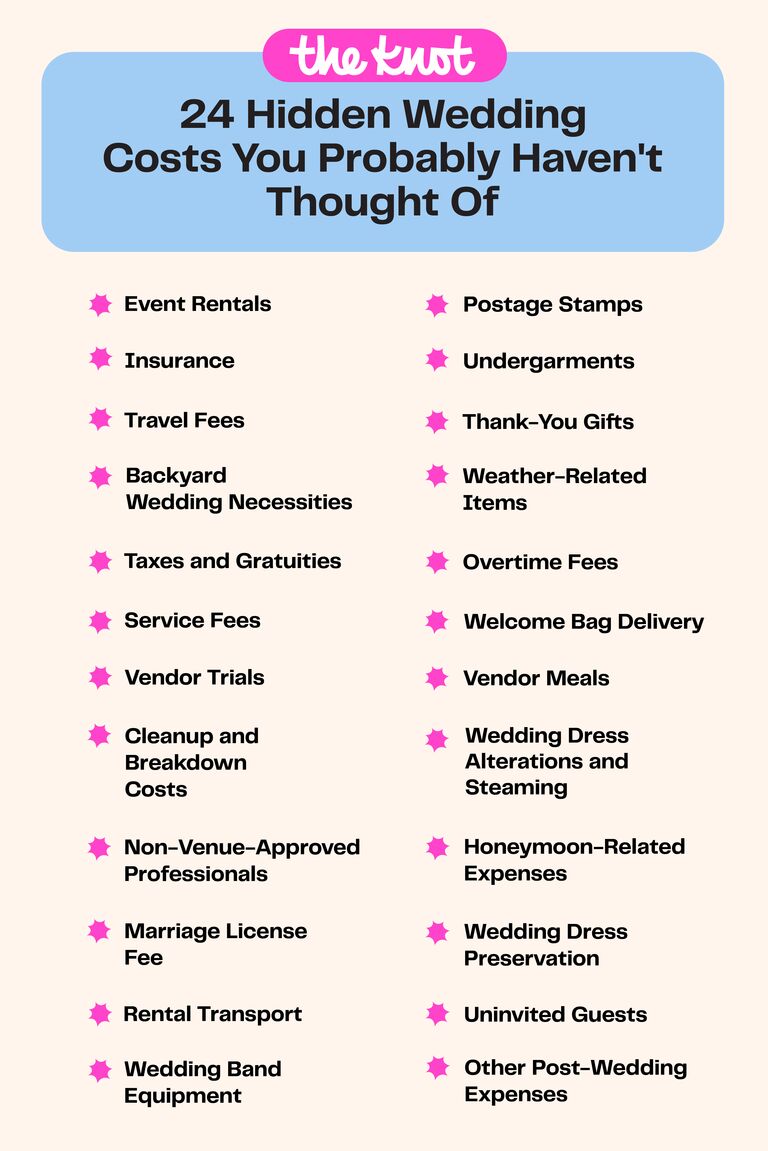

Last-minute expenses happen fast — vendor tips, extra décor, weather backups. Review your list two weeks before the wedding to catch missing items. This is also a good time to revisit your ceremony budget and ensure priorities are funded properly.
- Add vendor tips to budget
- Plan transport extras
- Include setup staff meals
- Budget weather backups
- Track day-of supplies
Pro tip: Make a “final two weeks” checklist.
Why it works: Preparation reduces panic purchases.
13. Balance Spending Across Categories




Sometimes one category grows too much while others shrink. Step back and compare percentages. If decor is high but photography is low, rebalance based on priorities. Think about what you will remember most later, not just what looks pretty on the day.
- Compare category percentages
- Move funds intentionally
- Protect priority categories
- Cut low-impact extras
- Review after each big booking
Pro tip: Rank categories by emotional value first.
Why it works: Your budget reflects what truly matters.
14. Analyze Cost Per Guest Ratio


Cost per guest is a powerful number. Divide total spending by guest count to see where money goes. This helps decide if reducing the guest list could improve quality elsewhere. Many couples realize a slightly smaller guest list gives a better overall experience.
- Calculate average guest cost
- Compare venue and food impact
- Adjust guest list early
- Focus on quality over quantity
- Recalculate after RSVP
Pro tip: Recheck guest numbers before final catering payment.
Why it works: Small reductions save large amounts.
15. Optimize Budget Allocation Strategy


Smart allocation means putting money where it creates the biggest impact. Some couples prioritize food, others photos or ambiance. Use inspiration from DIY wedding decor ideas if you want style without overspending.
- Spend more on lasting memories
- DIY low-impact items
- Bundle services when possible
- Avoid trend-only purchases
- Review value vs cost
Pro tip: Ask yourself “Will guests notice this?” before spending.
Why it works: It filters impulse buys.
16. Set Payment Milestone Calendar
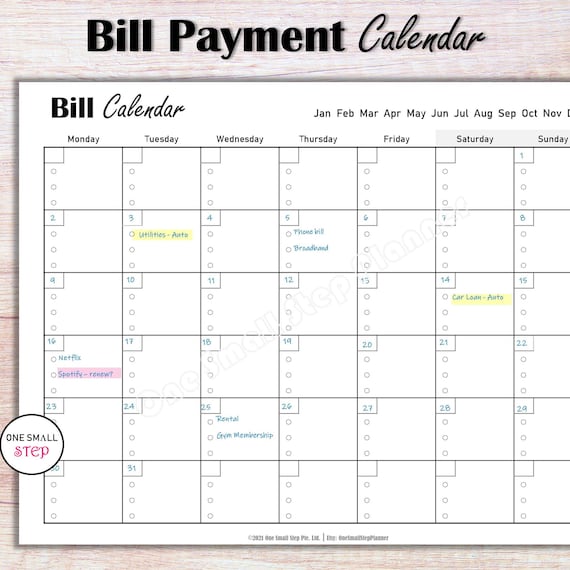


Milestones help you see upcoming payments clearly. Spread costs over months so cash flow feels manageable. Use a digital calendar with alerts. This keeps stress low and avoids overdue penalties.
- Add vendor deadlines to calendar
- Set reminder alerts
- Match payments to paycheck dates
- Review milestones monthly
- Keep backup payment plan
Pro tip: Set reminders one week early.
Why it works: Extra time prevents missed deadlines.
17. Track Vendor Balance Due Dates
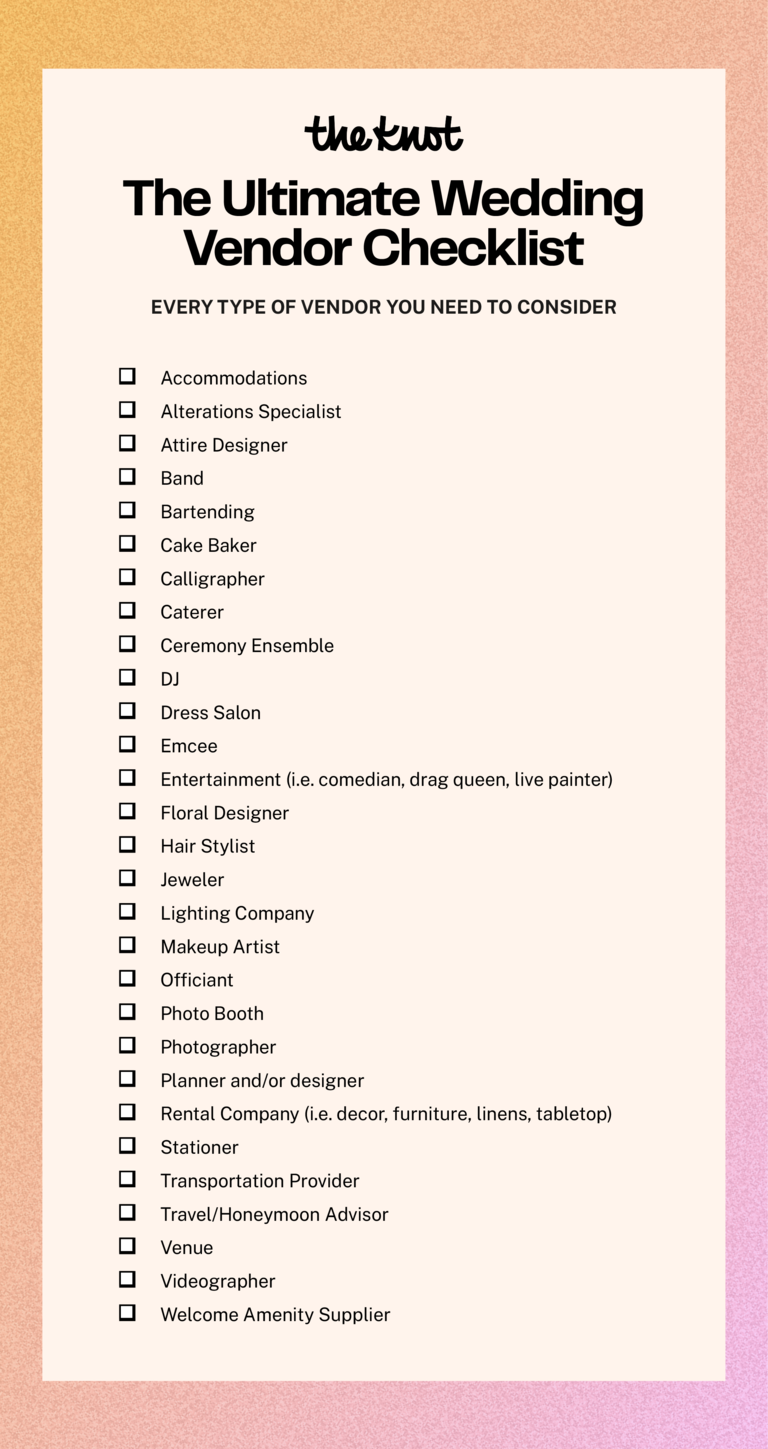

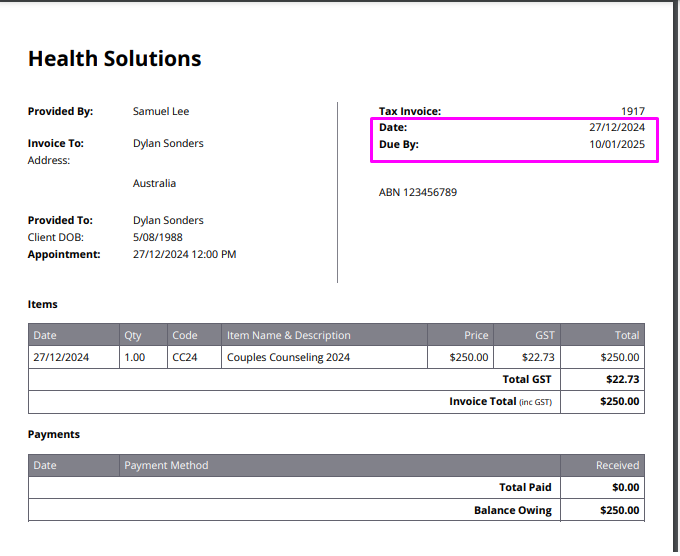

Final balances usually come close together. Track them carefully so you’re not surprised. Keep one master list showing remaining amounts for each vendor. This ensures your wedding week feels calm, not financial chaos.
- Create a final balance sheet
- Confirm accepted payment methods
- Save proof of payment
- Double-check due dates
- Keep emergency cash ready
Pro tip: Pay major vendors early if possible.
Why it works: Fewer tasks during wedding week.
Small Details Couples Often Miss


- Forgetting service charges in venue pricing
- Ignoring alteration or steaming costs
- Adding guests after final count
- Overspending on trendy decor
- Missing payment deadlines
- Skipping emergency buffer savings
FAQs
How do you break down a wedding budget?
Start with big categories like venue, food, attire, photography, decor, and savings. Then divide each into smaller parts so tracking becomes easier and more accurate.
What percentage goes to venue?
Most couples spend around 35–45% on venue and catering combined, depending on location and guest count.
How much buffer fund is needed?
A good rule is 5–10% of the total budget for unexpected expenses.
What costs surprise couples most?
Service fees, vendor tips, alterations, extra rentals, and last-minute upgrades usually catch people off guard.
How to track wedding payments?
Use one spreadsheet or app with payment dates, deposits, and remaining balances updated weekly.
Conclusion
A clear wedding budget is not about limiting joy — it’s about protecting it. When you track expenses early, balance categories, and plan payments wisely, your wedding feels easier and more relaxed. Keep reviewing, keep adjusting, and focus on what matters most to you both. For more step-by-step help, explore the full wedding planning guide and keep your big day beautiful and stress-free.
Focus Keyphrase
Wedding budget breakdown
Keyphrase Synonym (1)
Wedding cost breakdown
Related Keyphrase (1)
Wedding budget planner guide
Primary H1
Wedding Budget Breakdown: Smart Ways to Plan Every Wedding Expense
Alternative H1s (2–3)
• How to Create a Wedding Budget Breakdown That Actually Works
• Wedding Budget Breakdown Guide for Stress-Free Planning
• Simple Wedding Budget Breakdown for Modern Couples
Meta Titles (3)
• Wedding Budget Breakdown Guide: Plan Costs Without Stress
• Smart Wedding Budget Breakdown to Save Money & Stay Calm
• Wedding Budget Breakdown Tips Every Couple Should Know
Power Title (1)
The Wedding Budget Breakdown That Saves Money Without Losing Magic
Meta Description (155–158 characters, keyphrase once)
Soft candlelight, calm decisions. This wedding budget breakdown helps you plan smarter, avoid costly surprises, and keep every detail beautifully in control.
High CTR Slug / URL
/wedding-budget-breakdown-plan/
3 High-CTR Slug Variations
• /smart-wedding-budget-breakdown/
• /wedding-cost-breakdown-guide/
• /wedding-budget-planning-map/
Intro paragraph (70–80 words, strong hook)
Glasses clink. Everyone turns to look.
Then the quiet thought hits — what did all this cost?
Most couples fear the moment their dream day feels more stressful than special. A clear wedding budget breakdown changes that feeling completely. Instead of guessing, you plan with confidence, protect your priorities, and avoid surprise expenses that steal the joy. This guide helps you turn numbers into calm decisions so your wedding feels intentional, balanced, and truly yours.
Conclusion paragraph (65–70 words, warm tone, must include /wedding/decor/)
A thoughtful budget doesn’t limit your wedding — it protects the moments that matter most. When every cost has a place, your decisions feel lighter and more confident. Keep adjusting, keep tracking, and let your plan grow with you. If you want styling ideas that match your numbers, take inspiration from /wedding/decor/ and build a celebration that feels beautiful, warm, and completely stress-free.