


First Steps Planning Wedding
Getting engaged feels magical. Then reality hits. You ask, “What now?”
The first steps planning wedding decisions shape everything that follows. If you start calm and clear, the rest feels easier. This guide walks you through the real first moves after saying yes. No fluff. Just simple, smart actions that save stress later.
1. Announce Engagement with Champagne Toast


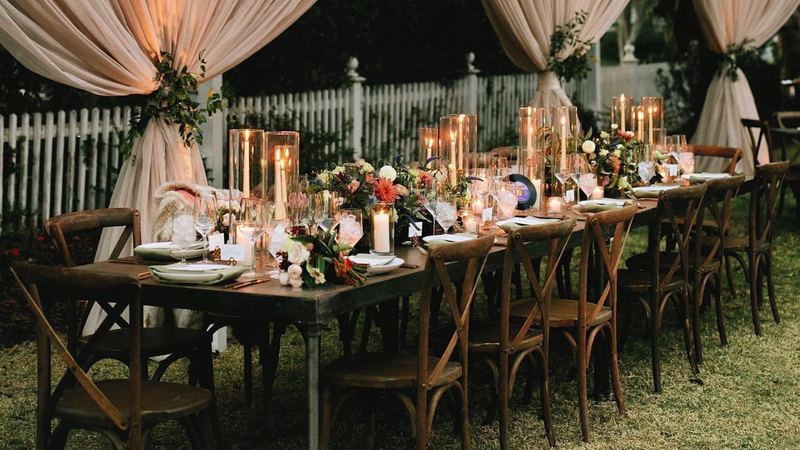

Before spreadsheets and budgets, pause. Celebrate. A small champagne toast at home or dinner with close friends makes the moment real. Take photos. Call parents. Share the news in your own way. This first step sets the tone for joyful planning instead of rushed decisions.
- Host a mini toast at home
- Take ring photos in natural light
- Call close family before posting
- Write a short engagement announcement
- Save cards or notes in a keepsake box
Pro tip: Celebrate privately before going public.
Why it works: You protect the joy before outside opinions begin.
2. Draft Early Guest List Notes




The guest list controls budget, venue size, and catering cost. Start rough. Just names. Don’t worry about perfect numbers yet. Think in circles: must-have, close friends, extended. This step answers one big question — how big is this wedding?
- Create three columns: A, B, C list
- Ask parents for early input
- Estimate plus-ones
- Remove duplicates
- Count total before venue tours
Pro tip: Use a shared Google Sheet so both partners can edit.
Why it works: Clear numbers prevent venue regret later.
3. Set Realistic Wedding Budget


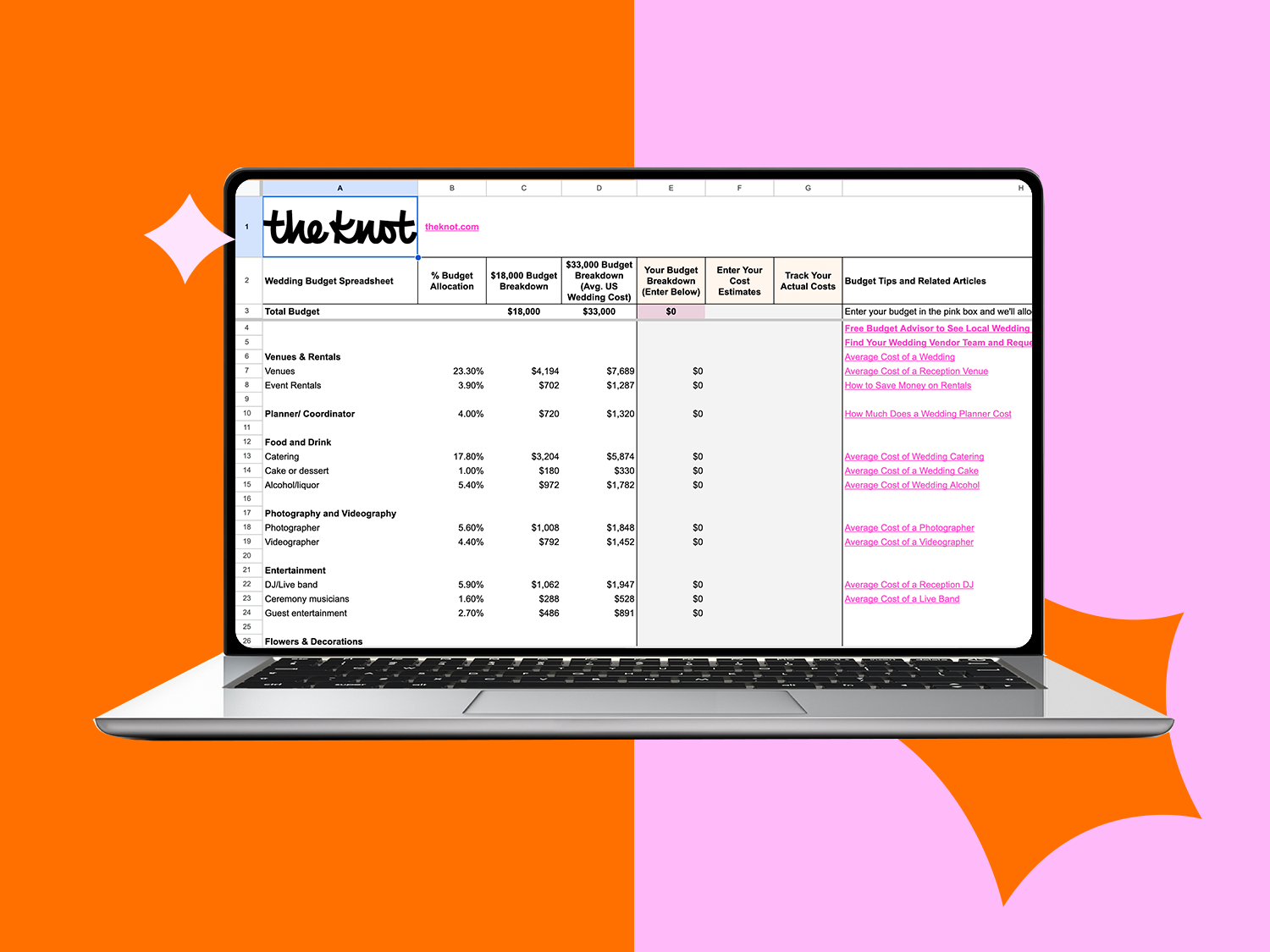
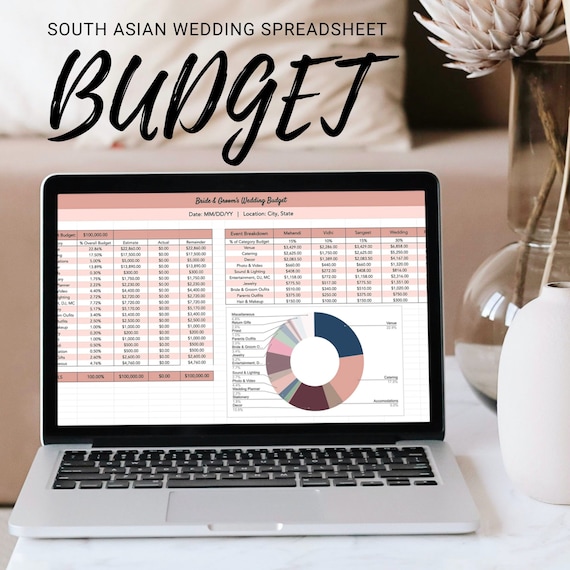
Now talk money. Honest numbers. No guessing. Discuss savings, family help, and comfort level. A realistic wedding budget protects your future and your relationship. Start with a total amount. Then divide by priority.
For a deeper breakdown, explore a practical budget guide to understand cost splits.
- Write total budget ceiling
- List top three priorities
- Allocate 40–50% to venue + food
- Keep 10% buffer for surprise costs
- Track everything from day one
Pro tip: Always add a cushion fund.
Why it works: Unexpected costs always appear.
4. Tour Dream Venue Locations
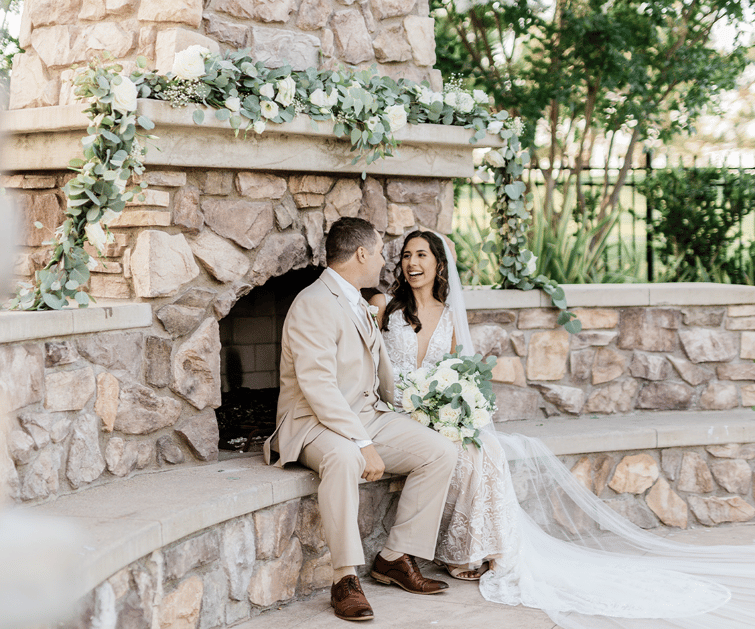


Venue shapes your entire wedding feel. Rustic barn? Elegant ballroom? Beach sunset? Visit at least three locations. Walk the space slowly. Imagine guests arriving. Check lighting, parking, and bathrooms. Ask about hidden fees.
- Book tours within first month
- Ask about peak pricing
- Check rain backup plan
- Confirm guest capacity
- Review vendor restrictions
Pro tip: Visit at same time of day as ceremony.
Why it works: You see real lighting conditions.
5. Hire Priority Vendors First


Some vendors book fast. Photographer. Planner. Popular venues. Secure your top priorities early, especially if your date is in peak season. Interview vendors before signing.
You can use a structured planning checklist to track booking deadlines.
- Book photographer first
- Secure planner or coordinator
- Reserve caterer if separate
- Sign written contracts
- Pay deposit on time
Pro tip: Read reviews beyond star ratings.
Why it works: Experience matters more than popularity.
6. Choose Meaningful Wedding Date

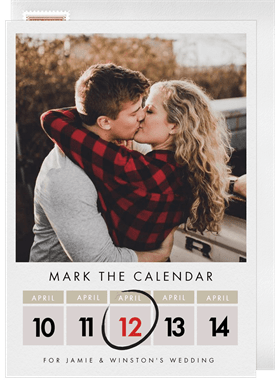


Your date affects weather, pricing, and guest travel. Think about work schedules, holidays, and favorite seasons. Some couples choose anniversaries. Others choose convenience. There is no wrong answer — only what fits your life.
- Check venue availability
- Avoid major holiday conflicts
- Consider guest travel ease
- Review seasonal flower costs
- Confirm religious restrictions if needed
Pro tip: Pick two backup dates.
Why it works: Flexibility speeds booking.
7. Create Shared Planning Calendar


Wedding planning gets busy. A shared digital calendar keeps you organized. Add vendor meetings, payment deadlines, and tastings. Color code tasks. Review weekly.
- Use shared Google Calendar
- Add reminders one week early
- Include payment due dates
- Schedule monthly check-ins
- Block planning-free weekends
Pro tip: Hold Sunday night planning chats.
Why it works: Small weekly talks prevent big stress.
8. Build Simple Task Timeline


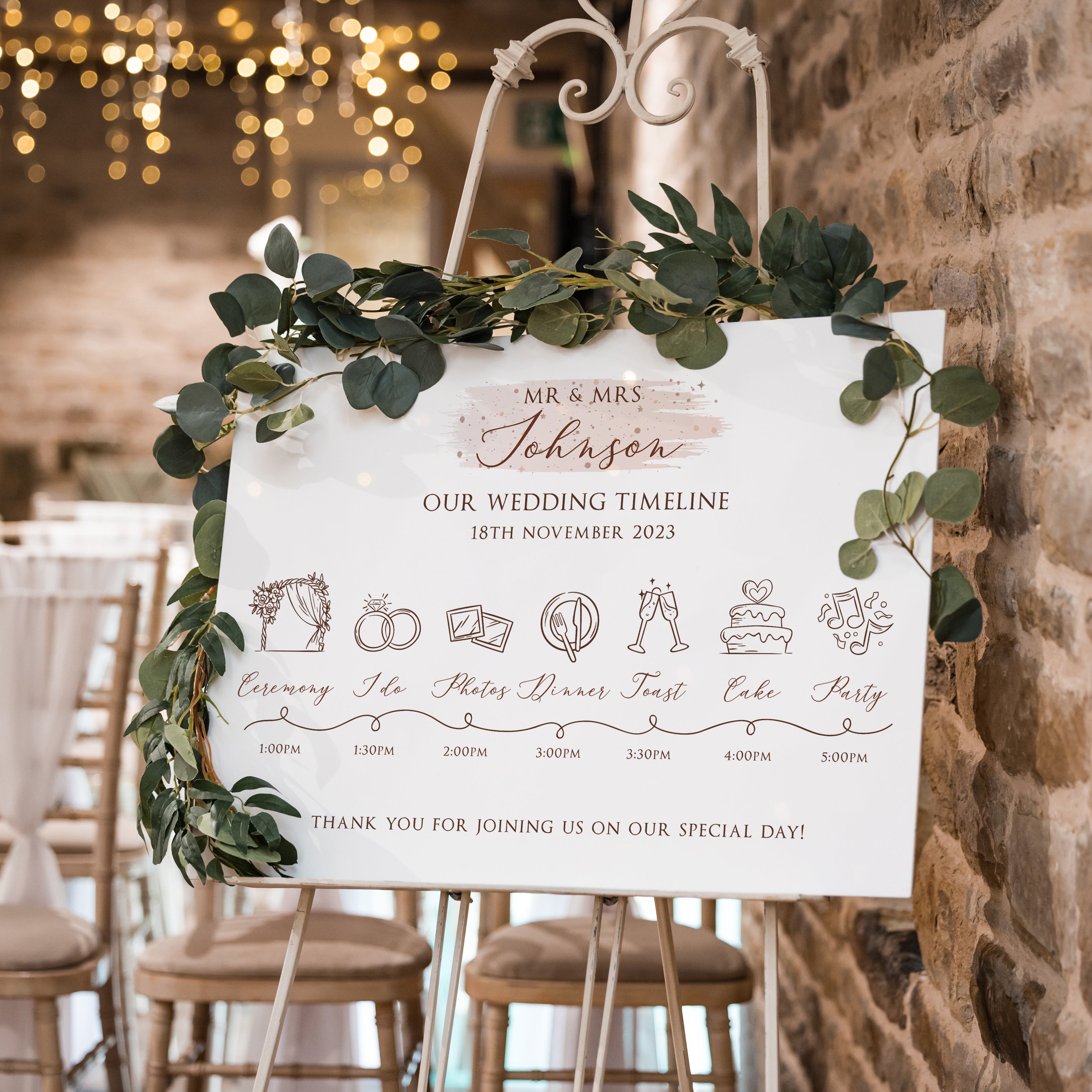
Break the year into chunks. 12 months. 9 months. 6 months. Keep tasks simple and visible. Seeing progress builds confidence.
- List big tasks first
- Assign deadlines by month
- Print timeline page
- Review monthly
- Adjust as needed
Pro tip: Highlight completed tasks.
Why it works: Visual progress motivates.
9. Open Dedicated Wedding Account




Mixing wedding costs with daily spending creates confusion. Open a separate account for wedding payments. Deposit monthly contributions. Pay vendors from this account only.
- Decide monthly savings amount
- Transfer automatically
- Keep receipts organized
- Track deposits and withdrawals
- Avoid using credit unnecessarily
Pro tip: Use automatic transfers.
Why it works: Consistency builds financial clarity.
10. Discuss Wedding Style Direction


Before decor shopping, talk style. Romantic? Modern? Classic? Browse wedding theme ideas for inspiration. Save images that feel like you. Notice patterns — colors, textures, lighting.
- Choose 2–3 main colors
- Define mood in three words
- Save inspiration photos
- Consider venue style
- Match season to palette
Pro tip: Focus on feeling, not trends.
Why it works: Timeless choices age better.
11. Book Engagement Photo Session


Engagement photos help you feel relaxed before wedding day. Use them for save-the-dates and your website. Choose a location meaningful to your story.
For posing help, review tips from Brides.com or The Knot.
- Coordinate outfits softly
- Schedule golden hour
- Keep makeup natural
- Bring comfortable shoes
- Practice relaxed smiles
Pro tip: Treat it like a date, not a photoshoot.
Why it works: Real moments photograph best.
12. Research Marriage License Rules
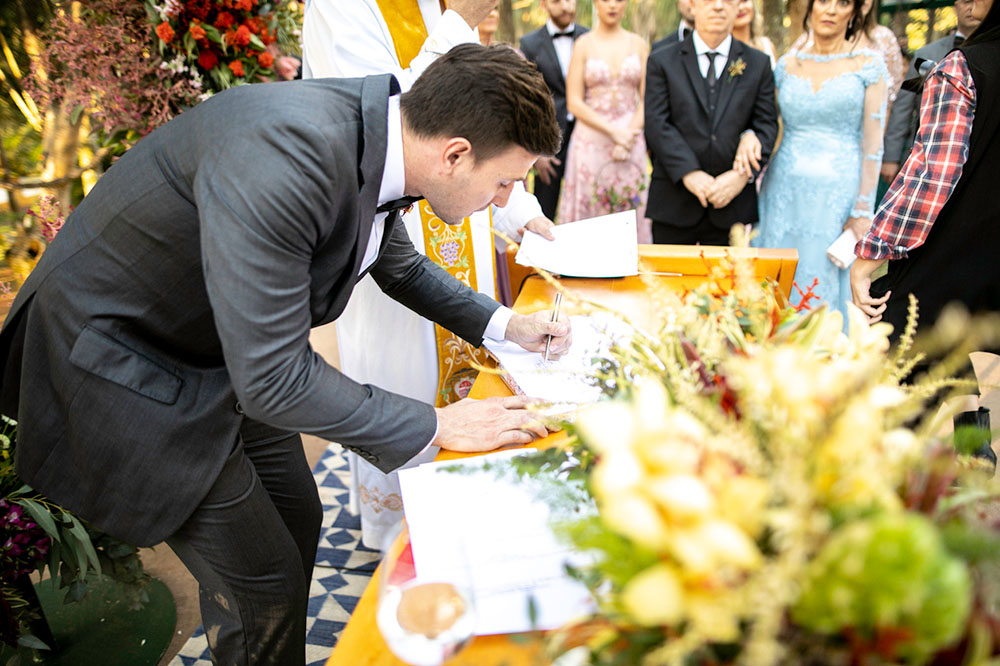


Every state or country has different rules. Some require waiting periods. Some need witnesses. Check official government websites like USA.gov early.
- Check application timeline
- Confirm required IDs
- Note waiting periods
- Ask about name change forms
- Set reminder to apply
Pro tip: Print requirements and store in wedding binder.
Why it works: Legal details get forgotten easily.
13. Celebrate Planning Milestone Dinner


Planning can feel like a project. Pause and celebrate progress. After booking venue and major vendors, go out for dinner. No wedding talk allowed.
- Choose favorite restaurant
- Dress up for fun
- Reflect on progress
- Take one celebratory photo
- Avoid planning discussion
Pro tip: Schedule celebration nights in advance.
Why it works: It keeps planning joyful.
14. Map Honeymoon Planning Ideas


Honeymoon planning should start early too. Popular resorts book fast. Decide budget and travel window. Think rest or adventure?
- Set honeymoon budget
- Check passport expiration
- Research travel seasons
- Compare flight prices early
- Consider honeymoon registry
Pro tip: Book refundable flights first.
Why it works: Flexibility protects your plans.
Easy Errors to Avoid
- Booking venue before setting budget
- Ignoring guest count reality
- Skipping written contracts
- Comparing your wedding to others
- Leaving legal paperwork last
FAQs
What are the first steps after getting engaged?
Celebrate first. Then draft guest list, set budget, and tour venues. These three steps guide everything else.
When should you start planning a wedding?
Start within one month of engagement. Early planning gives you vendor choice and better pricing.
How early should you book vendors?
Book venue and photographer 9–12 months early. Popular dates fill quickly.
How to set a realistic wedding budget?
Discuss total savings first. Divide by priority. Always include 10% buffer.
What planning tasks come first?
Guest list, budget, venue. These three shape the rest of planning.
Conclusion
The first steps planning wedding process does not need to feel overwhelming. Small, steady actions build confidence. Focus on guest list, budget, venue, and vendor bookings first. Celebrate along the way.
For more detailed support, explore our complete wedding planning resources to stay organized and calm from “Yes” to “I do.”
Focus Keyphrase
First Steps Planning Wedding
Keyphrase Synonym (1)
early wedding planning steps
Related Keyphrase (1)
how to start planning a wedding
Primary H1
First Steps Planning Wedding: Start Smart, Stress Less
Alternative H1s (2–3)
• First Steps Planning Wedding After You Say Yes
• First Steps Planning Wedding Without Overwhelm
• First Steps Planning Wedding the Right Way
Meta Titles (3)
• Just Engaged? Start Wedding Planning Right
• What To Do First After Getting Engaged
• Wedding Planning Begins Here (No Stress)
Power Title (1)
The Exact First Steps Planning Wedding Pros Never Skip
Meta Description (155–158 characters, keyphrase once)
Overwhelmed after saying yes? First Steps Planning Wedding guide shows what to do first, avoid stress, and build a smooth plan from day one.
High CTR Slug / URL
/first-steps-wedding-plan
3 Variations
/just-engaged-wedding-start
/start-wedding-planning-smart
/wedding-planning-first-moves
Intro Paragraph (70–80 words)
Guests lean in. The room goes quiet.
Everyone asks the same question.
You just got engaged, and suddenly the glow turns into pressure. Where do you even begin? The first steps planning wedding decisions feel huge because they shape everything ahead. Start wrong, and stress builds fast. Start smart, and the whole journey feels calm. Here’s how to move from excitement to clear action without losing the magic.
Conclusion Paragraph (65–70 words, must include /wedding/decor/)
Planning does not need to steal your joy. When you take the first steps planning wedding carefully, you protect your budget, your timeline, and your peace. Slow, steady choices always beat rushed decisions. If you’re ready to go deeper into details, visit /wedding/decor/ for style direction and practical guidance that keeps your celebration beautiful and balanced from start to finish.