
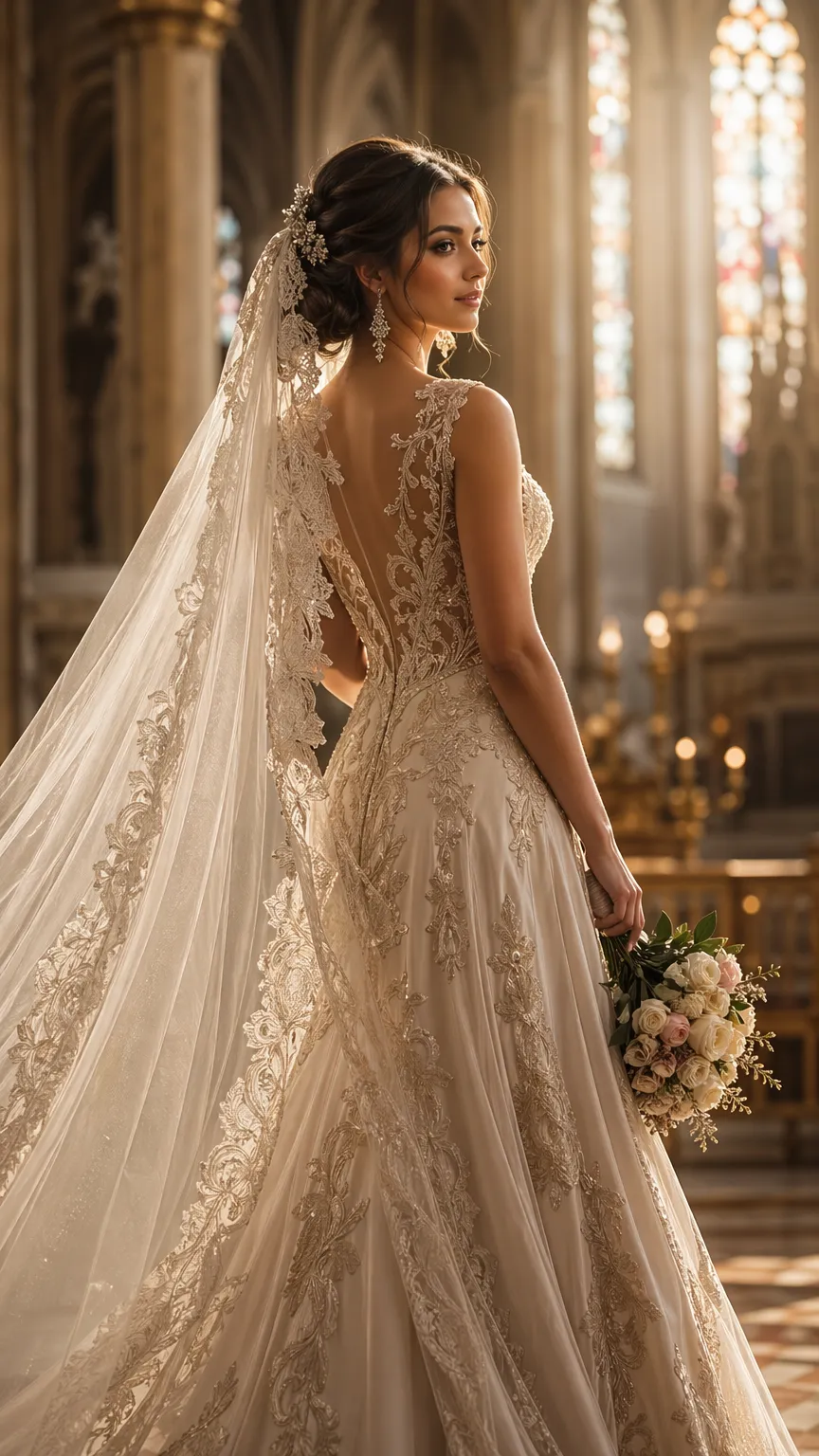
A veil can make a bridal hairstyle feel instantly more special.
But it can also change the whole shape of the look. A style that feels perfect on its own may sit differently once the veil is added, especially around the crown, back, and sides. That is why the prettiest wedding hair with a veil is not just about the hairstyle itself. It is about how the hair, veil, and face-framing details work together in one balanced look. From soft low buns to flowing hair worn down, the best ideas feel light, graceful, and easy to picture. Sometimes the most beautiful bridal looks come from the smallest, softest details done well.
Wedding hairstyles with veils work best when the hair and veil are planned together, not separately. A veil changes shape, balance, and hold, so the most flattering styles usually have a clear anchor point, soft movement, and enough structure to support the fabric. Low buns, half-up styles, and softly pinned hair are often the easiest ways to keep the look bridal, comfortable, and balanced.
How a Veil Changes the Shape and Structure of Your Bridal Hairstyle


A veil does more than sit on top of your hair. It changes the outline of the hairstyle and can add weight, height, or softness depending on where it is placed. A low bun can look more polished once a veil falls beneath it, while soft waves can feel more romantic when a light veil floats over the back.
This is why bridal hair should be shaped with the veil in mind from the start. The crown may need a little lift. The back may need a stronger pin area. Loose pieces near the face may also need to be placed more carefully so the whole look stays balanced from every angle.
How to Choose the Right Veil Length for the Hairstyle You Want


The length of the veil affects the mood of the hairstyle right away. A long cathedral veil feels more dramatic and flowing, while a fingertip veil often feels softer and easier to pair with many hairstyles. A shorter veil can make the hair itself stand out more.
A simple way to think about it is this:
- Long veils add movement and formality
- Mid-length veils feel balanced and versatile
- Short veils keep more focus on the face and hair shape
If the hairstyle has a lot of detail at the back, a lighter or shorter veil often lets those details show more clearly instead of covering them up.
Should a Veil Sit Above, Below, or Into the Hairstyle?


Placement changes the whole feeling of the look. A veil set above the hairstyle can make the crown feel taller and more classic. A veil placed below a bun or chignon often looks softer and more blended. When the comb sits into the hairstyle, the result can feel more secure and seamless.
The best position depends on what you want the eye to notice first. If you love volume at the crown, higher placement helps. If you want the bun or twist to stay visible, lower placement usually works better. For many brides, the prettiest result comes when the veil feels tucked into the hairstyle instead of simply added on top of it.
Cathedral, Chapel, Fingertip, and Birdcage Veils for Different Bridal Looks


Each veil length creates a different bridal mood. A cathedral veil feels sweeping and formal, which suits elegant updos and polished buns beautifully. A chapel veil gives a similar softness but feels a little lighter. A fingertip veil works well with many hairstyles because it adds romance without taking over the whole look.
A birdcage veil is different again. It brings focus to the face and suits styles with shape at the front, like side parts, sleek tucks, and sculpted waves. If the wedding mood is modern, classic, or city-inspired, it can feel very striking. The goal is not matching by rule. It is choosing the veil shape that supports the hairstyle’s natural mood.
Wedding Hairstyles With Veil for Updos, Chignons, and Low Buns


Updos are often the easiest base for a veil because they give the comb a clear place to sit. A low bun can feel soft and timeless, while a chignon often looks a little more polished and shaped. Both work especially well when the veil is tucked just above or below the style.
These looks are also helpful when you want the neckline, shoulders, or back of the dress to stay visible. The hair stays controlled, but it can still feel romantic if the finish is not too tight.
A good veil-ready updo often includes:
- a secure center at the back
- gentle fullness at the crown
- a few soft front pieces for balance
That mix keeps the style neat without making it feel stiff.
Half-Up Wedding Hairstyles That Give a Veil Shape and Support


Half-up styles are loved for a reason. They give you the softness of hair down with the support of pinned hair at the crown or back. That pinned section creates a natural place for the veil, which makes the whole look feel stable and well-shaped.
This style works especially well for brides who want movement through the lengths but do not want the veil pulling everything flat. A little lift at the crown can stop the look from feeling too narrow, while waves or soft bends through the hair keep it light and bridal. It is one of the easiest ways to get structure and softness together, especially for romantic, garden, and classic wedding settings.
Wedding Hair Down With Veil That Still Feels Soft, Secure, and Balanced


Wearing your hair down with a veil can look beautiful, but it needs more balance than many brides expect. If the hair is too flat, the veil may feel like it is sitting on top rather than blending in. If the veil is too heavy, it can pull the look backward.
The prettiest hair-down styles usually have a little shape built in. That might mean soft waves, light bends, or a pinned section hidden underneath for extra hold. The face should still feel open, and the back should not look weighed down.
A helpful detail is adding subtle structure without losing the loose finish. That is what keeps the look airy, bridal, and comfortable instead of messy or overloaded.
Bridal Hair With Veil for Long, Medium, and Short Lengths


Veil-friendly bridal hair does not depend on having very long hair. Each length simply needs a slightly different kind of shape. Long hair often suits half-up styles, low buns, or loose waves because there is natural movement through the ends. Medium hair can hold soft twists and tucked styles beautifully without looking too heavy.
Short hair can still look very bridal with a veil too. A bob with soft texture, a tucked side, or gentle volume at the crown can make the veil sit more naturally. The key is not forcing extra length. It is creating enough form, softness, and support for the veil to feel like part of the look. Good bridal shape matters more than hair length alone.
Veil-Ready Styles for Straight, Wavy, Curly, and Coily Hair


A veil can work beautifully with every hair texture, but the style should respect the natural pattern instead of fighting it. Straight hair often suits sleek buns, smooth half-up styles, or polished waves that keep the veil line clean. Wavy hair already has softness, so it pairs well with relaxed buns and airy half-up looks.
Curly and coily textures bring their own beauty and shape. A veil can sit above a defined puff, into a textured updo, or behind softly sculpted curls with stunning effect. The hairstyle feels strongest when the texture is allowed to stay visible.
Think of it this way:
- straight hair loves clean shape
- wavy hair loves softness
- curly and coily hair love natural volume and definition
Face-Framing Pieces and Parting Details That Soften the Overall Look


Small front details can completely change how bridal hair with a veil feels. The center part gives a calm, balanced look. A side part often feels more classic or softly glamorous. Even a slight off-center part can make the whole style look easier and less rigid.
Face-framing pieces matter too. A few soft strands near the cheekbones or jaw can stop a veil-ready style from feeling too severe, especially when the rest of the hair is pinned or smoothed back. The goal is not making the front messy. It is adding just enough softness so the hairstyle still feels gentle once the veil is in place.
This often matters most in photos, where hard edges can show more strongly than expected.
Hair Accessories That Work With a Veil Without Crowding the Hairstyle


A veil already adds presence, so extra accessories need a light hand. The prettiest looks usually use one clear accent instead of stacking many details together. A small comb, a few delicate pins, or a narrow vine can work well when it supports the hairstyle instead of competing with the veil.
Too many elements at the back can make the area look busy and heavy. If the veil has softness and movement, the accessory often looks best when it feels subtle and tucked in, not bold and separate. If the front of the hairstyle already has face-framing texture or shine, the back does not need much more.
A simple rule helps here: when the veil is the statement, let the accessory stay quiet.
Classic, Romantic, Modern, and Minimal Veil Hairstyles by Bridal Style


Different bridal moods call for different veil hairstyles. A classic look often suits a smooth bun, soft side part, and clean veil placement. A romantic style usually feels prettier with loose waves, soft pieces near the face, and a gentler finish. Modern bridal hair often looks best with cleaner lines, quieter texture, and more intentional shape.
A minimal look can be especially striking with a simple veil because the balance feels calm and refined. Nothing looks overdone, but everything still feels finished.
If you want to picture the difference fast:
- classic = polished and timeless
- romantic = soft and flowing
- modern = clean and shaped
- minimal = simple but strong
That mood should guide the hairstyle as much as the veil itself.
Veil Placement Mistakes That Can Throw Off the Whole Look


Some veil problems are not obvious until the full look comes together. A comb placed too high can make the head shape look longer than expected. A veil set too low may hide the hairstyle instead of framing it. If the back is too crowded with pins, combs, and accessories, the look can start to feel heavy.
Another common issue is placing the veil without thinking about the front view. The back may look pretty, but the front can end up looking too flat or too severe. That is why balance matters so much.
Watch for these small mistakes:
- too much height at the crown
- too little support at the comb
- too many details in one area
- loose pieces that do not connect to the rest of the style
What to Test During Your Hair Trial Before You Commit


A hair trial should show more than whether the hairstyle looks pretty at first. It should tell you how the veil sits, how the front reads in photos, and whether the style still feels comfortable after some time. Move your head. Turn to the side. Sit down. Stand up. See how the veil and hairstyle behave together.
It also helps to notice whether the veil pulls on one part of the style more than expected. A look that feels balanced for five minutes may feel different after an hour.
Pay close attention to:
- crown shape
- comb comfort
- front softness
- how much of the hairstyle stays visible
- whether the veil changes the look too much once added
How to Keep a Veil Secure From Ceremony to Reception


A secure veil should feel supported, not forced into place. The hairstyle needs a clear anchor point, whether that is a bun, twisted section, or pinned base hidden under the hair. Once the veil is added, the whole look should still feel comfortable enough to wear through walking, hugging, portraits, and the ceremony itself.
Some brides remove the veil later, so the hairstyle underneath should still look complete on its own. That matters just as much as the first look. If the veil comes out and the style collapses, the balance was never right to begin with.
The strongest veil-ready hairstyles are the ones that stay soft, steady, and beautiful even as the day keeps moving.
A veil can change everything, but in the loveliest way when the hairstyle is shaped around it with care. The sweet spot is usually a look that feels soft enough to move, structured enough to hold, and beautiful enough to stay in your mind long after the day is over.